Like
Share
멍실장
고양이 이(사면발이) 감염 증상과 원인, 진단·치료와 관리 포인트 총정리

Cat Lice: Symptoms, Causes, Diagnosis, Treatment, and Management Essentials

Infection/ParasitesDiseasesMeongsiljang Veterinary Advisory Board

Cat lice is a skin condition caused by parasites living in the hair, with itching and hair loss being the main symptoms. Early diagnosis and comprehensive management are essential.

What Is Cat Lice?

The appearance of fleas parasitizing a cat's fur
Cat lice is a skin condition caused by parasites that live in the superficial layers of the skin. These parasites burrow into the stratum corneum (the outermost layer of the epidermis) to survive, irritating the skin and causing intense itching and hair loss. In multi-cat households, the risk of transmission through direct contact is particularly high. Contact with infected cats or contaminated items can be a primary source of infection, making management challenging. Early detection and comprehensive treatment are essential. - Cat Lice: A skin disease caused by parasites in the superficial skin layers, with itching and hair loss as the main symptoms. - Parasite Characteristics: The parasites burrow into the stratum corneum to live, and due to their high contagiousness, early treatment is crucial. - Transmission Routes: Direct contact between cats or transmission through contaminated items and environments are the primary causes. - Timing of Treatment: Combining early diagnosis with environmental cleaning increases the success rate of treatment.

Causes and Transmission Routes

Cat lice spread easily through direct contact with an infected cat. The parasites can contaminate shared items like bedding, toys, and grooming tools, acting as vectors for transmission. Symptoms tend to be more pronounced in kittens or cats with compromised immune systems due to conditions such as FIV or FeLV infection, diabetes, or steroid use. Poor environmental hygiene increases the risk of spread. Since the infection can also affect other cats living in the same household, it’s important to manage all cohabiting cats together. - Transmission: Spreads through direct contact between cats or via contaminated objects and environments. - Risk Factors: Weakened immunity, multiple cats in the household, and poor cleanliness are key contributors. - Environmental Management: Regular cleaning and disinfection are essential for prevention. - Joint Treatment: To prevent reinfection, treat not only the infected cat but also any exposed cats and the surrounding environment.
Cats can transmit parasites while using a shared bed.

Main Symptoms and Signs

The hallmark signs of cat lice are intense itching and hair loss. Cats often lick or scratch repeatedly, which can lead to hair loss, flaky skin, and scabbing. In severe cases, the skin may become inflamed, thickened, or hyperpigmented. Lesions typically begin at the ears (especially the ear margins) and spread to the face, head, and neck. Early recognition is key to successful treatment.
Increased itching: Frequent licking or scratching of the fur.
Hair loss and flaky skin: Most noticeable around the ear margins, face, head, and neck.
Skin inflammation and scabs: Red spots or scabs may appear, increasing the risk of secondary bacterial infections.
Skin thickening: The affected skin may become thickened and develop darkened pigmentation.
A cat scratching its hind legs due to itching

When to Seek Immediate Veterinary Attention

If your cat is experiencing severe itching that leads to peeling skin, scabbing, loss of appetite, or a sudden drop in activity levels, immediate veterinary attention is necessary. This is because the risk of secondary bacterial infections increases significantly. Additionally, in households with multiple cats, infections can spread rapidly, making early isolation and treatment essential.

Diagnostic Methods

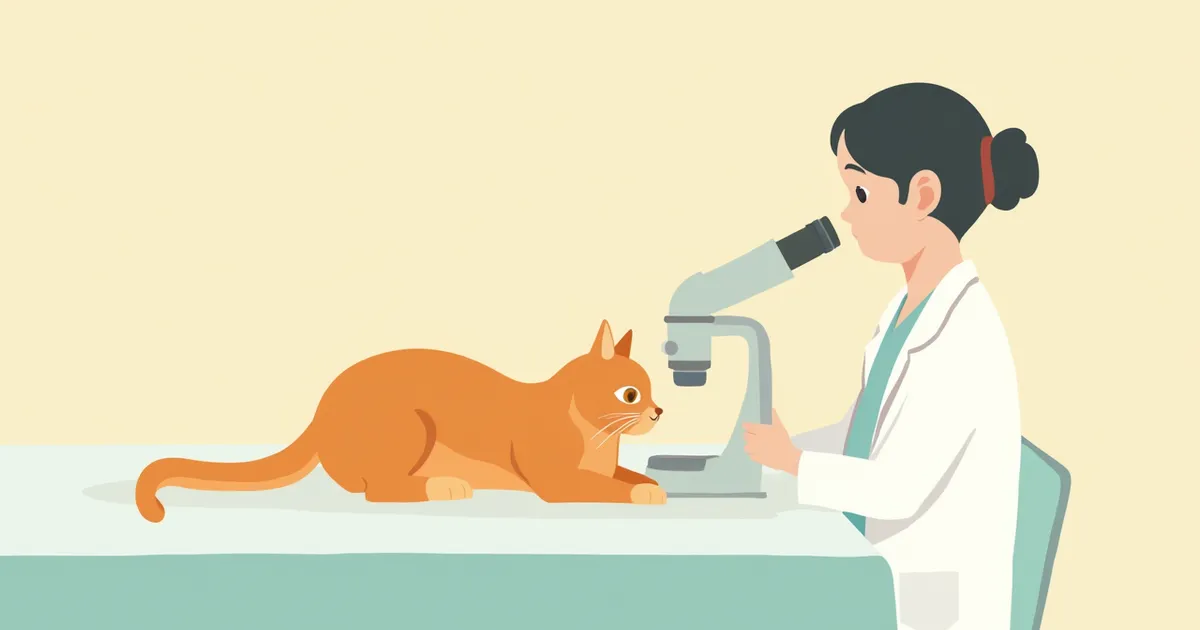
Veterinarians diagnose parasitic infections in cats by evaluating clinical signs, medical history, and direct evidence of parasites. The cornerstone of diagnosis is microscopic examination of skin scrapings to identify parasite eggs or adult organisms in the epidermis and crusts. Trichography (hair pluck examination), tape impressions, and fecal flotation tests are also used as supplementary diagnostic tools. Additionally, veterinarians assess the degree of skin inflammation and, if necessary, perform a skin biopsy to confirm the diagnosis or check for secondary bacterial infections. Accurate diagnosis is the first step toward effective treatment. - Microscopic Examination: Directly identifies parasite eggs or adult organisms in samples obtained through skin scraping. - Hair and Tape Tests: Supplementary techniques that involve plucking hairs or using tape to detect parasites. - Fecal Flotation Test: Detects parasites or eggs that may have been ingested during grooming and passed in the feces. - Skin Assessment and Biopsy: Evaluates inflammation, crusting, and scaling, with biopsies performed when needed. - Importance of Diagnosis: Early diagnosis is key to improving treatment success rates.
A veterinarian examining a cat’s fur under a microscope

Treatment and Step-by-Step Management
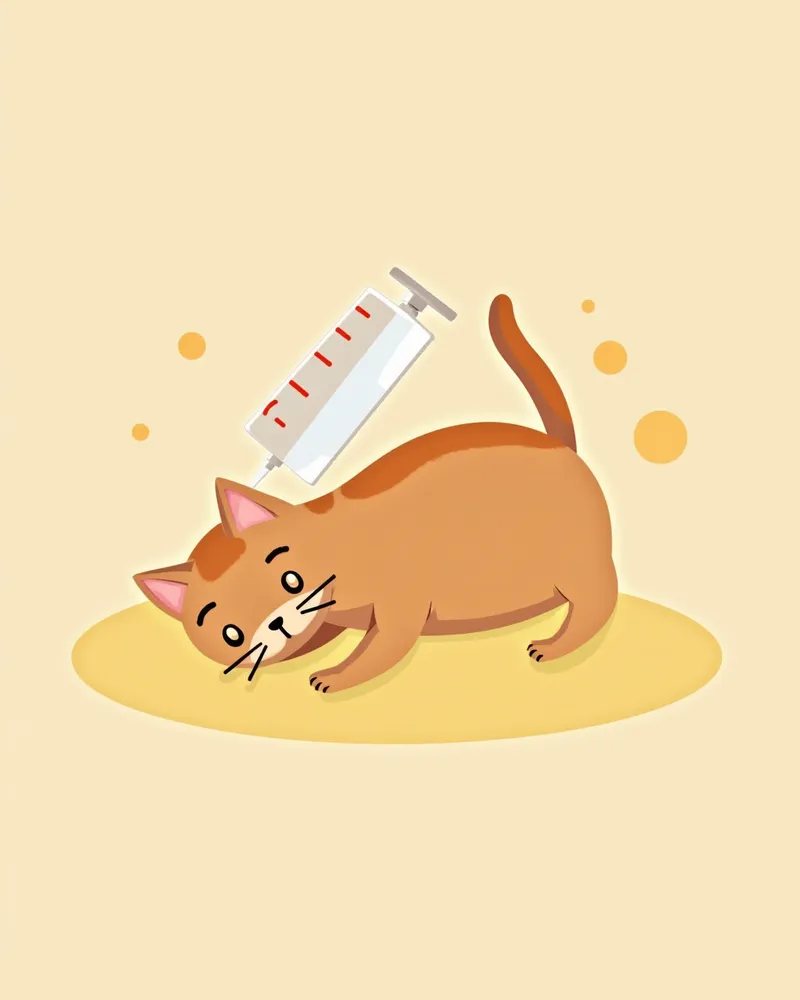
Treating feline lice involves simultaneously eliminating the parasites and promoting skin recovery. Your veterinarian will prescribe a proven antiparasitic, such as spot-on formulations containing selamectin or moxidectin, or isoxazoline-class medications like fluralaner or lotilaner. During treatment, it is essential to treat all cohabiting cats that have had contact with the infected cat and to concurrently disinfect the environment, including bedding, play areas, and living spaces. Spot-on treatments are typically recommended at four-week intervals for a minimum of three applications, and it is crucial to complete the full course of treatment as prescribed to break the parasite’s life cycle. Follow-up monitoring is also recommended after treatment ends to check for reinfection.
A veterinarian applying a parasite repellent to a cat

Home Care Essentials

Managing a cat undergoing treatment begins with its environment and daily routine. It is crucial to manage any cohabiting cats that have had contact with the infected cat and to administer prescribed medications consistently and without missing any doses. Daily brushing helps reduce parasites and eggs in the fur, while bedding and play areas should be washed in hot water and dried on high heat or treated with a disinfectant. Additionally, provide a quiet environment to minimize stress during treatment, and encourage regular meals and adequate hydration. The more thorough the environmental management, the lower the risk of reinfection.
Regular Brushing: Brushing once or twice daily helps reduce parasites and eggs in the fur.
Environmental Disinfection: Manage bedding, play areas, and living spaces through hot water washing and disinfection.
Concurrent Treatment: Treat and manage any cohabiting cats that have been in contact with the infected cat.
Consistent Care: It is important to continue treatment to completion according to the prescribed schedule.
Grooming a cat with a comb to remove parasites

Preventing Recurrence and Breed Considerations

Cat lice can recur if environmental hygiene is inadequate, so thorough cleaning and regular monitoring remain essential even after treatment. Cats infected with FIV or FeLV, or those with compromised immune systems, are especially prone to severe symptoms. In multi-cat households, it’s advisable to test all cohabiting cats that may have had contact with the infected animal. To prevent reinfection, maintain consistent hygiene and a clean environment, and follow your veterinarian’s instructions to complete the full course of treatment.

Reviewed by a veterinarian

Dr. Tony — Punnawat Phongkittirak

Dr. Tony — Punnawat Phongkittirak

Veterinarian

A veterinarian who majored in veterinary medicine at Khon Kaen University, Thailand, and completed the IVSA program at North Carolina State University in the United States. Drawing on clinical experience at animal hospitals, he works in the pet healthcare field and is dedicated to building a digital care environment that connects pet parents with veterinarians.

Frequently Asked Questions

Can a cat's lice (crab louse) infection be transmitted to humans?
Four-legged parasites primarily infest cats, but they can cause temporary itching or skin irritation when they come into contact with humans. However, it is rare for these parasites to lead to persistent infections in people. If symptoms do occur, it is advisable to consult both a physician and a veterinarian.
Can it come back even after treatment?
If the environment isn’t properly cleaned and regularly maintained, reinfection can occur. This is especially important in households with multiple cats or those with immunocompromised felines, where all cohabiting cats should be managed together.
Can I use parasite control products at home?
No, deworming medications require a veterinarian’s prescription. Improper use can cause toxic reactions in cats, so never administer them without professional guidance.
How long does the treatment period last?
The treatment approach varies depending on the parasite’s life cycle and the cleanliness of the environment. For spot-on products, it is generally recommended to apply them at four-week intervals for at least three doses. Even after completing the treatment, follow-up monitoring is advised to check for reinfection.
Can this feline infection be prevented?
Yes, you can effectively prevent it through regular brushing, environmental disinfection, and the use of veterinarian-recommended parasite preventatives.

Share

Related Guides

References

[1] Feline Emergency and Critical Care Medicine, 2nd Ed, 2020

[2] The Cat, Clinical Medicine and Management, 2nd Edition, 2019

[3] BSAVA Manual of Canine and Feline Dermatology, 4th Ed, 2021

This information is based on veterinary literature and does not replace diagnosis or treatment. Please consult a veterinarian for specific health concerns.

Metapet Co., Ltd. | CEO: Park Sung-yong | Business Reg. No. 417-88-02562 | Seoul, South Korea | Customer Center

Cat Lice: Symptoms, Causes, Diagnosis & Treatment | Meongsiljang