
Like
Share
멍실장
강아지 신장 섬유증 기전 증상과 원인, 진단·치료와 관리 포인트 총정리

If Your Dog’s Kidneys Are Hardening — Causes of Renal Fibrosis and When to Visit the Vet

KidneyDiseasesMeongsiljang Veterinary Advisory Board

Canine renal fibrosis is a chronic condition in which excessive fibrous tissue forms in the kidney, leading to a gradual decline in kidney function. Early detection and management are key to achieving positive treatment outcomes.

What Is Canine Renal Fibrosis?

A dog with its veterinarian, showing a worried expression about kidney disease
Canine renal fibrosis is a chronic condition in which normal kidney tissue is gradually replaced by fibrous tissue, leading to a slow decline in kidney function. Early stages often show no obvious symptoms, making early detection very difficult, but as the disease progresses, the kidney’s filtering capacity becomes severely impaired. - Declining kidney function: The kidneys fail to properly eliminate waste products, allowing toxins to accumulate in the body. - Progression of fibrosis: Repeated injury activates fibroblasts and leads to the accumulation of fibrous tissues such as collagen, causing tubular atrophy and interstitial fibrosis that stiffen the tissue. - Reduced blood flow: As fibrous tissue increases, the capillaries within the kidney narrow and become obstructed, reducing blood flow. - Chronic progressive disease: While a cure is not possible with treatment, progression can be slowed through management. Early diagnosis and consistent care are key to maintaining quality of life.

Main Causes and Mechanisms of Renal Fibrosis
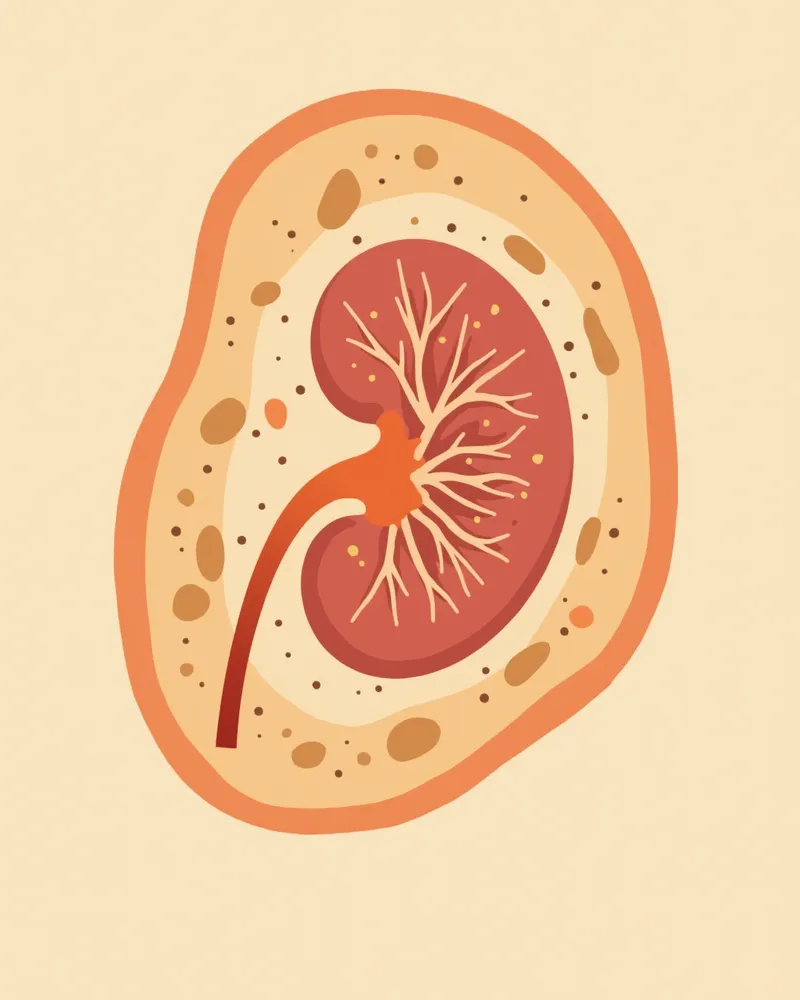
Canine renal fibrosis is a pathological change that occurs due to repeated chronic kidney damage. Persistent inflammation damages kidney tissue, activating fibroblasts to secrete excessive collagen. - Fibrosis Mechanism: As damage and inflammation continue, fibroblasts become active, collagen accumulates, and interstitial fibrosis progresses, causing the tissue to harden. - Reduced Blood Flow: Increased fibrous tissue narrows and blocks capillaries within the kidneys, reducing blood flow. - Decreased Function: Impaired filtration makes it difficult to regulate waste products and fluids. - Progressive Damage: This process gradually spreads, potentially leading to near-complete loss of kidney function. Early management is key.
Microscopic image showing the histological changes in canine renal fibrosis

Main Symptoms and Signs

In the early stages, canine renal fibrosis often shows no obvious symptoms, but as it progresses, the following signs may appear. If you notice any of these behaviors, please consult your veterinarian immediately.
Excessive thirst: Your dog may start drinking water more frequently.
Frequent and increased urination: They may urinate more often and in larger amounts.
Weight loss: Muscle mass decreases, leading to noticeable weight loss.
Decreased appetite: The frequency and amount of food intake may decline.
Fatigue and lethargy: Your dog may lie around most of the day with little activity.
Vomiting and nausea: As waste products build up, vomiting may become more frequent, and a uremic odor may develop on their breath.
A dog that drinks a lot of water, showing signs of thirst

Signs Requiring Immediate Veterinary Visit

If your dog experiences severe vomiting, blood in the urine, extreme lethargy, or refuses to eat or drink at all, you should take them to the vet immediately. These symptoms may indicate serious kidney damage and could require emergency treatment.

Diagnostic Methods and Procedures
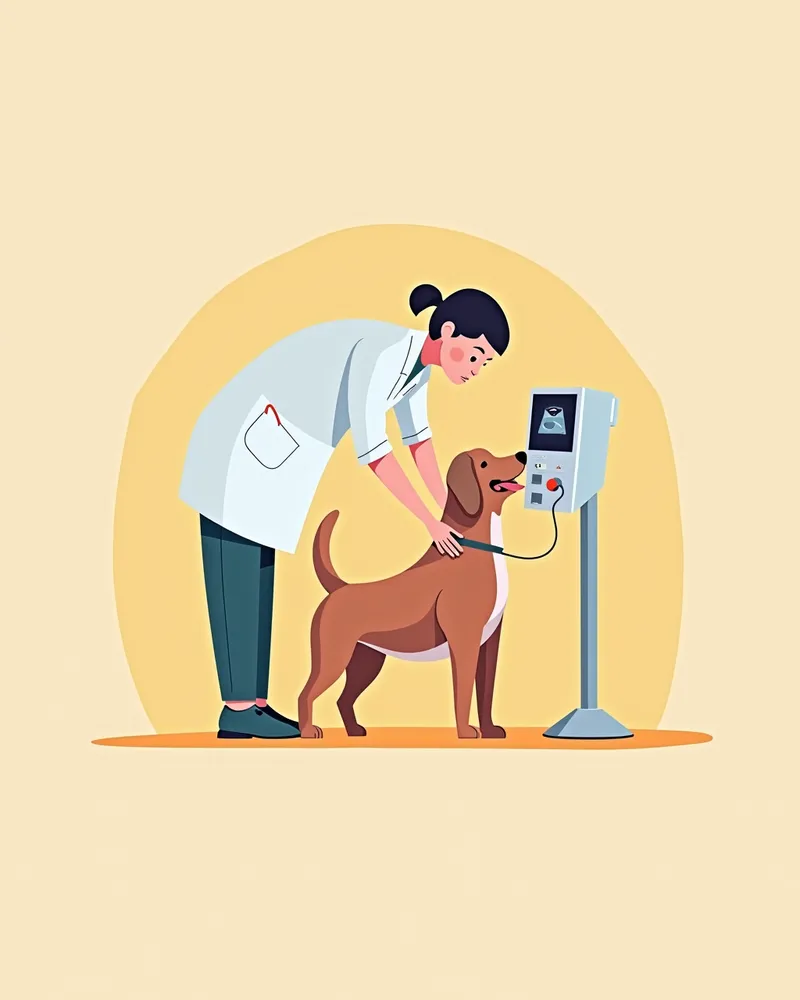
Kidney fibrosis in dogs is diagnosed through a comprehensive combination of tests. - Blood tests: Elevated creatinine and BUN levels suggest impaired kidney function. - Urinalysis: Low urine concentration and the presence of protein in the urine indicate a high likelihood of fibrosis. - Ultrasound: This can reveal a reduction in kidney size and structural changes. - Tissue biopsy: This may be necessary to accurately determine the extent of fibrosis. - Regular monitoring: Since early stages often show no symptoms, regular check-ups are essential. Early detection is crucial for successful treatment outcomes.
A veterinarian performing an abdominal ultrasound on a puppy

Treatment Methods and Step-by-Step Management

While canine renal fibrosis is difficult to cure completely, it is possible to alleviate symptoms and slow the progression of the disease. - Hydration: Consistent fluid intake is essential to prevent dehydration. - Low-protein diet: Protein intake should be regulated to reduce the burden on the kidneys. - Phosphorus and potassium management: Maintaining stable blood levels of these minerals is crucial. - Blood pressure control medications: If hypertension is present, it can accelerate kidney damage, making management essential. - Individualized treatment: Your veterinarian will adjust medications and diet based on your dog’s specific condition. Consistent care is key to maintaining quality of life.
A scene where a veterinarian explains the puppy's dietary and medication management plan.

Home Care Points

Managing canine renal fibrosis relies most heavily on consistent care at home. - Water Supply: Always provide fresh water, changing it frequently and keeping it in an easily accessible location. - Dietary Management: Consistently feed the low-protein, low-phosphorus diet prescribed by your veterinarian. - Medication Administration: Administer medications at the designated times without interruption. - Regular Check-ups: Monitor your pet’s condition through routine blood and urine tests. - Environmental Management: Prevent exposure to high temperatures and dehydration, and minimize stress. - Communication with Your Veterinarian: Consult your vet immediately if you notice any changes. Ongoing management is key to improving your pet’s quality of life.
A scene showing special meals and water prepared for a puppy's kidney health.

Prevention of Recurrence and Precautions

Once renal fibrosis develops, it is difficult to reverse and can progressively worsen. Do not discontinue the diet and medications prescribed by your veterinarian, and be sure to undergo regular check-ups and monitoring. Additionally, avoid high-temperature environments and dehydration, and do not use medications that strain the kidneys (such as NSAIDs) without veterinary guidance. While advanced age is a major risk factor for kidney disease, age is a more significant factor than specific breeds.

Reviewed by a veterinarian

Dr. Tony — Punnawat Phongkittirak

Dr. Tony — Punnawat Phongkittirak

Veterinarian

A veterinarian who majored in veterinary medicine at Khon Kaen University, Thailand, and completed the IVSA program at North Carolina State University in the United States. Drawing on clinical experience at animal hospitals, he works in the pet healthcare field and is dedicated to building a digital care environment that connects pet parents with veterinarians.

Frequently Asked Questions

Can canine renal fibrosis be cured?
While a complete cure remains elusive at this time, early diagnosis and consistent management can slow the progression of symptoms and significantly improve your pet’s quality of life.
How important is dietary management?
This is very important. A low-protein, low-phosphorus diet can help reduce the burden on the kidneys and slow the progression of the disease. Be sure to follow the diet recommended by your veterinarian.
How long should I continue giving the medication?
It may need to be taken continuously throughout your pet’s life. Do not stop the medication without your veterinarian’s guidance. Regular check-ups are essential to monitor your pet’s condition.
What should I do if my dog isn’t drinking water?
Dehydration can worsen kidney function. Keep the water fresh, place multiple water bowls around the house, and consider offering additional liquid-based foods. Please consult your veterinarian.
Which breeds are more commonly affected by renal fibrosis?
Age is a more significant factor than breed, as the risk of chronic kidney disease tends to increase with age. However, it is not limited to specific breeds.

Comparison of Renal Fibrosis Management Methods

ItemDietary controlMedicationFluid supplementationRegular testing
GoalReduce kidney burdenControl blood pressure and phosphorus levelsPrevent dehydrationTrack disease progression
Main contentLow-protein, low-phosphorus dietBlood pressure medication, phosphorus binderProvide water, administer fluidsBlood/urine tests, ultrasound
Management frequencyDailyDailyDailyEvery 3–6 months

All management must be carried out under the veterinarian's instructions. An individually tailored plan is needed.

Share

Related Guides

References

[1] Langston, C.E. et al. (2023) Small Animal Critical Care Medicine, 3rd Edition. Elsevier.

[2] The Cat, Clinical Medicine and Management, 2nd Edition (2022). Elsevier.

[3] Plumb's Veterinary Drug Handbook, 9th Edition (2021). Wiley.

This information is based on veterinary literature and does not replace diagnosis or treatment. Please consult a veterinarian for specific health concerns.

Metapet Co., Ltd. | CEO: Park Sung-yong | Business Reg. No. 417-88-02562 | Seoul, South Korea | Customer Center

Dog Kidneys Hardening? Renal Fibrosis Causes & When to See a Vet | Meongsiljang