

When to Feed Prescription Renal Diets for Dogs — Protein and Phosphorus Restriction and Feeding Timing
Prescription renal diets for dogs are an essential nutritional support strategy for managing chronic kidney disease. Choosing and managing the right food can significantly improve your dog’s quality of life.
What Are Prescription Renal Diets for Dogs?

What Are the Main Causes of Prescription Renal Diets?

Check for Key Symptoms and Signs

Emergency Signs Requiring Immediate Veterinary Visit
If your dog suddenly loses its appetite entirely and shows persistent vomiting or diarrhea, lethargy, decreased consciousness, or weakness, you should take it to the vet immediately. This could indicate a rapid decline in kidney function, which can be life-threatening. Urgent treatment is also necessary if there is a sudden decrease in urine output.
Diagnostic Tests for Accurate Diagnosis

Step-by-Step Treatment Approach
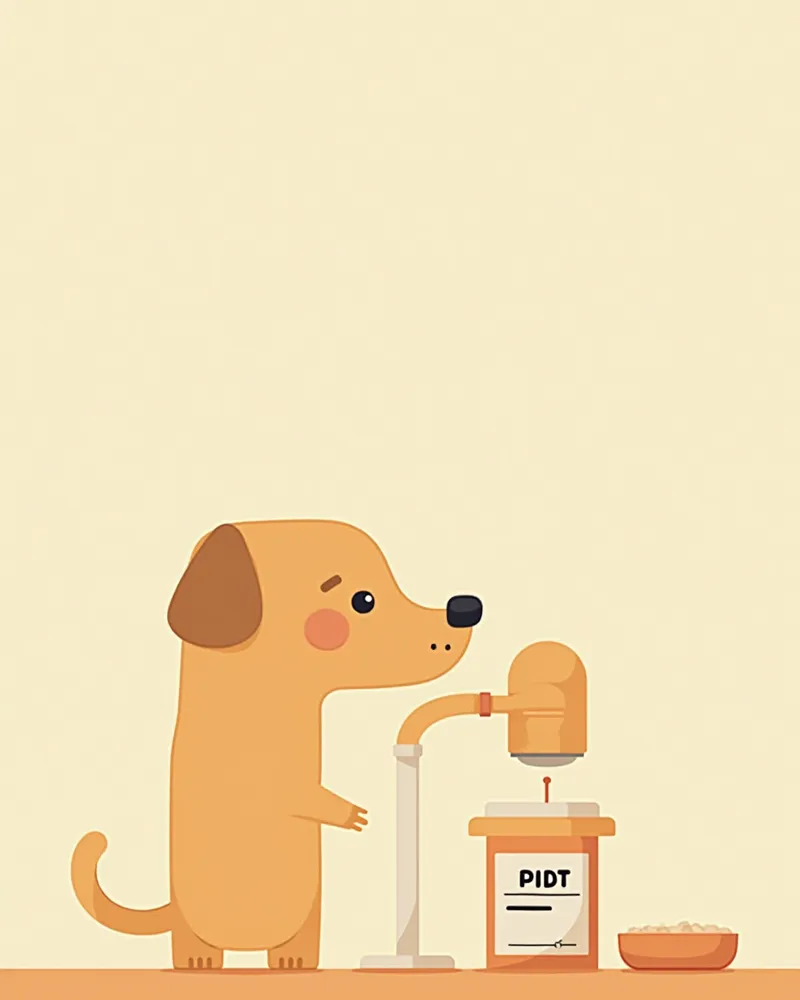
Management Points at Home

Breed-Specific Precautions and Prevention of Recurrence
Certain breeds, such as Shar-Peis, Beagles, Golden Retrievers, Shih Tzus, Cairn Terriers, and Bull Terriers, are reported to be more susceptible to congenital kidney disease. Early screening is especially important for these breeds. If symptoms worsen even after switching to a prescription diet, consult your veterinarian immediately. Since chronic kidney disease (CKD) is difficult to cure, slowing its progression through consistent nutritional management and regular check-ups is paramount.
Reviewed by a veterinarian

Dr. Tony — Punnawat Phongkittirak
VeterinarianA veterinarian who majored in veterinary medicine at Khon Kaen University, Thailand, and completed the IVSA program at North Carolina State University in the United States. Drawing on clinical experience at animal hospitals, he works in the pet healthcare field and is dedicated to building a digital care environment that connects pet parents with veterinarians.
Reviewed 2026-06-05
Frequently Asked Questions
When should I start feeding my dog a prescription renal diet?
Can't we just switch to regular pet food?
What should you pay attention to when transitioning your pet’s food?
Do they need supplements in addition to their regular food?
Will feeding them this food improve their quality of life?
Comparison of Representative Prescription Renal Diets
| Item | Protein | Phosphorus Content | Characteristics |
|---|---|---|---|
| Royal Canin Renal Support | Approx. 16-18% | Approx. 0.25-0.3% | Low protein, low phosphorus, high fat, highly digestible nutrients |
| Sky-EN Renal-Only Food | Approx. 16-18% | Approx. 0.25-0.3% | Low phosphorus, high fat, highly digestible nutrients |
| Premium Renal Canine | Approx. 16-19% | Approx. 0.3-0.32% | Low protein, low phosphorus, contains high antioxidant components |
Choose the food after consulting your veterinarian. The appropriate product varies depending on the dog's weight, condition, and medical history.
Share
Related Guides
Top 5 Prescription Diets for Cats with Chronic Kidney Disease — Stage-Specific Protein Adjustment

7 Emergency Signs and Causes of Acute Kidney Failure in Dogs You Must Not Miss
Comparing Cat Renal Prescription Diets — Hill’s k/d vs Royal Canin Renal vs Purina NF

If Your Dog Has Dandruff and Oily Skin — Causes and Treatment Timing for Seborrheic Dermatitis

If Your Dog Keeps Scratching and Smells Bad — Causes and Treatment Timing for Malassezia Dermatitis

If Your Cat’s Nasal Congestion Won’t Go Away — Causes and Treatment Points for Chronic Rhinitis and Rhinosinusitis

If Your Dog Keeps Sniffling — Causes and Treatment Timing for Rhinitis and Rhinosinusitis
If Your Dog Suddenly Has Labored Breathing — Pulmonary Edema Symptoms, Causes, and Emergency Response Timing

When Your Cat Keeps Coughing — Feline Pneumonia: Symptoms, Causes, Treatment, and Care
My Puppy’s Cough Won’t Stop — Pneumonia Symptoms and the Golden Window for Veterinary Care
References
[1] Plumb's Veterinary Drug Handbook, 9th Edition, 2022
[2] Applied Veterinary Clinical Nutrition, 2nd Edition, 2021
[3] Clinical Medicine of the Dog and Cat, 4th Edition, 2020