

If Your Cat Seems Dazed and Stumbles — Causes of Hepatic Encephalopathy and Emergency Response Points
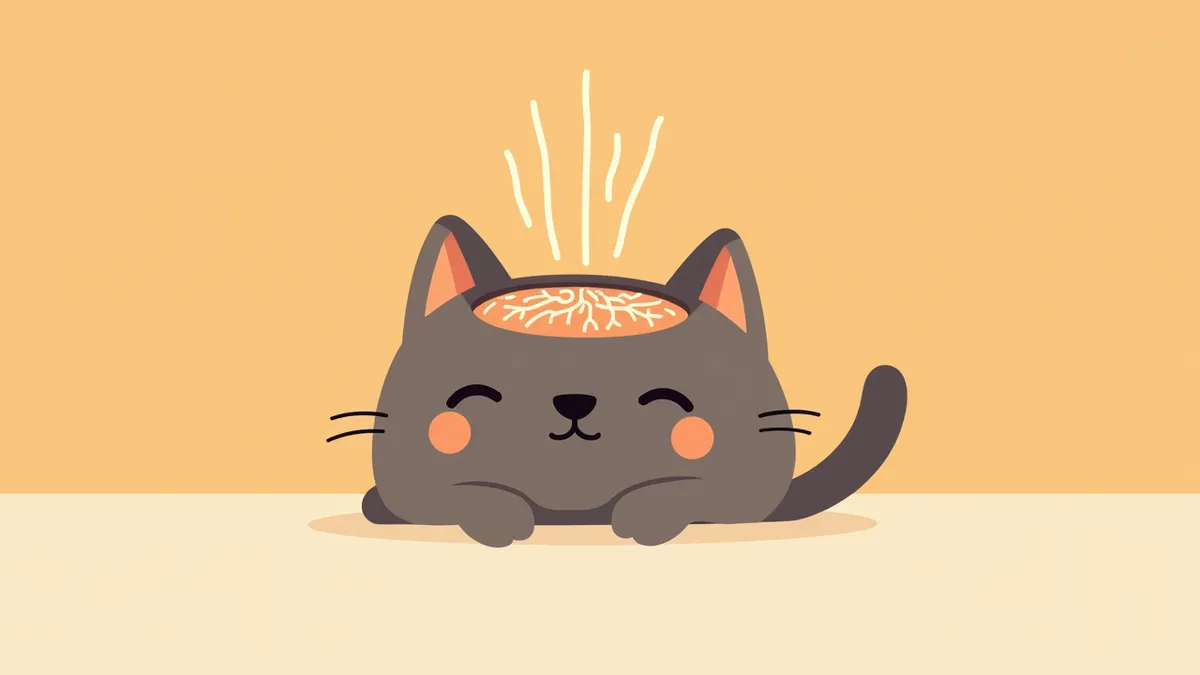
Feline hepatic encephalopathy is a neurological condition caused by the accumulation of toxic substances in the brain due to impaired liver function. Early detection and proper management are essential.
What Is Feline Hepatic Encephalopathy?
What Are the Main Causes?

Main Symptoms and Signs

When Immediate Veterinary Visit Is Necessary
If your cat loses consciousness, experiences severe and repeated seizures, or has persistent vomiting and refuses to eat entirely, you should take them to the vet immediately. These are emergency situations that can be life-threatening. Prompt diagnosis and treatment can significantly improve survival rates.
Accurate Diagnostic Methods

Treatment Methods and Step-by-Step Management

Home Care Points

Preventing Recurrence and Breed Precautions
Cats born with vascular abnormalities, such as congenital portosystemic shunts, are at a higher risk of hepatic encephalopathy. It is important for cats suspected of having such predispositions to undergo regular liver function tests. Additionally, since symptoms can recur even after treatment, long-term maintenance of medication and a protein-controlled diet is necessary. Please consistently monitor your cat’s behavior and neurological symptoms, as clinical signs may persist even if ammonia levels appear normal.
Reviewed by a veterinarian

Dr. Tony — Punnawat Phongkittirak
VeterinarianA veterinarian who majored in veterinary medicine at Khon Kaen University, Thailand, and completed the IVSA program at North Carolina State University in the United States. Drawing on clinical experience at animal hospitals, he works in the pet healthcare field and is dedicated to building a digital care environment that connects pet parents with veterinarians.
Reviewed 2026-06-05
Frequently Asked Questions
Is hepatic encephalopathy in cats treatable?
Will the symptoms return if I stop the medication?
How important is dietary management?
What should I do if my cat has a seizure?
Can this condition be genetic?
Share
Related Guides

7 Key Symptoms and Management Essentials for Canine Cholecystitis Recommended by Veterinarians

Top 5 Milk Thistle (Silymarin) Liver Supplements for Dogs — A Comparison Guide Based on Silybin Content and Absorption Rates

Top Prescription Diets for Dogs with Liver Disease and Selection Criteria

Why Is My Cat Scratching So Much? — Identifying the Causes and Warning Signs of Excessive Scratching

If Your Cat Keeps Causing Trouble — Identifying the Causes and Solutions for Problem Behaviors Through Enrichment

If Your Cat Ate Azaleas — Rhododendron Poisoning Symptoms and Emergency Response Timing

If Your Dog Ate Azaleas or Rhododendrons — A Complete Guide to Poisoning Symptoms and First Aid

If Your Dog Ate Tulips — Poisoning Symptoms, First Aid, and Dangerous Ingestion Amounts
Canine Ehrlichiosis: Symptoms, Transmission Routes, and Treatment & Prevention Guide
If Your Cat Keeps Coughing — Lungworm Infection Symptoms, Transmission Routes, and Treatment Timing
References
[1] Sykes JE, Sturges BK, Cannon MS, et al. Clinical signs, imaging features, neuropathology, and outcome in cats and dogs with central nervous system cryptococcosis from California. J Vet Intern Med. 2010;24(6):1427–1435.
[2] Feline Emergency and Critical Care Medicine, 2nd Edition. Elsevier, 2020.
[3] Plumb's Veterinary Drug Handbook, 9th Edition. Wiley-Blackwell, 2022.