Like
Share
멍실장
강아지 레그칼베페르테스병 증상과 원인, 진단·치료와 관리 포인트 총정리

If Your Dog Is Limping on a Hind Leg — Symptoms and Treatment of Legg-Calvé-Perthes Disease

JointDiseasesMeongsiljang Veterinary Advisory Board

Legg-Calvé-Perthes disease in dogs is a hip joint condition affecting small breeds, where blood flow to the femoral head is blocked, leading to bone necrosis. Here’s a clear overview of symptoms, causes, diagnosis, surgery, and rehabilitation.

What Is Legg-Calvé-Perthes Disease?
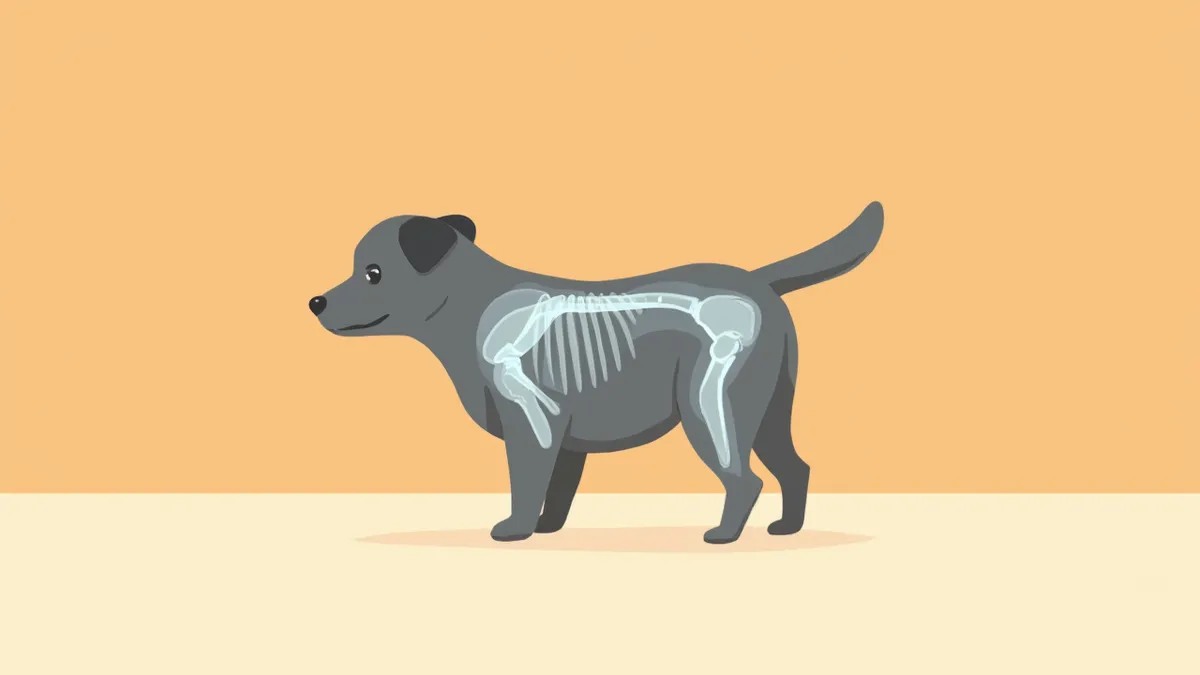
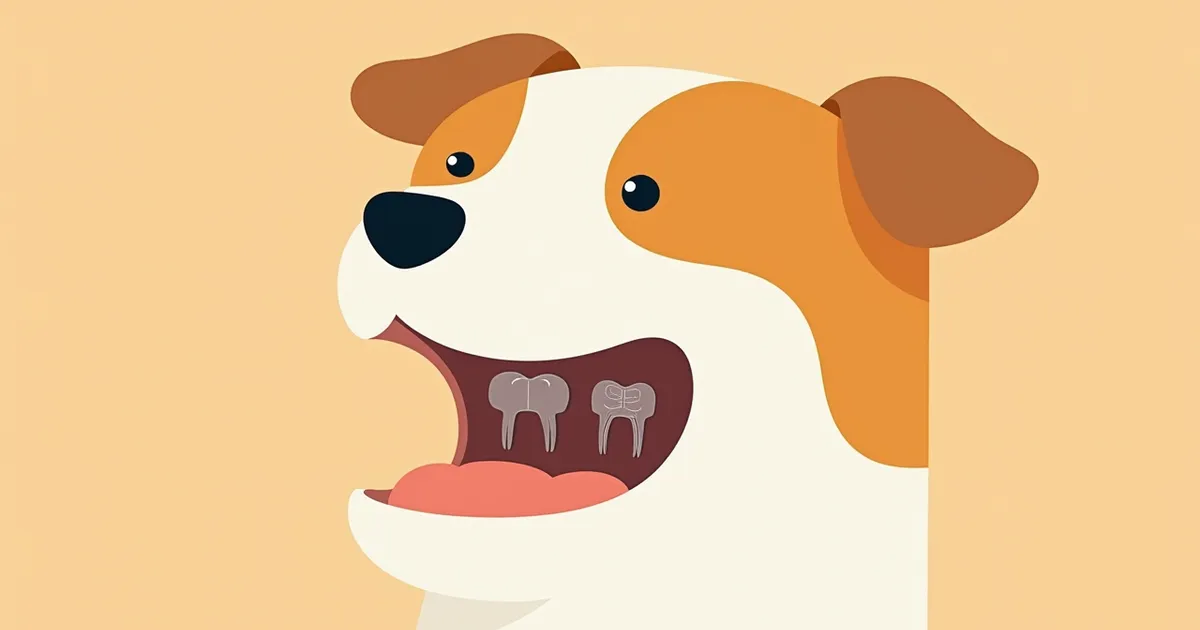
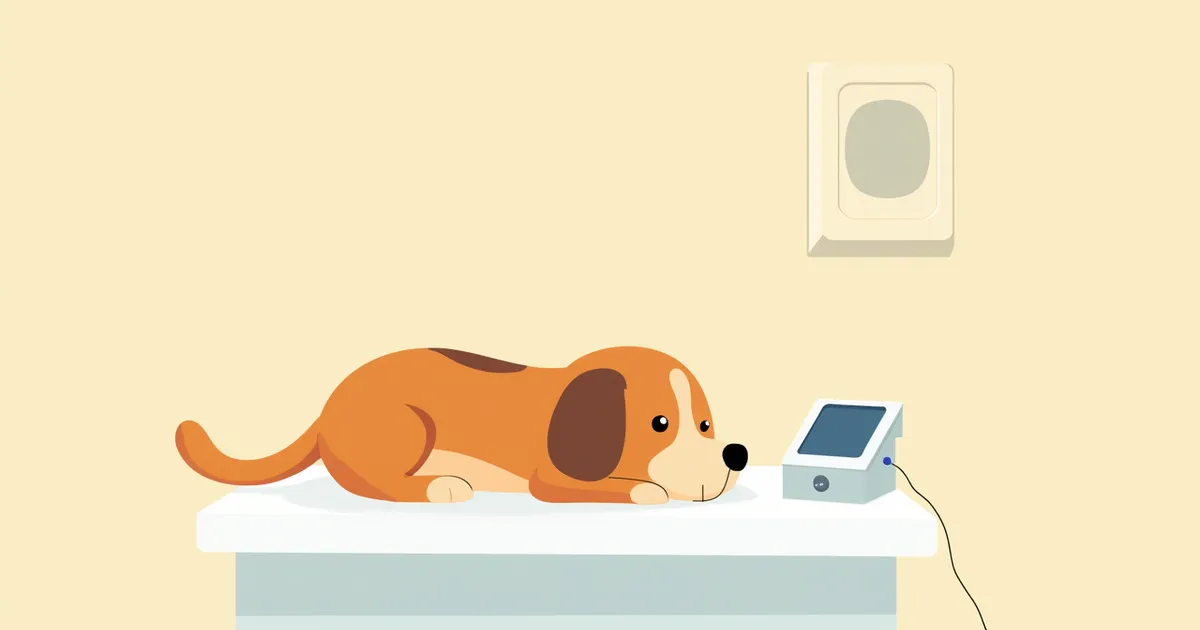
Lega-Calvé-Perthes Disease in Dogs — Radiographic Findings of Femoral Head Necrosis
Legg-Calvé-Perthes disease in dogs is a hip joint condition affecting small breeds, where blood flow to the femoral head (thigh bone) is blocked, leading to bone tissue death (avascular necrosis). The most critical factor is how quickly it’s detected. As necrosis progresses, the bone deforms and pain intensifies, so you should never delay a vet visit once you notice your dog limping on a hind leg. This condition typically appears in toy and small breed dogs between 3 and 13 months of age, and most often begins in one hind leg.

Why Does It Occur? — Causes and Pathogenesis

The exact cause remains unclear. However, it is known that when blood flow to the femoral head is blocked, bone cells die (avascular necrosis), leading to bone weakening and deformation. Localized disturbances in bone growth or bleeding within the bone marrow may be involved. As necrosis progresses, pain develops in the hip joint, particularly during hip extension. This condition primarily affects toy and small-breed dogs, suggesting breed- and constitution-related predispositions, but it is still difficult to pinpoint a single definitive cause.

Key Symptom Checklist

Limping in the hind leg: The most common early sign is lifting one hind leg or limping.
Pain response: Your pet may growl or pull away when you touch the hip area or extend the leg.
Muscle atrophy: The thigh muscles on the affected side gradually thin out, making asymmetry between the left and right sides noticeable.
Decreased activity: Your pet may refuse walks or play, and avoid climbing stairs or getting on the sofa.
Postural changes: To avoid putting weight on the painful leg, your pet may sit at an angle or crouch.
Symptoms typically start gradually (chronically) and tend to progress over time.
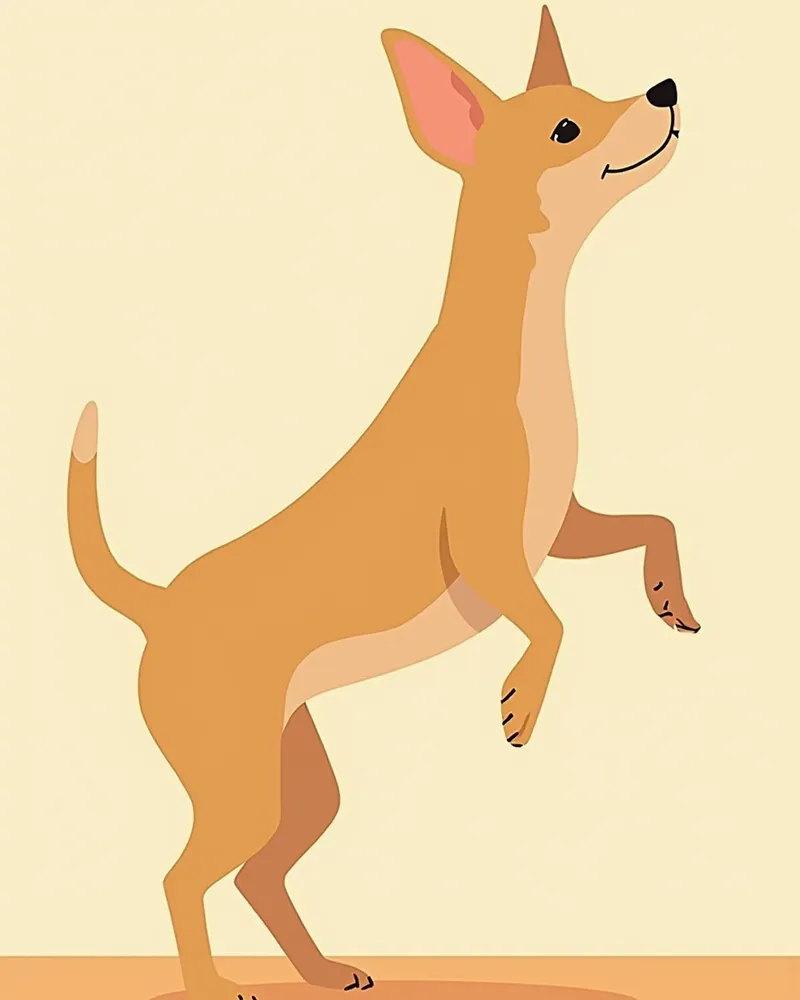
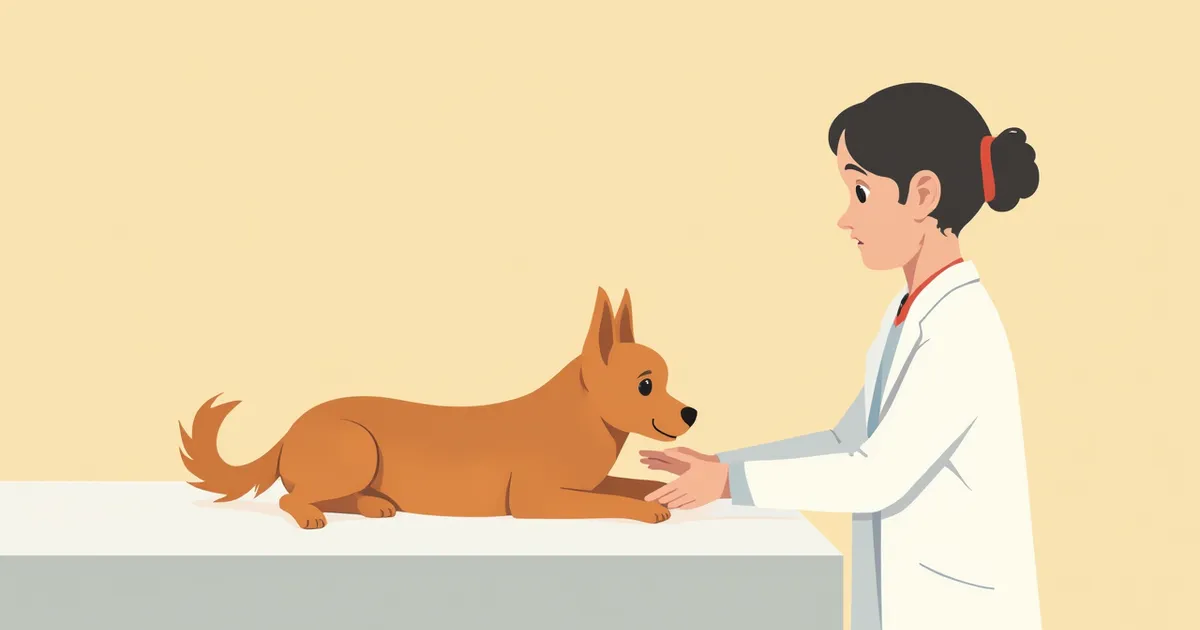
Small dogs holding up a hind leg — early signs of Legg-Calvé-Perthes disease

Visit the Vet Immediately If You See These Symptoms

If your pet is limping so severely that they can’t bear any weight on their hind legs, or if they react with extreme resistance even to a light touch on the leg, it indicates severe pain. If the limping persists for more than 72 hours or suddenly worsens, please visit an animal hospital within the same day. The longer treatment is delayed, the more severe bone deformities may become, which can negatively impact surgical outcomes.

How Is It Diagnosed?

Diagnosis is primarily made using X-rays (radiography). Characteristic findings include changes in the shape and density (shading) of the femoral head, as well as widening of the joint space. However, since radiographic signs may lag behind clinical symptoms by about two to three weeks in the early stages, follow-up imaging is often recommended. For an accurate assessment, the pelvis and hip joints are typically X-rayed with the patient in proper positioning under sedation or anesthesia. The veterinarian will also perform differential diagnosis to rule out other conditions with similar symptoms, such as patellar luxation, hip dislocation, and femoral head epiphyseal fractures.

Treatment — Surgery Is Key

In most cases, a femoral head and neck ostectomy (FHO) is recommended. Removing the necrotic femoral head and neck eliminates the source of pain, and the surrounding muscles and fibrous tissues subsequently form a new "false joint" to restore function. Small-breed dogs, in particular, tend to adapt relatively well to walking using the limb after surgery. While mild pain in the very early stages may be temporarily managed with anti-inflammatory pain relievers and restricted activity, the necrotic bone will not heal on its own, so surgery remains the definitive treatment.
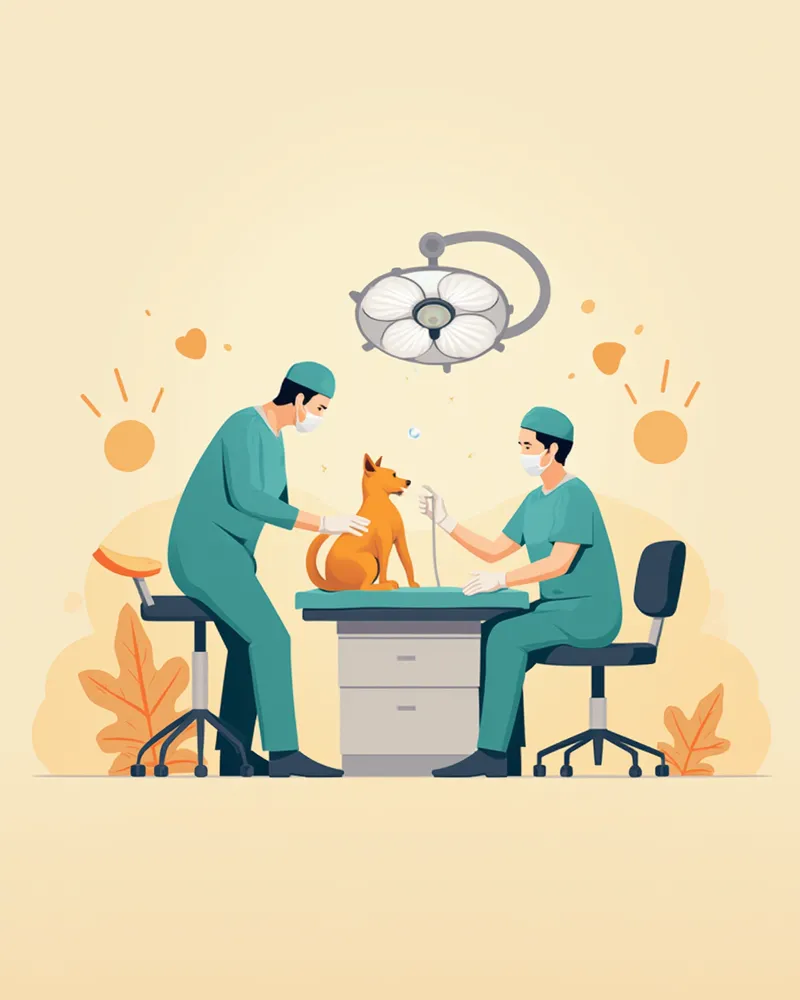
Scene of a femoral head ostectomy surgery in a dog — treatment for Legg-Calvé-Perthes disease

Post-Operative Home Care and Rehabilitation Tips
Post-operative rehabilitation determines both the speed and quality of recovery.
Maintain stability: Rest and restricted activity are essential for a set period immediately after surgery. The affected leg may be supported with a sling (Ehmer sling) for about two weeks to prevent direct weight-bearing, and jumping on stairs or sofas should be avoided.
Gradual rehabilitation: Once pain subsides, gradually increase walking exercises under veterinary guidance to support muscle recovery.
Weight management: Maintaining a healthy weight is crucial, as excess weight places additional stress on the joints.
Pain management: Administer prescribed anti-inflammatory pain medication exactly as directed for the full duration.
Recovery timelines and progress vary depending on the individual pet and surgical outcome, so please follow your veterinarian’s specific instructions.
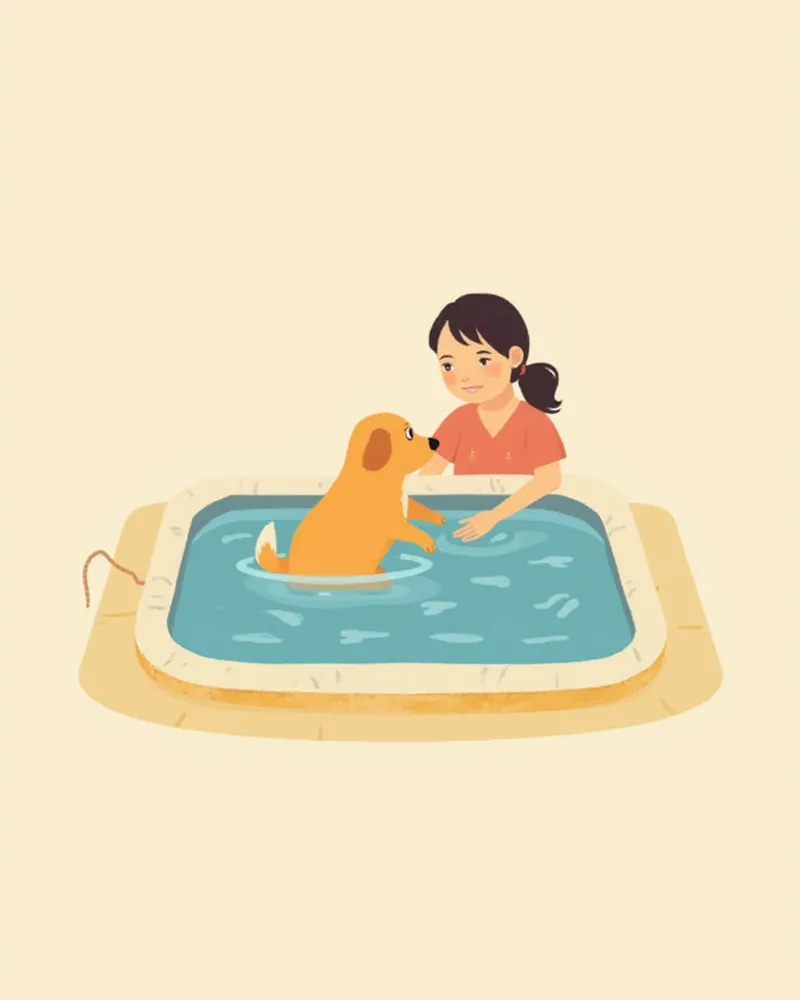
A puppy undergoing aquatic rehabilitation therapy — recovery after surgery for Legg-Calvé-Perthes disease

Pay Special Attention If You Have These Breeds

Legg-Calvé-Perthes disease is particularly common in toy and small breeds such as Yorkshire Terriers, Toy Poodles, Pugs, and West Highland White Terriers. It can also occur in other small breeds like Pomeranians and Maltese. If you own one of these breeds, carefully monitor your dog’s hindlimb gait starting at three months of age, and ask your veterinarian to include a hip joint assessment during routine check-ups.

Reviewed by a veterinarian

Dr. Tony — Punnawat Phongkittirak

Dr. Tony — Punnawat Phongkittirak

Veterinarian

A veterinarian who majored in veterinary medicine at Khon Kaen University, Thailand, and completed the IVSA program at North Carolina State University in the United States. Drawing on clinical experience at animal hospitals, he works in the pet healthcare field and is dedicated to building a digital care environment that connects pet parents with veterinarians.

Frequently Asked Questions

Is surgery absolutely necessary? Can’t it be managed with medication alone?
In the early stages when pain is mild, temporary relief may be possible with anti-inflammatory pain relievers and restricted activity. However, necrotic bone does not heal on its own. Most cases ultimately require surgery, and since small-breed dogs typically have a favorable prognosis for regaining limb function postoperatively, most veterinarians recommend surgical intervention. Relying solely on medication can lead to severe deformity, making future surgery more difficult.
Can my pet make a full recovery after surgery?
Small-breed dogs with lighter body weights tend to adapt well to regaining leg function after surgery. Consistent rehabilitation therapy can significantly improve both the speed and quality of recovery. The first few weeks post-surgery are especially critical for rehabilitation, and continuing muscle management afterward helps maintain long-term health and mobility.
Can it occur in both legs at the same time?
Legg-Calvé-Perthes disease usually affects only one leg, though it can rarely occur in both. Since symptoms may develop in the opposite leg after surgery on one side, it’s important to regularly check both legs.
Is it safe to perform surgery on a young puppy?
Legg-Calvé-Perthes disease typically occurs in puppies between 3 and 13 months of age, so surgery is often performed early in life. In fact, younger dogs tend to have better healing capacity, allowing for a faster rehabilitation process. To ensure safety, we conduct thorough pre-anesthetic evaluations, including blood tests, before proceeding with the surgery.
Is there a way to prevent it?
Since the exact cause remains unclear, there’s no definitive way to prevent it. However, for breeds that are more susceptible, it can help to have the hip joints checked during regular veterinary exams starting early in life, maintain a healthy weight to avoid obesity, and prevent excessive jumping from heights or falls.

Share

Related Guides

References

[1] Piermattei DL, Flo GL, DeCamp CE. Handbook of Small Animal Orthopedics and Fracture Repair. 4th ed. Saunders Elsevier; 2006. Chapter 14: Diseases of the Hip Joint.

[2] Johnston SA, Tobias KM. Veterinary Surgery: Small Animal. 2nd ed. Elsevier; 2018. Chapter 61: Legg-Calvé-Perthes Disease.

[3] Vasseur PB. Legg-Calvé-Perthes Disease. In: Textbook of Small Animal Surgery. 3rd ed. Slatter D (ed). Saunders; 2003. pp. 2264–2269.

[4] Demko J, McLaughlin R. Developmental orthopedic disease. Vet Clin North Am Small Anim Pract. 2005;35(5):1111–1135.

[5] Stigen O, Brinck AL, Indrebo A. Legg-Calvé-Perthes disease in dogs: a review. J Small Anim Pract. 2010;51(12):627–634.

This information is based on veterinary literature and does not replace diagnosis or treatment. Please consult a veterinarian for specific health concerns.

Metapet Co., Ltd. | CEO: Park Sung-yong | Business Reg. No. 417-88-02562 | Seoul, South Korea | Customer Center

Dog Limping on a Hind Leg? Legg-Calvé-Perthes Disease Guide | Meongsiljang