
Struvite Stones in Dogs: Symptoms, Causes, Diagnosis, Treatment, and Management Essentials
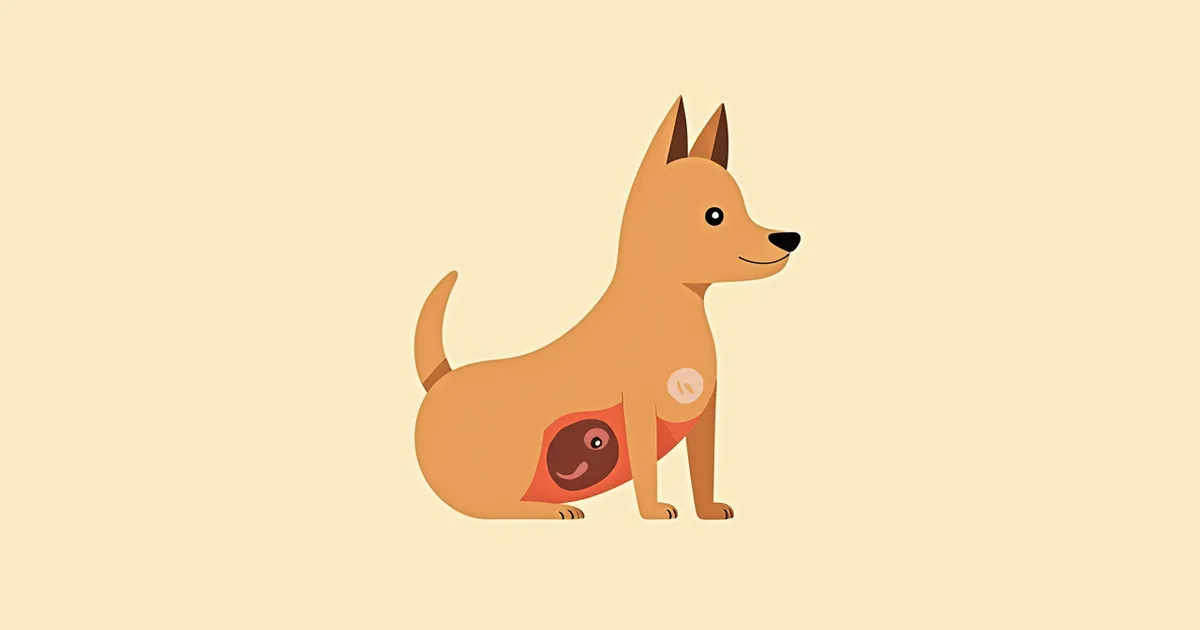
Struvite stones in dogs are crystals formed by the combination of calcium, magnesium, and phosphate in the urinary tract, which can cause difficulty urinating and pain. Early detection and proper management are essential.
What Are Struvite Stones in Dogs?
What Are the Main Causes of Struvite Stones?

Check for Key Symptoms and Warning Signs
Emergency Situations Requiring Immediate Veterinary Care
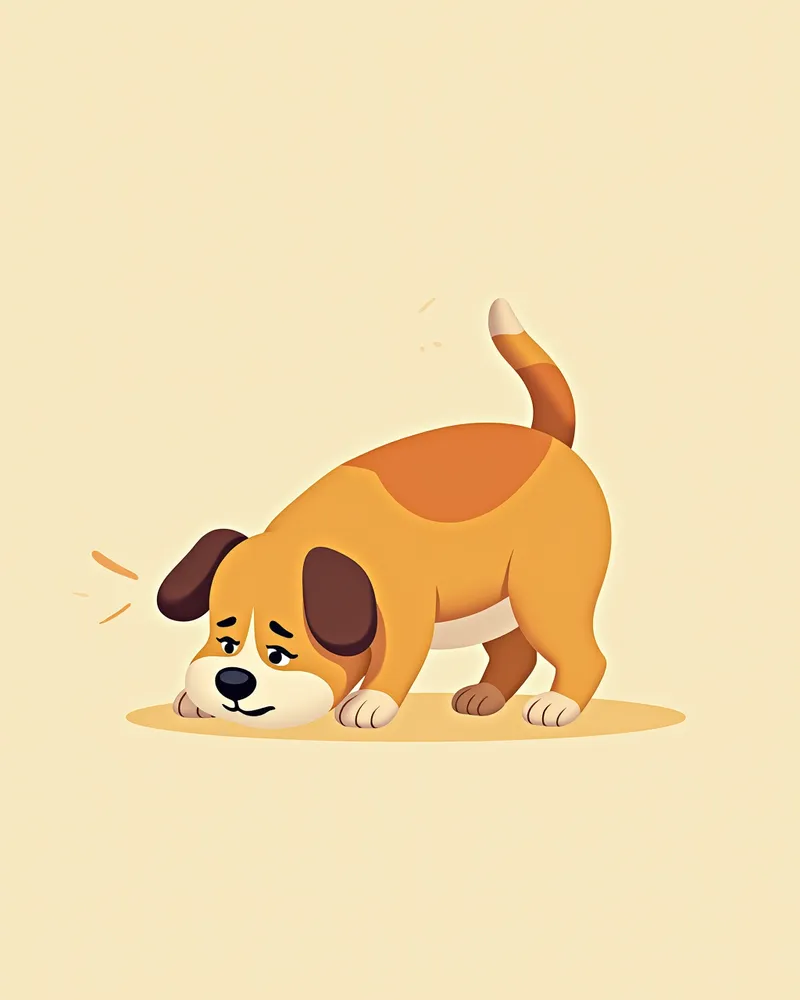
If your pet is unable to urinate at all or shows extreme pain while trying, their urethra—the tube that carries urine from the bladder—may be blocked. A complete blockage prevents any urine from passing, causing severe distress. If not relieved quickly, this condition can become life-threatening, so immediate veterinary care is essential. The risk escalates rapidly when no urine is being passed, so do not delay even for a moment; seek emergency treatment right away.
Diagnostic Tests for Accurate Diagnosis
Treatment Options: Medication, Surgery, and Step-by-Step Dietary Management
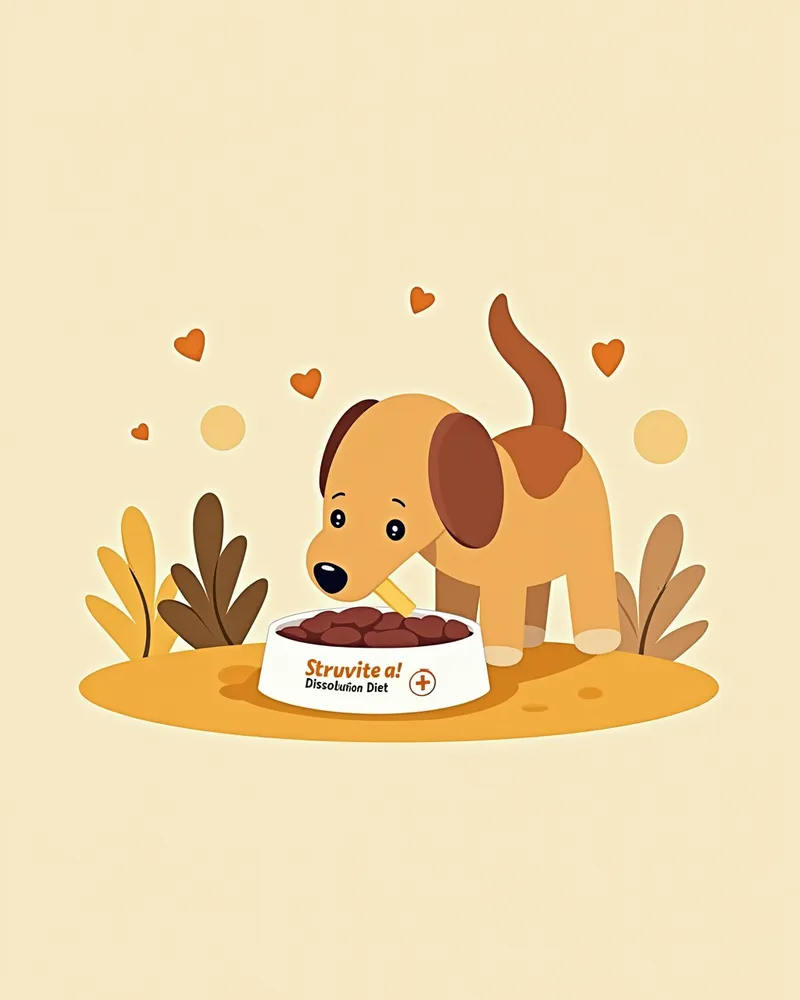
Home Care and Tips to Prevent Recurrence

Certain Breeds Are at Higher Risk of Recurrence
Struvite bladder stones are relatively common in Miniature Schnauzers, Miniature Poodles, Bichon Frises, and Cocker Spaniels. Additionally, they occur more frequently in female dogs, accounting for over 80% of cases. In such situations, preventive measures like specialized diets and regular check-ups can be helpful. It’s best to consult with your veterinarian to develop a long-term management plan.
Reviewed by a veterinarian

Dr. Tony — Punnawat Phongkittirak
VeterinarianA veterinarian who majored in veterinary medicine at Khon Kaen University, Thailand, and completed the IVSA program at North Carolina State University in the United States. Drawing on clinical experience at animal hospitals, he works in the pet healthcare field and is dedicated to building a digital care environment that connects pet parents with veterinarians.
Reviewed 2026-06-29
Frequently Asked Questions
Can struvite bladder stones be completely eliminated?
Can I perform a urine test at home?
Can feeding a special diet cause other health problems?
If a pet develops uroliths (urinary stones), are there any treatment options besides surgery?
Can struvite urinary stones recur?
Share
Related Guides
Top 5 Prescription Diets for Feline FLUTD — Comparison by Struvite and Calcium Oxalate Stones
Top 7 Prescription Diets for Feline Bladder and Urinary Tract Health Recommended by Veterinarians — Including Selection Criteria

Top 5 Cranberry Urinary Supplements for Dogs — Preventing Cystitis
If You Feel a Lump on Your Cat’s Neck — Diagnosis and Treatment Points for Thyroid Nodules and Cysts
My Cat Is Acting Strange After Giving Birth — Warning Signs and Management of Hormonal Abnormalities During Pregnancy and Lactation
Cats Drinking Excessive Water — Causes of Hypercalcemia and When to Visit the Vet
Feline Diabetes: Symptoms, Causes, Diagnosis, Treatment, and Management Essentials
Why Is My Cat Licking Its Hair Out? — Causes and Treatment Timing for Psychogenic Alopecia
If Your Cat’s Hunting Instinct Is Too Strong — Causes of Excessive Expression and Management Points

If You Applied Dog Medication to a Cat — Permethrin Toxicity Symptoms and Emergency Response Timing
References
[1] Plumb's Veterinary Drug Handbook, 9th Edition, 2022. Wiley-Blackwell.
[2] Feldman, B. F., & Nelson, R. W. (2013). Canine and Feline Nephrology and Urology. Elsevier Health Sciences.
[3] American College of Veterinary Internal Medicine (ACVIM). (2021). Consensus Statement on Urinary Tract Stones in Dogs. Journal of Veterinary Internal Medicine, 35(4), 1234–1245.