Like
Share
멍실장
강아지 포도막염 증상과 원인, 진단·치료와 관리 포인트 총정리

If Your Dog’s Eyes Are Red and Cloudy — Uveitis Symptoms and When to See a Vet

Eye HealthDiseasesMeongsiljang Veterinary Advisory Board

Canine uveitis is an eye condition characterized by inflammation of the vascular layer inside the eye. If not treated early, it can lead to cataracts, glaucoma, and blindness, so it's essential to visit a vet as soon as symptoms are noticed.

What Is Canine Uveitis?
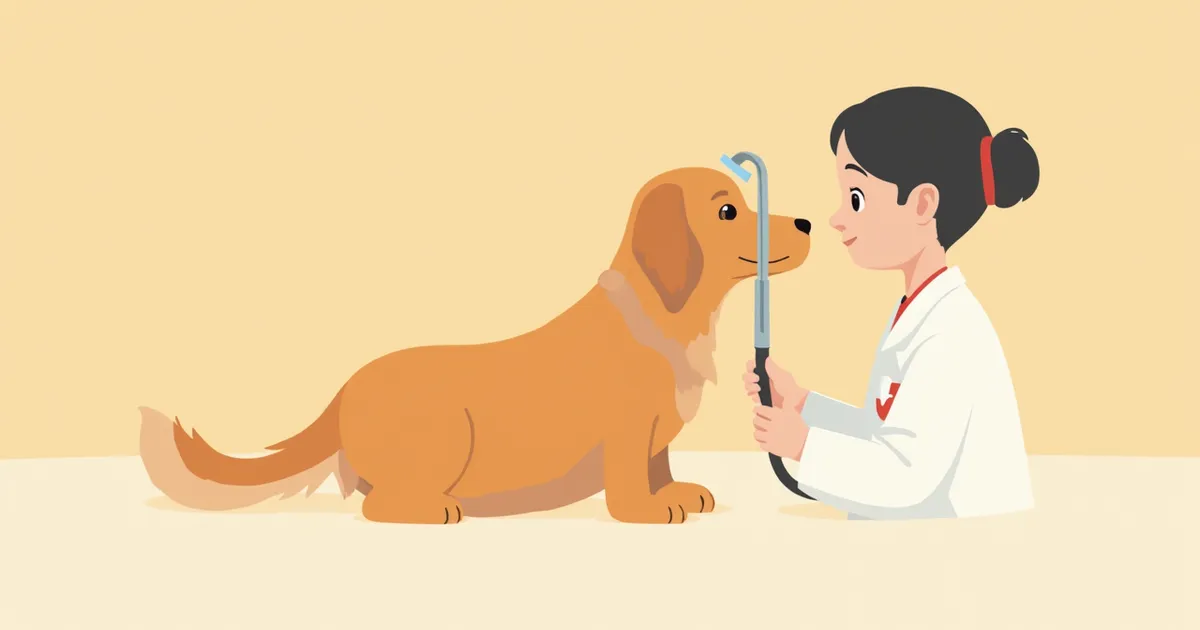
A puppy undergoing an eye examination by a veterinarian
Canine uveitis is an eye condition characterized by inflammation of the uvea, the vascular layer inside the eye, which includes the iris, ciliary body, and choroid. The uvea forms the "blood-ocular barrier," which prevents proteins from leaking into the aqueous humor. When uveitis occurs, this barrier breaks down, allowing inflammation to spread within the eye. Prompt action is crucial. If left untreated, uveitis can lead to cataracts, glaucoma, retinal detachment, and ultimately vision loss or blindness. If you notice sudden redness in the eye, severe light sensitivity, or difficulty opening the eye, seek veterinary care as soon as possible.

5 Main Causes of Uveitis

Uveitis can be broadly categorized into five main causes.
Infectious: Bacteria such as Leptospira, Ehrlichia, Rickettsia, and Borrelia; protozoa like Toxoplasma; viruses including canine adenovirus type 1 and parvovirus; and fungi can all affect the eye.
Immune-mediated: This occurs when the immune system mistakenly attacks the eye tissues.
Lens-induced: This happens when cataracts (particularly those that progress rapidly, such as in diabetic cases) cause lens proteins to leak out, triggering inflammation.
Traumatic: This results from direct impact to the eye or the presence of foreign bodies.
Idiopathic: This refers to cases where no specific cause can be identified despite testing. It is known to be the most common cause of uveitis in dogs and cats.

Symptom Checklist You Must Not Miss

If you notice any of the following symptoms, suspect uveitis and seek prompt veterinary evaluation.
Redness of the eye: The sclera (white part) or conjunctiva appears red and inflamed.
Photophobia and squinting: The pet avoids bright light or blinks frequently.
Miosis: The pupil is abnormally constricted.
Corneal opacity: The eye appears cloudy or has a bluish haze.
Increased tearing and discharge: There is noticeably more tearing than usual.
Ocular pain and enophthalmos: The eye is painful to touch or appears sunken into the socket.
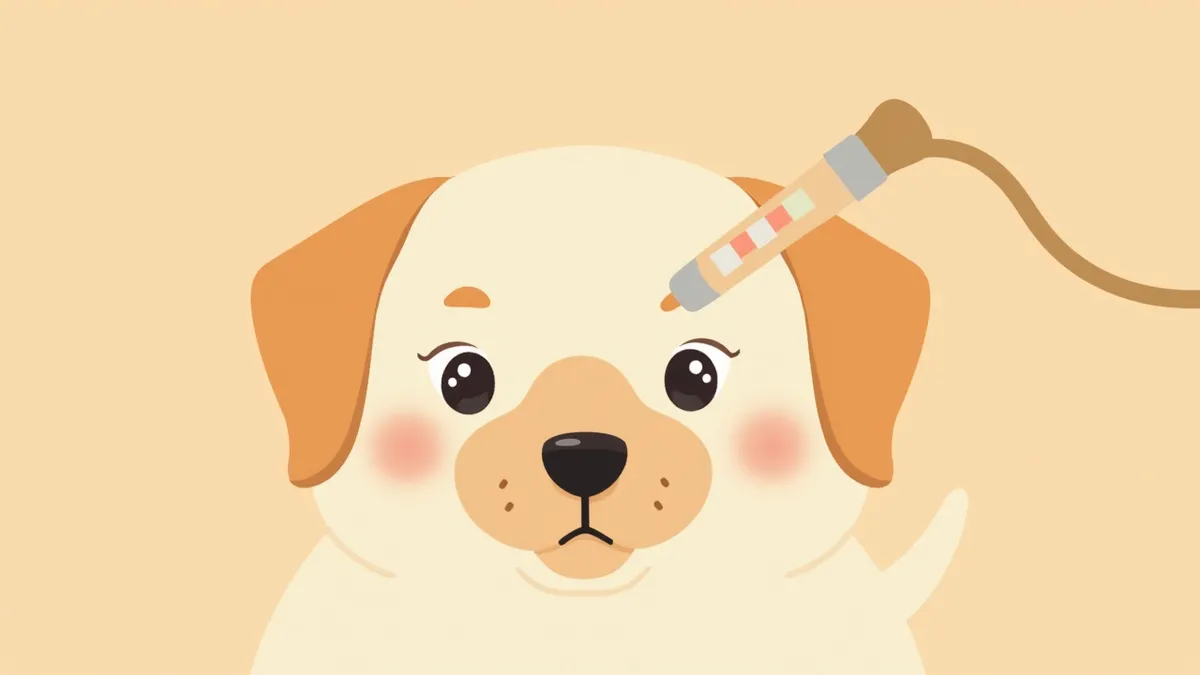
A close-up of a puppy’s eye showing signs of uveitis

Situations Requiring Immediate Emergency Veterinary Care

If any of the following symptoms are present, seek emergency veterinary care as soon as possible: sudden bulging or enlargement of the eye (which may indicate elevated intraocular pressure and progression of glaucoma), complete whitening and clouding of the cornea, or an inability to open the eye at all. Uveitis frequently progresses to secondary glaucoma, and when glaucoma is present, vision loss can advance rapidly; therefore, prompt treatment is essential.

Diagnosis — What Tests Will Be Performed?

Diagnosing uveitis involves both specialized eye exams and a full-body checkup.
Slit-lamp examination: This helps us assess inflammation and cloudiness in the front part of the eye.
Intraocular pressure measurement: This allows us to quickly determine if glaucoma is developing.
Fundus examination: This lets us check for damage to the blood vessel layer (choroid) inside the eye.
Blood and urine tests: These help identify infectious causes such as Leptospira or Ehrlichia.
If the cause remains unclear, we may also perform additional tests like chest X-rays or abdominal ultrasounds.

Treatment — Approaches Vary by Underlying Cause
Treatment for uveitis varies depending on the underlying cause and severity.
Anti-inflammatory medications: Steroid or non-steroidal anti-inflammatory drugs are administered as eye drops, and if necessary, systemically (orally or via injection). In particular, systemic steroids may be more effective because they penetrate inflamed uveal tissue more effectively. Topical anti-inflammatory drops form the foundation of treatment.
Immunomodulators: For immune-mediated cases or when long-term management is required, immunomodulators such as azathioprine or cyclosporine may be used in combination.
Mydriatic eye drops (pupil dilation): Medications that dilate the pupil may be used to relieve pain and prevent adhesions.
Systemic antibiotics or antifungals: If an infectious cause is confirmed, treatment is tailored to that specific pathogen.
Glaucoma medications or surgery: If secondary glaucoma develops, medications to lower intraocular pressure or surgical intervention may be considered.
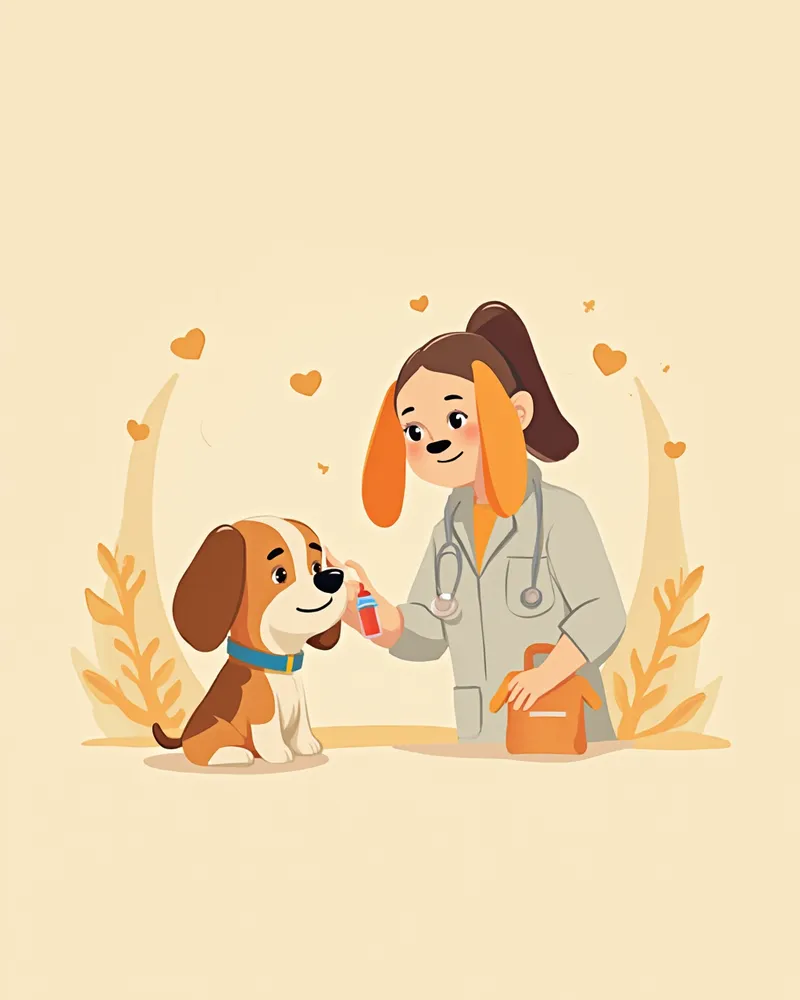
A veterinarian administering eye drops to a puppy

Home Care Tips

How you care for your pet at home during treatment can significantly impact their recovery speed.
Stick to the eye drop schedule: Follow the intervals prescribed by your veterinarian exactly. Missing even one dose can cause the inflammation to worsen.
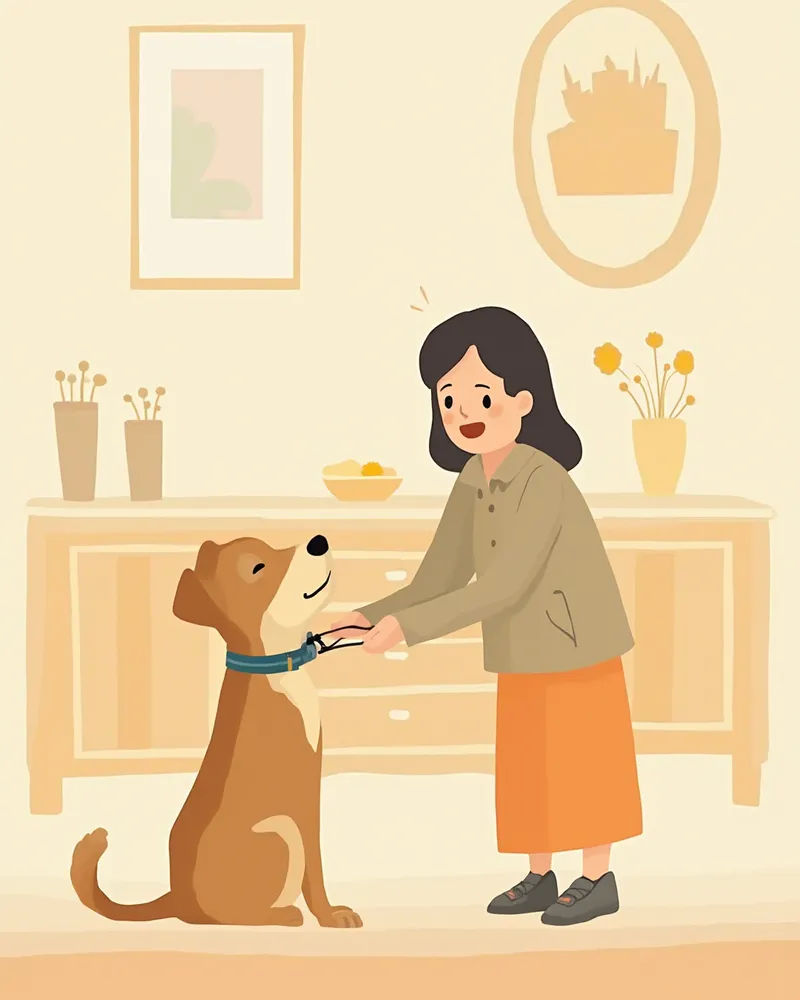
Use an Elizabethan collar (cone): Always keep the cone on to prevent your dog from scratching their eyes with their paws.
Reduce bright light: Avoid direct sunlight and strong indoor lighting to give your pet’s eyes a chance to rest.
Keep a symptom diary: Note any changes in eye color, discharge, or behavior, and share this information with your vet at the next visit.
A pet owner putting an Elizabethan collar on their dog at home

Breeds That Require More Frequent Monitoring

Uveodermatologic syndrome (UDS), which is similar to Vogt-Koyanagi-Harada (VKH) disease in humans, is a hereditary condition in which the immune system attacks melanin-containing tissues, causing simultaneous problems in the eyes (anterior uveitis, chorioretinitis, or panuveitis) and the skin. Golden Retrievers, Akitas, Siberian Huskies, and Jindo dogs are known to be predisposed breeds. If you notice depigmentation (vitiligo) of the skin around the eyes, mouth, nasal mucosa, or footpads, or whitening of the hair (poliosis) along with ocular signs, this condition should be suspected. Diagnosis takes into account both signalment (breed information) and clinical findings, so regular ophthalmic examinations are recommended for these predisposed breeds.

Reviewed by a veterinarian

Dr. Tony — Punnawat Phongkittirak

Dr. Tony — Punnawat Phongkittirak

Veterinarian

A veterinarian who majored in veterinary medicine at Khon Kaen University, Thailand, and completed the IVSA program at North Carolina State University in the United States. Drawing on clinical experience at animal hospitals, he works in the pet healthcare field and is dedicated to building a digital care environment that connects pet parents with veterinarians.

Frequently Asked Questions

Can uveitis be completely cured?
If the underlying cause is accurately identified and eliminated, your pet can recover to near-complete health. However, immune-mediated or idiopathic (cause unknown) uveitis carries a risk of recurrence, so long-term management and regular check-ups are essential.
My pet’s eyes have become cloudy. Should I take them to the vet right away?
Yes, you need to come in today. Corneal clouding can be caused by a variety of conditions beyond uveitis, including glaucoma, keratitis, and cataracts, all of which require prompt treatment.
How often does uveitis lead to blindness?
If treatment is delayed or the condition recurs, it can progress to cataracts, glaucoma, or retinal detachment, potentially leading to blindness. On the other hand, early detection and proactive treatment significantly increase the chances of preserving vision.
It’s really hard to put eye drops in at home. What should I do?
Position your dog in a corner or against a wall, gently stabilize their head with one hand, and administer the medication from above—this approach tends to be relatively straightforward. Asking your veterinarian or veterinary technician to demonstrate the technique during your first visit can significantly reduce the likelihood of mistakes.
Can the leptospirosis vaccine also help prevent uveitis?
Leptospirosis is one of the infectious causes that can lead to uveitis. Vaccination can help reduce the risk of leptospirosis infection, thereby lowering the likelihood of leptospirosis-induced uveitis. However, since uveitis has many different causes, vaccination alone cannot prevent all cases. Therefore, it is important to have regular ophthalmic examinations to detect early signs of the disease promptly.

Share

Related Guides

References

[1] Gelatt KN, Gilger BC, Kern TJ. Veterinary Ophthalmology, 5th Edition. Wiley-Blackwell, 2013.

[2] Maggs DJ, Miller PE, Ofri R. Slatter's Fundamentals of Veterinary Ophthalmology, 6th Edition. Elsevier, 2021.

[3] Hendrix DVH. Diseases and Surgery of the Canine Anterior Uvea. In: Gelatt KN, ed. Veterinary Ophthalmology, 5th ed. Wiley-Blackwell, 2013.

This information is based on veterinary literature and does not replace diagnosis or treatment. Please consult a veterinarian for specific health concerns.

Metapet Co., Ltd. | CEO: Park Sung-yong | Business Reg. No. 417-88-02562 | Seoul, South Korea | Customer Center

Dog's Eyes Red and Cloudy? Uveitis Signs & When to See a Vet | Meongsiljang