

Feline Roundworm Infection: Symptoms, Transmission Routes, and Treatment & Prevention Guide
Feline roundworm infection is an internal parasitic disease caused by Toxocara cati, which lives in the small intestine. It can cause vomiting, diarrhea, and abdominal distension in kittens. Regular deworming and fecal exams can help prevent and detect the condition early.
What is Feline Roundworm Infection?
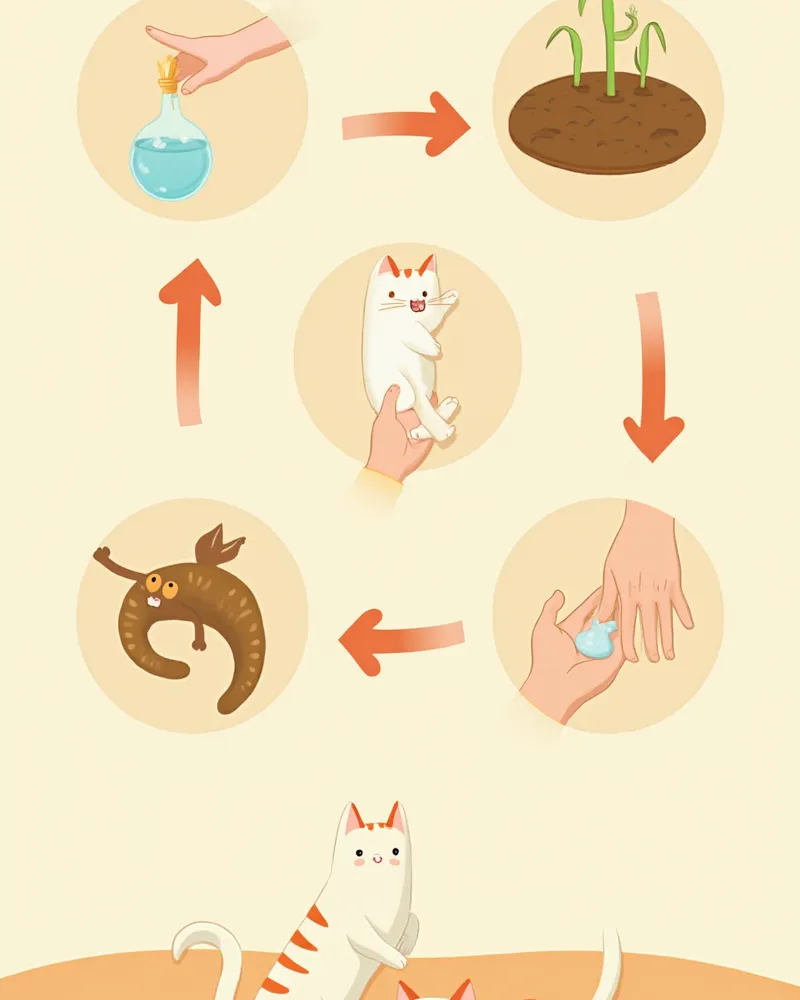
How Do Cats Get Infected? — 3 Main Transmission Routes
Key Symptoms Checklist
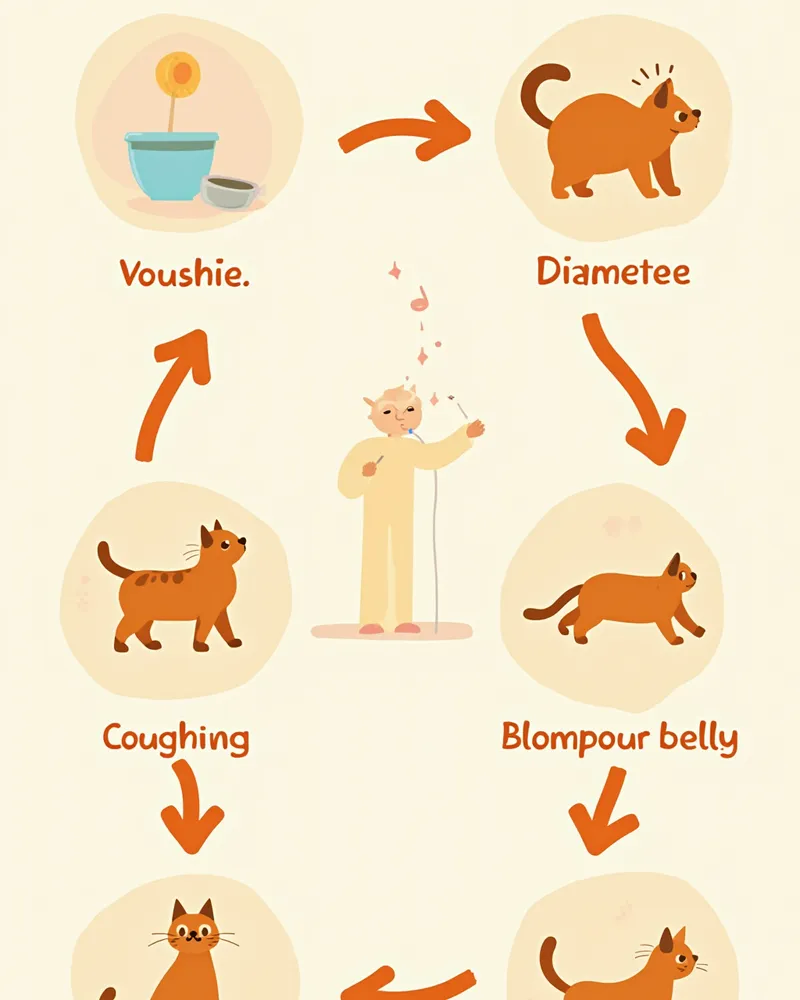
Seek Veterinary Care Immediately If You See These Symptoms
If vomiting or diarrhea persists for more than 24 hours, or if you actually see white, thread-like parasites in the vomit or stool, you should seek veterinary care immediately. Kittens are at risk because dehydration and hypoglycemia can progress rapidly, so delays can be dangerous.
Diagnostic Methods — How Is It Confirmed at the Clinic?
Treatment — Types of Deworming Medications Prescribed by Veterinarians
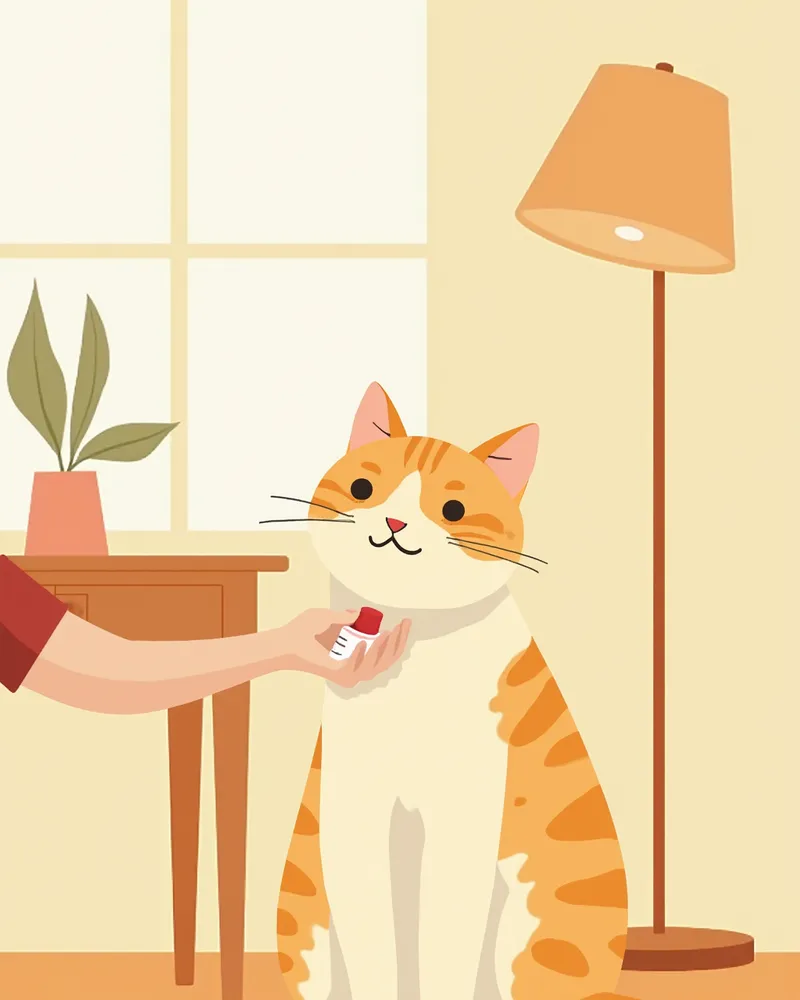
Home Care and Management
Regular Deworming Schedule to Prevent Reinfection
Start deworming kittens at three weeks of age, repeating every two weeks until they are eight weeks old, and then continue monthly until they reach six months. For adult cats, deworm every three to six months if they live strictly indoors; if they go outdoors or live in a multi-cat household, consult your veterinarian about a three-month interval. Aligning deworming with the vaccination schedule helps ensure you don’t miss any treatments.
Zoonotic Risk — It Can Also Infect Humans
Reviewed by a veterinarian

Dr. Tony — Punnawat Phongkittirak
VeterinarianA veterinarian who majored in veterinary medicine at Khon Kaen University, Thailand, and completed the IVSA program at North Carolina State University in the United States. Drawing on clinical experience at animal hospitals, he works in the pet healthcare field and is dedicated to building a digital care environment that connects pet parents with veterinarians.
Reviewed 2026-05-29
Frequently Asked Questions
Can even indoor-only cats get infected with roundworms?
I found roundworms in my pet’s stool after giving dewormer. Is this normal?
Can deworming the mother cat prevent the transmission of parasites to her kittens?
What should people who live with a cat that has roundworms do?
How often should I give deworming medication for roundworms?
Share
Related Guides

5 Flea and Tick Preventives for Cats Recommended by Veterinarians — Ingredient Safety Comparison

The Ultimate Guide to Differentiating Symptoms, Managing Internal Parasites in Dogs, and Choosing the Best Products

Best Practices and Selection Criteria for Dog Heartworm Antigen Testing

My Dog Ate Grapes — Signs of Nephrotoxicity Leading to Kidney Failure Requiring Immediate Veterinary Care

My Dog Won’t Drink Water — Dehydration and Acute Kidney Injury, When to Go to the Vet
How Fast Is My Dog’s Kidney Disease Progressing? — Monitoring CKD Progression and Management Points

My Puppy Has a Fever and Back Pain — From Pyelonephritis Symptoms to Treatment

Sudden Urine and Appetite Changes in Your Dog — Causes of Acute Kidney Injury and When to Seek Emergency Care
Complete Guide to Feline Renal Ultrasound — From Timing to Result Interpretation

When to Use Feline Kidney Supplements — Omega-3 Effects and Feeding Tips
References
[1] Maddison JE et al., Clinical Medicine of the Dog and Cat, 4th Edition, CRC Press, 2022
[2] Little SE (ed.), The Cat: Clinical Medicine and Management, 2nd Edition, Elsevier Saunders, 2022
[3] Bowman DD (ed.), Principles and Practices of Canine and Feline Clinical Parasitic Diseases, Wiley-Blackwell, 2021
[4] Companion Animal Parasite Council (CAPC), Toxocara cati Parasite Guidelines, 2023
[5] Birchard SJ & Sherding RG (eds.), The Veterinary Workbook of Small Animal Clinical Cases, Elsevier, 2020