Like
Share
멍실장
강아지 소금중독 증상과 응급 대처법, 위험 섭취량과 예방까지 총정리

Did My Dog Eat Too Much Salt? — From Poisoning Warning Signs to First Aid and Prevention

Emergency/ToxicityDiseasesMeongsiljang Veterinary Advisory Board

Salt toxicity in dogs is an emergency condition caused by excessive sodium intake, leading to neurological damage. Our veterinary advisory team has compiled essential information, including weight-based risk thresholds for sodium consumption, emergency first-aid steps you can take at home, and the treatment process at an animal hospital.

What Is Salt Poisoning in Dogs?
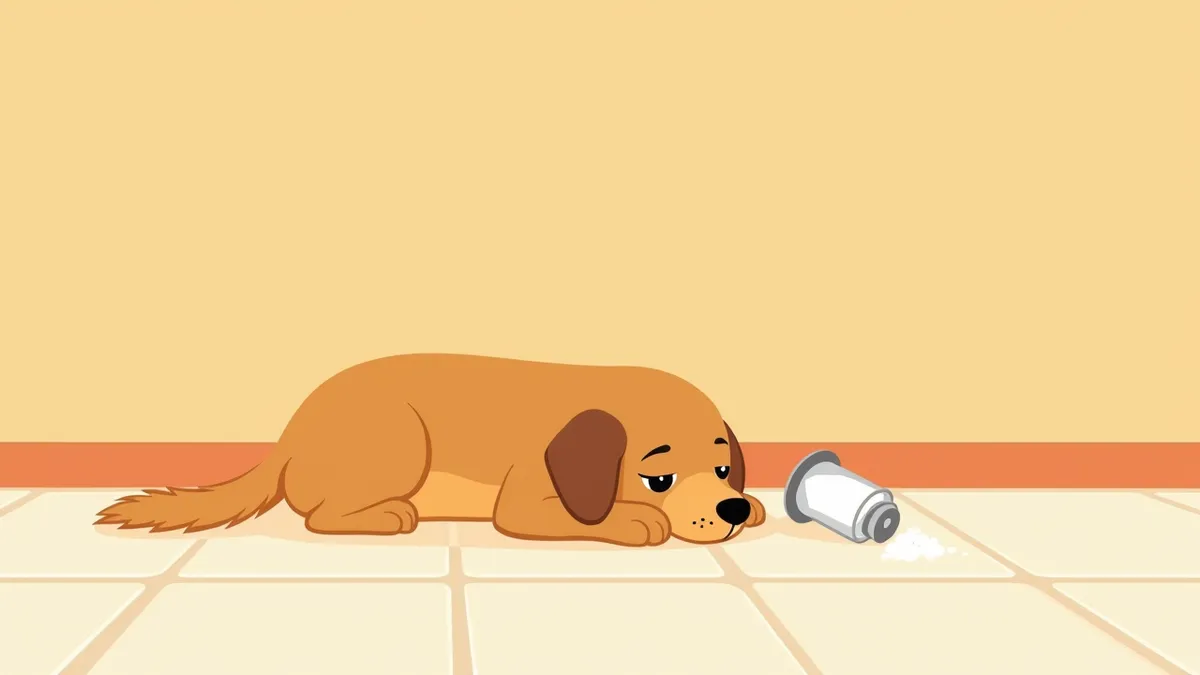
A puppy slumped near the salt
Sodium toxicosis in dogs is an emergency condition caused by excessive sodium intake, which disrupts the body’s electrolyte balance and damages the nervous system and cells. Speed is critical. If not treated within hours of ingestion, the condition can rapidly worsen, leading to cerebral edema and seizures. If your dog has consumed ramen broth, soy sauce, salty snacks, or licked a salt block and is experiencing severe vomiting or excessive thirst, seek immediate veterinary care.

These Foods Are Dangerous — Main Causes of Salt Poisoning

Instant noodles and processed foods: A single package contains about 5 grams of salt, which can be immediately dangerous for small dogs.
Soy sauce, fermented soybean paste, and chili paste: These concentrated sources of sodium can cause an overload even in small amounts.
Salty snacks, popcorn, and cheese: Their bite-sized nature makes it easy for pets to consume large quantities.
Seawater and rock salt blocks: Pets may lick or drink these during outdoor activities.
Salt dough decorations: Chewing and swallowing these can lead to high salt intake and pose a risk of poisoning.

Key Symptom Checklist — Watch Out for These Signs
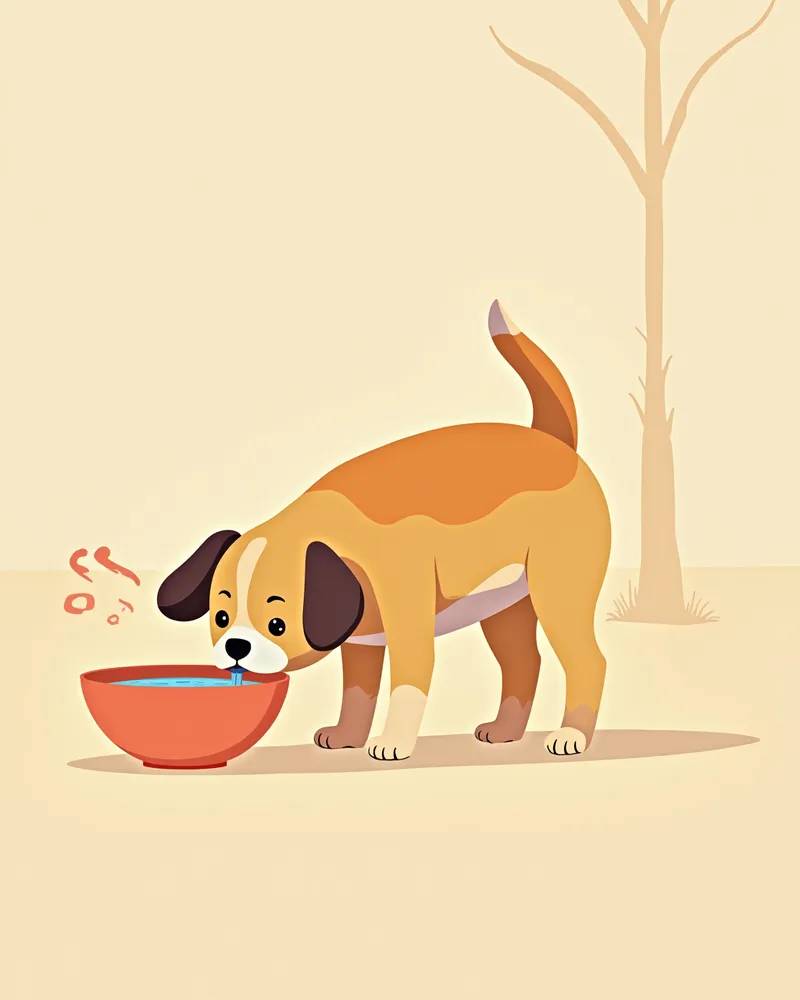
Symptoms of salt poisoning develop in stages, depending on the amount ingested and the time elapsed. Although early signs may appear mild, the condition can deteriorate rapidly.
Excessive thirst and frequent urination: These are typically the first warning signs.
Vomiting and diarrhea: This occurs as the gastrointestinal tract attempts to expel excess sodium.
Muscle cramps and whole-body tremors: Electrolyte imbalances begin to impair muscle control.
Staggering and loss of directional sense: These indicate that the brain is being affected.
Seizures and coma: This is a critical stage requiring immediate emergency treatment.
A dog showing signs of salt poisoning by drinking excessive amounts of water

Signs That Require an Immediate Trip to the Emergency Room

If you notice any neurological or gastrointestinal symptoms such as seizures, decreased consciousness, generalized rigidity (muscle stiffness), or repeated vomiting, take your pet to an emergency veterinary clinic immediately. Symptoms of salt poisoning typically appear 30 to 45 minutes after ingestion, but in some cases, they may manifest several hours later. Therefore, even if your pet seems fine initially, neurological symptoms like cerebral edema can develop over time. If a large amount was ingested, it is safest to visit the clinic on the same day for observation and hospitalization for at least 12 hours to monitor blood sodium levels, even if no symptoms are present.

How Much Is Dangerous? — Weight-Based Toxicity Thresholds
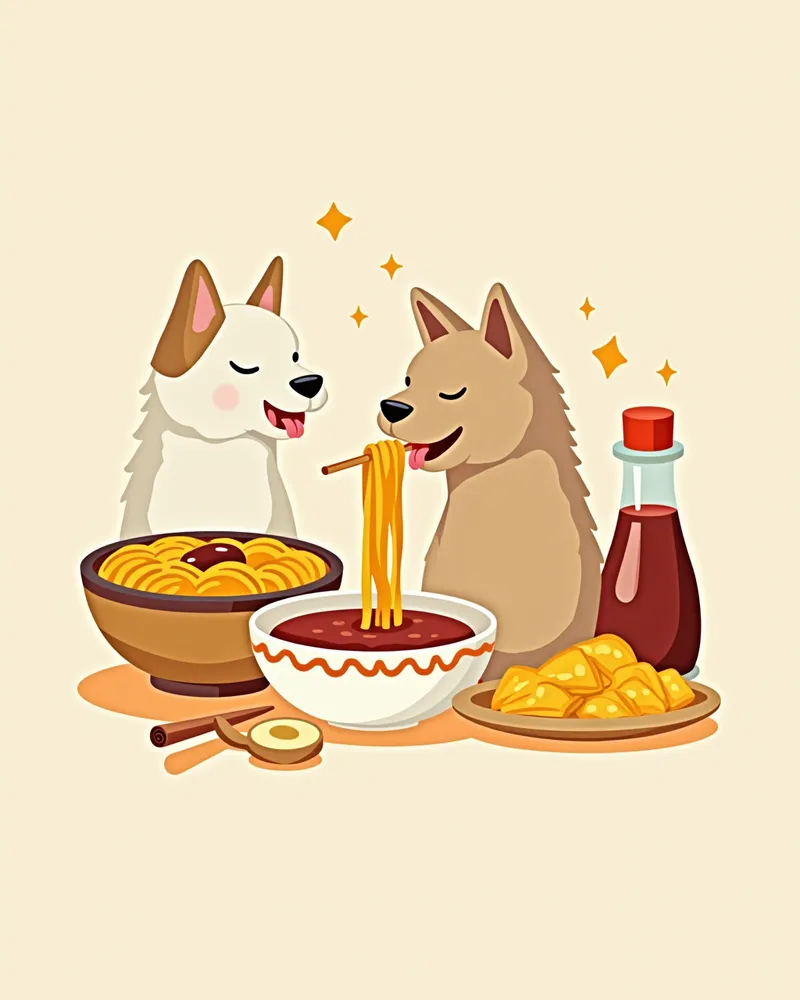
The lethal dose of salt (NaCl) for dogs is approximately 4 grams per kilogram of body weight, but toxic symptoms can appear at lower levels, starting around 2–3 grams per kilogram. This means a 5 kg small-breed dog enters the danger zone at about 10–15 grams of salt (with a lethal dose of roughly 20 grams), and a 10 kg medium-breed dog at about 20–30 grams (with a lethal dose of roughly 40 grams). Symptoms can begin with surprisingly small amounts. If you suspect your dog has eaten salty food or a salt block, try to estimate the exact amount consumed. If you think they may have ingested even a slightly large amount, it is safest to contact your veterinarian immediately, even if no symptoms are present. For reference, one tablespoon of pure salt weighs about 17.85 grams, so even a small quantity can approach toxic levels.
A collection of high-sodium foods that are dangerous for dogs

How Is It Treated at the Animal Hospital?

Blood tests are used to check sodium levels in the blood. If toxicity is confirmed, intravenous fluids are administered to gradually and safely lower sodium concentrations. Correcting sodium levels too quickly can cause or worsen cerebral edema, so veterinarians carefully adjust the rate of sodium reduction per hour based on whether the condition is acute (within 48 hours) or chronic (more than 48 hours), typically keeping the decrease within 0.5–2.0 mEq/L per hour. If neurological symptoms worsen during treatment, cerebral edema is suspected, and additional interventions are provided. Seizures are managed with anticonvulsants, and hospitalization focuses on fluid management that includes calculating free water deficit, frequent sodium rechecks, and correcting electrolyte and acid-base imbalances.

Emergency First Aid You Can Do at Home
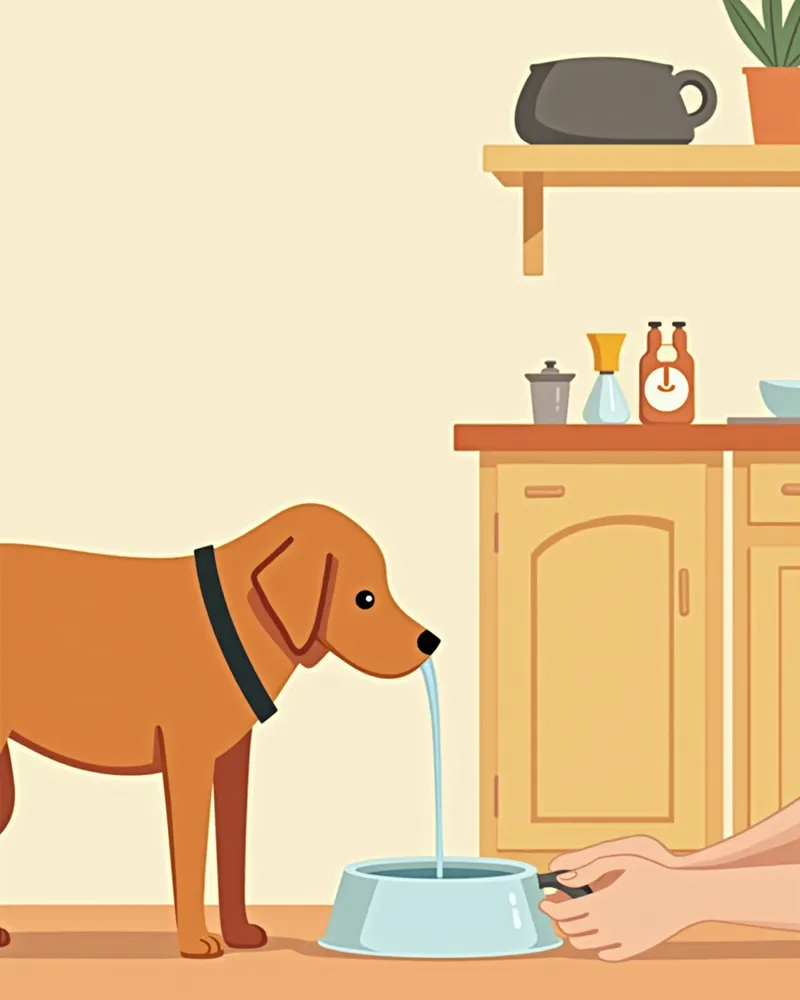
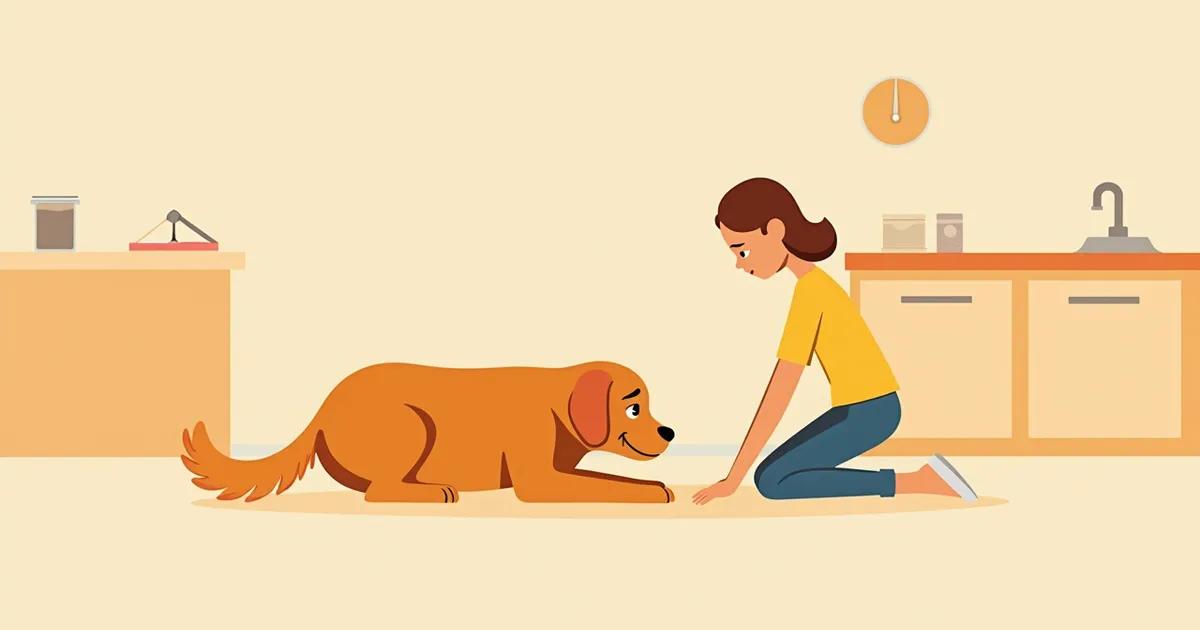
If your pet has consumed a large amount of salt, offer small amounts of fresh water gradually. Allowing them to drink a large volume all at once can be dangerous. Write down the name, quantity, and time of ingestion, and share this information with the veterinarian. Even if no symptoms are present, we recommend visiting the clinic on the same day if the ingested amount was significant. Avoid inducing vomiting or attempting any other home remedies without veterinary guidance.
A pet owner giving a small amount of water as an emergency response after salt ingestion

3 Mistakes to Absolutely Avoid

1. Do not induce vomiting — If symptoms are already present, inducing vomiting increases the risk of aspiration pneumonia. 2. Do not give large amounts of water at once — Providing excessive water all at once can rapidly dilute sodium levels, potentially worsening cerebral edema. 3. Do not simply observe under the assumption that the pet seems fine — Even if a pet appears normal in the early stages of salt poisoning, their condition can deteriorate suddenly within a few hours.

Reviewed by a veterinarian

Dr. Tony — Punnawat Phongkittirak

Dr. Tony — Punnawat Phongkittirak

Veterinarian

A veterinarian who majored in veterinary medicine at Khon Kaen University, Thailand, and completed the IVSA program at North Carolina State University in the United States. Drawing on clinical experience at animal hospitals, he works in the pet healthcare field and is dedicated to building a digital care environment that connects pet parents with veterinarians.

Frequently Asked Questions

My dog ate one or two salty snacks. Should I take him to the vet right away?
For small dogs (under 5 kg), we recommend visiting the clinic the same day. For medium-sized dogs and larger, monitor for excessive thirst, vomiting, or unsteadiness for one hour, and head to the clinic immediately if any of these symptoms appear. If the amount ingested is large or you’re feeling anxious, it’s a good idea to call your veterinary clinic for advice first.
Shouldn't I induce vomiting at home to get the ingested substance out?
Salt toxicity is caused by sodium that has already been absorbed into the body, so inducing vomiting at home is largely ineffective. In fact, if symptoms are already present, inducing vomiting can increase the risk of aspiration pneumonia. Activated charcoal also does not effectively bind to sodium and offers little benefit. It is much safer to have your pet evaluated at a veterinary clinic, where blood sodium levels can be monitored and corrected gradually and safely through intravenous fluid therapy.
Can salt poisoning leave lingering effects even after recovery?
With prompt treatment, most pets make a full recovery. However, if the seizures or brain swelling were severe, neurological sequelae such as cognitive decline or recurrent seizures may persist. Please closely monitor your pet’s progress after hospitalization, following your veterinarian’s instructions.
Is it safe for my dog’s food to contain salt?
You don’t need to worry. Dog food is formulated with the appropriate amount of sodium your pet needs. The real concern is foods with excessively high sodium levels, like many human foods. As long as you feed your dog the recommended amount of their regular diet, you won’t have to worry about sodium deficiency or excess.
What is the key to preventing salt poisoning?
It is most important to never share human food with your dog during meals. Keep ramen, soy sauce, salty snacks, and salt blocks out of your dog’s reach. When outdoors, keep a close eye on your dog to prevent them from drinking seawater.

Share

Related Guides

References

[1] Osweiler GD et al., Blackwell's Five-Minute Veterinary Consult Clinical Companion: Small Animal Toxicology, 3rd Edition, Wiley-Blackwell, 2016

[2] Schaer M, Clinical Medicine of the Dog and Cat, 4th Ed, CRC Press, 2022

[3] Plumb DC, Plumb's Veterinary Drug Handbook, 10th Ed, Wiley-Blackwell, 2023

This information is based on veterinary literature and does not replace diagnosis or treatment. Please consult a veterinarian for specific health concerns.

Metapet Co., Ltd. | CEO: Park Sung-yong | Business Reg. No. 417-88-02562 | Seoul, South Korea | Customer Center

Did My Dog Eat Too Much Salt? Warning Signs & First Aid | Meongsiljang