

Sudden Proteinuria in Your Dog — Causes and Treatment Timing for Renal Amyloidosis
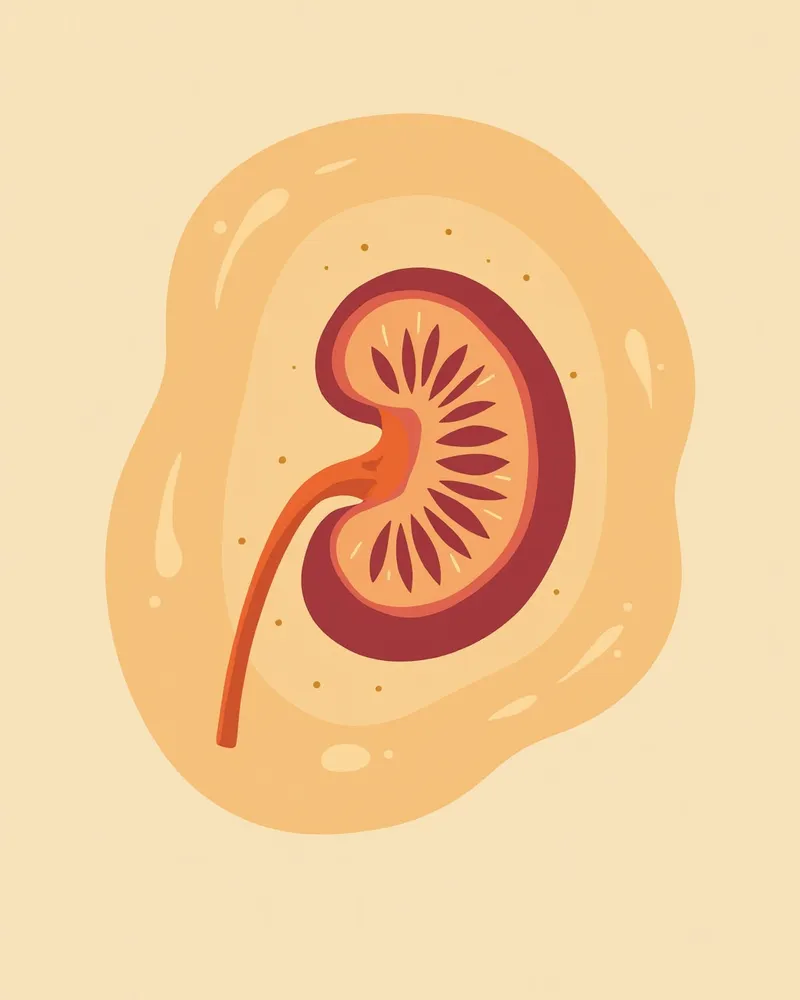
Canine renal amyloidosis is a rare condition in which abnormal proteins accumulate in the kidneys, impairing their function. Early detection and proper management are crucial for extending survival time.
What Is Canine Renal Amyloidosis?

Main Causes and Pathogenesis
Key Symptoms and Warning Signs
Symptoms Requiring Immediate Veterinary Care
If your dog suddenly loses its appetite, vomits repeatedly, stops urinating altogether, or becomes lethargic and disoriented, these are signs of a rapid decline in kidney function. You should seek veterinary care immediately.
Accurate Diagnostic Methods
Treatment Options and Step-by-Step Management
At-Home Care Points

Breed-Specific Precautions and Prevention of Recurrence
Certain breeds, particularly Shar-Peis, Beagles, and English Foxhounds, are reported to be more susceptible to renal amyloidosis. Shar-Peis may present with a history of fever and joint swelling, especially in the hocks. Early screening is essential for dogs with genetic or familial predispositions, and regular kidney function tests are recommended for those with a family history of the condition.
Reviewed by a veterinarian

Dr. Tony — Punnawat Phongkittirak
VeterinarianA veterinarian who majored in veterinary medicine at Khon Kaen University, Thailand, and completed the IVSA program at North Carolina State University in the United States. Drawing on clinical experience at animal hospitals, he works in the pet healthcare field and is dedicated to building a digital care environment that connects pet parents with veterinarians.
Reviewed 2026-06-05
Frequently Asked Questions
Is canine renal amyloidosis hereditary?
Can this disease be cured?
How should I adjust my pet’s diet?
What should I do if my pet’s urine output decreases?
What happens if I miss a dose of medication?
Share
Related Guides

Top 5 Prescription Diets for Cats with Chronic Kidney Disease — Stage-Specific Protein Adjustment

7 Emergency Signs and Causes of Acute Kidney Failure in Dogs You Must Not Miss

Top 5 Cat Kidney Supplements Recommended for 2026

Feline Urethrostomy and Ureteral Transplant Surgery: Symptoms, Causes, Diagnosis, Treatment, and Key Management Points

Feline Hypertension and Proteinuria: Symptoms, Causes, Diagnosis, Treatment, and Management Essentials

Feline Lower Urinary Tract Disease (FLUTD): Symptoms, Causes, Diagnosis, Treatment, and Management Essentials

Feline Dysuria (Stranguria): Symptoms, Causes, Diagnosis, Treatment, and Management Essentials

Feline Calcium Oxalate Uroliths: Symptoms, Causes, Diagnosis, Treatment, and Management Essentials

Feline Bladder Polyps and Growths: Symptoms, Causes, Diagnosis, Treatment, and Management Essentials

Feline Amyloid Nephropathy: Symptoms, Causes, Diagnosis, Treatment, and Management Essentials
References
[1] Klein, M. et al. (2021) Canine Renal Amyloidosis: A Retrospective Study of 45 Cases. Journal of Veterinary Internal Medicine, 35(3), 1234–1242.
[2] Plumb's Veterinary Drug Handbook, 9th Edition. (2022). Wiley-Blackwell.
[3] The Cat and Dog Clinical Medicine and Management, 2nd Edition. (2020). Elsevier Health Sciences.