Like
Share
멍실장
고양이 카페인중독 증상과 응급 대처법, 위험 섭취량과 예방까지 총정리

If Your Cat Licked Coffee — Caffeine Poisoning Symptoms and Emergency Response Timing

Emergency/ToxicityDiseasesMeongsiljang Veterinary Advisory Board

Caffeine in coffee, tea, and energy drinks is extremely dangerous for cats. We’ve compiled a summary of poisoning symptoms, hazardous intake levels, emergency response steps, and prevention measures based on veterinary advice.

What Is Caffeine Poisoning in Cats?
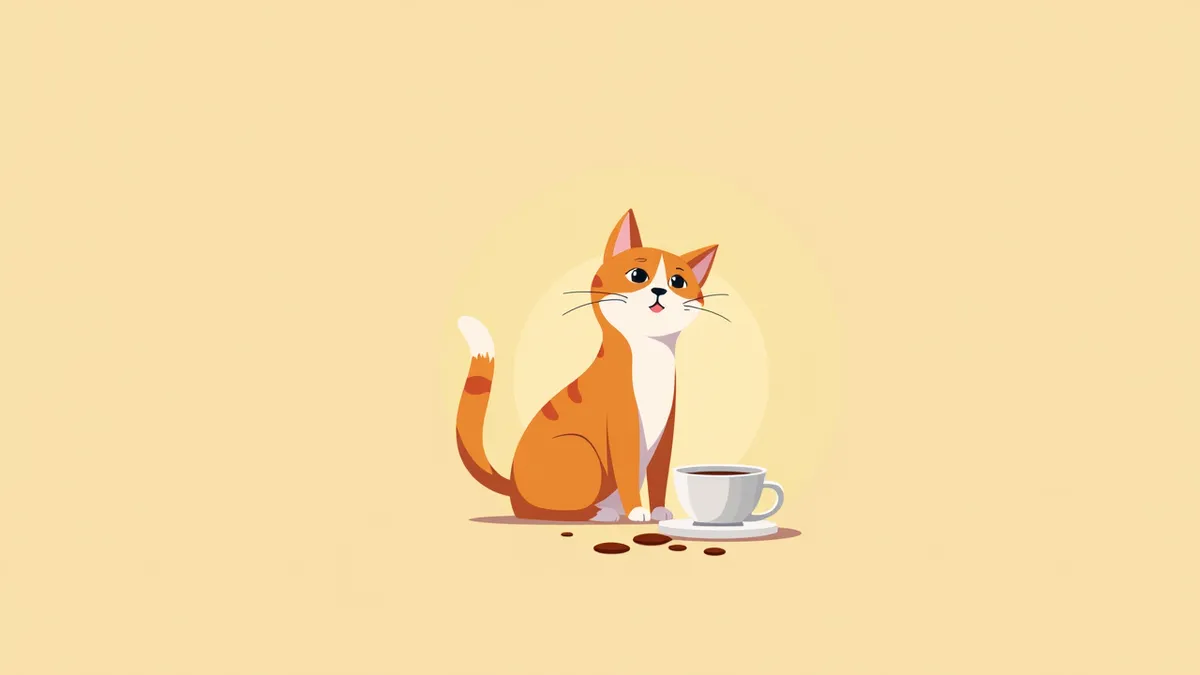
A curious cat sitting next to a cup of coffee
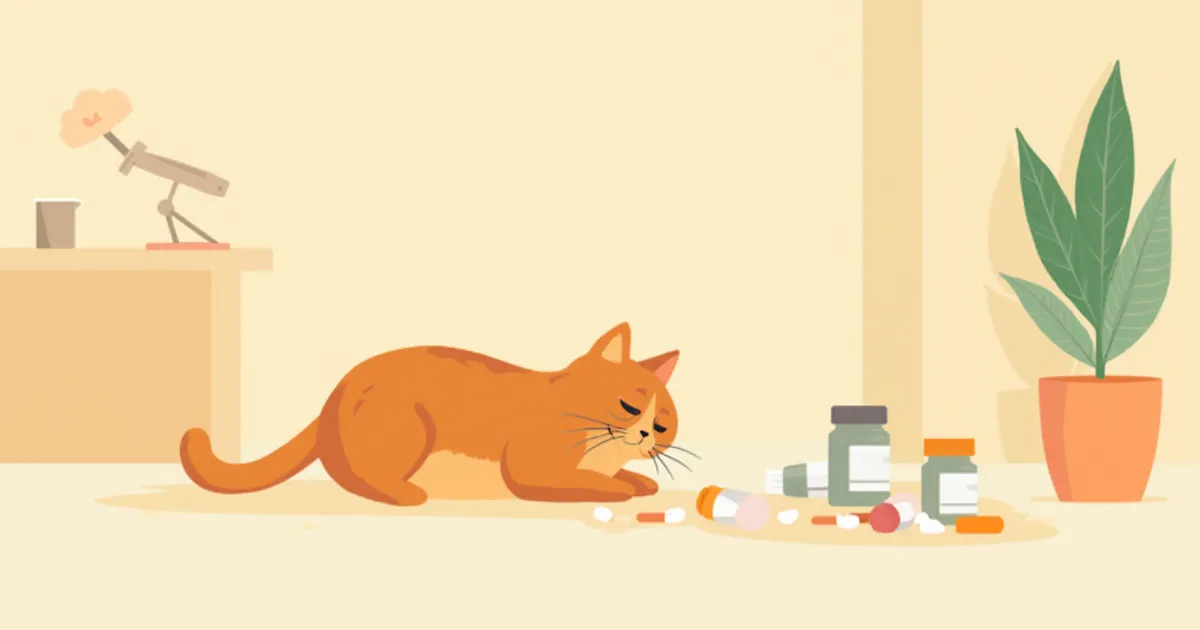
Caffeine poisoning in cats occurs when they ingest caffeine-containing products such as coffee, tea, cola, or caffeine supplements, leading to central nervous system stimulation and cardiac abnormalities. Prompt action is crucial. Cats are particularly sensitive to substances like caffeine because they lack the metabolic enzymes needed to break down foreign compounds effectively. Caffeine is rapidly absorbed, so symptoms can begin within 30 minutes of ingestion. If mixed with theobromine, as in chocolate, symptoms may be delayed and appear up to 12 hours later. Ingesting more than approximately 20 mg per kilogram of body weight can cause restlessness and vomiting, while higher doses may lead to tachycardia, arrhythmias, and seizures. If you suspect your cat has consumed caffeine, contact a veterinary clinic immediately.

Caffeine-Containing Foods and Hazardous Intake Levels

In cats, mild symptoms such as restlessness, vomiting, and diarrhea can begin at caffeine (methylxanthine) doses of approximately 20 mg or more per kilogram of body weight. At doses of 40 mg/kg or higher, cardiovascular symptoms like tachycardia, arrhythmia, and hypertension may occur. Doses of 60 mg/kg or higher can lead to severe symptoms, including muscle rigidity, tremors, seizures, and coma. The minimum reported lethal dose in cats is 100–150 mg/kg. For a 2 kg cat, even a single cup of strong coffee (approximately 80–100 mg, or about 50 mg/kg) can reach a dangerous level that triggers cardiovascular symptoms. Common household foods and drinks containing caffeine include:
Coffee and espresso: Instant coffee contains about 30–90 mg per cup, while brewed coffee and espresso are more concentrated and pose the highest risk.
Black and green tea: One cup (approximately 5 oz) contains about 20–90 mg; caution is advised even with small amounts.
Energy drinks and cola: Cola contains about 40–60 mg per cup, while energy drinks vary by product but often have high caffeine concentrations, so caution is necessary.
Chocolate and cocoa: These contain both caffeine and theobromine. Chocolate is particularly risky because it contains higher levels of theobromine, creating a dual threat.
Caffeine supplements and medications: Each pill can contain about 200 mg, making even small amounts potentially fatal.

Caffeine Content by Major Food — Risk Level for a 2kg Cat

ItemCaffeine Content (per serving)Risk Level for a 2kg Cat
1 shot of espresso (30ml)High concentration (coffee bean caffeine 1–2%)Dangerous
1 cup of Americano (240ml)About 50–140mg (instant basis)Very dangerous
1 can of energy drink (250ml)Varies by product (high concentration)Very dangerous
1 cup of black tea (240ml)About 40–90mgDangerous
1 cup of green tea (240ml)About 25–50mgDangerous
30g of dark chocolateAbout 2–40mg caffeine + theobromine (large amount)Dangerous (double)
1 can of cola (250ml)About 40–60mgCaution
1 cup of decaf coffeeTrace amount (small amount of caffeine)Avoid even small amounts

Symptoms begin at about 20mg or more of caffeine per kg of body weight, 40mg/kg or more causes cardiovascular symptoms, 60mg/kg or more causes severe symptoms such as seizures, and 100–150mg/kg is the lethal dose for cats. Content varies greatly by product.

Caffeine Poisoning Key Symptoms Checklist
Symptoms of caffeine ingestion typically appear within 30 minutes to 4 hours. If the ingested substance also contains theobromine, as in chocolate, symptoms may be delayed and appear up to 12 hours later. The more symptoms that occur simultaneously, the greater the danger.
Restlessness and hyperexcitability: Your pet may move excessively without cause and be unable to settle down.
Tachycardia and arrhythmia: The heart beats abnormally fast or irregularly.
Vomiting and diarrhea: These are early signs caused by gastrointestinal irritation.
Rapid, shallow breathing: Breathing becomes noticeably faster than usual.
Muscle tremors and seizures: Nerve system excitation causes the body to shake.
Increased body temperature and hypertension: The body feels hot, and blood pressure rises.
Seizures: This is an emergency sign indicating severe poisoning.
Collapse and decreased consciousness: This state requires immediate emergency treatment.
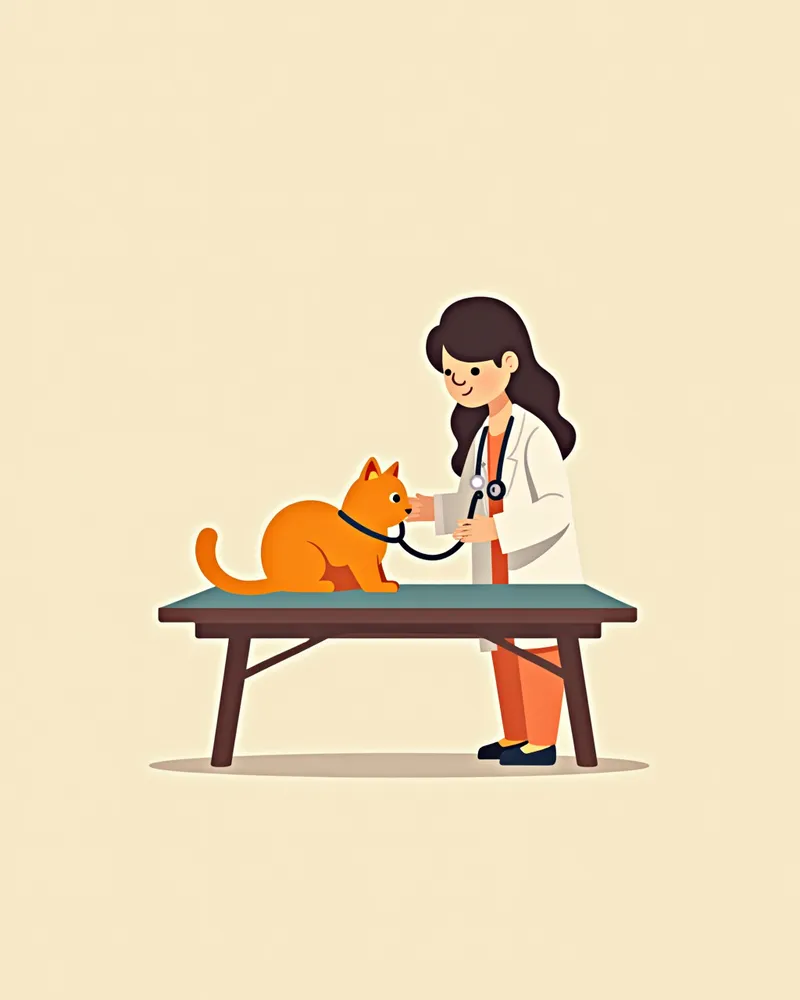
A veterinarian checking a cat's heart rate with a stethoscope

Situations Requiring Immediate Visit to a 24-Hour Emergency Animal Hospital

If any of the following apply, head to an emergency animal hospital immediately. Don’t just monitor your pet after a single episode of vomiting; caffeine is absorbed rapidly and can cause a sudden, severe decline in condition. • Seizures or muscle tremors have begun • Breathing is rapid, labored, or involves open-mouth panting • The pet has collapsed or cannot stand up • Ingestion of espresso, energy drinks, or caffeine pills is suspected • Suspected intake exceeds 20 mg per kilogram of body weight

Emergency Steps You Can Take at Home Before Going to the Hospital

The very first step is to call your veterinarian immediately. In the meantime, there are several things you can do before transporting your pet. Record the time and amount ingested: Write down exactly what and how much was consumed, as this information is crucial for determining the treatment plan. Save any remaining food or packaging: Bring these items with you so the veterinarian can identify the ingredients and concentration. Keep your cat calm: Excitement can cause their heart rate to increase further. Monitor during transport: Continuously check their breathing and watch for any signs of seizures. Do not induce vomiting unless specifically instructed by a veterinarian. Using salt or fingers to trigger vomiting carries the risk of aspiration.
A pet owner placing their cat into a carrier for an emergency vet visit

Treatment Methods Provided at the Hospital

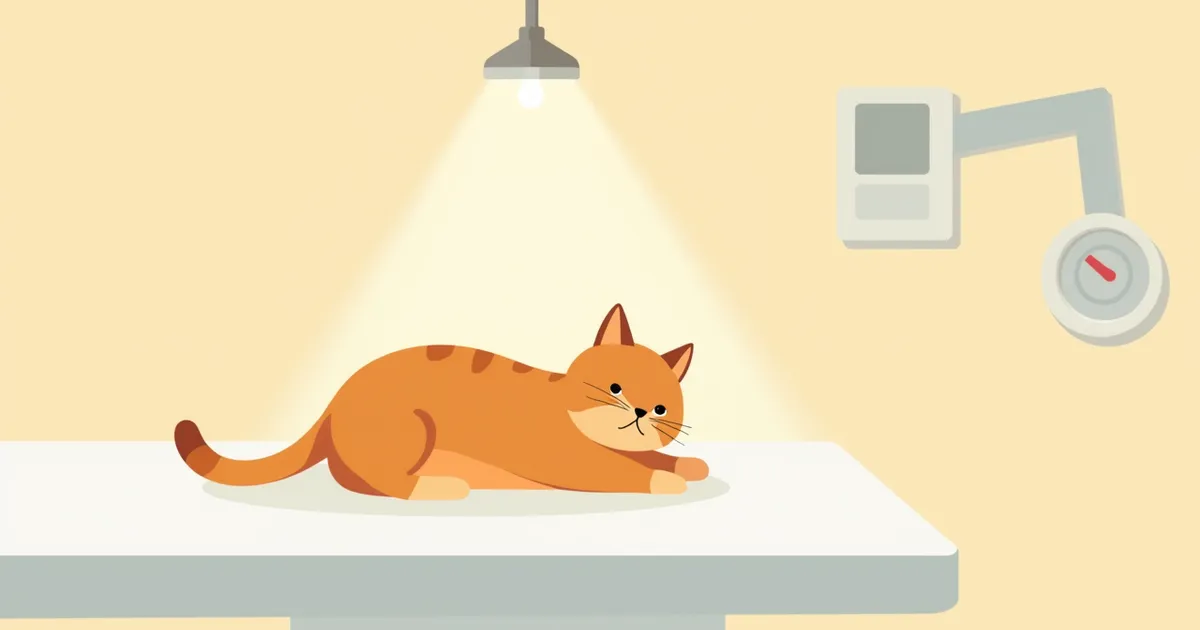
In the clinic, we provide step-by-step treatment based on the severity of the poisoning and the symptoms.
Inducing vomiting: If it has been less than about 4 hours since ingestion (6–8 hours in cases of large amounts) and no symptoms have appeared yet, the veterinarian will safely induce vomiting.
Administration of activated charcoal: To prevent further absorption of caffeine and block enterohepatic circulation, activated charcoal may be administered repeatedly at 8- to 12-hour intervals.
Fluid therapy: We administer fluids at 1 to 2 times the maintenance rate to help eliminate caffeine through diuresis and manage blood pressure and dehydration.
Heart rate control medications: In cases of severe tachycardia or arrhythmia, we stabilize the heart rate with medication.
Anticonvulsants: If seizures occur, we administer anticonvulsants such as benzodiazepines.
Temperature regulation: If the pet is overheated, we provide cooling treatments.
Depending on the severity of the poisoning, pets recover after being hospitalized and monitored. The sooner they come to the clinic, the better the prognosis.

Preventing Caffeine Poisoning — It’s All About Environmental Management
Caffeine poisoning can usually be prevented through proper environmental management.
Always cover coffee and tea cups: Keep them covered with a lid or saucer, even when you step away briefly.
Use a locking trash can: Prevent your cat from accessing coffee grounds or tea bags.
Secure energy drinks and supplements: Store them in drawers or locked cabinets.
Store chocolate separately: It contains both caffeine and theobromine, posing a double risk.
Be cautious during guest visits: Keep any drinks or snacks brought by guests out of your cat’s reach.
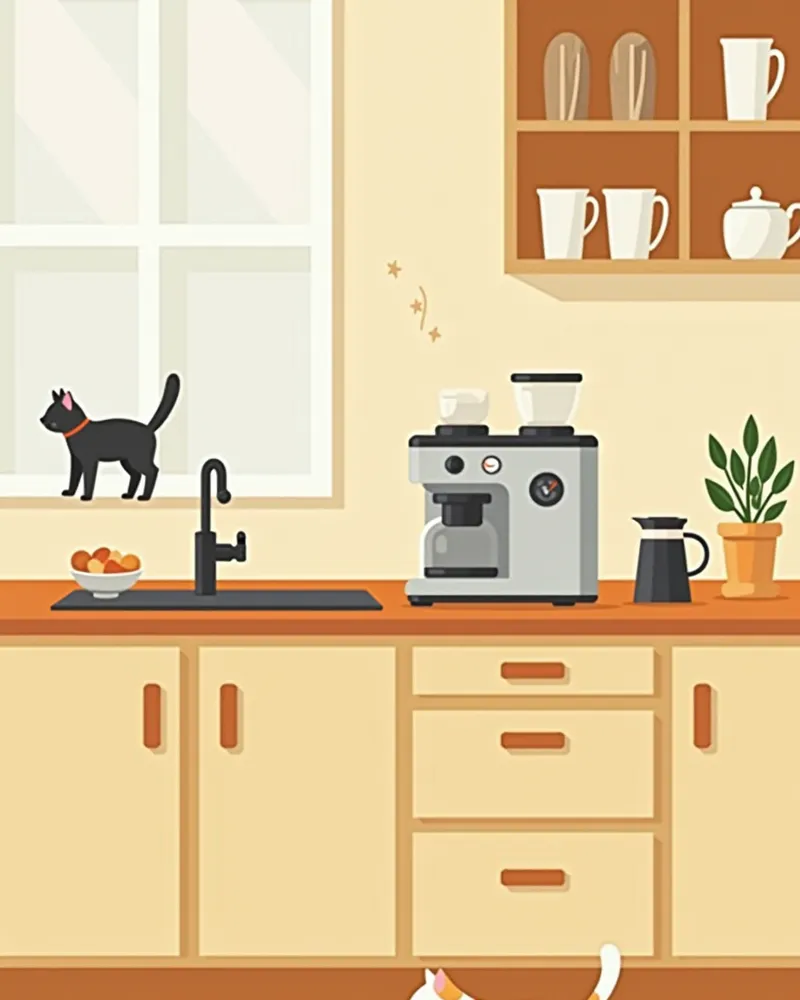
A kitchen where coffee supplies are stored out of reach of cats.

Things You Must Never Do at Home

Improper first aid can actually worsen your pet’s condition. Please avoid the following actions: • Do not induce vomiting with salt or by inserting your finger—this poses a risk of aspiration. • Do not induce vomiting in a cat that is already showing symptoms—aspiration during a seizure is extremely dangerous. • The belief that giving milk will neutralize toxins is a myth. • Do not simply wait and watch, even if your pet appears symptom-free—caffeine is absorbed rapidly. • Do not administer any medication without first consulting your veterinarian.

Reviewed by a veterinarian

Dr. Tony — Punnawat Phongkittirak

Dr. Tony — Punnawat Phongkittirak

Veterinarian

A veterinarian who majored in veterinary medicine at Khon Kaen University, Thailand, and completed the IVSA program at North Carolina State University in the United States. Drawing on clinical experience at animal hospitals, he works in the pet healthcare field and is dedicated to building a digital care environment that connects pet parents with veterinarians.

Frequently Asked Questions

My cat just took a small sip of coffee. Is it okay?
Even small amounts can be concerning, especially with highly concentrated forms like espresso, where even a tiny amount can reach a dangerous level. The safest approach is to determine your cat's weight and the amount ingested, then immediately call your veterinarian for guidance.
How long does it take for symptoms to appear?
Symptoms typically begin within 30 minutes to 2 hours after ingestion. They may appear more quickly if the pet has an empty stomach or has consumed a high concentration of caffeine. Even if no symptoms are initially apparent, it is important to monitor the pet for 4 to 6 hours. If you suspect caffeine ingestion, it is best to visit a veterinary clinic immediately.
Are green tea and black tea also dangerous?
Yes, it is dangerous. A single cup of green tea contains approximately 25–50 mg of caffeine, while black tea contains 40–70 mg. For a cat weighing 2–3 kg, even one cup of green tea approaches a dangerous dosage. Please give your cat only water.
Will there be any aftereffects following treatment?
With prompt and appropriate treatment, most pets recover within 24 to 48 hours. However, delayed treatment or ingestion of large amounts can lead to lasting heart arrhythmias or nervous system damage. It’s advisable to have your veterinarian monitor your pet’s progress for one to two weeks after recovery.
My cat ate chocolate and coffee together. Is it more dangerous?
Yes, it’s much more dangerous. Chocolate contains both caffeine and theobromine, so the two toxins act simultaneously. Dark chocolate, in particular, has high concentrations of both compounds. You should take your pet to an emergency veterinary clinic immediately.

Share

Related Guides

References

[1] Gwaltney-Brant SM, 'Methylxanthines', in Blackwell's Five-Minute Veterinary Consult Clinical Companion: Small Animal Toxicology, 3rd Ed, Wiley-Blackwell, 2022

[2] Schaer M (Ed.), Clinical Medicine of the Dog and Cat, 4th Ed, CRC Press, 2022, Chapter: Toxicology — Decontamination Procedures

[3] Plumb DC, Plumb's Veterinary Drug Handbook, 10th Ed, Wiley-Blackwell, 2023, Section: Toxicant Decontamination

[4] Silverstein DC, Hopper K (Eds.), Feline Emergency and Critical Care Medicine, 2nd Ed, Wiley-Blackwell, 2015, Chapter 38: Decontamination Procedures

This information is based on veterinary literature and does not replace diagnosis or treatment. Please consult a veterinarian for specific health concerns.

Metapet Co., Ltd. | CEO: Park Sung-yong | Business Reg. No. 417-88-02562 | Seoul, South Korea | Customer Center

Cat Licked Coffee? Caffeine Poisoning Signs & Timing | Meongsiljang