Like
Share
멍실장
고양이 사시 증상과 원인, 진단·치료와 관리 포인트 총정리

If Your Cat’s Eyes Are Crossed — Causes of Strabismus and Warning Signs to See a Vet

Eye HealthDiseasesMeongsiljang Veterinary Advisory Board

This condition, where a cat’s eyes appear misaligned, can result from neurological abnormalities or muscle issues. Early detection and accurate diagnosis are key to effective treatment.

What Is Strabismus in Cats?
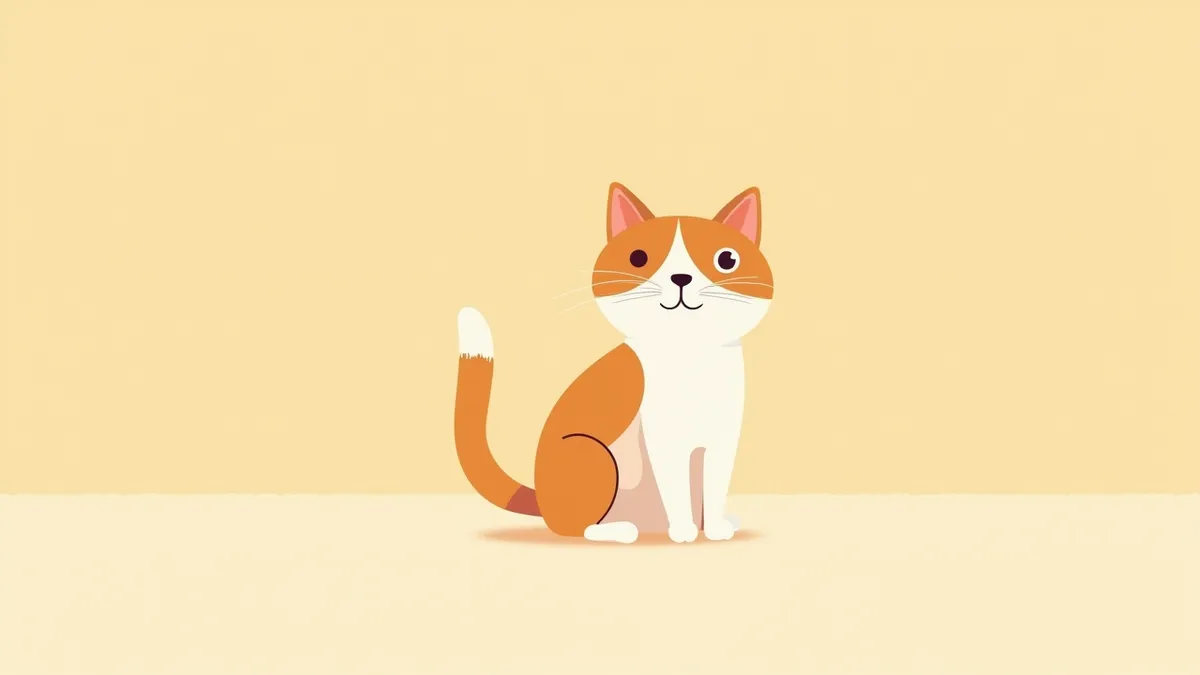
A close-up shot of a cat’s face, showing its eyes misaligned due to strabismus.
This condition occurs when one or both of your cat’s eyes deviate from their normal alignment, causing the pupils to shift to one side within the eye socket. The eyes may turn inward, outward, downward, or rotate. Rather than being a simple issue with the eyes themselves, this is often a sign of an underlying problem with the cranial nerves or muscles that control eye movement, or with the vestibular system responsible for balance. In young cats, congenital or developmental factors may be involved, while in adult cats, causes can include brain or brainstem diseases, trauma, infections, or tumors. Although strabismus itself rarely leads directly to vision loss, the underlying neurological or orbital conditions can be serious. Therefore, if you notice your cat’s eyes appear misaligned, do not overlook it; promptly consult your veterinarian to identify the exact cause.

What Are the Main Causes of Strabismus?
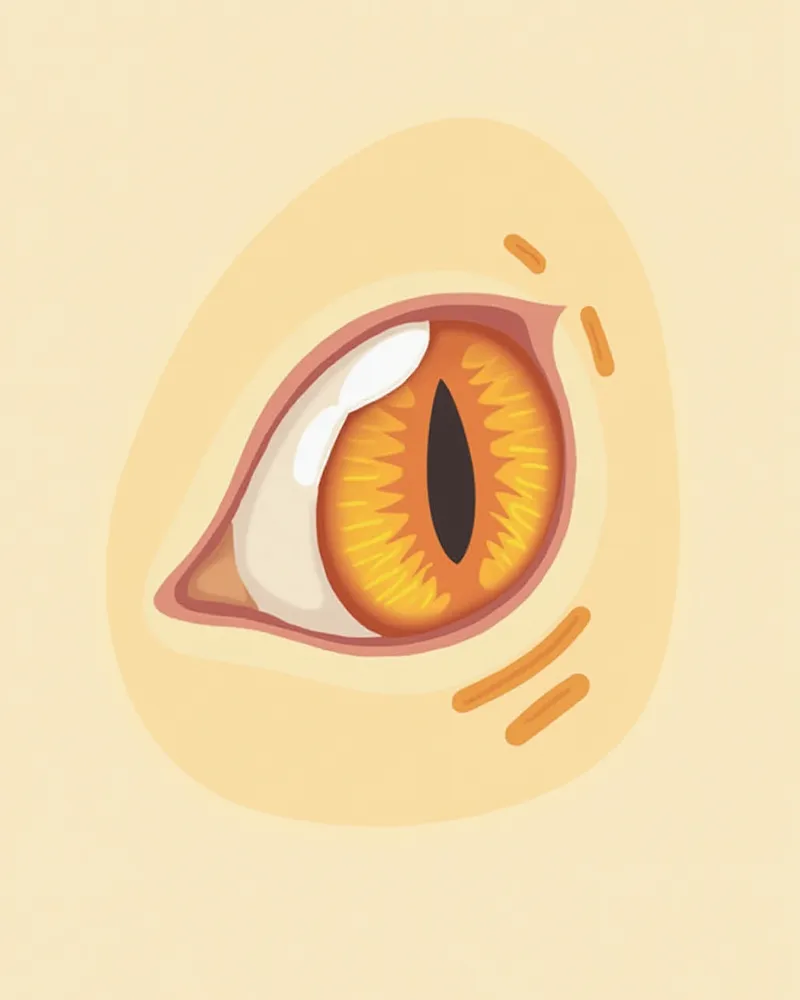
There are many possible causes of strabismus in cats. These include abnormalities of the cranial nerves that control eye movement (such as the oculomotor and trochlear nerves), central vestibular system disorders involving the brainstem, peripheral vestibular system diseases affecting the middle ear (such as otitis media), trauma, infections, tumors, and congenital factors. In particular, when strabismus is observed in young cats, it may be due to congenital or developmental causes, whereas in adult cats, it can result from brain or brainstem diseases, infections, or tumors. To determine the exact cause, veterinarians perform various examinations, including neurological assessments. - Neurological issues: Damage to the oculomotor nerve can cause the eye to deviate downward and outward, while damage to the trochlear nerve may result in rotational strabismus. - Vestibular and infectious causes: Central or peripheral vestibular disorders, as well as middle ear infections, can lead to strabismus. - Congenital factors: Some cats may exhibit strabismus as part of a congenital or developmental eye condition. Because treatment approaches vary depending on the underlying cause, an accurate diagnosis is essential.
Anatomy of the eye muscles and nerves in cats

Main Symptoms and Signs of Strabismus

The primary symptom of strabismus in cats is misalignment of the eyes. In addition, you may notice excessive blinking, a cloudy or unfocused gaze, or head tilting. Some cats may also lose their balance or develop an unsteady gait. If these signs persist, consult your veterinarian promptly.
Misaligned eye position: One eye turns inward, outward, upward, or downward.
Head tilting: The cat develops a habit of tilting its head to compensate for visual impairment.
Blurred vision: Due to misalignment, the cat experiences blurred or double vision.
Balance issues: The cat exhibits an unsteady gait or is prone to stumbling.
Increased blinking: The frequency of blinking or eye closure increases.
A cat tilting its head due to strabismus

When to Seek Immediate Veterinary Care

If your cat suddenly develops strabismus (crossed eyes), especially when accompanied by dizziness, seizures, decreased consciousness, or loss of appetite, seek veterinary care immediately. These symptoms may indicate serious conditions such as cerebral hemorrhage, encephalitis, or brain tumors. Prompt diagnosis and treatment significantly improve survival and recovery rates.

How Is Strabismus Diagnosed?
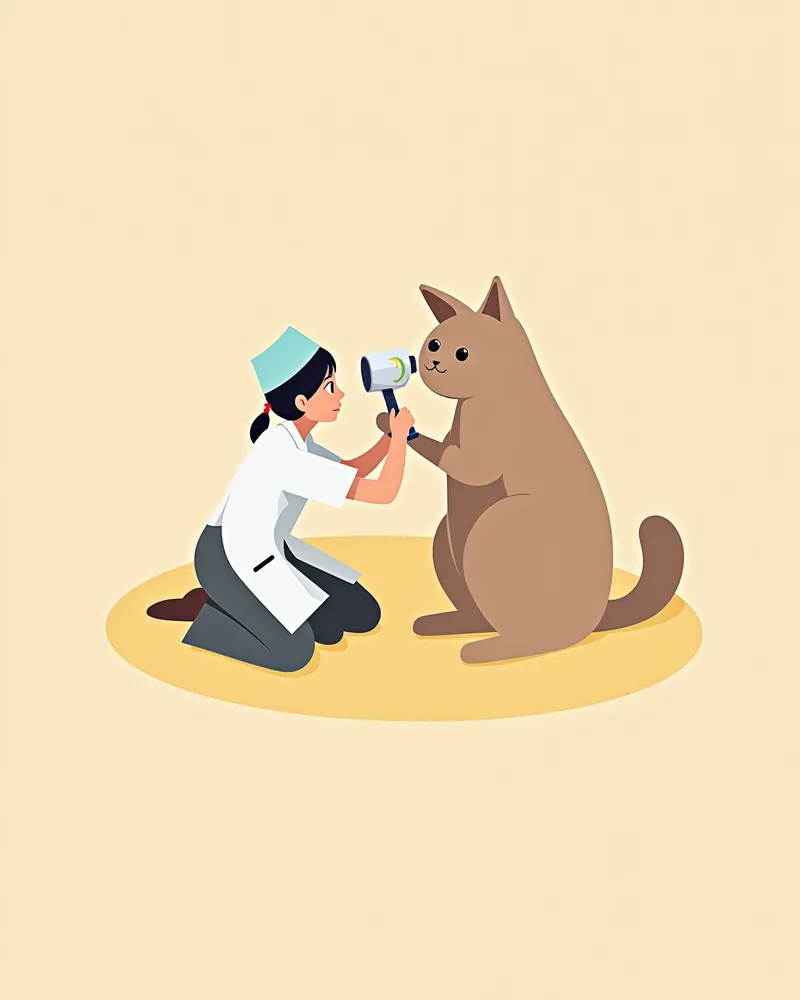
Diagnosing strabismus requires a combination of physical examination by a veterinarian and several diagnostic tests. These include observing eye movements, evaluating cranial nerve function, and performing brain imaging (CT/MRI) when necessary. Blood tests and cerebrospinal fluid analysis can also help identify the underlying cause. - Physical Examination: Carefully assesses the position and movement of the eyes. - Brain Imaging: Checks for abnormalities or tumors in the brainstem. - Blood Tests: Determines the presence of infection or systemic disease. - Cerebrospinal Fluid Analysis: Performed when inflammatory conditions such as encephalitis are suspected. Multiple tests are often conducted together to ensure an accurate diagnosis, as the treatment approach varies depending on the cause.
A veterinarian examining a cat's eyes

Treatment Methods and Step-by-Step Approach for Strabismus
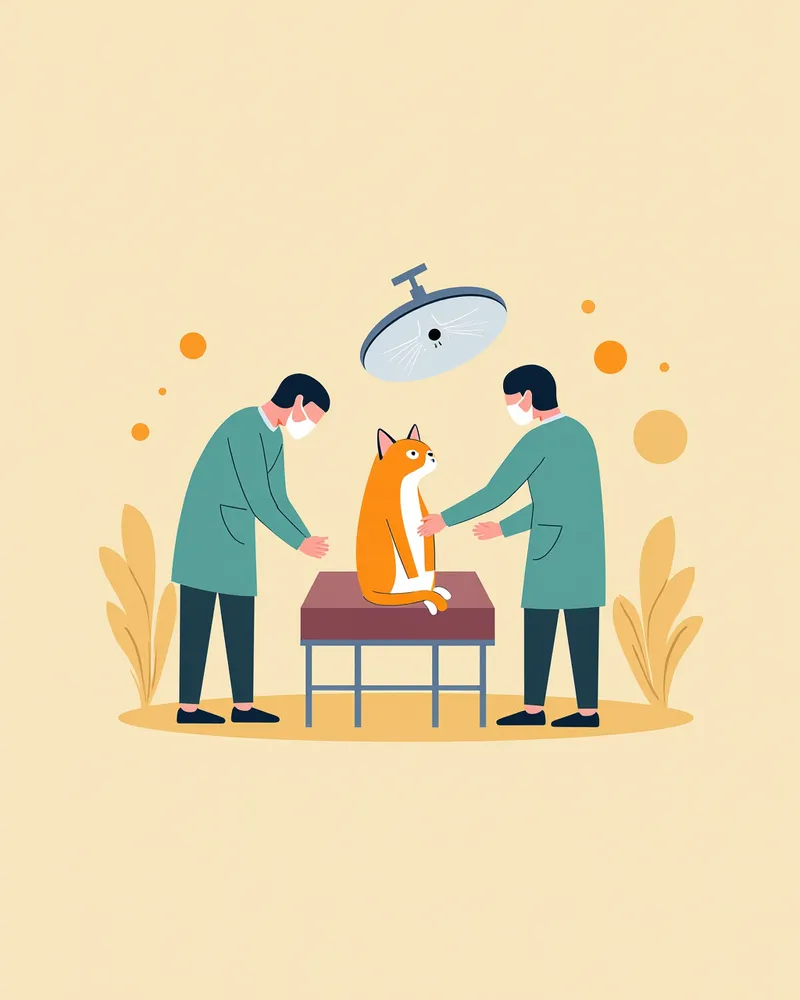
The key to treating strabismus isn’t the strabismus itself, but identifying and addressing the underlying condition causing it. Depending on the cause—such as vestibular disorders, brain or nervous system diseases, infections, trauma, immune-mediated extraocular myositis, or orbital diseases—the treatment approach will vary. For example, if an infection is the cause, appropriate medications will be used; for immune-mediated conditions, immunomodulatory treatments may be considered; and if there’s a structural issue like a foreign body or tumor in the orbit, surgical intervention may be necessary. Your veterinarian will develop a comprehensive treatment plan based on the diagnosis. - Treatment of the Underlying Condition: Medications and other therapies are used to address the root cause, such as infections, inflammation, or vestibular disorders. - Surgical Treatment: Surgery may be considered for issues like orbital foreign bodies, tumors, or structural problems. - Monitoring and Management: The duration of treatment varies depending on the cause and severity, and consistent care along with regular check-ups is essential.
A scene of an eye surgery being performed on a cat.

Key Points for Managing Strabismus at Home
Home care for cats with strabismus should prioritize safety and comfort. Remove sharp objects and other hazards that could cause falls from heights, and organize the environment to allow easy movement. Manage feeding and medication administration accurately, and follow your veterinarian’s instructions for regular recheck appointments. Maintaining a quiet environment is also important to minimize stress.
Create a safe environment: Remove sharp objects, high perches, and unstable flooring.
Administer medication regularly: Give medication at the correct times and doses as directed by your veterinarian.
Provide a quiet space: Set up a calm area to help reduce stress.
Attend regular recheck appointments: Visit on scheduled dates to monitor treatment progress.
Indoor environments where a cat with strabismus can live safely

Breed Considerations and Prevention of Recurrence

Strabismus can occur as part of congenital or developmental eye disorders in cats, and in such cases, it may be accompanied by other neurological or ocular abnormalities. Rather than attributing it to specific breeds, it is important to recognize that cats with strabismus may experience symptom recurrence or changes depending on the underlying cause, making regular veterinary check-ups essential. Even after improvement, ongoing monitoring is necessary, and any sudden changes in symptoms should prompt an immediate visit to the clinic.

Reviewed by a veterinarian

Dr. Tony — Punnawat Phongkittirak

Dr. Tony — Punnawat Phongkittirak

Veterinarian

A veterinarian who majored in veterinary medicine at Khon Kaen University, Thailand, and completed the IVSA program at North Carolina State University in the United States. Drawing on clinical experience at animal hospitals, he works in the pet healthcare field and is dedicated to building a digital care environment that connects pet parents with veterinarians.

Frequently Asked Questions

Can feline gingivitis be treated?
The treatment approach depends on the underlying cause. If the issue stems from a neurological disorder or an infection, symptoms may improve as the root cause is treated. In cases involving structural abnormalities or orbital diseases, surgery may be considered. Your veterinarian will establish an accurate diagnosis and then develop a tailored treatment plan based on the specific cause.
Does strabismus permanently damage a cat's vision?
Strabismus refers to the misalignment of the eyeball within the orbit, and it is not necessarily associated with immediate vision loss. However, depending on the type and severity of the underlying neurological or orbital disease causing the strabismus, difficulties in daily activities or balance may occur. Early identification and treatment of the underlying cause are essential.
Is there a genetic component to strabismus?
In cats, strabismus (crossed eyes) can appear as a congenital or developmental eye condition. It’s difficult to pinpoint specific breeds where it’s particularly common, so if there’s a family history of strabismus or other eye abnormalities, it’s best to consult with a veterinarian before breeding to check for any inherited conditions.
Does strabismus cause pain in cats?
Whether or not your cat experiences pain depends less on the misalignment of the pupils itself and more on the underlying condition causing the strabismus. For instance, conditions such as orbital disease or extraocular myositis can be accompanied by pain. If your cat appears anxious or exhibits changes in behavior, consult your veterinarian immediately.
Can strabismus recur after treatment?
Depending on the underlying cause, the condition may recur. In particular, if it stems from congenital factors or neurological disorders, symptoms can reappear even after treatment, making regular veterinary check-ups essential.

Share

Related Guides

References

[1] The Cat, Clinical Medicine and Management, 2nd Edition, 2021

[2] Plumb's Veterinary Drug Handbook, 9th Edition, 2022

[3] Veterinary Ophthalmology, 5th Edition, 2020

This information is based on veterinary literature and does not replace diagnosis or treatment. Please consult a veterinarian for specific health concerns.

Metapet Co., Ltd. | CEO: Park Sung-yong | Business Reg. No. 417-88-02562 | Seoul, South Korea | Customer Center

Cat's Eyes Crossed? Strabismus Causes & Warning Signs | Meongsiljang