
Like
Share
멍실장
고양이 혈뇨 증상과 원인, 진단·치료와 관리 포인트 총정리

Complete Guide to Feline Hematuria: Symptoms, Causes, Diagnosis, Treatment, and Management

UrinaryDiseasesMeongsiljang Veterinary Advisory Board

Hematuria in cats is a condition where blood appears in the urine, and it can be caused by various factors such as infections, stones, or tumors. Early diagnosis and treatment are essential.

Hematuria in Cats Is a Condition Where Blood Appears in the Urine

A cat with blood in its urine
Hematuria in cats is a condition where blood appears in the urine, often giving it a red, brown, or pinkish hue. This indicates bleeding somewhere along the urinary tract, including the kidneys, ureters, bladder, or urethra. If you notice your cat’s urine color has changed from its usual shade, it could be a sign of a urinary tract disease, requiring prompt diagnosis and treatment. Left untreated, the condition can worsen. In particular, if your cat is unable to urinate at all or shows signs of pain while trying, it may indicate a urethral obstruction, which can lead to acute kidney damage and become life-threatening. In such cases, immediate veterinary care is essential. Early detection and proper management are key to preventing recurrence. Since urinary tract diseases can have various underlying causes, it is important to start appropriate, targeted care based on an accurate diagnosis.

The Main Causes of Hematuria Include Infections, Stones, and Tumors

The main causes of hematuria in cats include feline idiopathic cystitis (FIC), urinary tract stones, urinary tract infections, urethral obstruction, and tumors. Among these, FIC, in which no bacteria are detected on urine culture, is known as the most common cause of feline lower urinary tract disease (FLUTD). Urethral obstruction can develop acutely and become life-threatening, requiring immediate treatment. Additionally, immune-mediated diseases, bleeding disorders, and trauma can also be underlying causes. - Feline idiopathic cystitis (FIC): A condition characterized by recurrent sterile hemorrhagic inflammation of the bladder without a clear infection, with stress playing a significant role. - Urinary tract infection: Bacteria cause inflammation in the bladder, leading to hematuria; in cats, this often occurs alongside urinary stones. - Urinary tract stones: Minerals in the urine solidify into stones that irritate the mucosa, causing bleeding and potentially leading to urethral obstruction. - Urethral obstruction: Urine flow is blocked by urethral plugs, stones, or urethral spasms, which can cause acute kidney damage. Various diagnostic tests are necessary to accurately identify the underlying cause.
A cat urine sample containing blood

Check for Key Symptoms and Signs

Signs of urethral obstruction: Your pet tries to urinate but nothing comes out, or shows clear signs of pain while attempting to. This is a life-threatening emergency requiring immediate veterinary care.
Painful urination: Your pet cries out or repeatedly scratches at the litter box floor while urinating. These behaviors indicate pain and warrant close attention.
Frequent urination: Your pet visits the litter box often but passes only small amounts of urine, or none at all. This may suggest an underlying bladder issue.
Changes in urine color: Red, brown, or brownish-tinged urine is a direct sign of blood in the urine (hematuria). Immediate diagnostic testing is required.
Lethargy: If your pet remains inactive and lies down all day, their overall condition may be deteriorating. This also requires urgent veterinary attention.
A cat experiencing pain while urinating

Signs Requiring Immediate Veterinary Visit

If your cat is straining to urinate but nothing comes out, or shows signs of pain while trying to urinate, you should take them to the vet immediately. This could be a sign of urethral obstruction. Urethral obstruction is the most common cause of acute kidney injury in cats and can be life-threatening, so it’s crucial to seek emergency treatment as soon as possible.

Urinalysis and Imaging Studies Are Necessary for Diagnosis
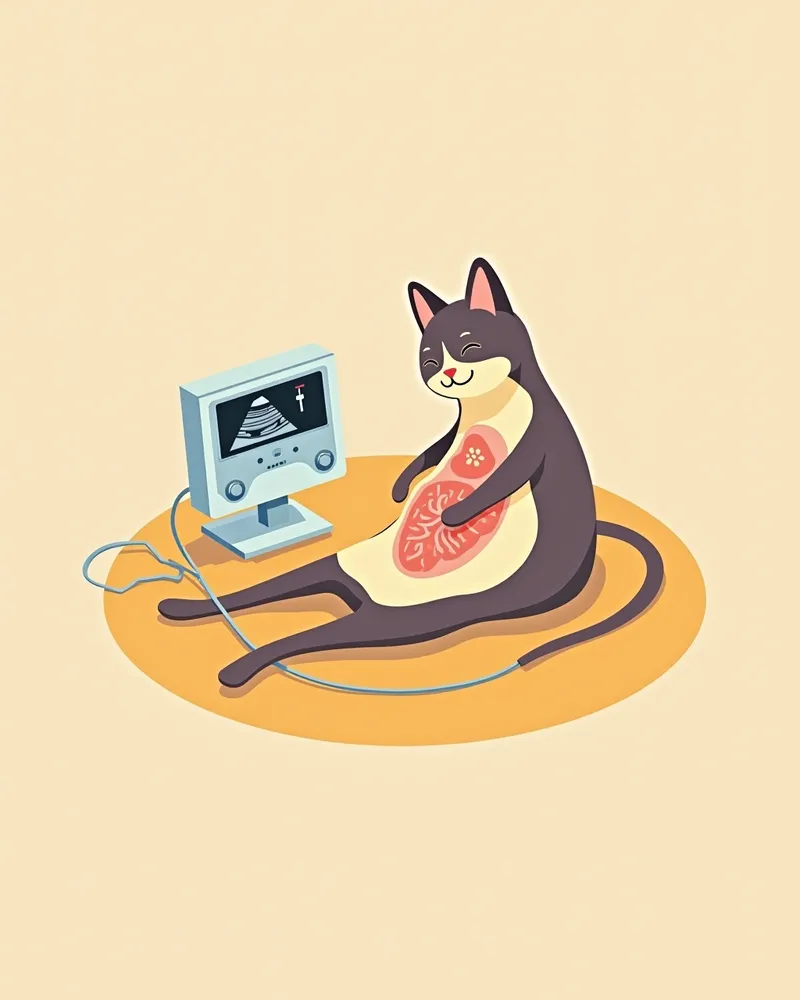
To accurately identify the cause of hematuria, it is essential to perform urinalysis, urine culture, blood tests, and imaging studies such as ultrasound or X-rays. - Urinalysis: Checks for red blood cells, white blood cells, bacteria, and proteins to assess for infection or inflammation. - Urine culture: Helps precisely identify the infecting bacteria and predict their response to antibiotics. - Ultrasound: Non-invasively detects stones, tumors, and congenital abnormalities. - X-ray: Effectively determines the location and size of stones. An accurate diagnosis enables the development of an appropriate treatment plan.
An image of a cat undergoing an abdominal ultrasound.

Treatment Depends on the Underlying Cause
Treatment for hematuria depends on the underlying cause. If an infection is responsible, antibiotics are prescribed based on the results of a culture test. When stones are present, they may be managed through dietary adjustments or surgically removed. Urethral obstruction is a medical emergency requiring immediate relief of the blockage, typically via urethral catheterization, along with pain management and fluid and electrolyte supplementation. For idiopathic cystitis, reducing stress and increasing water intake are key to management. In cases of tumors, treatment options such as surgery are considered based on the patient’s condition. Throughout the treatment period, it is essential to adhere to scheduled follow-up examinations and medication regimens.
A cat receiving an intravenous injection at the hospital

Home Management Should Be Adjusted According to the Cause
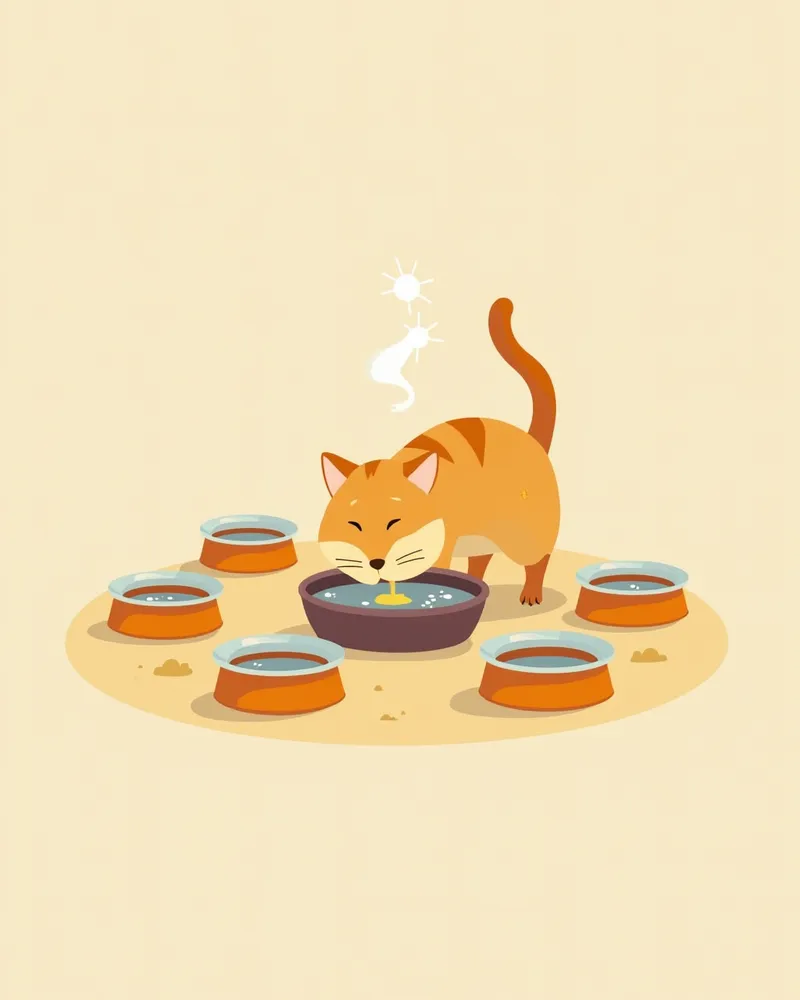
If the cause of hematuria is dietary, switch to a specialized diet. Place multiple water bowls around the home to encourage frequent drinking, and ensure the water is always clean. Create a cat-friendly environment to reduce stress, and keep the litter box clean. During treatment, it is essential to adhere strictly to the prescribed medication regimen. Monitor for recurrence through regular check-ups and urinalysis. You may also consider specialized diets or supplements to support urinary tract health.
A cat drinking water

Precautions to Prevent Recurrence of Feline Hematuria

Feline hematuria can recur, and factors such as stress, dietary changes, and inadequate water intake may increase the risk of recurrence. Regular check-ups and urinalysis are essential for early detection and management. You may also consider specialized diets or supplements to support urinary tract health.

Reviewed by a veterinarian

Dr. Tony — Punnawat Phongkittirak

Dr. Tony — Punnawat Phongkittirak

Veterinarian

A veterinarian who majored in veterinary medicine at Khon Kaen University, Thailand, and completed the IVSA program at North Carolina State University in the United States. Drawing on clinical experience at animal hospitals, he works in the pet healthcare field and is dedicated to building a digital care environment that connects pet parents with veterinarians.

Frequently Asked Questions

Why do cats develop blood in their urine?
There are various causes, including feline idiopathic cystitis (FIC), urinary tract stones, urinary tract infections, urethral obstruction, and tumors. In particular, feline idiopathic cystitis is the most common cause of lower urinary tract disease in cats, and urethral obstruction can be life-threatening, requiring immediate veterinary care.
When should you take your pet to the vet if you notice blood in their urine?
If your pet tries to urinate but nothing comes out, or shows signs of pain, seek veterinary care immediately. This could be a sign of urethral obstruction.
Is blood in the urine a common symptom in cats?
Hematuria, or blood in the urine, is a relatively common sign of feline lower urinary tract disease. Because there can be various underlying causes and a cat’s urinary tract is quite sensitive, early diagnosis and proper management are essential.
Can hematuria recur after treatment?
Yes, recurrence is possible. Factors such as stress, dietary changes, and insufficient water intake can trigger a relapse, so regular care and check-ups are essential.
Can special diets help treat hematuria?
Yes, if the cause is bladder stones or cystitis, a prescription diet can be very helpful in treatment. It should be selected based on your veterinarian’s recommendation.

Share

Related Guides

References

[1] Clinical Medicine of the Dog and Cat, 4th Ed. Elsevier, 2023.

[2] The Veterinary Workbook of Small Animal Clinical Cases. Wiley-Blackwell, 2021.

[3] Plumb's Veterinary Drug Handbook, 9th Ed. Wiley-Blackwell, 2022.

This information is based on veterinary literature and does not replace diagnosis or treatment. Please consult a veterinarian for specific health concerns.

Metapet Co., Ltd. | CEO: Park Sung-yong | Business Reg. No. 417-88-02562 | Seoul, South Korea | Customer Center

Feline Hematuria: Causes, Home Care, and When to See a Vet Immediately | Meongsiljang