
Like
Share
멍실장
강아지 당뇨 식이 관리 증상과 원인, 진단·치료와 관리 포인트 총정리

What Should I Feed My Dog with Diabetes? — Dietary Principles and Management Tips for Blood Sugar Control

EndocrineDiseasesMeongsiljang Veterinary Advisory Board

Canine diabetes is an endocrine disorder in which impaired insulin function makes it difficult to regulate blood sugar. Proper dietary management and treatment are crucial for survival and quality of life.

Canine Diabetes Is a Metabolic Disorder Caused by Impaired Insulin Function
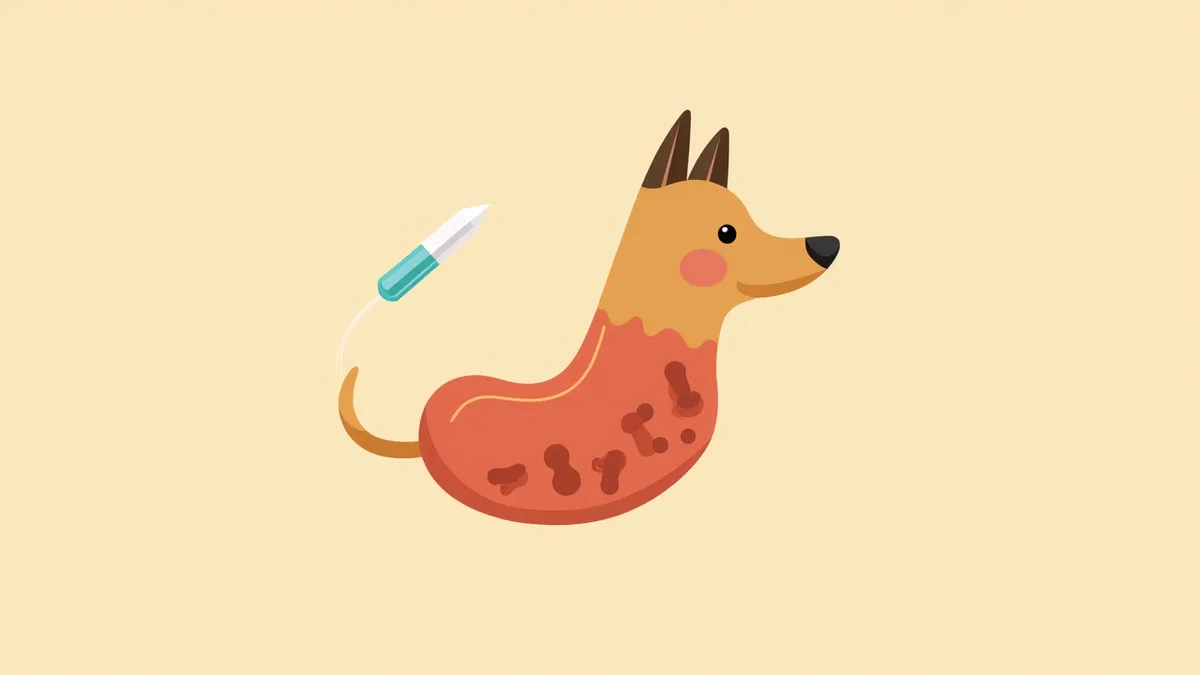
A scientific illustration highlighting the insulin-secreting cells of the pancreas
Canine diabetes is an endocrine disorder in which insufficient insulin production or impaired insulin function in the pancreas makes blood sugar regulation difficult. Long-term management is essential, with insulin injections and dietary control forming the cornerstone of treatment. Because insulin facilitates the transport of glucose into cells, a deficiency disrupts the body’s energy supply. Therefore, early detection and consistent management significantly impact both survival rates and quality of life. Pet owners should carefully monitor their dogs for any subtle changes in daily behavior or health.

The Main Causes of Diabetes Are Genetics, Obesity, and Hormonal Changes

Genetics play a significant role in the development of diabetes in dogs, with certain breeds facing a higher risk. Obesity is a major contributing factor, as it induces insulin resistance and increases the likelihood of diabetes. Aging and hormonal imbalances, such as elevated cortisol levels, also serve as risk factors. These elements often interact in complex ways, making weight management and regular health check-ups essential for early prevention. Ultimately, improving lifestyle habits is the key to preventing the disease.
An overweight puppy and a weighing scale

Main Symptoms Include Polyuria, Polyphagia, Weight Loss, and Lethargy

The most common signs of diabetes in dogs include frequent urination, increased appetite, weight loss, lethargy, and cloudy eyes. When blood sugar levels rise, the kidneys work overtime to excrete the excess glucose, which causes a sudden increase in urine output. This leads to intense thirst, prompting your dog to drink water more often. Although their appetite increases, their body cannot properly use the energy, resulting in weight loss. Lethargy can reduce daily activity levels, which is a noticeable sign for pet owners. If you observe these symptoms, consult your veterinarian immediately.
Daily life of a dog showing symptoms of diabetes

Immediate Veterinary Care Is Required in Case of Diabetic Shock

A rapid drop in blood sugar can lead to shock, resulting in loss of consciousness, seizures, or lethargy. This is a life-threatening emergency, so immediate veterinary care is essential. It’s also important for pet owners to administer glucose supplements as directed by their veterinarian or based on readings from a blood glucose monitor.

Diagnosis Is Confirmed Through Blood and Urine Tests

Diagnosing diabetes in dogs involves checking for consistently high blood sugar levels through blood tests and determining the presence of glucose in the urine. Combining these two tests allows for an accurate diagnosis. Additionally, we evaluate liver function, kidney function, and hormone levels to rule out other conditions. Repeatedly elevated blood sugar levels significantly raise suspicion of diabetes. A veterinarian’s professional assessment and testing are essential for an accurate diagnosis, as early detection greatly improves treatment success rates.
A veterinarian performing blood and urine tests.

Treatment Is Progressively Managed with Insulin Injections and Dietary Control
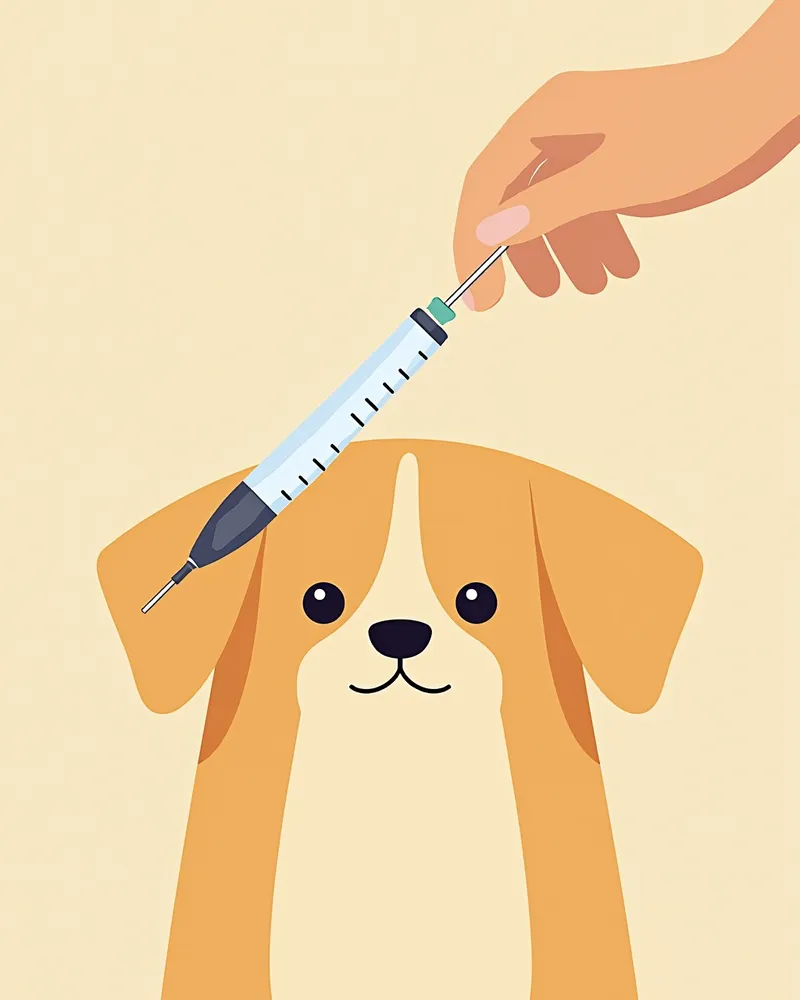
Treating diabetes in dogs centers on insulin injections and tailored dietary management. Insulin is typically administered via subcutaneous (SC) injection once or twice daily, with precise timing relative to meals to prevent blood glucose levels from becoming too high or too low. Dietary management involves selecting foods with a low glycemic index (GI) and incorporating slowly digestible complex carbohydrates and dietary fiber to prevent sharp post-meal spikes in blood sugar. Treatment should be carried out systematically under the guidance of a veterinarian, with insulin injections ideally given immediately after the dog finishes eating. Regular blood glucose monitoring and record-keeping are essential for adjusting the treatment plan.
A veterinarian administering an insulin injection to a puppy

Home Management Centers on Meal Schedules, Injection Timing, and Blood Glucose Monitoring

Managing diabetes in dogs requires strict consistency with meal times, insulin injections, and blood glucose monitoring. Feed your dog the same amount of food each time, and administer insulin immediately after meals for optimal results. Follow your veterinarian’s guidance for regular blood glucose monitoring, and use a portable glucometer or continuous glucose monitoring system at home to track trends and help adjust treatment. Stay vigilant for any changes in your dog’s daily routine, as consistent observation is key. The consistency of insulin administration and feeding is crucial for successful management, so maintaining a stable daily rhythm is essential.
Puppy Diabetes Management Diary

Certain Breeds Have a Higher Risk of Diabetes, So Caution Is Needed

Diabetes can vary in susceptibility depending on the breed, with some breeds known to have a relatively higher risk of developing the condition. Therefore, for dogs of breeds with such predispositions, regular health check-ups and consistent weight management are especially important. Early detection and proper care can help prevent complications, making attentive monitoring by pet owners essential.

Reviewed by a veterinarian

Dr. Tony — Punnawat Phongkittirak

Dr. Tony — Punnawat Phongkittirak

Veterinarian

A veterinarian who majored in veterinary medicine at Khon Kaen University, Thailand, and completed the IVSA program at North Carolina State University in the United States. Drawing on clinical experience at animal hospitals, he works in the pet healthcare field and is dedicated to building a digital care environment that connects pet parents with veterinarians.

Frequently Asked Questions

Can a dog’s diabetes be cured?
While a complete cure is currently difficult, your pet can live a normal life with proper management. Blood sugar levels can be stabilized through insulin injections and dietary control.
Is it sufficient to administer insulin without adjusting the diet?
No. Administering insulin without dietary management can cause blood sugar levels to drop too low, potentially leading to shock. Meals and injections must be carefully timed together for safety.
Can I give treats to a diabetic dog?
It is possible, but choose low-glycemic-index foods and deduct the amount from the regular meal. Only offer it after consulting with a veterinarian.
How long can a dog with diabetes live?
While it’s difficult to set a fixed number, with proper care, your pet can maintain a good quality of life and live stably. The key is consistent management through insulin administration, diet, and blood glucose monitoring.
Can blood sugar levels be measured at home?
Yes, you can do it at home using a blood glucose meter and a blood sample. It's safest to start under the guidance of a veterinarian.

Comparison Table of Canine Diabetes Diets

ItemProduct nameGlycemic index (GI)Protein ratioFiber content
BEST 1: Low-glycemic high-protein foodLow-GI High-ProteinLow35%8%
BEST 2: Natural food blendNatural Blend FormulaMedium30%6%
BEST 3: Specially formulated foodDiabetic Care FormulaLow38%10%

The lower the glycemic index, the slower the rise in blood glucose, and high-protein, high-fiber foods are recommended.

Share

Related Guides

References

[1] The Dog Care Handbook, Things I Wish My Vet Had Told Me, 2023

[2] Notes on Canine Internal Medicine, 4th Ed, 2022

[3] Clinical Medicine of the Dog and Cat, 4th Ed, 2021

This information is based on veterinary literature and does not replace diagnosis or treatment. Please consult a veterinarian for specific health concerns.

Metapet Co., Ltd. | CEO: Park Sung-yong | Business Reg. No. 417-88-02562 | Seoul, South Korea | Customer Center

What to Feed a Diabetic Dog: Diet Tips for Blood Sugar Control | Meongsiljang