
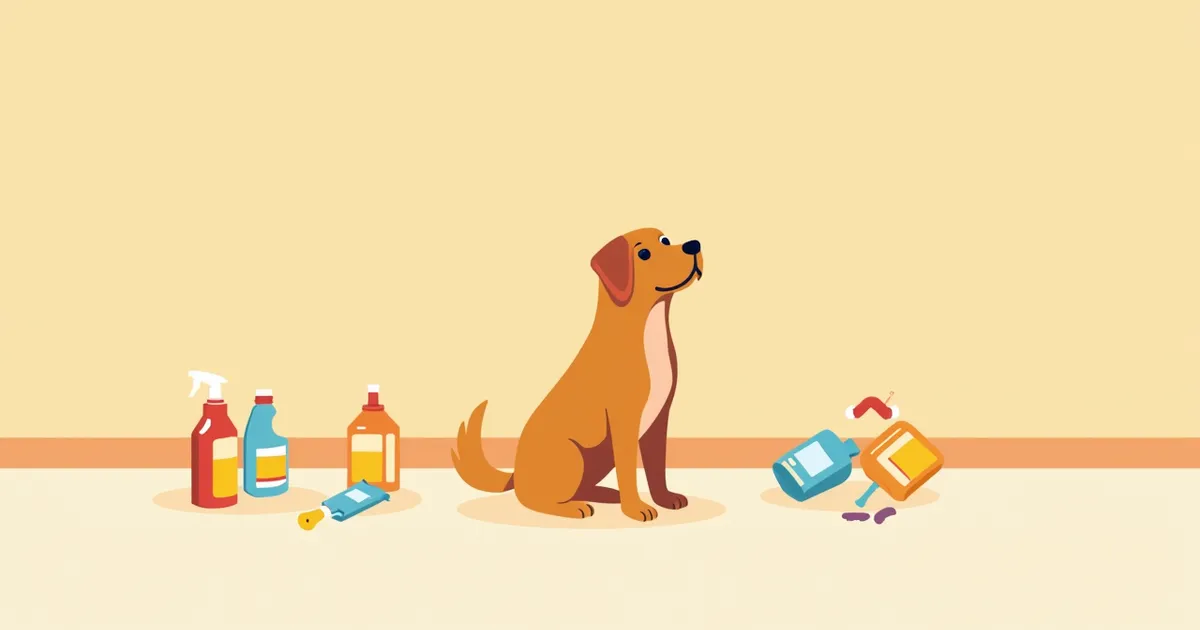
My Dog Licked Bleach — Signs of Oral Burns and Proper Emergency Response
We’ve compiled the symptoms, emergency response steps, and actions you should never take at home if your dog licks or ingests bleach, laundry detergent, or kitchen cleaners.
What Is Bleach and Detergent Poisoning in Dogs?

Which Products Are Dangerous? — Toxicity by Product Type
Checklist of Main Symptoms of Bleach and Detergent Poisoning in Dogs

Go to an Emergency Veterinary Clinic Immediately in These Cases!
Seek emergency veterinary care immediately if you notice any of the following symptoms. Conditions such as difficulty breathing or seizures can deteriorate within minutes. • Difficulty breathing or persistent coughing • Seizures, decreased consciousness, or collapse • Blood in vomit • Severe abdominal pain (whining or tensing when the abdomen is touched) • Ingestion of a large amount of concentrated liquid
Diagnostic Methods at the Veterinary Clinic
Treatment at the Veterinary Clinic — Step-by-Step Procedures
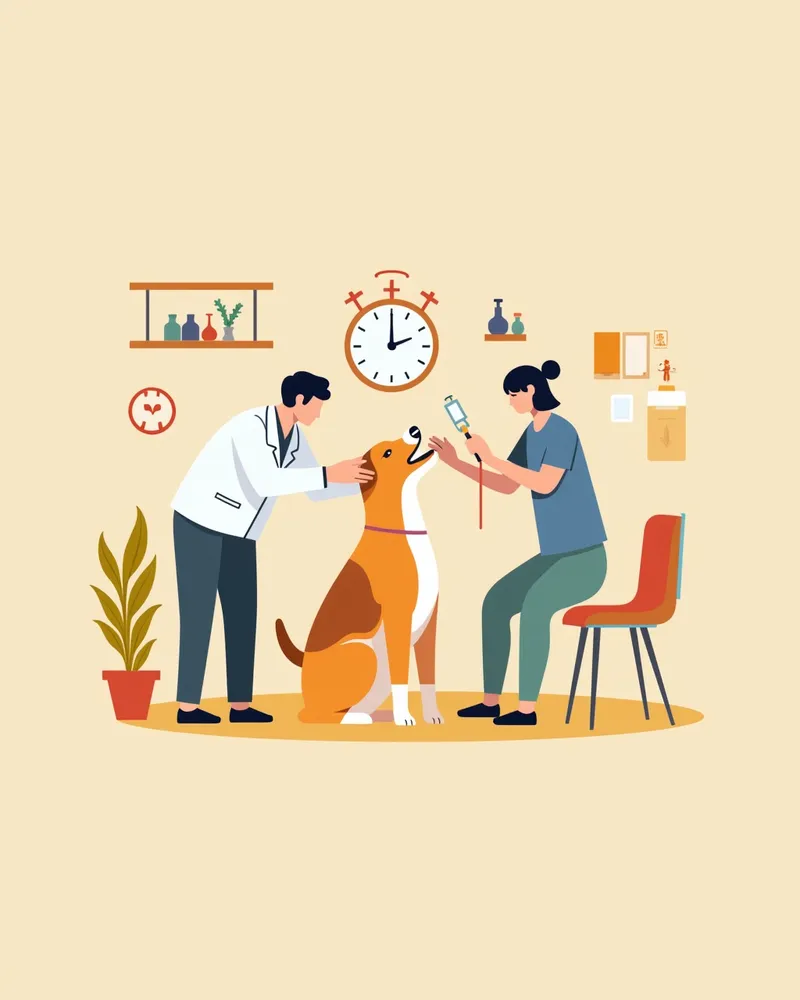
Emergency First Aid You Can Do at Home Before Going to the Clinic
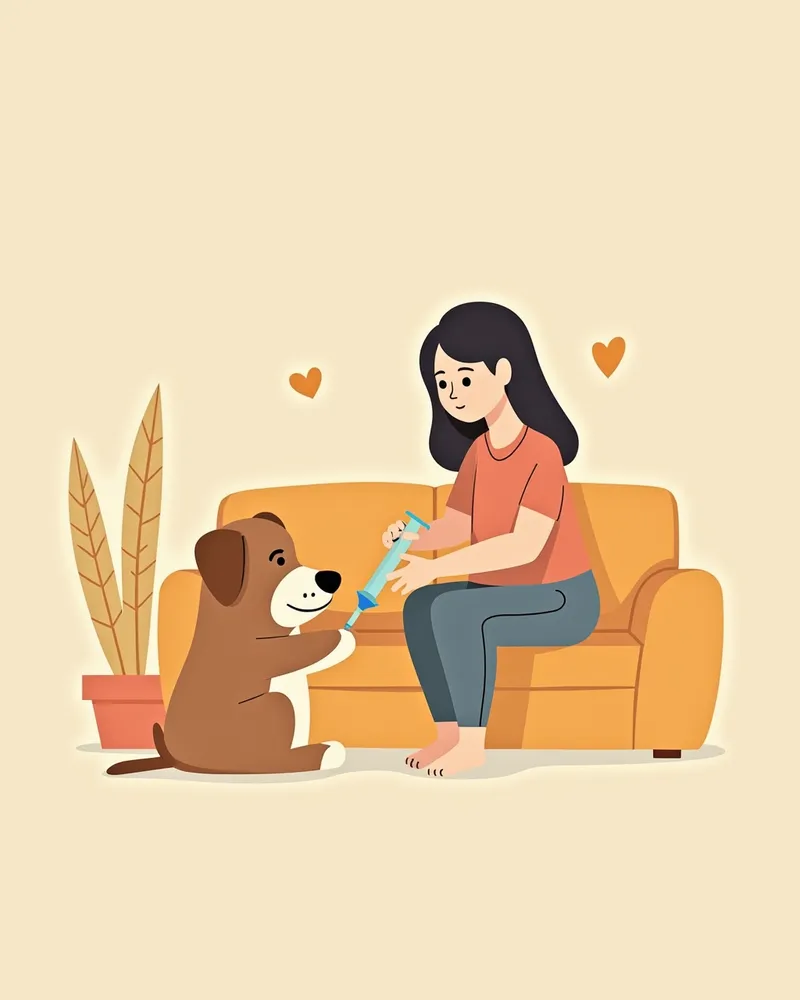
Additional Precautions for Small Breeds, Senior Dogs, and Pets with Underlying Conditions
Small dogs are more susceptible to faster-onset symptoms because their smaller body size means a higher exposure per unit of body weight, even when ingesting the same amount. Since surfactants are metabolized in the liver, senior dogs with liver disease may experience delayed metabolism and detoxification, making even small ingestions more dangerous. Similarly, dogs with compromised kidney function may recover more slowly. In these cases, it is safest to contact or visit your veterinarian immediately, even if your dog has only lightly licked the substance.
Reviewed by a veterinarian

Dr. Tony — Punnawat Phongkittirak
VeterinarianA veterinarian who majored in veterinary medicine at Khon Kaen University, Thailand, and completed the IVSA program at North Carolina State University in the United States. Drawing on clinical experience at animal hospitals, he works in the pet healthcare field and is dedicated to building a digital care environment that connects pet parents with veterinarians.
Reviewed 2026-06-01
Frequently Asked Questions
My dog licked a small amount of bleach. Is it okay?
Is it okay to induce vomiting at home?
How soon should I go to the vet?
Is it also dangerous to inhale bleach fumes?
What is the most dangerous ingredient in detergent poisoning?
Share
Related Guides

Top 5 Emergency Poisoning Kits for Dogs Recommended by Veterinarians
7 Emergency Checklist Items for Cat Poisoning — Signs to Check Immediately After Exposure

Comprehensive Guide to Summer Heat Management, Heatstroke Prevention, Symptoms, Causes, Diagnosis, Treatment, and Care for Dogs

Dog Neutering Surgery: Pros and Cons, Symptoms and Causes, Diagnosis, Treatment, and Management Points Summary

Comprehensive Guide to Puppy Socialization Critical Period (3–14 Weeks): Symptoms, Causes, Diagnosis, Treatment, and Management

Puppy Basic Vaccination Schedule: Symptoms, Causes, Diagnosis, Treatment, and Management Essentials

Dog Age Conversion Formula: Symptoms, Causes, Diagnosis, Treatment, and Care Points Summary

Optimal Timing for Dog Neutering: Symptoms, Causes, Diagnosis, Treatment, and Care Points Summary

Puppy Nutritional Counseling and Diet Selection: Symptoms, Causes, Diagnosis, Treatment, and Management Essentials

Dog Nail Care: A Complete Guide to Symptoms, Causes, Diagnosis, Treatment, and Management
References
[1] Hovda LR, Brutlag AG, Poppenga RH, Peterson KL, Blackwell's Five-Minute Veterinary Consult Clinical Companion: Small Animal Toxicology, 3rd Ed, Wiley-Blackwell, 2016
[2] Schaer M (ed.), Clinical Medicine of the Dog and Cat, 4th Ed, CRC Press, 2022
[3] Plumb DC, Plumb's Veterinary Drug Handbook, 10th Ed, Wiley-Blackwell, 2023
[4] Drobatz KJ, Costello MF (eds.), Feline Emergency and Critical Care Medicine, 2nd Ed, Wiley-Blackwell, 2011