

Brachycephalic Obstructive Airway Syndrome (BOAS) in Dogs: Symptoms, Causes, Diagnosis, Treatment, and Management Essentials
Brachycephalic Obstructive Airway Syndrome (BOAS) is a condition that causes breathing difficulties in brachycephalic dog breeds due to abnormal airway structures. Early diagnosis and proper management are essential.
What is Brachycephalic Obstructive Airway Syndrome (BOAS) in Dogs?
What are the Main Causes of BOAS?
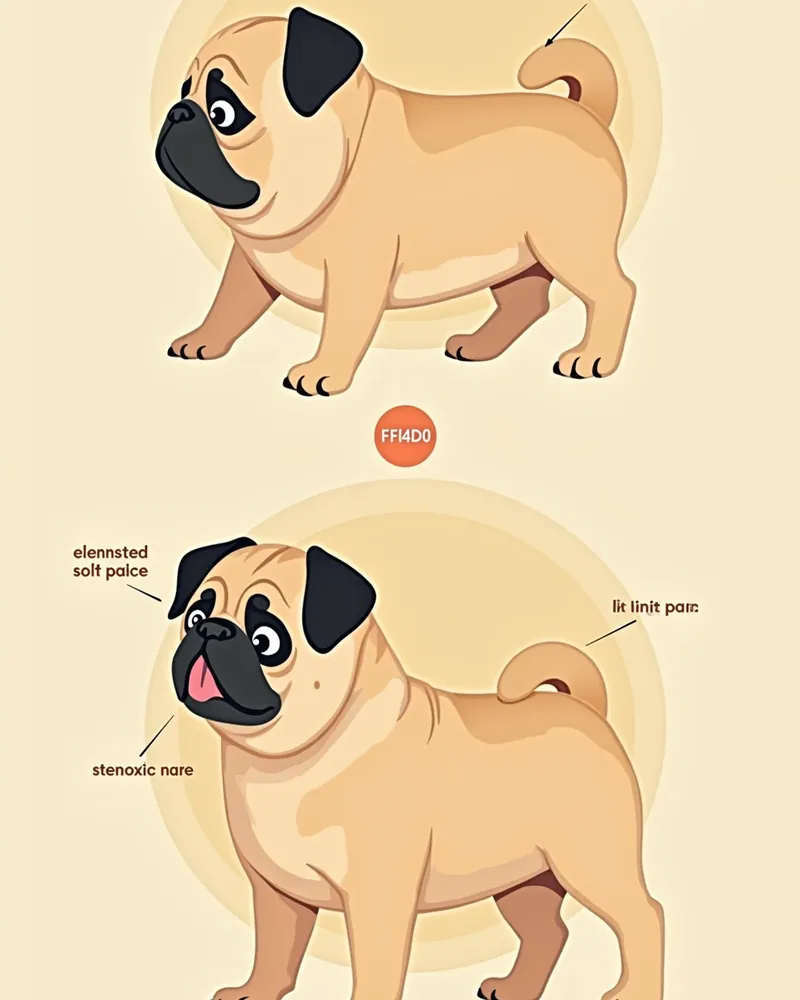
What are the Main Symptoms of BOAS?
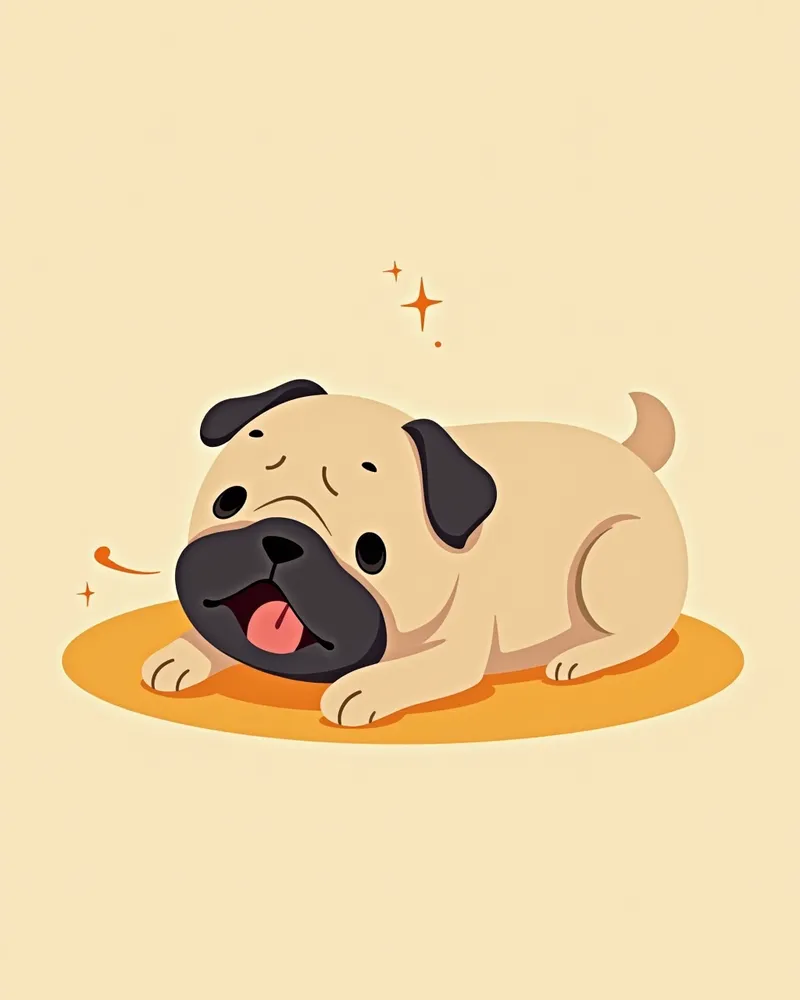
Symptoms Requiring Immediate Veterinary Attention
If your dog suddenly has difficulty breathing, has blue gums, faints, or has severe difficulty swallowing, consult a veterinarian immediately. These are signs of acute respiratory distress that can be life-threatening. Be especially cautious if these symptoms occur during the summer or after exercise.
How is BOAS Diagnosed?
What are the Treatment Options for BOAS?

BOAS Management Tips at Home
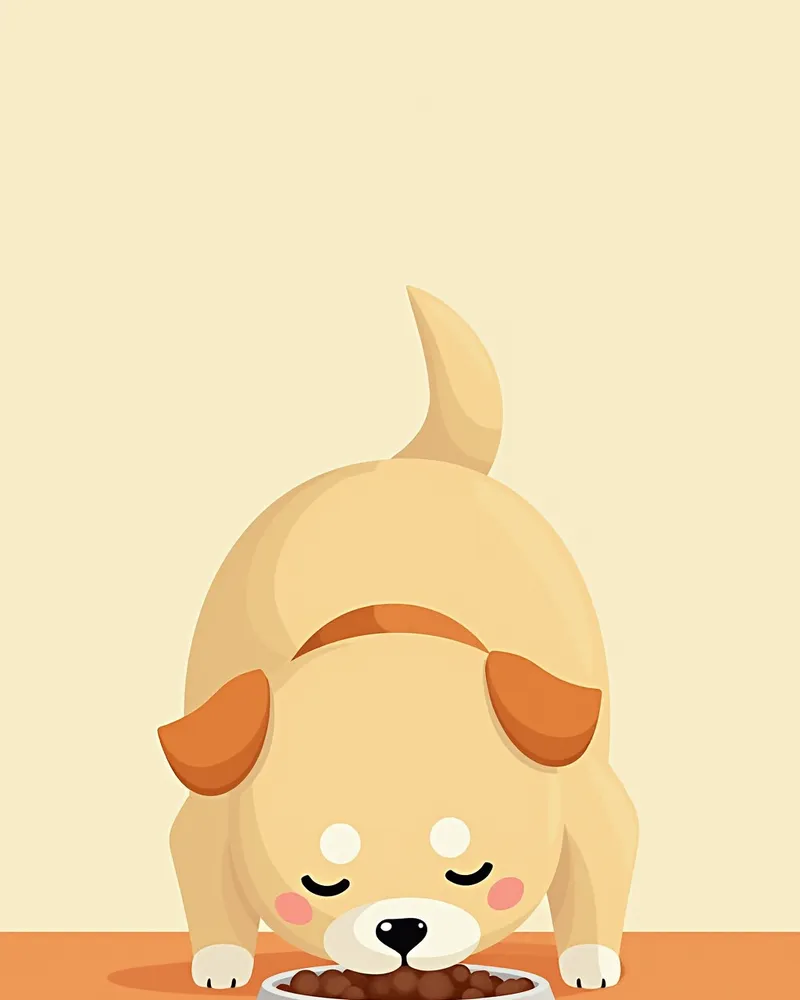
Breed-Specific Precautions and Prevention of Recurrence
Brachycephalic breeds such as English and French Bulldogs, Pugs, Pekingese, Shih Tzus, and Boston Terriers are at a higher risk of developing Brachycephalic Obstructive Airway Syndrome (BOAS). In particular, selecting breeding pairs without considering airway anatomy can exacerbate the condition. It is important to consult with a veterinarian before planning any breeding. Additionally, consistent environmental management and weight control remain essential even after surgery.
Reviewed by a veterinarian

Dr. Tony — Punnawat Phongkittirak
VeterinarianA veterinarian who majored in veterinary medicine at Khon Kaen University, Thailand, and completed the IVSA program at North Carolina State University in the United States. Drawing on clinical experience at animal hospitals, he works in the pet healthcare field and is dedicated to building a digital care environment that connects pet parents with veterinarians.
Reviewed 2026-06-29
Frequently Asked Questions
Can BOAS be completely cured?
Which breeds are more susceptible to BOAS?
How long does the recovery period after surgery take?
Can dogs with BOAS go for walks?
Is BOAS hereditary?
Comparison Table of BOAS Treatment Methods
| Item | Effectiveness Level | Recovery Period | Precautions |
|---|---|---|---|
| Nostril widening surgery | High | Can resume within 1–2 weeks | Walk restriction required |
| Soft tissue resection surgery | Very high | Possible to resume within 2–3 weeks | Be careful with food intake |
| Airway support surgery | Very high | May take several weeks to several months | Regular check-ups essential |
| Obesity management | Moderate | Ongoing management required | Meal portion control required |
The treatment method is chosen based on the severity of symptoms; decide after consulting your veterinarian.
Share
Related Guides
Top Recommended Feline Bronchodilators and Selection Criteria: A Complete Guide
Best Recommendations and Selection Criteria for Monitoring Your Cat’s Respiratory Rate (RR) During Sleep for Heart Care
Top Recommended Products for Managing Canine Tracheal Collapse and Selection Criteria
If Your Dog Is Drinking Excessive Water and Showing Lethargy — Causes and Treatment of Parathyroid Hypercalcemia
Comprehensive Guide to Hormonal Changes After Dog Neutering: Symptoms, Causes, Diagnosis, Treatment, and Management
If Your Dog Suddenly Panting and Trembling — From Symptoms to Treatment of Adrenal Medullary Tumors
If Your Dog Keeps Trembling and Having Seizures — Hypoparathyroidism, Hypocalcemia Symptoms, and Treatment
If Your Dog Keeps Vomiting and Is Lethargic — Symptoms and Treatment of Addison’s Disease (Hypoadrenocorticism)
If Your Dog Is Drinking Excessive Water and Showing Lethargy — Causes of Hypercalcemia and When to Visit the Vet
Complete Guide to Monitoring Blood Glucose Curves in Dogs — From Measurement to Insulin Adjustment
References
[1] Rancan et al. (2013) Canine and Feline Respiratory Medicine, 3rd Edition. Elsevier.
[2] Bannasch et al. (2010) Brachycephalic Obstructive Airway Syndrome: A Congenital and Heritable Disorder in Dogs. Journal of Veterinary Internal Medicine.
[3] Notes on Canine Internal Medicine, 4th Edition. Blackwell Publishing. Chapter 5.10.2 Upper Airway Disorders.