

When to Start Oral Check-ups for Your Cat? — Signs Not to Miss and Recommended Frequency
We recommend annual oral health check-ups for cats, as early detection is key to successful treatment of dental diseases. This guide covers everything you need to know, including common symptoms, causes, diagnostic methods, and care tips.
Annual Oral Check-ups Are Recommended for Cats

The Main Causes of Oral Disease Are Tartar and Bacterial Accumulation

Checklist of Main Symptoms of Oral Disease

Symptoms Requiring Immediate Veterinary Visit
If your cat refuses to open its mouth, completely stops eating, has bleeding around the mouth, or shows signs of pain by twisting its face, you should take it to the vet immediately. These could be signs of serious dental damage or an oral infection. Delaying treatment can lead to systemic infections or organ damage.
Comparison of Recommended Oral Check-up Intervals for Cats
| Item | Age | Check-up Interval | Key Management Points | Precautions |
|---|---|---|---|---|
| Kitten (0–1 year) | At least once a year | Regular observation | Check deciduous tooth replacement and oral cleanliness | Check for congenital abnormalities such as malocclusion |
| Young adult cat (1–6 years) | Once a year | Early plaque and tartar prevention | Home brushing and dietary management | Watch for bad breath |
| Middle age (7–10 years) | At least once a year | Regular check-ups and oral cleaning | Inspect teeth and gum condition | Systemic health evaluation |
| Senior (10 years and older) | At least once a year (every 6 months if needed) | In-depth examination | Systemic health evaluation | Pre-assessment of anesthesia risk |
Senior cats may have a higher anesthesia risk, so their overall health condition should be assessed in advance.
Recommended Practices by Feline Oral Examination Interval
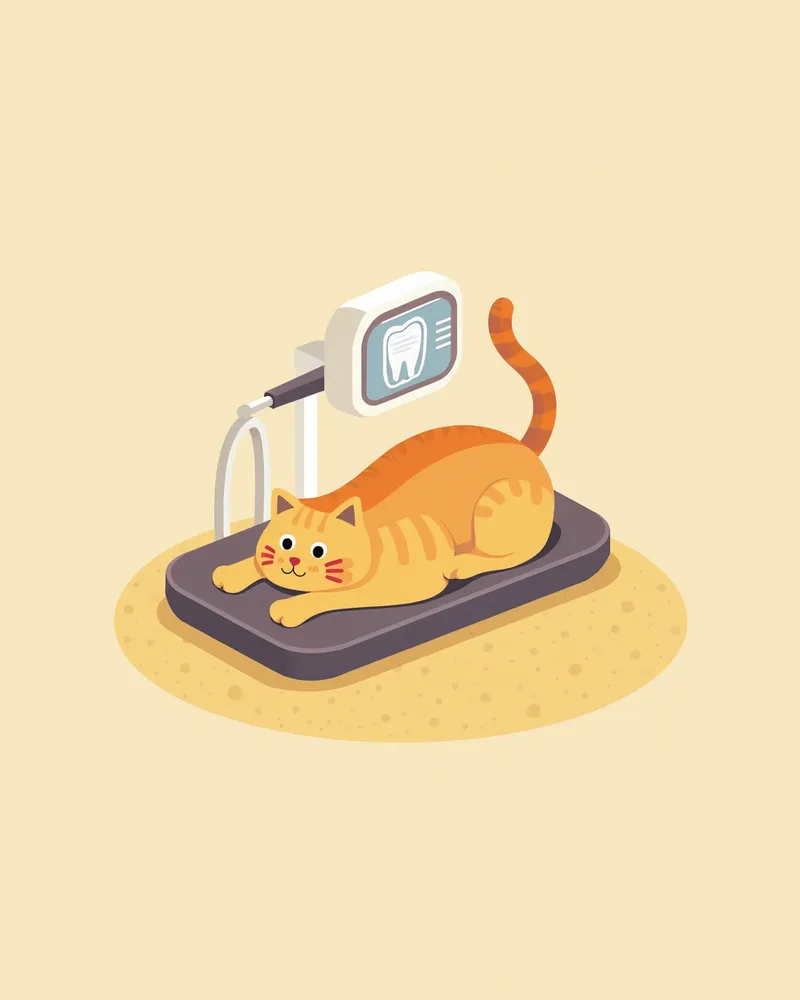
Treatment Is Conducted in Stages

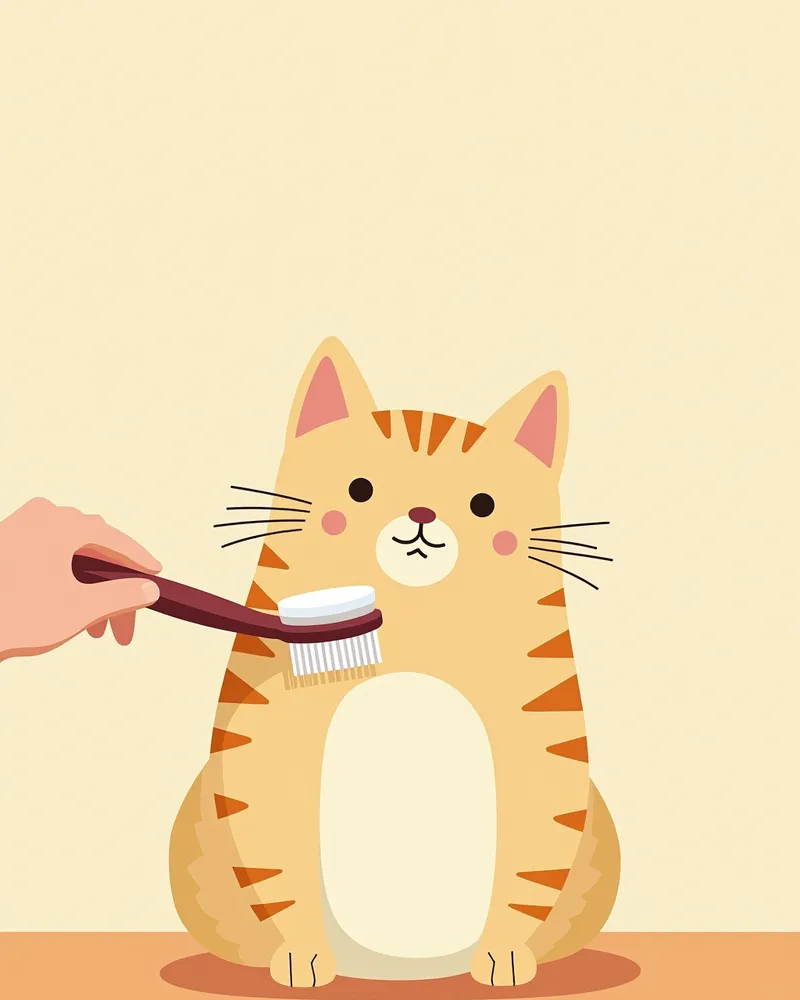
Oral Care and Maintenance at Home
Breed-Specific Precautions for Feline Oral Disease
The risk of oral disease can vary by breed. Brachycephalic breeds with short muzzles, in particular, are more prone to dental misalignment and malocclusion, making them more susceptible to oral health issues. Additionally, congenital dental and occlusal abnormalities can accelerate the progression of tartar buildup and gum inflammation. It’s a good idea to discuss breed-specific health predispositions during regular check-ups, and consistent veterinary examinations along with at-home care are especially important for all breeds.
Reviewed by a veterinarian

Dr. Tony — Punnawat Phongkittirak
VeterinarianA veterinarian who majored in veterinary medicine at Khon Kaen University, Thailand, and completed the IVSA program at North Carolina State University in the United States. Drawing on clinical experience at animal hospitals, he works in the pet healthcare field and is dedicated to building a digital care environment that connects pet parents with veterinarians.
Reviewed 2026-06-07
Frequently Asked Questions
How often should I have my cat’s mouth checked?
Does an oral examination require anesthesia?
Can oral diseases affect overall health?
How do I brush my pet’s teeth at home?
What kind of oral health treats are good?
Share
Related Guides

7 Best Cat Dental Chews for Tartar Prevention Recommended by Veterinarians and Selection Criteria

Top 5 Recommended Dental Treats for Dogs in 2026 — VOHC Certification Criteria

7 Criteria for Choosing Dog Tartar Prevention Dental Chews Recommended by Veterinarians

My Cat Won’t Eat After Starting Cancer Treatment — Side Effect Signals and Home Care Management Points

If Your Cat Suddenly Shows Seizures or Abnormal Behavior — Causes, Diagnosis, and Treatment Timing for Brain Tumors

If Your Cat’s Abdomen Is Distended — Differentiating Intra-Abdominal Tumors and Signs to Visit the Vet
If Your Dog’s Belly Is Bloated — Portal Hypertension Symptoms and When to Visit the Vet
Is a Liver Biopsy Necessary for Dogs? — Key Guide to Timing, Procedure, and Management
If Your Dog Suddenly Develops a Fever and Jaundice — Symptoms and Treatment of Canine Leptospiral Liver Involvement

If Your Dog’s Eyes and Gums Are Yellow — Causes of Jaundice and When to Visit the Vet
References
[1] Ettinger, S.J., Feldman, E.C., Côté, E. (2017). Textbook of Veterinary Internal Medicine: Diseases of the Dog and the Cat. 8th ed. St. Louis, MO: Elsevier.
[2] Vogt, A.H., Rodan, I., Brown, M., et al. (2010). AAFP-AAHA Feline Life Stage Guidelines. Journal of the American Animal Hospital Association, 46(1), 70–85.
[3] Logan, E.I. (2006). Dietary influences on periodontal health in dogs and cats. Veterinary Clinics of North America: Small Animal Practice, 36(6), 1385–1401.