

If Your Dog Suddenly Loses Weight and Drinks Excessive Water — Causes of Diabetes and Timing for Treatment
Canine diabetes is an endocrine disorder in which insufficient insulin makes it difficult to regulate blood sugar levels. Early detection and consistent management are key to improving survival rates.
Canine Diabetes Is a Condition in Which Blood Sugar Control Becomes Difficult Due to Insulin Deficiency

The Main Causes Are Impaired Insulin Production and Reduced Sensitivity
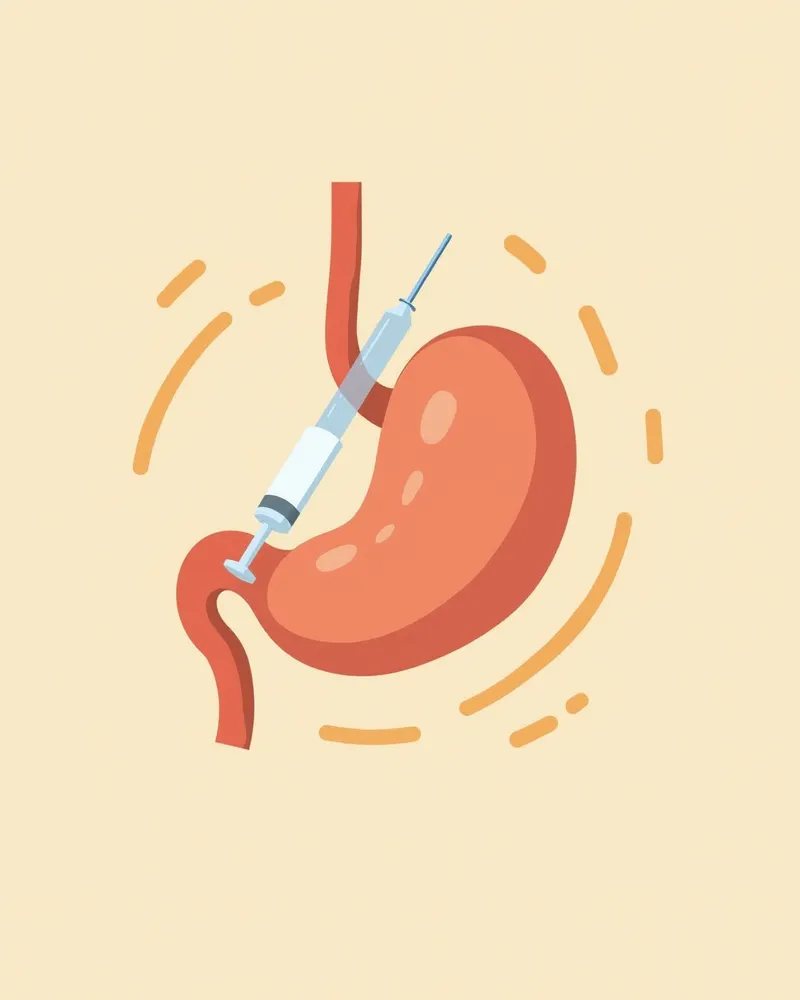
The Main Symptoms Are Polyuria, Polyphagia, Polydipsia, and Weight Loss

Emergency Signs Requiring Immediate Veterinary Visit
If your dog loses consciousness, experiences severe vomiting or diarrhea, has difficulty breathing, or shows muscle spasms, diabetic ketoacidosis should be suspected. This is a life-threatening emergency. You must seek immediate veterinary care or transport your dog to an emergency clinic right away.
Diagnosis Is Confirmed Through Blood Tests and Urinalysis

Treatment Consists of Insulin Injections and Dietary Management
Home Management Centers on Daily Monitoring and a Consistent Routine

Certain Breeds Have a Higher Risk of Developing Diabetes
Certain breeds are known to have a genetic predisposition that puts them at a relatively higher risk for developing diabetes. Additionally, the risk increases in older, spayed or neutered dogs, especially if they are overweight. Since the degree of genetic influence varies by breed, it’s important to work with your veterinarian to create a prevention and management plan tailored to your pet’s specific breed, age, and weight.
Reviewed by a veterinarian

Dr. Tony — Punnawat Phongkittirak
VeterinarianA veterinarian who majored in veterinary medicine at Khon Kaen University, Thailand, and completed the IVSA program at North Carolina State University in the United States. Drawing on clinical experience at animal hospitals, he works in the pet healthcare field and is dedicated to building a digital care environment that connects pet parents with veterinarians.
Reviewed 2026-06-01
Frequently Asked Questions
Can a dog’s diabetes be cured?
Can a dog with diabetes die suddenly?
Does the insulin injection hurt?
Will reducing food intake lower blood sugar levels?
Can dogs with diabetes still go for walks?
Share
Related Guides

Top 5 Prescription Dog Foods for Diabetes Recommended by Veterinarians — Blood Sugar-Stabilizing Food Comparison

7 Key Products for Managing Feline Hypercalcemia Recommended by Veterinarians and Selection Criteria

7 Key Points for Canine Thyroid T4 Testing by Veterinarians — From Timing to Result Interpretation

Feline Eosinophilic Granuloma: Symptoms, Causes, Diagnosis, Treatment, and Management Essentials

If Your Dog Has Dandruff and Oily Skin — Causes and Treatment Timing for Seborrheic Dermatitis

Why Is My Cat Constantly Licking and Smelly? — Causes and Treatment of Malassezia Dermatitis

If Your Dog Keeps Scratching and Smells Bad — Causes and Treatment Timing for Malassezia Dermatitis

If Your Cat’s Nasal Congestion Won’t Go Away — Causes and Treatment Points for Chronic Rhinitis and Rhinosinusitis

If Your Dog Keeps Sniffling — Causes and Treatment Timing for Rhinitis and Rhinosinusitis

Feline Pulmonary Edema: Symptoms, Causes, Diagnosis, Treatment, and Care Essentials
References
[1] The Dog Care Handbook, Things I Wish My Vet Had Told Me, 2023
[2] Notes on Canine Internal Medicine, 4th Ed, 2021
[3] Clinical Medicine of the Dog and Cat, 4th Ed, 2020