Like
Share
멍실장
고양이 니코틴중독 증상과 응급 대처법, 위험 섭취량과 예방까지 총정리

Cat Nicotine Poisoning: Symptoms, Emergency Response, Dangerous Dosage, and Prevention

Emergency/ToxicityDiseasesMeongsiljang Veterinary Advisory Board

Nicotine poisoning in cats occurs when they ingest tobacco, e-cigarettes, or nicotine patches, with symptoms appearing as quickly as 15 minutes after exposure. Immediate veterinary care is essential to save your cat’s life.

What Is Cat Nicotine Poisoning?

Emergency situation: nicotine poisoning in cats — a worried owner holding their cat
Feline nicotine poisoning is a toxic condition that occurs when nicotine from cigarettes, e-cigarettes, nicotine patches, and similar products is absorbed into a cat’s body, initially stimulating and then subsequently depressing the nervous and cardiovascular systems. Because nicotine acts rapidly, symptoms typically begin within minutes of ingestion and usually manifest within four hours. The most critical point to remember is that cats can develop poisoning symptoms even after exposure to very small amounts. Therefore, if you suspect your cat has been exposed to any nicotine-containing product, contact your veterinarian immediately for guidance, even if no symptoms are yet apparent.

How Cats Are Exposed to Nicotine

Cats can ingest nicotine by directly chewing or licking cigarette butts, tobacco leaves, chewing tobacco, e-cigarette cartridges, nicotine patches, nicotine gum, or lozenges. Nicotine can also be absorbed through the skin and mucous membranes, so products that come into contact with the skin, such as nicotine patches, are also dangerous. E-liquid (e-juice) for e-cigarettes also contains nicotine, which can be absorbed if licked or if it comes into contact with the body. Cigarette butts in trash cans, ashtrays, and nicotine products dropped on the floor are common sources of exposure.

Main Symptoms of Cat Nicotine Poisoning

Symptoms typically begin within minutes of ingestion and usually appear within four hours. Use the checklist below for a quick assessment.
Vomiting and excessive drooling: These are early signs caused by gastrointestinal irritation.
Restlessness and agitation: The nervous system becomes overstimulated, making it difficult for the pet to settle.
Tremors and seizures: These occur as muscle control is compromised.
Dilated pupils: Sympathetic nervous system overactivity can cause the pupils to abnormally enlarge.
Irregular heart rate: The heartbeat may become erratic, speeding up or slowing down.
Decreased consciousness and difficulty breathing: These are dangerous signs indicating severe progression.
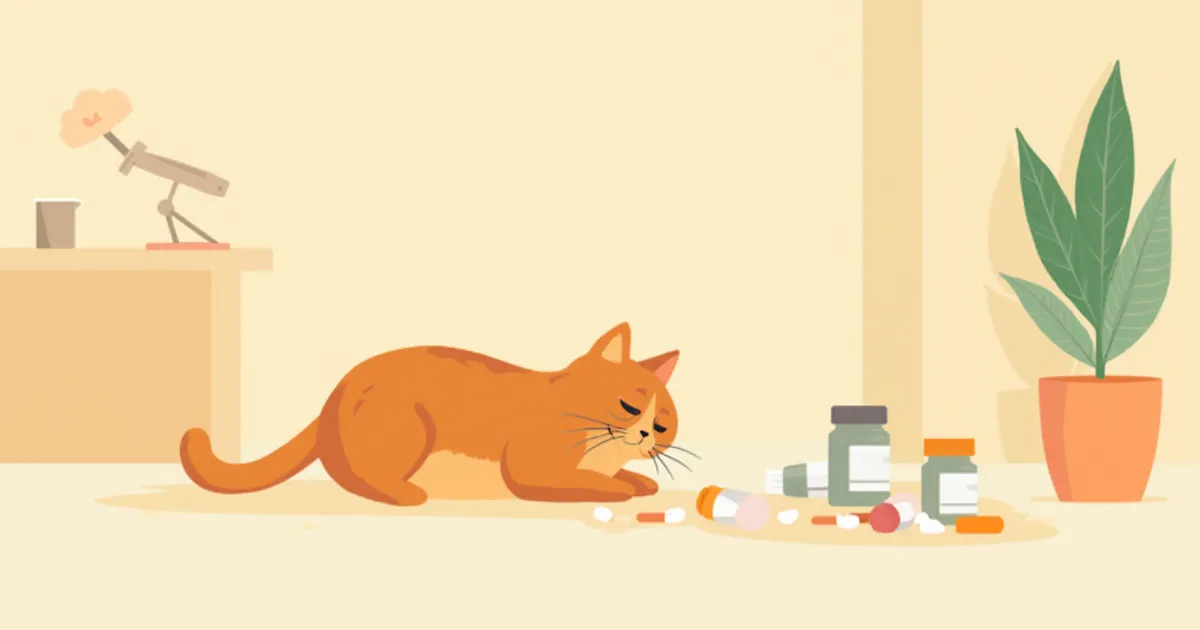
Cats showing signs of nicotine poisoning — lethargy and dilated pupils

If You See These Symptoms, Go to an Emergency Animal Hospital Immediately

If your pet experiences seizures, loss of consciousness (such as collapsing), difficulty breathing, or foaming at the mouth, take them to a 24-hour emergency animal hospital immediately. Do not induce vomiting or force them to eat or drink during transport. Bringing the ingested product (including packaging from cigarettes or e-cigarettes) to the hospital will greatly assist with diagnosis.

Dangerous Nicotine Dosage for Cats

Cats are more vulnerable to nicotine toxicity, as even small amounts can be dangerous due to their lower body weight. According to veterinary textbooks, the minimum lethal dose of nicotine for dogs and cats ranges from 20 to 100 mg, and symptoms of poisoning can occur with as little as 1 mg per kilogram of body weight. Therefore, even ingesting a small amount can pose a serious risk. A single nicotine patch contains approximately 8.3 to 114 mg of nicotine, and used patches still retain significant amounts. It is essential to dispose of them safely by sealing them securely.

Treatment for Nicotine Poisoning at the Animal Hospital
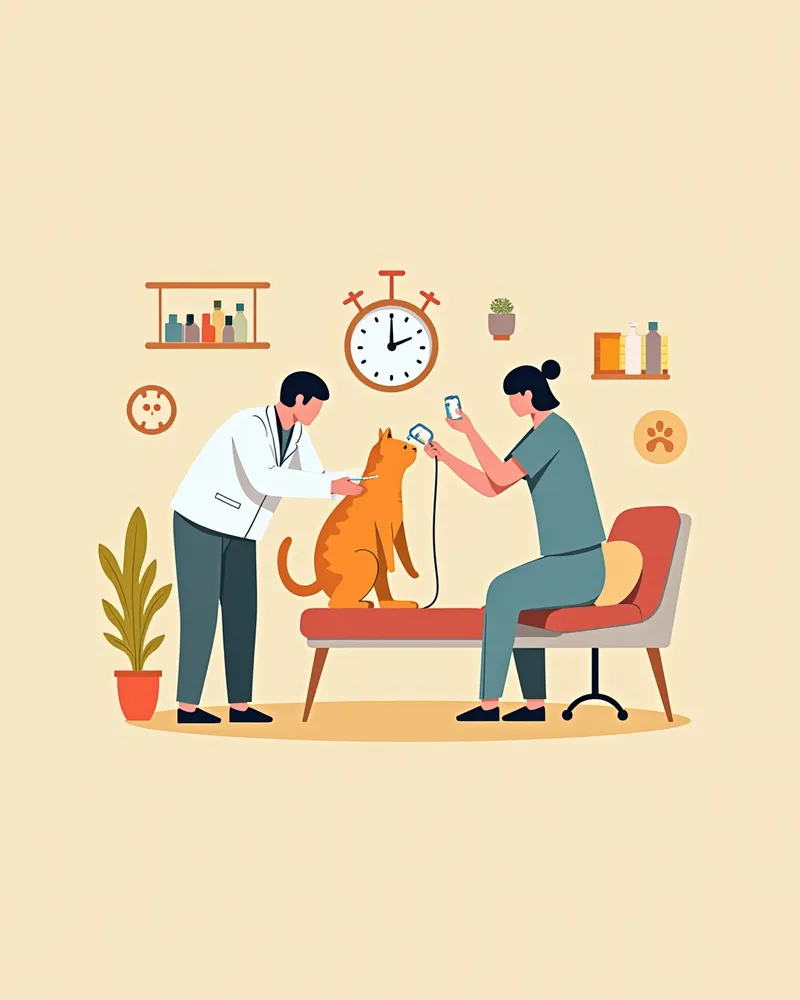
The veterinarian will determine the treatment plan based on when and how much was ingested, as well as the current symptoms. If there are no symptoms, we induce vomiting to expel the nicotine from the stomach and administer activated charcoal to reduce further absorption. However, if the pet has already vomited or is showing symptoms, we avoid forcing vomiting. Instead, we provide intravenous fluids to protect the kidneys and aid in nicotine elimination, along with additional medications as needed for seizures or abnormal heart rhythms. In mild cases, symptoms typically last 1–2 hours, while severe cases may persist for 18–24 hours. With appropriate treatment, most pets recover within 24–72 hours.
A cat receiving intravenous fluid therapy at a veterinary clinic — treatment process for nicotine poisoning

Emergency Steps You Can Take at Home Before Going to the Hospital
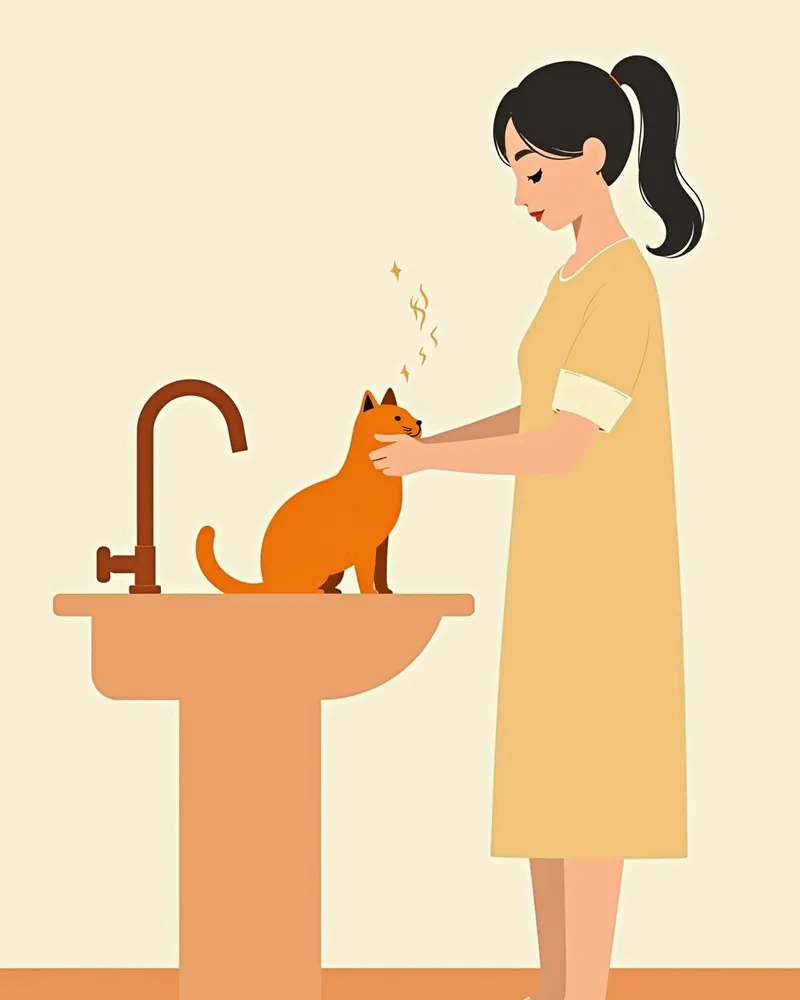
If you suspect your pet has ingested nicotine, call your veterinarian immediately for guidance. Do not attempt to induce vomiting at home or force your pet to drink water or milk, as this can be dangerous. If e-liquid has gotten on your pet’s skin or fur, gently wash the area with lukewarm water right away. Write down the type and amount of product ingested, along with the time of exposure, as this information will greatly assist your veterinarian in determining the appropriate treatment plan.
Removing nicotine e-liquid from your cat’s fur — emergency first aid before visiting the vet

Owner Checklist for Preventing Nicotine Poisoning

Keep cigarette butts, e-cigarette cartridges, and nicotine patches out of your cat’s reach. Wash your hands after smoking and avoid smoking indoors. Use a trash can with a lid to prevent your cat from accessing cigarette butts. Always seal used nicotine patches before disposing of them.

Reviewed by a veterinarian

Dr. Tony — Punnawat Phongkittirak

Dr. Tony — Punnawat Phongkittirak

Veterinarian

A veterinarian who majored in veterinary medicine at Khon Kaen University, Thailand, and completed the IVSA program at North Carolina State University in the United States. Drawing on clinical experience at animal hospitals, he works in the pet healthcare field and is dedicated to building a digital care environment that connects pet parents with veterinarians.

Frequently Asked Questions

My cat chewed on a cigarette butt, but there are no symptoms right now. Is it okay to wait and see?
Even if your pet shows no symptoms, contact your veterinarian immediately. Nicotine is rapidly absorbed, and symptoms can begin within minutes of ingestion, often appearing suddenly within four hours. Depending on the veterinarian’s assessment, treatments such as inducing vomiting or administering activated charcoal may be necessary.
Is e-liquid more dangerous than regular cigarettes?
This can be dangerous. E-cigarette liquids contain nicotine, and because they are in liquid form, they can be absorbed through the skin and mucous membranes. Even if the amount seems small, it’s safest to contact your veterinarian immediately if your pet has been exposed to any nicotine product.
Is secondhand smoke dangerous for cats too?
Secondhand smoke rarely causes acute nicotine poisoning in a single exposure. However, since exposure to cigarette smoke is harmful to pets, it's best to avoid smoking indoors and ensure good ventilation.
Can nicotine poisoning be completely cured with treatment?
Most pets can make a full recovery if the condition is detected and treated early. However, the prognosis may worsen if the disease has progressed to the point of seizures or respiratory paralysis. Prompt action plays a crucial role in determining the outcome.
Are nicotine patches or gum also dangerous?
Yes, it is very dangerous. Nicotine patches contain high concentrations of nicotine, and a significant amount remains even in used patches. If a cat chews or licks a patch, the nicotine can be rapidly absorbed through the skin or mucous membranes, leading to poisoning.

Share

Related Guides

References

[1] Hovda LR, Brutlag AG, Poppenga RH, et al. Blackwell's Five-Minute Veterinary Consult Clinical Companion: Small Animal Toxicology, 3rd Edition. Wiley-Blackwell, 2016.

[2] Schaer M. Clinical Medicine of the Dog and Cat, 4th Ed. CRC Press, 2022.

[3] Plumb DC. Plumb's Veterinary Drug Handbook, 10th Ed. Wiley-Blackwell, 2022.

[4] Drobatz KJ, Costello MF. Feline Emergency and Critical Care Medicine, 2nd Ed. Wiley-Blackwell, 2020.

This information is based on veterinary literature and does not replace diagnosis or treatment. Please consult a veterinarian for specific health concerns.

Metapet Co., Ltd. | CEO: Park Sung-yong | Business Reg. No. 417-88-02562 | Seoul, South Korea | Customer Center

Cat Nicotine Poisoning: Symptoms, Emergency Care, and Prevention | Meongsiljang