Like
Share
멍실장
강아지 림프종 개 증상과 원인, 진단·치료와 관리 포인트 총정리

Lump on Dog's Neck — Lymphoma Warning Signs and Diagnosis/Treatment Timing

Oncology/CancerDiseasesMeongsiljang Veterinary Advisory Board

Canine lymphoma is a common malignant tumor, with main symptoms including swollen lymph nodes, weight loss, and fatigue. Early diagnosis and appropriate treatment can significantly extend survival time.

What Is Canine Lymphoma?

Appearance of swollen lymph nodes in dogs
Canine lymphoma is a malignant tumor caused by the abnormal proliferation of lymphatic system cells. It can spread not only to lymph nodes throughout the body but also to various organs, including the liver, spleen, lungs, heart, and mediastinum. Lymphoma is one of the most commonly diagnosed malignant tumors in dogs, particularly in middle-aged and older dogs. Early symptoms are often mild and easily overlooked. The location of lymph node involvement and the clinical stage are important factors that influence treatment response and prognosis, making early detection crucial. Since lymphoma can progress beyond simple lymph node swelling to cause systemic health deterioration, careful observation by pet owners is essential.

What Are the Main Causes of Lymphoma?

The exact cause of canine lymphoma remains unclear, and while multiple factors are thought to be involved, no single factor has been proven to have a strong causal link. Genetic predisposition is suggested by the higher incidence in certain breeds, such as Boxers, Bulldogs, Doberman Pinschers, Golden Retrievers, Labrador Retrievers, and Scottish Terriers. Immunosuppression or immune system abnormalities are also considered risk factors. Additionally, environmental exposures, such as herbicides and other pollutants, are viewed as potential contributors. For reference, viral infection is primarily associated with feline leukemia virus (FeLV) in young cats with lymphoma, whereas no clear viral association has been established in dogs. These factors may interact to disrupt the normal regulation of lymphocyte growth. Therefore, early diagnosis and management are more critical than prevention.
Diagram of a dog's lymphatic system

Main Symptoms and Signs

Canine lymphoma can present with a variety of symptoms, so careful observation is essential for early detection.
Lymph node swelling: Noticeable lumps may form in areas such as the neck, under the jaw, or behind the shoulder blades. These lumps feel firm and do not move when touched.
Weight loss: Rapid weight loss can occur due to decreased appetite or metabolic changes.
Lethargy: Your dog may sleep throughout the day or show a sudden, significant drop in activity levels.
Loss of appetite: They may refuse treats or eat very little, often without chewing properly.
Difficulty breathing: Enlarged lymph nodes in the chest can compress the airway, making it hard to breathe.
Vomiting and diarrhea: If the lymphoma affects the gastrointestinal tract, signs of digestive upset may appear.
Lethargy in dogs caused by lymphoma

Symptoms Requiring Immediate Veterinary Visit

If your dog is experiencing difficulty breathing, severe vomiting and diarrhea, complete loss of appetite, or decreased consciousness, seek veterinary care immediately. These symptoms may indicate advanced lymphoma and could require emergency treatment.

How Is Diagnosis Performed?

To accurately diagnose canine lymphoma, several tests are performed in combination. First, a lymph node biopsy is conducted to confirm the presence of cancer cells and determine the specific type through histological classification. Blood tests evaluate overall health and organ function, while chest X-rays or abdominal ultrasounds check for metastasis. If necessary, MRI or CT scans provide detailed images of lesions in the brain or internal organs. A treatment plan is then developed based on these comprehensive evaluation results. An accurate diagnosis is the first step toward effective treatment.
The process of a lymph node biopsy in dogs

Treatment Methods and Step-by-Step Approach

Treatment for canine lymphoma varies depending on the patient’s condition and the type of lymphoma. Chemotherapy is generally the primary treatment approach.
CHOP Protocol: This combination of several drugs that inhibit cancer cells is highly effective.
Prednisolone Monotherapy: Used in early stages, it helps alleviate symptoms.
Lomustine Maintenance Therapy: Employed as maintenance treatment after repeated therapy cycles, it can prolong the duration of response.
Combination Chemotherapy: Tailored adjustments are made based on the location and extent of disease spread.
Supportive Care: Includes nutritional supplementation, immune system support, and pain management.
Appearance of a puppy during chemotherapy

Home Care Points

Home care plays a major role in treatment success, so consistent management is essential.
Medication Management: Administer medications exactly at the scheduled times. Missing doses or overdosing can be dangerous.
Dietary Management: Provide highly nutritious, easily digestible food. If your pet has a poor appetite, offer smaller, more frequent meals.
Activity Management: Avoid excessive exercise and maintain a comfortable environment.
Regular Check-ups: Continue periodic examinations throughout the treatment process.
Stress Reduction: Allow your pet to rest comfortably in a quiet space.
Record Keeping: Keep a log of symptom changes, medication responses, and food intake.
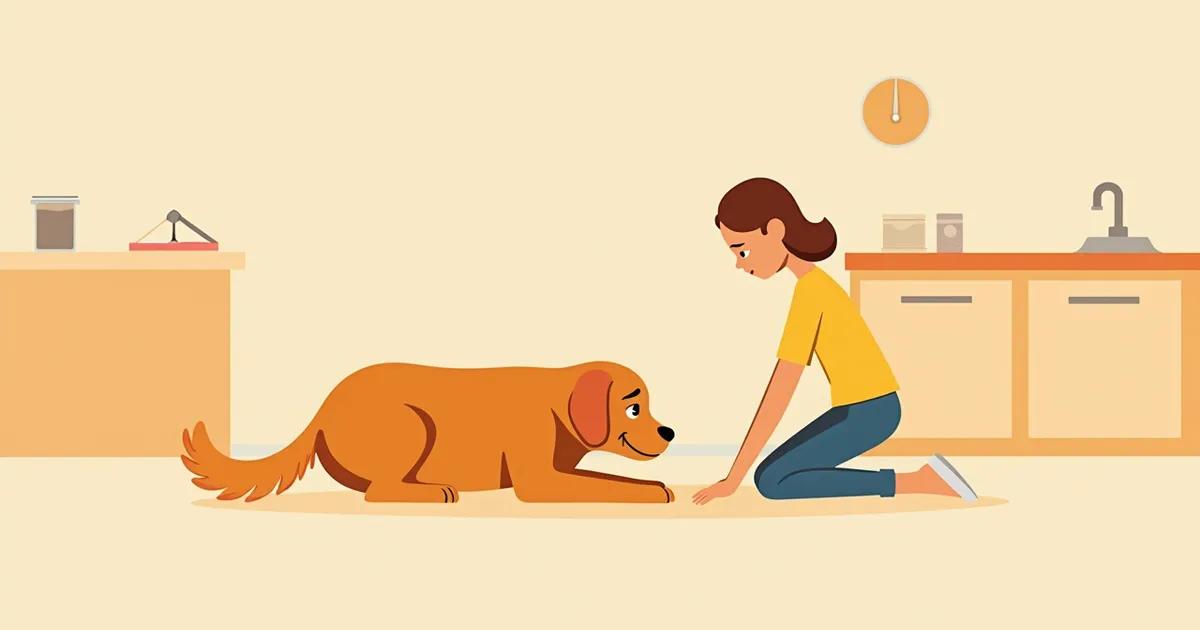
Creating a Comfortable Environment for Your Dog During Lymphoma Management

Breed-Specific Precautions and Prevention of Recurrence

Lymphoma has been reported to occur at a relatively higher rate in certain breeds, such as Boxers, Bulldogs, Doberman Pinschers, Golden Retrievers, Labrador Retrievers, and Rottweilers. For these breeds, regular health check-ups and early detection are especially important. Because there is a risk of recurrence even after treatment, it is essential to schedule periodic follow-up examinations and consistently monitor changes in lymph node size, appetite, and energy levels.

Reviewed by a veterinarian

Dr. Tony — Punnawat Phongkittirak

Dr. Tony — Punnawat Phongkittirak

Veterinarian

A veterinarian who majored in veterinary medicine at Khon Kaen University, Thailand, and completed the IVSA program at North Carolina State University in the United States. Drawing on clinical experience at animal hospitals, he works in the pet healthcare field and is dedicated to building a digital care environment that connects pet parents with veterinarians.

Frequently Asked Questions

Is canine lymphoma treatable?
Yes, in many cases, symptoms can be alleviated with treatment, and long-term management is possible. In particular, early diagnosis leads to excellent treatment outcomes.
What side effects can occur from the medications used to treat lymphoma?
Vomiting, diarrhea, loss of appetite, and fatigue are common. These symptoms are usually temporary and can be managed by a veterinarian through medication adjustments.
Can lymphoma be cured?
While a complete cure may be difficult, long-term survival and improved quality of life are achievable. The goal of treatment is to alleviate symptoms and extend the pet's lifespan.
Can lymphoma be transmitted to humans?
No, canine lymphoma is not contagious to humans. It is perfectly safe for your dog to live with family members.
When should I take my pet to the vet if they have lymphoma?
If your pet’s lymph nodes become swollen, they lose weight rapidly, or they stop eating, consult your veterinarian right away.

Share

Related Guides

References

[1] Clinical Medicine of the Dog and Cat, 4th Ed. Elsevier, 2023.

[2] Plumb's Veterinary Drug Handbook, 9th Ed. Wiley-Blackwell, 2022.

[3] Veterinary Oncology: Principles and Practice. Wiley-Blackwell, 2021.

This information is based on veterinary literature and does not replace diagnosis or treatment. Please consult a veterinarian for specific health concerns.

Metapet Co., Ltd. | CEO: Park Sung-yong | Business Reg. No. 417-88-02562 | Seoul, South Korea | Customer Center

Lump on Dog's Neck: Lymphoma Signs, Diagnosis & Timing | Meongsiljang