Like
Share
멍실장
강아지 폐 청진 소견 증상과 원인, 진단·치료와 관리 포인트 총정리

Comprehensive Guide to Lung Auscultation Findings in Dogs: Symptoms, Causes, Diagnosis, Treatment, and Management

RespiratoryDiseasesMeongsiljang Veterinary Advisory Board

Lung auscultation in dogs is a key diagnostic method for detecting early signs of respiratory disease. Accurate auscultation should be followed by additional tests as needed.

Lung Auscultation Findings in Dogs Are Early Signs of Respiratory Disease
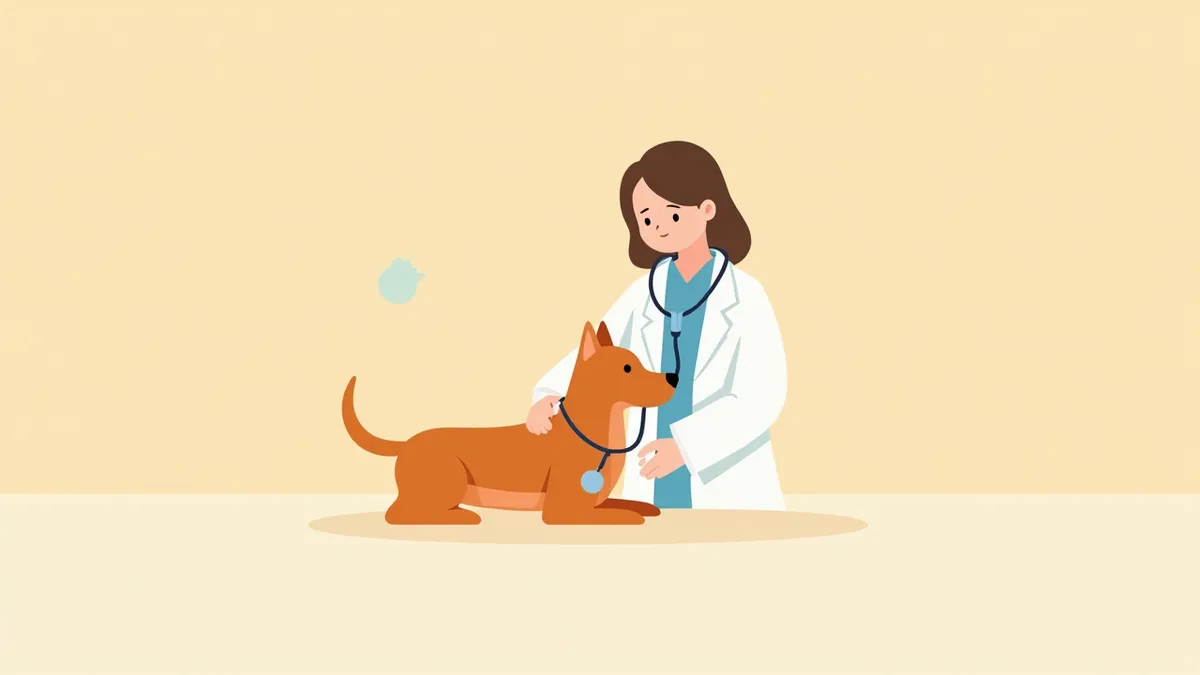
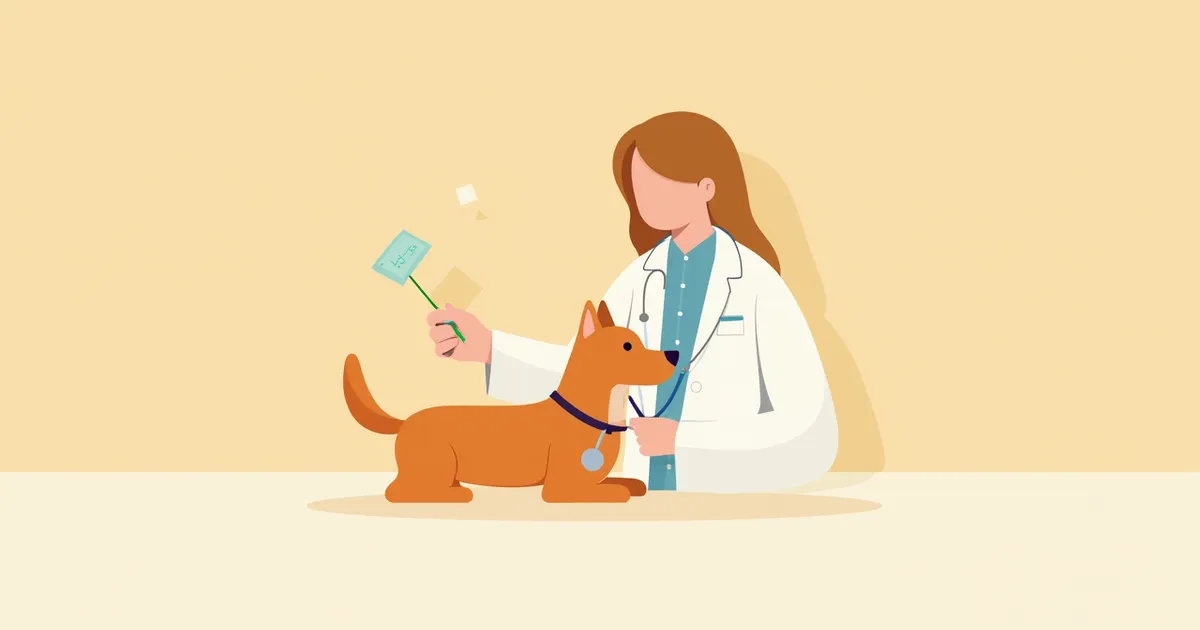
A veterinarian listening to a puppy's lungs with a stethoscope
Lung auscultation is a key diagnostic tool for assessing your dog’s lung health. Normal breath sounds are clear and consistent, but abnormal sounds may appear alongside coughing, difficulty breathing, or reduced activity levels. - Coughing and difficulty breathing: These are common signs of problems in the lungs or airways. - Changes in auscultation findings: These can result from various conditions, such as bronchitis, pneumonia, or heart failure. - Basic evaluation criteria: A veterinarian’s professional auscultation is essential, as diagnosis cannot be made based on auscultation findings alone. - Importance of early detection: Identifying abnormalities early can improve treatment outcomes, but additional tests are always necessary for an accurate diagnosis.

The Causes of Abnormal Lung Auscultation Findings Are Diverse

The causes of abnormal lung auscultation findings in dogs range from infectious diseases to chronic conditions. - Bronchitis: Inflammation of the airways caused by viral or bacterial infections. - Pneumonia: Inflammation of the lung tissue, accompanied by difficulty breathing and fever. - Congestive heart failure: A condition in which blood accumulates in the lungs due to impaired heart function. - Bronchiectasis: A disease in which the bronchi abnormally widen, leading to poor mucus clearance. - Environmental factors: Tobacco smoke, dust, and chemical substances can irritate the respiratory tract and worsen auscultation findings. Breed and age may also play a role, so a comprehensive evaluation is necessary.
A diagram showing the types of findings from lung auscultation in dogs

Check the Key Auscultation Findings

The key findings from lung auscultation in dogs are as follows:
Normal breath sounds: Clear, uniform sounds heard when the lungs are healthy.
Coarse breath sounds: Breath sounds that are rougher than usual, commonly heard in bronchitis or pneumonia.
Crackles (Rales): Small popping or bubbling sounds, like "popping" or "crackling," that occur when fluid is present in the alveoli or airways.
Wheezing: Continuous, musical sounds caused by narrowed airways, most often heard during exhalation.
Decreased breath sounds: Sounds that are faint or difficult to hear, which can occur with lung collapse, pneumothorax, or pleural effusion.
These findings help suggest the type of disease, but additional tests are needed for a definitive diagnosis.
A diagram of a dog’s body showing the areas for lung auscultation

Cases Requiring Immediate Veterinary Visit

If your dog is experiencing severe difficulty breathing, foaming at the mouth, or bluish discoloration of the lips or oral mucosa, seek veterinary care immediately. These are signs of respiratory failure or an acute respiratory condition, and delays can be life-threatening.

Additional Tests Are Necessary for Accurate Diagnosis
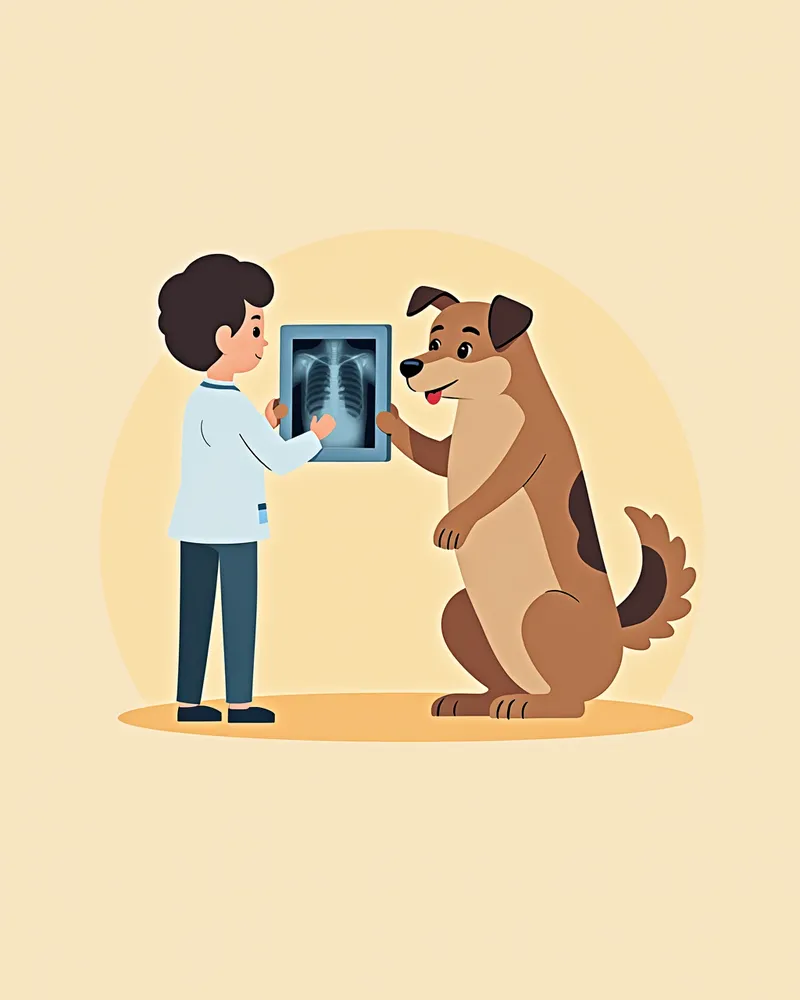
Lung auscultation alone is often insufficient to pinpoint the exact cause, so additional diagnostic tests are essential. - Thoracic radiographs (X-rays): This is the most fundamental test, as it allows for a comprehensive evaluation of the lung parenchyma, major airways, heart size, and the pleural space. - Blood tests: These help assess for the presence of infection and evaluate the patient’s overall health status. - Airway cytology and bacterial culture: Collecting samples from the airways for cytology, aerobic cultures and susceptibility testing, and PCR testing helps identify the specific infectious agent. - Computed tomography (CT) and bronchoscopy: When diagnosis is difficult with X-rays alone, these procedures provide a more detailed assessment of the airways and lung tissue. - Echocardiography: If heart failure is suspected, this test is essential for evaluating cardiac function. Your veterinarian will determine the appropriate diagnostic plan based on a comprehensive review of the patient’s symptoms and clinical findings.
A veterinarian reviewing a puppy’s chest X-ray

Treatment Methods Vary Depending on the Underlying Cause

Treatment for abnormal lung sounds in dogs varies significantly depending on the underlying cause. - Infectious diseases: If bacterial infection is the cause, antibiotic therapy is essential. - Bronchiectasis: Bronchodilators or cough suppressants are prescribed. - Heart failure: Medications that improve cardiac function are used. - Relief of coughing and difficulty breathing: Medications that dilate the airways or cough suppressants may be used together. - Environmental management: Improve indoor air quality and avoid exposure to cigarette smoke or dust. Your veterinarian will create a customized treatment plan based on your dog’s weight, age, and condition.
A veterinarian administering medication to a puppy.

Be Sure to Follow Management Points at Home
If your dog shows abnormal lung auscultation findings, you should provide the following care at home:
Indoor air quality management: It is essential to remove irritants such as chemicals, cigarette smoke, and dust.
Appropriate exercise: Avoid excessive exertion and opt for short, gentle walks.
Nutritional balance: Provide a high-protein, high-vitamin diet to boost immunity.
Regular auscultation: Have your dog’s lungs regularly auscultated by a veterinarian.
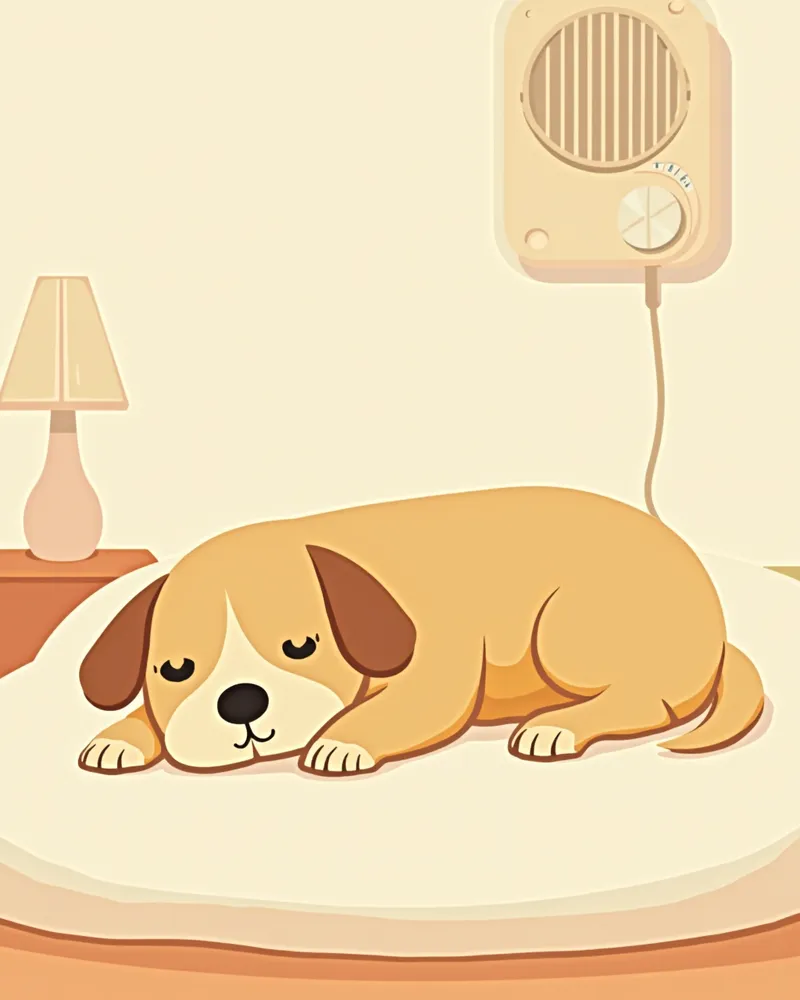
Stress reduction: Maintain a calm, stable lifestyle in a quiet environment.
These measures greatly aid in recovery and help prevent recurrence.
A puppy resting comfortably in a quiet indoor space.

Small-Breed Dogs Are More Vulnerable to Respiratory Disease

Tracheal collapse is most common in toy and small-breed dogs, whereas chronic bronchitis and tracheomalacia can affect dogs of any size or breed. Bronchiectasis is known to occur more frequently in Standard Poodles and Cocker Spaniels, and Irish Wolfhounds are particularly prone to pneumonia. Because susceptibility to certain conditions varies by breed, regular health check-ups and proper environmental management are essential.

Reviewed by a veterinarian

Dr. Tony — Punnawat Phongkittirak

Dr. Tony — Punnawat Phongkittirak

Veterinarian

A veterinarian who majored in veterinary medicine at Khon Kaen University, Thailand, and completed the IVSA program at North Carolina State University in the United States. Drawing on clinical experience at animal hospitals, he works in the pet healthcare field and is dedicated to building a digital care environment that connects pet parents with veterinarians.

Frequently Asked Questions

When should you check your dog’s lung auscultation findings?
Veterinarians perform auscultation during routine check-ups or when symptoms such as coughing or difficulty breathing are present. While periodic auscultation is crucial when symptoms arise, regular auscultation may also be recommended for senior dogs or certain breeds, even in the absence of symptoms.
Is it okay if there are abnormalities in the auscultation findings?
After a temporary irritation or cough, the clinical findings may change temporarily. However, if abnormal signs persist, it is essential to seek veterinary care. The veterinarian will make a diagnosis based on their assessment.
Can you hear your dog’s lung sounds at home?
For most pet owners, accurately listening to heart and lung sounds is difficult and can lead to misinterpretation. A veterinarian’s professional auscultation is the most reliable method.
If an abnormality is detected during auscultation, is medication always necessary?
It depends on the cause. If it’s not an infection, medication may not be necessary. A veterinarian will diagnose and prescribe accordingly.
Can lung auscultation findings be prevented?
Yes, regular check-ups, environmental management, vaccinations, and maintaining a smoke-free environment can help prevent it. Certain breeds may be at higher risk for this condition, so they require extra attention.

Share

Related Guides

References

[1] Canine and Feline Respiratory Medicine, 3rd Edition, 2020

[2] Textbook of Respiratory Disease in Dogs and Cats, 2019

[3] Veterinary Internal Medicine: A Textbook of Small Animal Medicine, 8th Edition, 2021

This information is based on veterinary literature and does not replace diagnosis or treatment. Please consult a veterinarian for specific health concerns.

Metapet Co., Ltd. | CEO: Park Sung-yong | Business Reg. No. 417-88-02562 | Seoul, South Korea | Customer Center

Lung Auscultation in Dogs: Symptoms, Causes & Diagnosis | Meongsiljang