
Cat Bladder Nerve Stimulation Therapy: Symptoms, Causes, Diagnosis, Treatment, and Management Points Summary
Nerve stimulation therapy for the bladder is a neuromodulation treatment designed to improve bladder function in cats. It is essential to accurately identify the symptoms and underlying causes, and to provide appropriate diagnosis and management.
What is Cat Bladder Nerve Stimulation Therapy?
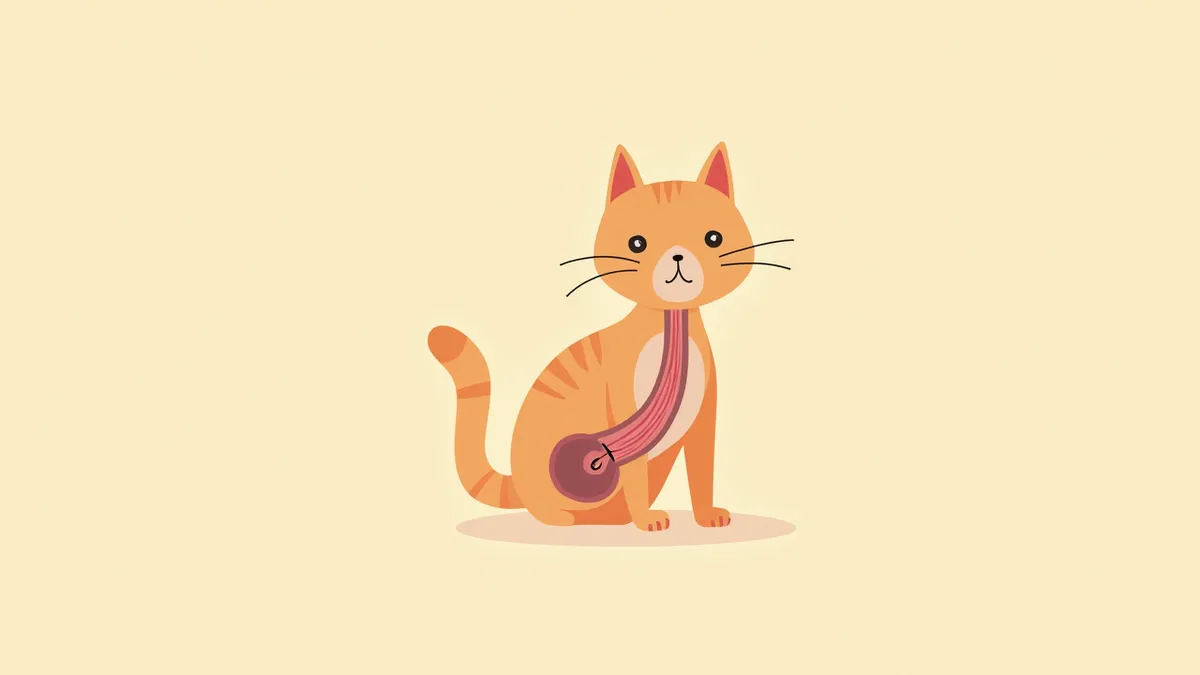
Main Causes and Pathogenesis
Main Symptoms and Signs
Symptoms Requiring Immediate Veterinary Visit
If your cat is unable to urinate at all or shows severe pain during urination, immediate veterinary attention is necessary. Inability to urinate (urinary retention) is an emergency that can cause the bladder to become overly distended and life-threatening. This is especially critical for cats with urethral obstruction, where prompt intervention is vital. A veterinarian can urgently drain the bladder and relieve the obstruction. In reality, urinary retention in cats is primarily caused by urethral obstruction, which is the most common cause of acute kidney injury in cats. Urethral obstruction can be accompanied by bradycardia, circulatory failure, hyperazotemia, and hyperkalemia, making immediate bladder drainage and relief of the obstruction essential. Neurostimulation devices are generally not used in such emergencies; instead, emergency treatments like bladder drainage, fluid therapy, and pain management are provided. The pain from urethral obstruction is extremely severe, so immediate veterinary care and assessment are crucial life-saving measures.
Diagnostic Methods and Procedures
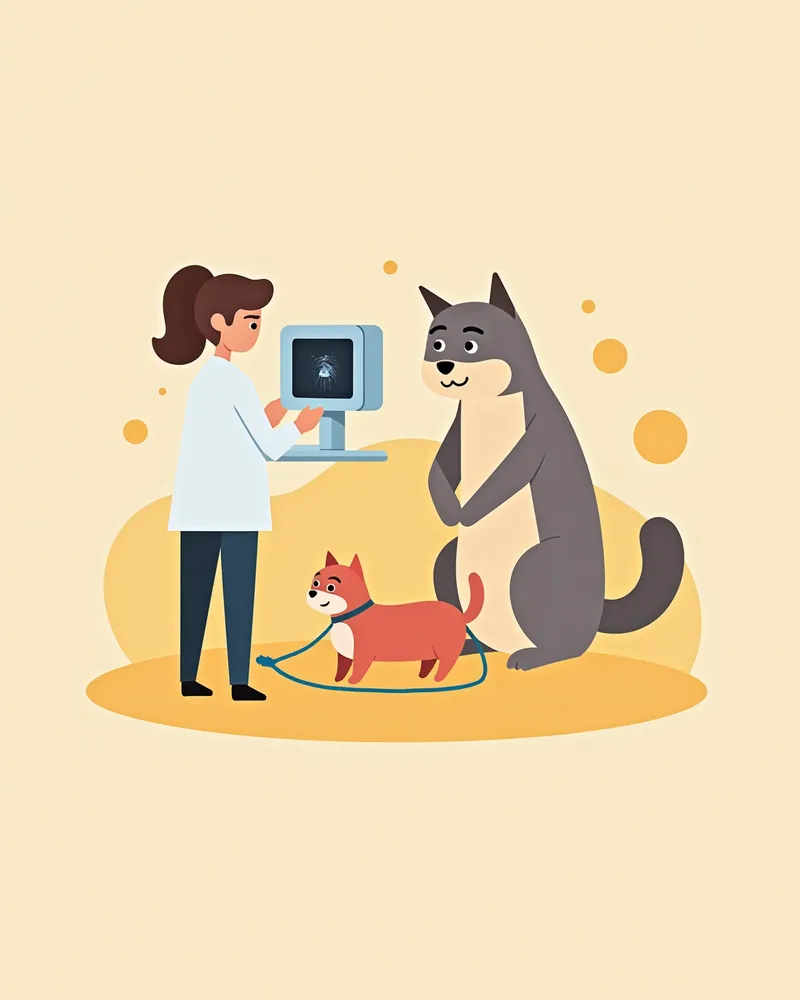
Treatment Steps and Methods
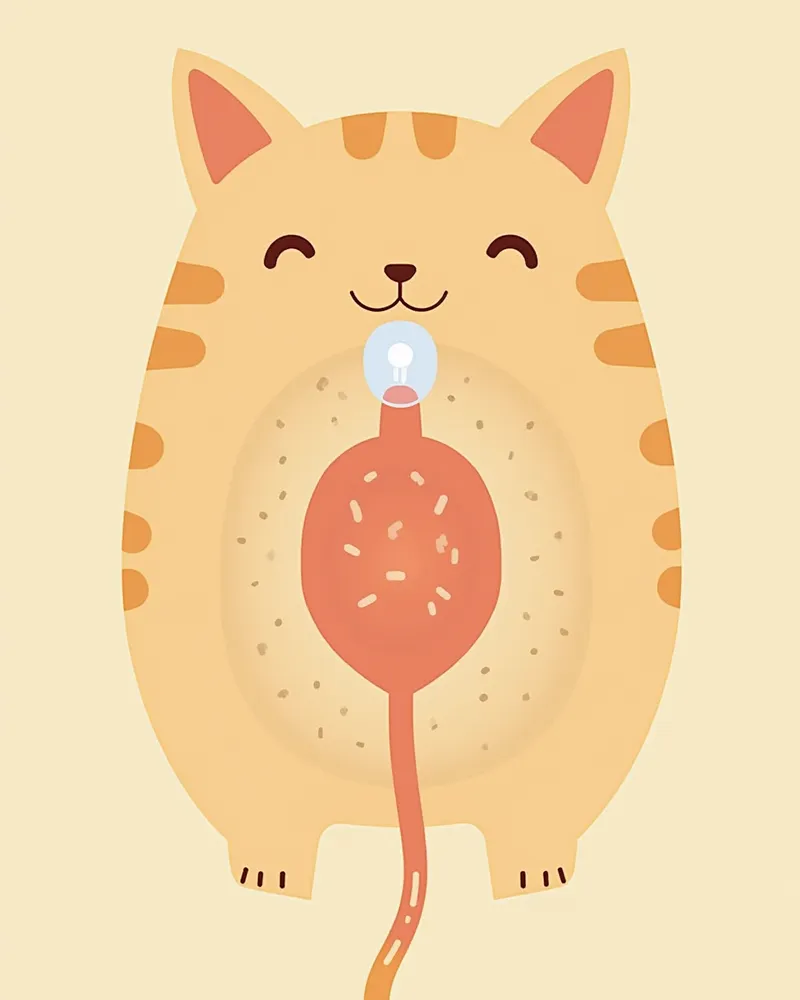
Home Management and Daily Care
Breed-Specific Precautions and Recurrence Prevention
Senior cats and those with recurrent urinary issues require particular attention to bladder health. Risk factors include being a purebred, living in a multi-cat household, stress, indoor living, and obesity. While some studies list long-haired breeds as a risk factor, long fur itself is not a direct cause of bladder dysfunction. Regular health check-ups and environmental management are essential, and it is important to develop a care plan in consultation with your veterinarian. In reality, feline bladder diseases are more closely linked to factors such as purebred status, multi-cat environments, stress (especially inter-cat conflict), indoor living, obesity, lack of exercise, and diets primarily consisting of dry food than to coat length. Although long hair may appear on lists of risk factors, there is no clear direct causal relationship between coat length and bladder dysfunction. Conversely, senior cats are at higher risk for urinary tract issues, so additional testing and regular health check-ups are recommended. Effective management requires a multifaceted approach, including environmental enrichment, dietary adjustments, and medications prescribed by your veterinarian.
Reviewed by a veterinarian

Dr. Tony — Punnawat Phongkittirak
VeterinarianA veterinarian who majored in veterinary medicine at Khon Kaen University, Thailand, and completed the IVSA program at North Carolina State University in the United States. Drawing on clinical experience at animal hospitals, he works in the pet healthcare field and is dedicated to building a digital care environment that connects pet parents with veterinarians.
Frequently Asked Questions
Do cats with bladder issues (FIC) experience pain?
Is it treated with a bladder nerve stimulation device?
How much will the treatment cost?
Can urinary problems return even after treatment?
When should I take my pet to the vet if they show symptoms?
Share
Related Guides

Top 5 Prescription Urinary Diets for Dogs — Food for Stone Prevention and Management
Top 5 Prescription Diets for Feline FLUTD — Comparison by Struvite and Calcium Oxalate Stones
Top 5 Recommended Feline Urinary Supplements for 2026 — A Complete Guide to Veterinary Selection Criteria
Canine Thyroid T4 Test: From Lethargy and Hair Loss Warning Signs to Diagnostic Timing – A Complete Guide
If Only Your Dog’s Flank Hair Is Falling Out — Key Points on Seasonal Alopecia Symptoms, Diagnosis, and Management

Why Is My Dog Drinking So Much Water? — From Causes to Diagnosis and Treatment of Pituitary Tumors
If Your Puppy Suddenly Stumbles or Has Seizures — Warning Signs of Tumor-Induced Hypoglycemia
If Your Dog Is Gaining Weight and Losing Hair — Warning Signs of Hypothyroidism and When to Get Diagnosed
If Your Dog Is Lethargic and Staggering — Hypoglycemia Symptoms, First Aid, and Management
If Your Dog Keeps Trembling and Stiffening — Causes and Treatment Points for Hypocalcemia
References
[1] Simpson, K.W., Fyfe, J., Cornetta, A. et al. (2001). Subnormal concentrations of serum cobalamin (vitamin B12) in cats with gastrointestinal disease. J. Vet. Intern. Med. 15: 26–32.
[2] Fry, J.K., Burney, D.P. (2008). Canine infectious respiratory disease. NAVC Clin’s Brief 2008(July);17.
[3] Barrs, V.R., Beatty, J.A., Tisdall, P.L. et al. (1999). Intestinal obstruction by trichobezoars in five cats. J Feline Med Surg. 1:199.