
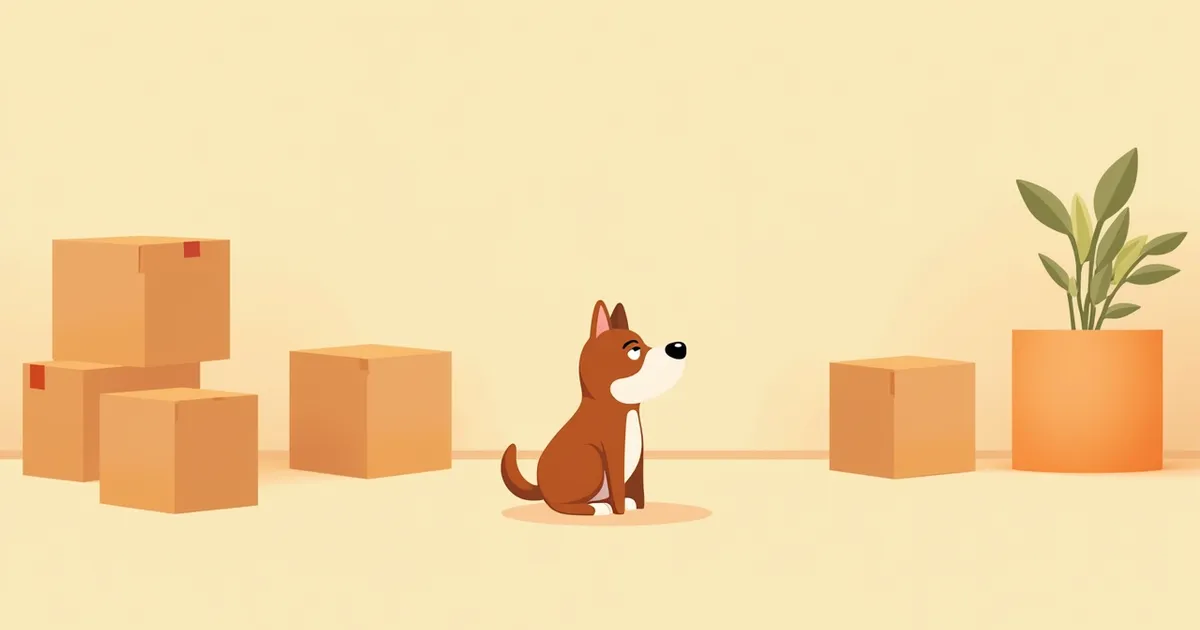
Anxious Puppies After Moving — Causes of Environmental Change Stress and Adaptation Management
Dogs can experience psychological and physical stress responses when moving or undergoing environmental changes. Early detection of symptoms and stabilizing the environment are key management points.
What Is Environmental Change Stress in Dogs?
Why Do They Get Stressed? — Causes and Mechanisms
If You See These Behaviors, It’s a Stress Signal — Symptom Checklist

Signs That Require Immediate Veterinary Care
If your pet shows any of the following signs, it may indicate a medical condition other than stress: not eating for more than 48 hours, repeated vomiting or diarrhea, seizures or convulsions, or self-harm severe enough to cause skin lesions. Seek veterinary care immediately. Even if the issue appears to be behavioral, it could stem from internal pain.
How Is It Diagnosed? — Veterinary Assessment Process
Treatment Methods — Environmental Stabilization, Behavioral Therapy, and Medication

Management Points You Can Do at Home
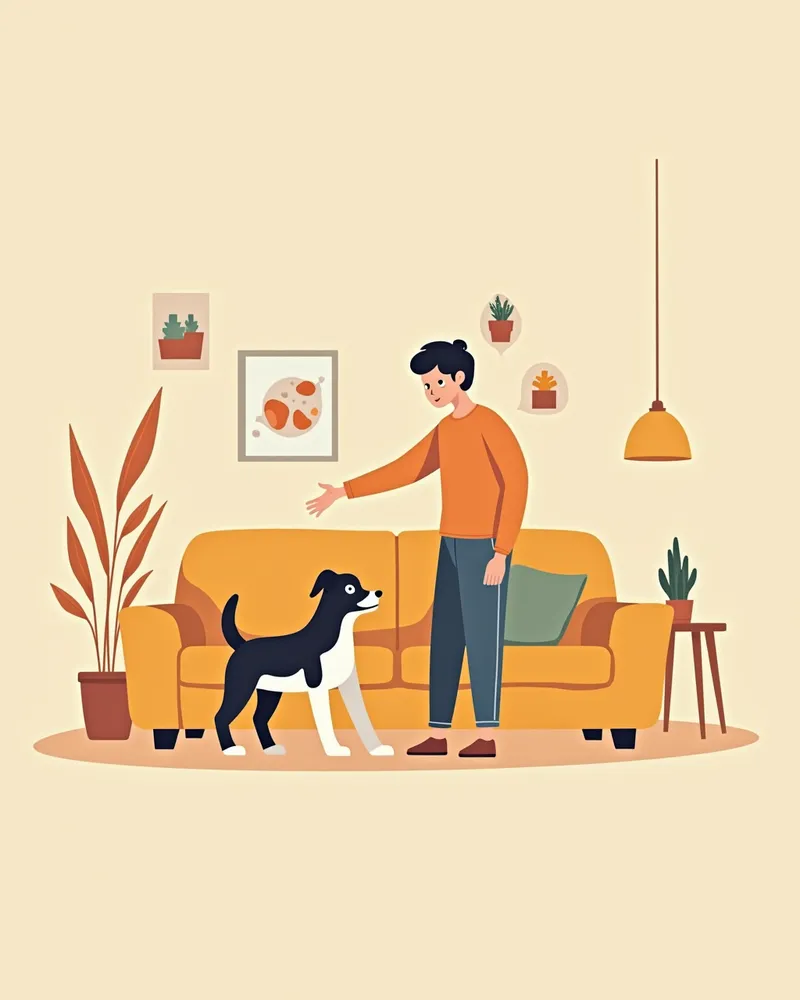
Pay Extra Attention to These Dogs — Vulnerable Breeds and Individuals
Dogs with a history of separation anxiety or those adopted from shelters may be more vulnerable to environmental changes. Meanwhile, there is no consensus in the academic community on whether certain breeds or genders are more susceptible to stress and separation-related issues. Therefore, rather than making judgments based solely on breed, it is important to consider each dog's temperament and past experiences together. Pre-exposure, such as leaving moving boxes at home before the move so the dog can get used to their scent, or allowing the dog to explore the new home beforehand if possible, can aid in adaptation.
Reviewed by a veterinarian

Dr. Tony — Punnawat Phongkittirak
VeterinarianA veterinarian who majored in veterinary medicine at Khon Kaen University, Thailand, and completed the IVSA program at North Carolina State University in the United States. Drawing on clinical experience at animal hospitals, he works in the pet healthcare field and is dedicated to building a digital care environment that connects pet parents with veterinarians.
Reviewed 2026-06-01
Frequently Asked Questions
How many days does it take for a puppy to adjust after moving?
Is there anything we can prepare in advance before moving?
Can stress supplements or calming treats help?
Is bringing a new pet home also a source of environmental stress?
My pet has been having accidents after we moved. Should I scold them?
Share
Related Guides

7 Behavioral Enrichment Strategies for Mental Stimulation Recommended by Veterinarians

Top 5 Calming Supplements for Dogs and Cats in 2026

L-Theanine Effects and Calming Support
Dental Scaling and Tartar Removal for Dogs: Symptoms, Causes, Diagnosis, Treatment, and Management Essentials

Cleft Palate in Puppies: Symptoms, Causes, Diagnosis, Treatment, and Management Essentials

Feline Oral Ulcers: Symptoms, Causes, Diagnosis, Treatment, and Management Essentials

Don't Ignore Lumps or Bleeding in Your Cat's Mouth — Symptoms and the Golden Window for Oral Squamous Cell Carcinoma

Why Is My Cat Not Eating? Causes of Oral Pain and When to Visit the Vet

Oral Bacteria in Cats Affecting the Heart and Kidneys? — Warning Signs of Systemic Disease and Management Timing

If Your Cat’s Gums Are Red and Swollen — Causes of Gingivitis and When to Treat
References
[1] Introduction to Animal Behavior and Veterinary Behavioral Medicine, Chapter 15: Separation-Related Disorders in Dogs. Wiley-Blackwell, 2024.
[2] The Dog Care Handbook: Things I Wish My Vet Had Told Me. CABI Publishing, 2024.
[3] Anderson, K.H., Yao, Y., Perry, P.J. et al. (2022). Case distribution, sources, and breeds of dogs presenting to a veterinary behavior clinic in the United States from 1997 to 2017. Animals 12(5): 576.