Like
Share
멍실장
강아지 구강 낭종(치성 낭종) 증상과 원인, 진단·치료와 관리 포인트 총정리

Canine Oral Cysts (Dental Cysts): Symptoms, Causes, Diagnosis, Treatment, and Management Essentials

Oral HealthDiseasesMeongsiljang Veterinary Advisory Board

Canine oral cysts are lesions that form when tissue remnants from tooth development fill with fluid. While they’re often asymptomatic in the early stages, larger cysts can make it difficult for your dog to open its mouth or swallow.

What Are Canine Oral Cysts (Dental Cysts)?

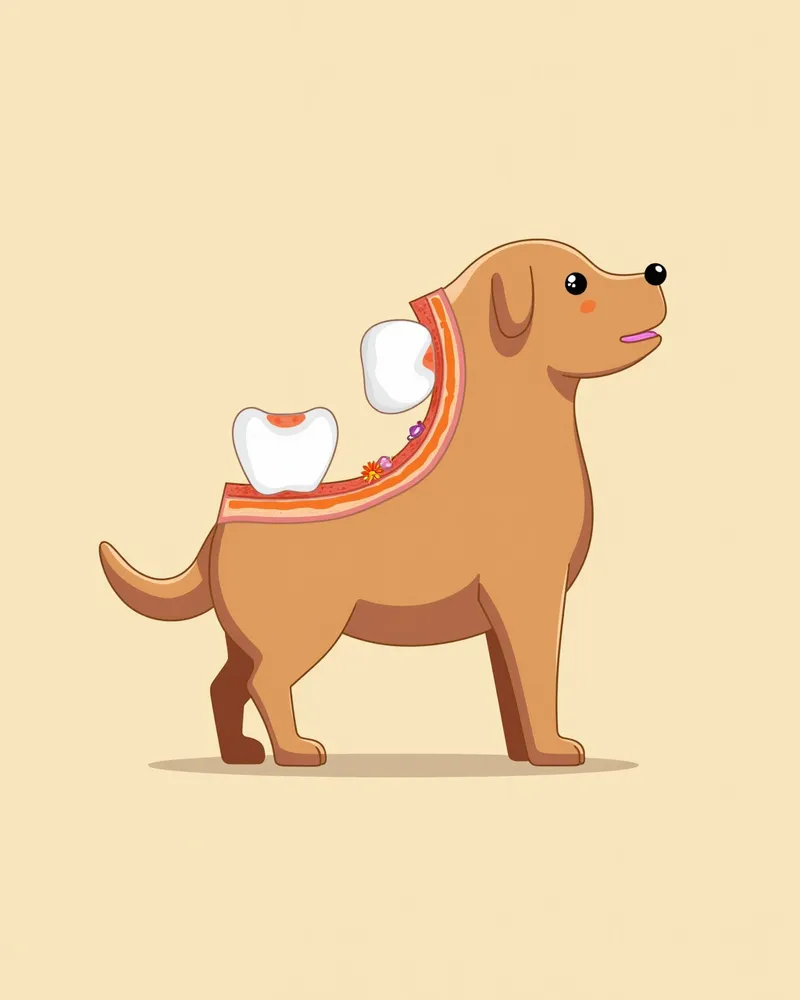
Anatomical diagram of a dog's oral cavity with a dental cyst
Canine oral cysts are lesions that typically develop in the tissues surrounding partially developed teeth. They can interfere with normal tooth eruption or affect the surrounding bone. These cysts lie beneath the mucous membrane and often show minimal visible changes in their early stages, making them difficult for pet owners to notice. As they grow, they may cause difficulty opening the mouth or swallowing, and can even lead to jaw deformities. Early detection and treatment are essential.

What Are the Main Causes of Oral Cysts?
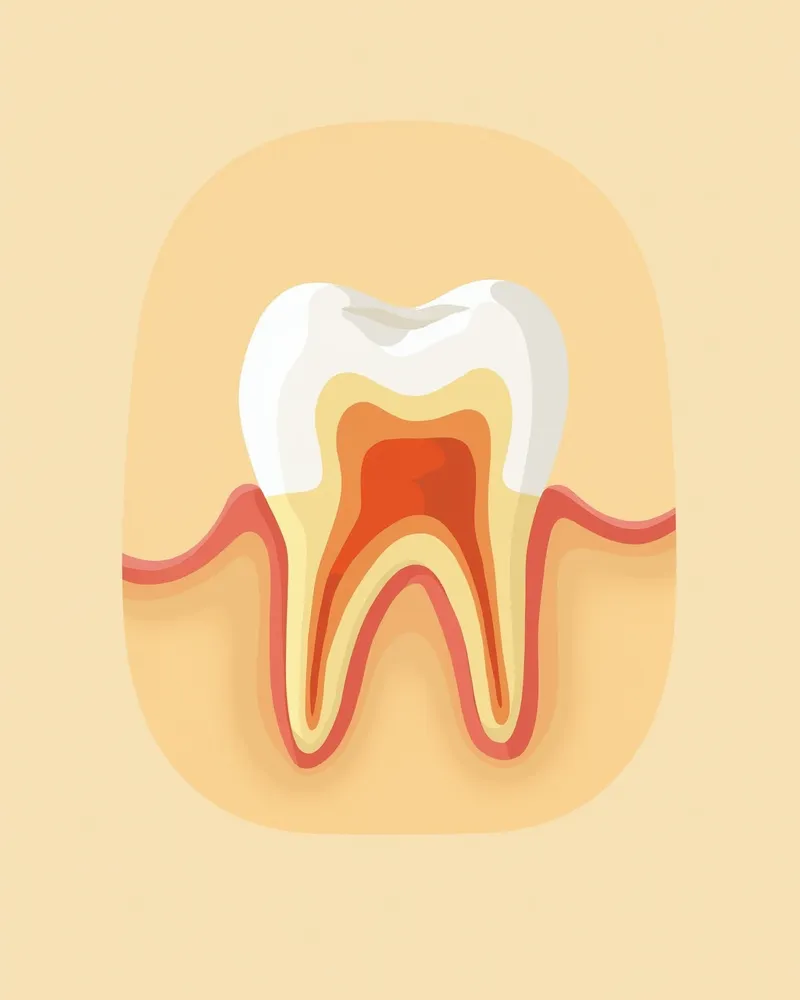
Canine oral cysts, also known as dental cysts, are primarily associated with teeth that fail to fully erupt through the gums, remaining partially erupted or impacted and unable to develop normally. These partially erupted or impacted teeth can relatively commonly lead to cyst formation, a process known to involve developmental factors during the tooth formation stage. Because these lesions often develop beneath the mucosa and are not easily visible from the outside, early detection is difficult, and by the time symptoms appear, the cysts have often grown significantly in size. Therefore, regular oral evaluations, including oral examinations under anesthesia and radiographic imaging, are essential.
A cross-sectional diagram of an odontogenic cyst located within the jawbone.

Check for Key Symptoms and Signs

Oral cysts in dogs are often asymptomatic in the early stages. However, as they grow, several signs may appear. Your dog may have difficulty opening its mouth or swallowing. You might notice bad breath, a refusal to eat, or facial swelling. These symptoms could indicate that the cyst is pressing on the bone or causing jaw deformity.
Difficulty opening the mouth: The jaw becomes stiff, making it hard to fully open the mouth.
Difficulty swallowing: It takes longer to swallow food, or food may be dropped frequently.
Bad breath: While other causes like periodontal disease may be present, inflammation or infection around the cyst can also cause bad breath.
Facial swelling: As the cyst grows, the jaw may become swollen.
Decreased appetite: Discomfort while eating may lead to food refusal.
A dog that has difficulty opening its mouth

When to Visit the Vet Immediately

If your dog has trouble opening its mouth, refuses to eat, or shows significant facial swelling, consult a veterinarian immediately. These symptoms may indicate that a cyst is weakening the surrounding bone or that an infection has developed. Delaying treatment increases the risk of pathological fractures—where the jawbone breaks due to weakness—so early intervention is crucial.

Diagnostic Methods for Accurate Diagnosis
Canine oral cysts are difficult to detect visually, so radiographs (X-rays) are essential for an accurate diagnosis. X-rays allow us to examine the jawbone structure and assess the cyst’s size, location, and impact on surrounding bone. If necessary, a biopsy can confirm the nature of the cyst, helping to rule out malignancy or other conditions. During diagnosis, your veterinarian will comprehensively analyze clinical signs and imaging findings. A thorough oral examination should be performed under anesthesia, and it’s important to evaluate other potential causes, such as periodontal disease. Early diagnosis is key to improving treatment success rates.
A dentigerous cyst visible on an X-ray of a dog’s jawbone

Treatment Options and Step-by-Step Management

Surgery is the primary treatment for oral cysts. The goal is to remove the tissue surrounding the cyst and the cyst wall as completely as possible, while also appropriately addressing the underlying cause, such as an impacted or partially erupted tooth, through proper surgical techniques. Partially erupted teeth can lead to periodontal disease, so appropriate surgical intervention is necessary. After surgery, antibiotics are used to prevent infection, and pain medication may be prescribed to manage discomfort. During the recovery period, feed your pet soft food and closely monitor the surgical site. In some cases, cysts can recur, so regular check-ups and radiographic evaluations after surgery are recommended to check for recurrence or structural abnormalities.
A puppy recovering after surgery

Home Care Points

After surgery, carefully monitor your dog’s mouth daily. Check for any difficulty eating or a worsening of bad breath. If you notice any problems with swallowing, contact your veterinarian immediately. Gently wipe the mouth with a soft cloth to prevent infection at the surgical site, and avoid chew toys. During the recovery period, reduce activity levels and allow your dog to rest in a comfortable environment. Offer soft or liquid food to help ensure adequate nutrition, and administer any prescribed medications exactly as directed by your veterinarian. Don’t forget to keep up with regular follow-up visits, as additional evaluations may be necessary to check for the possibility of tooth recurrence and the condition of surrounding tissues.
Gently wiping your dog’s mouth

Breed-Specific Precautions and Recurrence Prevention

Dental cysts can develop in association with impacted teeth or partially erupted teeth that have not fully emerged through the gums, and such developmental dental issues are often the underlying cause. Since impacted or partially erupted teeth are not easily visible on the surface, radiographic examination is essential for accurate diagnosis. Because cysts may recur or weaken surrounding bone, leading to structural changes, regular postoperative X-ray monitoring is recommended. Early detection and consistent follow-up can help improve treatment outcomes.

Reviewed by a veterinarian

Dr. Tony — Punnawat Phongkittirak

Dr. Tony — Punnawat Phongkittirak

Veterinarian

A veterinarian who majored in veterinary medicine at Khon Kaen University, Thailand, and completed the IVSA program at North Carolina State University in the United States. Drawing on clinical experience at animal hospitals, he works in the pet healthcare field and is dedicated to building a digital care environment that connects pet parents with veterinarians.

Frequently Asked Questions

Are dog oral cysts malignant?
Most of these are benign lesions. However, if they grow large, they can invade the bone or become infected, so early treatment is important.
How long is the recovery period after surgery?
The recovery period can vary depending on individual circumstances. Care is needed until the pain subsides and your pet can eat normally. Generally, it may take about 2 to 4 weeks after surgery.
Can oral cysts be prevented?
While it’s difficult to prevent entirely, early detection is possible through regular check-ups and X-ray exams to assess tooth development. It’s important to evaluate any abnormalities in jaw structure or dental development as early as possible.
Could the bad breath be caused by a cyst?
Severe bad breath can be caused by periodontal disease, gastrointestinal issues, or inflammation and infection around the affected area. Since cysts can trigger inflammation, it’s important to have your pet examined right away.
Can it come back after surgery?
While there is a possibility of recurrence, the risk can be minimized by completely removing the affected area during surgery and monitoring for any signs of recurrence through regular check-ups.

Share

Related Guides

References

[1] Todoroff RJ, Brodey RS: Oral and pharyngeal neoplasia in the dog: A retrospective survey of 361 cases, JAVMA 175:567-571, 1979.

[2] MacEwen EG, Withrow SJ, Patnaik AK: Nasal tumors in the dog: Diagnostic cytology and hematology of the dog and cat, ed 2, St Louis, 1999, Mosby.

[3] Veterinary Surgical Oncology, 2nd Ed, Fowler LB et al., 2020.

This information is based on veterinary literature and does not replace diagnosis or treatment. Please consult a veterinarian for specific health concerns.

Metapet Co., Ltd. | CEO: Park Sung-yong | Business Reg. No. 417-88-02562 | Seoul, South Korea | Customer Center

Dog Oral Cysts (Dental Cysts): Symptoms and Treatment Guide | Meongsiljang