Like
Share
멍실장
강아지 털 관리·빗질 증상과 원인, 진단·치료와 관리 포인트 총정리

Complete Guide to Dog Coat Care and Brushing: Symptoms, Causes, Diagnosis, Treatment, and Management

Lifestyle & Age CareDiseasesMeongsiljang Veterinary Advisory Board

Regular grooming and brushing are essential for maintaining your dog’s healthy skin and coat. Missing early warning signs can lead to infections or more serious health issues.

Dog Coat Care and Brushing Are the Foundation of Skin Health
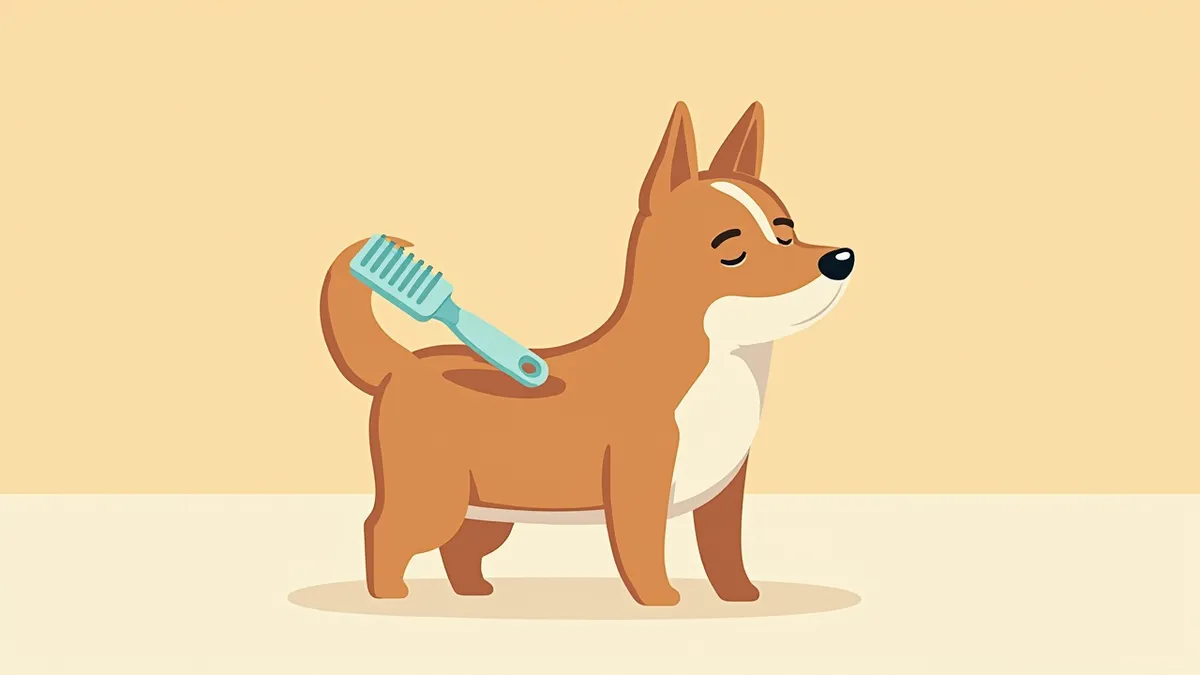
A puppy having its fur brushed.
Brushing your dog’s coat is a daily care routine that helps you regularly monitor their skin and coat condition while maintaining hygiene. - Monitoring Skin and Coat Health: Regular brushing allows you to spot early signs of skin changes, such as redness, hair loss, or dandruff. - Hygiene Maintenance: Poor skin hygiene combined with dense fur can increase the risk of self-traumatic (hot spot) dermatitis, making cleanliness essential. - Checking for Itchiness and Irritation: Watch whether your dog frequently scratches or licks during brushing to check for signs of itching. - Early Detection of Abnormalities: Quickly identifying changes like hair loss or redness makes it easier to address issues promptly. - Bonding Time: Brushing also serves as quality bonding time with your dog. In this sense, brushing is not just about grooming but a management process for monitoring skin health.

Main Causes Resulting from Inadequate Coat Care
Neglecting your dog’s coat care and grooming can lead to poor hygiene, which may trigger a range of health issues. - Poor hygiene: When skin hygiene is compromised and the coat becomes dense and matted, your dog becomes more susceptible to conditions like self-traumatic dermatitis (hot spots). - Itching and self-trauma: If your dog experiences itching or pain, they may lick or scratch the affected area, potentially leading to secondary skin infections. - Excessive licking: Persistent licking of specific areas due to itchiness or discomfort can result in acral lick dermatitis. - Secondary infections: Bacterial and yeast (Malassezia) infections are common factors that can worsen itching and skin damage. - Chronic skin changes: Ongoing skin irritation can lead to long-term changes such as hair loss, hyperpigmentation, and lichenification. These issues become more difficult to manage if not addressed early, making regular monitoring essential.
A puppy with irritated skin due to matted fur

Check for Key Symptoms and Signs

The main signs of issues with your dog’s coat care and brushing are as follows: - Sudden hair loss: Check if your dog is losing a lot of hair during brushing or if the hair is clumping up afterward. - Redness or itching of the skin: If the skin is peeling or if your dog frequently scratches or licks, it requires attention. - Pain response during brushing: If your dog yelps or tries to escape during brushing, it may be a sign of pain. - Matted or difficult-to-brush fur: If the fur doesn’t come out easily or the brush gets stuck repeatedly, it could indicate a problem. - Odor from the skin: Skin that smells may suggest an infection. These signs could be early indicators of illness, so don’t miss them—check immediately.
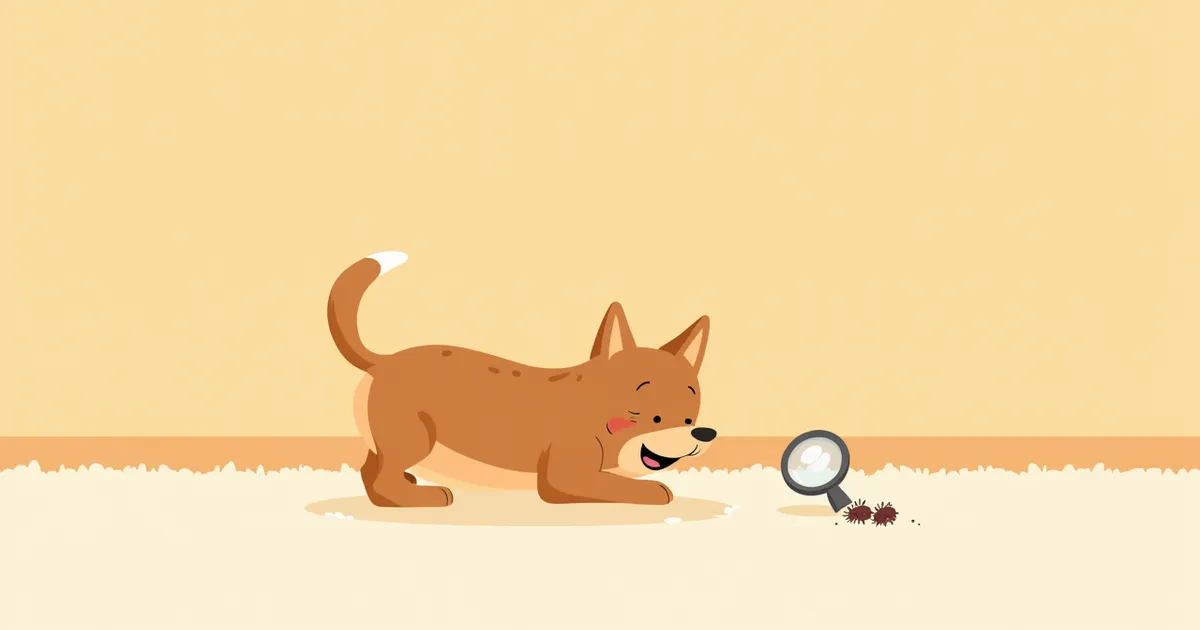
A puppy licking its paws due to itching

When to Visit the Vet Immediately

If your dog shows severe pain during brushing, or if you notice peeling skin, bleeding, or sudden excessive hair loss after brushing, consult a veterinarian immediately. These symptoms may indicate serious conditions such as dermatitis, parasitic infections, or hormonal imbalances. Early diagnosis and treatment are crucial, so do not delay seeking care.

Comparison of Dog Coat Care and Brushing Tools

ItemSuitable CoatAdvantagesPrecautions
Slicker BrushThick coatEffective at removing matted furMinimizes skin irritation
BrushThin coatSuitable for daily careComfortable to use
Hair BrushFurry coatAllows gentle brushingEffective at removing parasites

Choose a tool suited to your dog's coat type and condition.

Diagnostic Methods and Examination Procedures
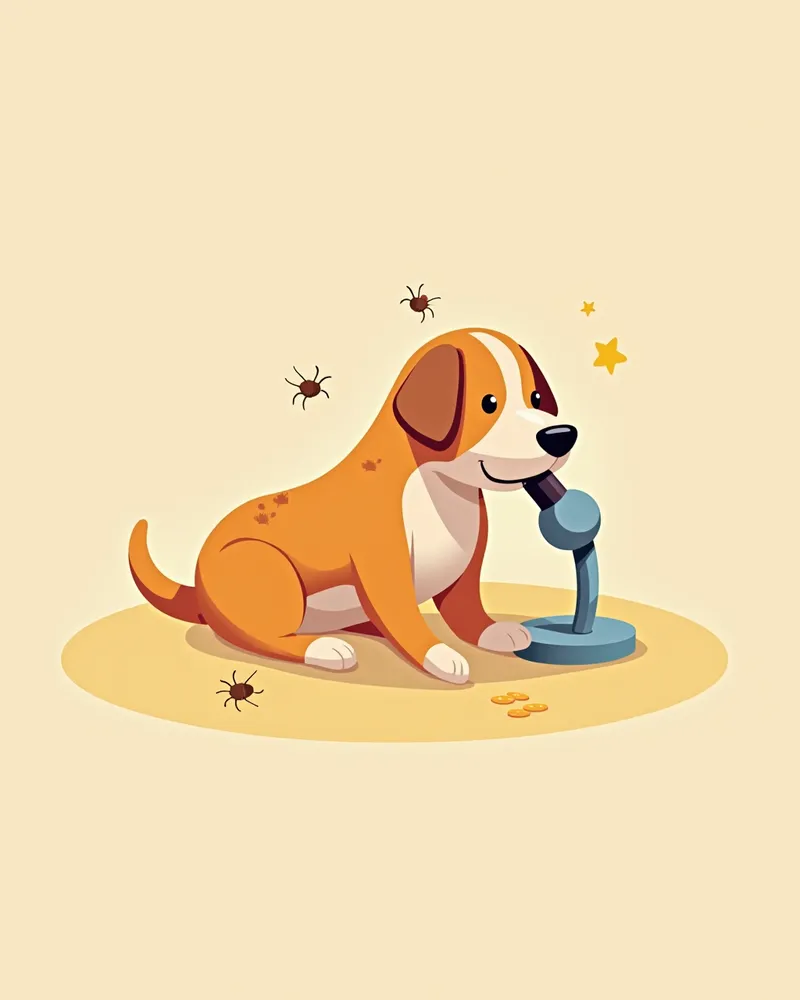
Veterinarians will directly examine your dog’s coat and skin, and perform various tests as needed. - Skin scraping: A small sample of skin is gently scraped and examined under a microscope to check for parasitic infections. - Hair pluck test: Hairs are plucked and analyzed to identify the cause of hair loss. - Blood test: Helps detect hormonal imbalances or internal diseases. - Skin biopsy: If severe inflammation or abnormal lesions are suspected, a small tissue sample is taken for analysis. These tests are essential for an accurate diagnosis.
A veterinarian examining a dog's skin under a microscope.

Treatment Methods and Step-by-Step Approach
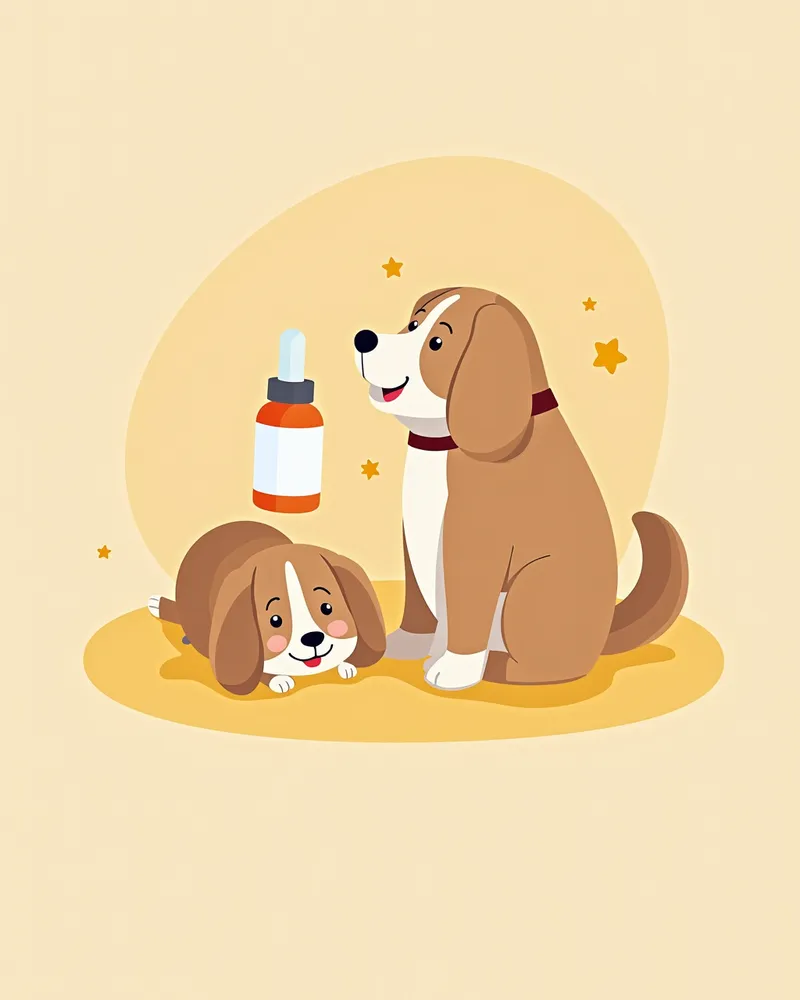
Treatment depends on the underlying cause. - Parasite infection: Use parasiticides to eliminate parasites, and clean the environment to prevent reinfection. - Dermatitis treatment: Prescribe anti-inflammatory or antibiotic medications, apply skin protectants, and support recovery. - Matting resolution: Gently comb and clip the fur to detangle it, preventing damage to hair follicles. - Care during treatment: Adjust grooming frequency and maintain a clean environment. - Preventing recurrence: Address the root cause and establish consistent grooming habits. Treatment requires long-term management, not just short-term measures.
A veterinarian applying topical medication to a dog’s skin

Home Care and Daily Grooming

Regular brushing is an essential part of daily grooming for dogs. - Frequency based on breed and coat type: Dogs with dense or easily tangled coats require more frequent brushing. Adjust the frequency according to your dog's coat condition. - Pre-brushing preparation: Use a soft brush to loosen the fur before brushing, and smooth out the coat afterward. - Tool maintenance: Regularly clean your grooming tools and ensure they are dried after use. - Building a routine: Establishing a consistent brushing schedule helps your dog become accustomed to the process and reduces stress. - Choosing the right brush: Select brushes suited to your dog's coat thickness and condition. Consistent care and hygiene are key to maintaining healthy skin and a healthy coat.
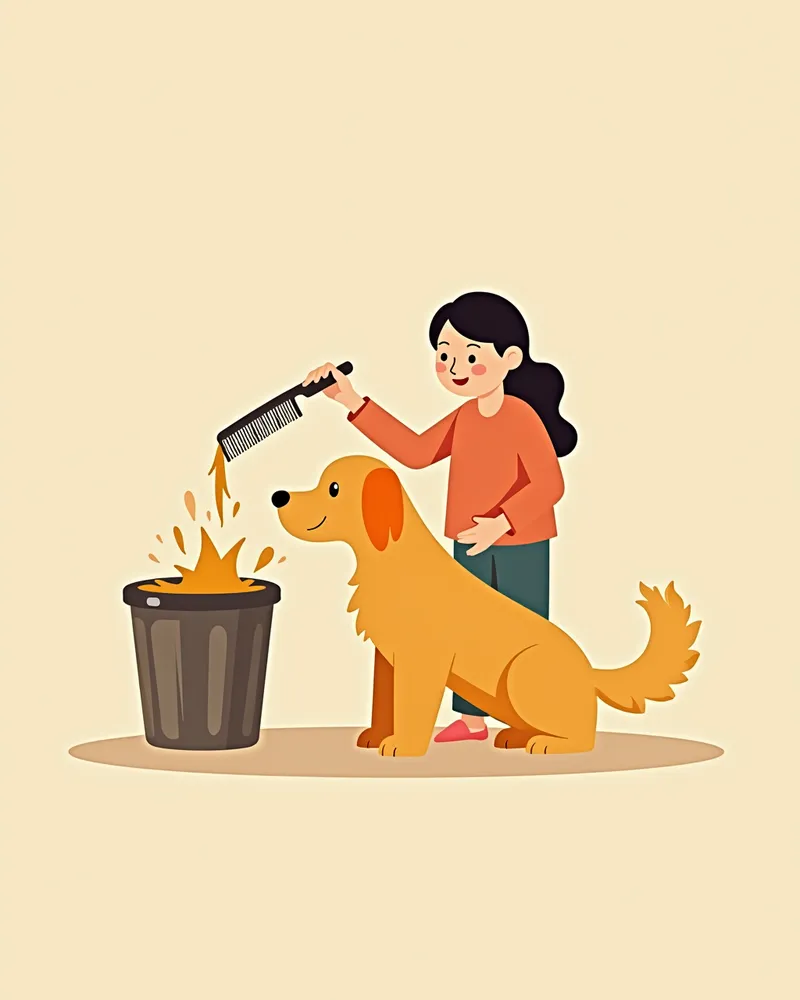
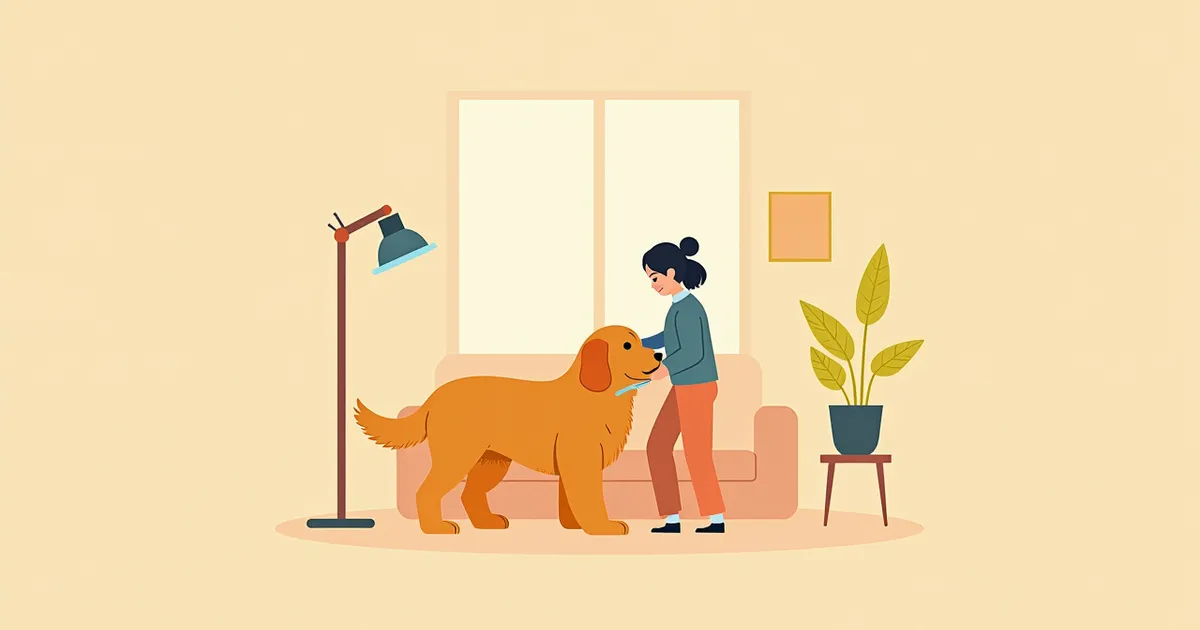
A dog owner brushing their dog's fur and discarding the shed hair.

Certain Breeds Require Extra Attention to Coat Care

Breed-specific care is especially important for dogs prone to skin issues, such as Bulldogs, or those with dense, mat-prone coats. Bulldogs are known to be highly susceptible to atopic dermatitis, and poor hygiene or thick fur can further increase the risk of skin problems. Therefore, it’s essential to adjust brushing frequency based on your dog’s coat condition and establish a grooming routine tailored to their breed’s specific needs.

Reviewed by a veterinarian

Dr. Tony — Punnawat Phongkittirak

Dr. Tony — Punnawat Phongkittirak

Veterinarian

A veterinarian who majored in veterinary medicine at Khon Kaen University, Thailand, and completed the IVSA program at North Carolina State University in the United States. Drawing on clinical experience at animal hospitals, he works in the pet healthcare field and is dedicated to building a digital care environment that connects pet parents with veterinarians.

Frequently Asked Questions

How often should I brush my dog’s coat?
The frequency of brushing should be tailored to your dog's coat type and condition. Dogs with dense or easily tangled coats require more frequent brushing, so adjust the schedule based on how their coat looks and feels.
What should I do if my dog dislikes being brushed?
Start with short sessions and offer positive rewards. Try switching to a different grooming tool or begin with a soft brush to help your dog feel comfortable.
How should I dispose of the loose fur after brushing?
Shed fur should be disposed of promptly, and the brush should be cleaned after each use. Keeping your pet’s coat and skin clean helps support overall skin health.
Do you need special tools for grooming your dog’s coat?
Choose a grooming tool based on your pet’s coat type. For thick-coated breeds, a slicker brush is ideal, while fine-haired pets do best with a regular brush or a hair brush.
How does grooming your dog’s coat benefit their health?
Regular brushing lets you frequently check your dog’s skin and coat, helping you catch early signs of skin issues like redness or hair loss. It also serves as a wonderful bonding time with your pup.

Share

Related Guides

References

[1] Richards, A. (2024). A Professional’s Guide to Feline Behaviour: Understanding, Improving and Resolving Problems. Wiley-Blackwell.

[2] The Cat, Clinical Medicine and Management, 2nd Edition. (2023). Elsevier Health Sciences.

[3] 100 Top Consultations in Small Animal General Practice. (2022). Elsevier.

This information is based on veterinary literature and does not replace diagnosis or treatment. Please consult a veterinarian for specific health concerns.

Metapet Co., Ltd. | CEO: Park Sung-yong | Business Reg. No. 417-88-02562 | Seoul, South Korea | Customer Center

Dog Coat Care & Brushing: A Complete Grooming Guide | Meongsiljang