
Feline Spaying and Neutering: Pros and Cons, Symptoms and Causes, Diagnosis, Treatment, and Management Tips
Feline spaying and neutering are preventive surgeries that remove reproductive organs, helping to improve your cat’s health and behavior. It’s important to fully understand the pros and cons, as well as the precautions to take before and after the procedure.
Feline Spaying and Neutering is a Preventive Surgery that Removes Reproductive Function
Main Causes and Pathogenesis of Feline Spaying and Neutering
Main Symptoms and Signs that May Occur After Feline Spaying and Neutering
Emergency Signs Requiring Immediate Veterinary Visit
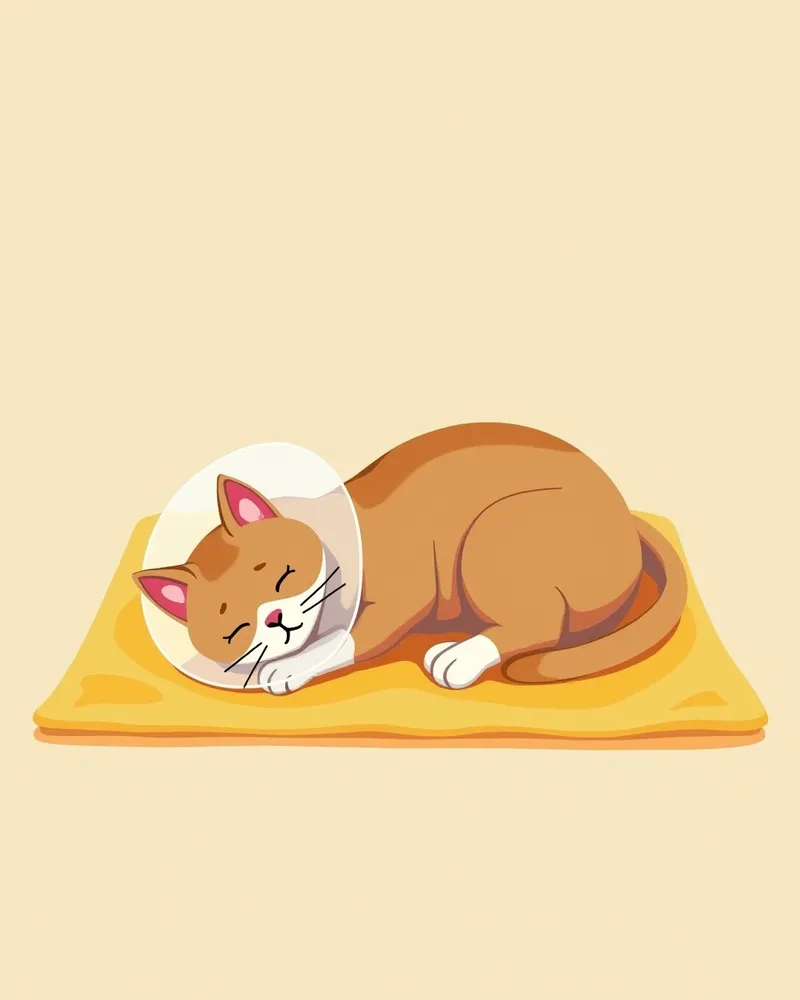
If you notice persistent bleeding from the surgical site, severe swelling, or a fever above 39.5°C (103.1°F) that doesn’t go away, please bring your pet to the vet right away. Also, be concerned if your pet refuses to eat, hasn’t drunk any water for more than 24 hours, seems disoriented, or collapses. These could be signs of infection or other complications, so prompt action is essential.
Diagnostic Methods and Procedures for Feline Spaying and Neutering
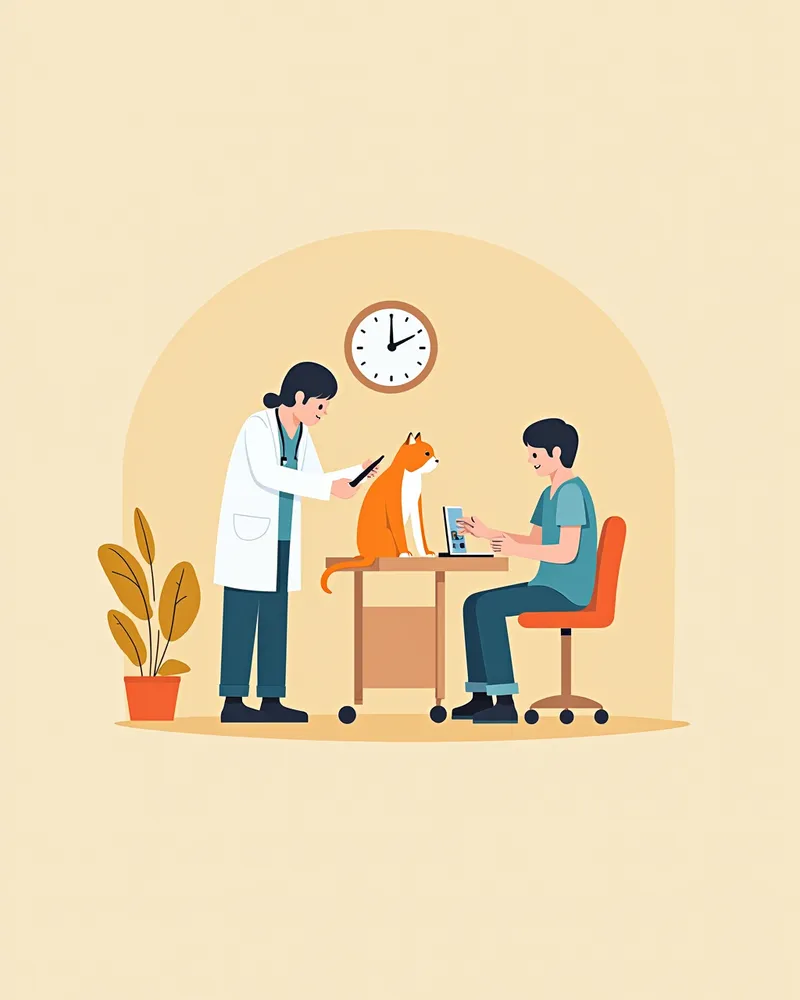
Treatment and Step-by-Step Management for Recovery After Feline Spaying and Neutering

Long-Term Home Care and Prevention Tips

Breed-Specific Precautions and Tips to Prevent Recurrence
After neutering, all cats face an increased risk of weight gain due to hormonal changes. This isn’t a breed-specific issue, so it’s important to monitor both appetite and weight regardless of breed. Sudden weight gain shortly after surgery can lead to obesity, so vigilance is key. Regular weigh-ins, dietary management, and maintaining activity levels are essential for preventing obesity. If you notice any concerns, consult your veterinarian to adjust the management plan.
Reviewed by a veterinarian

Dr. Tony — Punnawat Phongkittirak
VeterinarianA veterinarian who majored in veterinary medicine at Khon Kaen University, Thailand, and completed the IVSA program at North Carolina State University in the United States. Drawing on clinical experience at animal hospitals, he works in the pet healthcare field and is dedicated to building a digital care environment that connects pet parents with veterinarians.
Reviewed 2026-06-29
Frequently Asked Questions
Does spaying or neutering cause pain for cats?
Does a cat’s personality change after neutering?
Why does weight gain occur after spaying or neutering?
How long should my pet wear an Elizabethan collar after surgery?
When is the best time to have my pet spayed or neutered?
Share
Related Guides

The Best Dog Ear Cleaning Methods, Care Tips, and Selection Criteria
Top Recommendations and Selection Criteria for Cat FIV and FeLV Testing

The Best Tips for Optimal Timing and Selection Criteria for Dog Neutering

If Your Cat’s Tears Won’t Stop — Causes of Nasolacrimal Duct Obstruction and When to Seek Treatment
If Your Cat’s Eyes Are Constantly Dry and Sticky — Key Points on Keratoconjunctivitis Sicca and Cyclosporine Treatment

If Your Cat’s Eye Color Changes or Pupils Are Abnormal — Warning Signs of Intraocular Tumors and Treatment Timing
Cat tearing and corneal clouding: Could it be herpes keratitis? — Causes and recurrence management points

Complete Guide to Feline Fluorescein Corneal Staining — From Procedure to Result Interpretation

Feline Eyelid Tumors: Symptoms, Causes, Diagnosis, Treatment, and Care Essentials

If Your Cat’s Eyes Are Always Wet — Causes of Excessive Tearing and Tear Staining, and When to Visit the Vet
References
[1] The Cat, Clinical Medicine and Management, 2nd Edition, 2020
[2] Handbook on Field Veterinary Surgery, Chapter 19: Ovariohysterectomy in Canines and Felines, 2018
[3] The Dog Care Handbook, Things I Wish My Vet Had Told Me, 2023