

Why Your Cat Suddenly Bites — Causes and Behavior Modification for Play Aggression
Play aggression in cats is a behavioral issue stemming from an overexpression of their hunting instincts. We’ve compiled a veterinary-backed overview covering causes, symptoms, behavior modification, and medication.
What Is Play Aggression in Cats?
Main Causes of Play Aggression
Checklist of Key Symptoms of Play Aggression

When to Seek Immediate Veterinary Care
If your pet has suddenly become aggressive or their aggression has worsened, it’s important to first rule out any underlying medical causes. Seek immediate veterinary care if the aggression is accompanied by pain or seizures, if your pet appears disoriented afterward, or if there are changes in appetite or weight. Internal conditions such as hyperthyroidism or neurological disorders can manifest as behavioral changes.
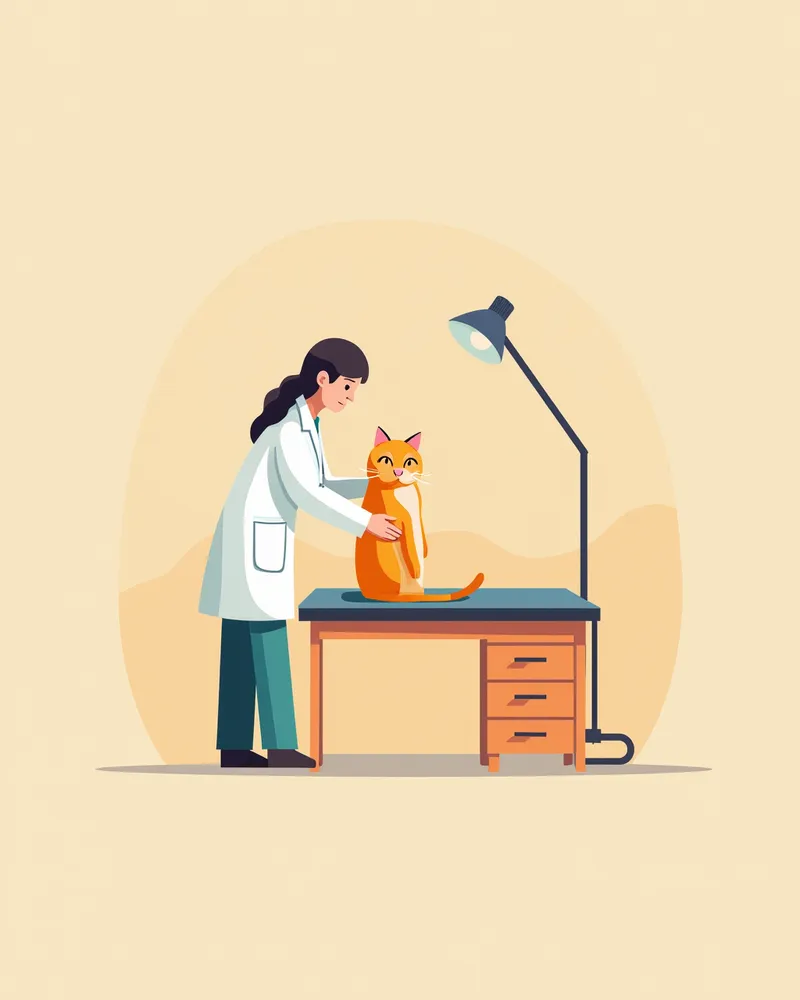
Diagnosis: How Does the Veterinarian Assess It?
Treatment: Behavior Modification and Medication
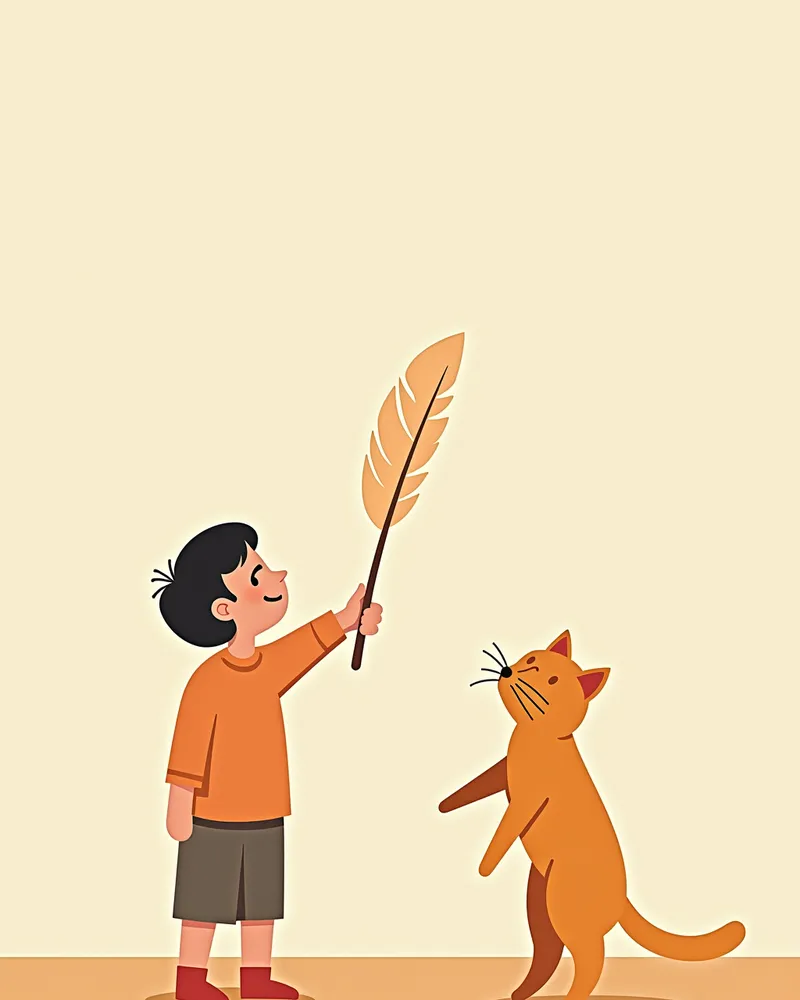
Management Tips You Can Do at Home
Key Points to Remember to Prevent Recurrence
To prevent this behavior, avoid playing with your cat using your hands or feet from an early age, and instead opt for hands-free play and toys. It’s best to end play sessions before your cat shows signs of overexcitement, such as rapid tail flicking or dilated pupils. Avoid punishing your cat, as this can actually increase aggression. Consistency in play routines and environmental management is key. If behavioral correction efforts don’t lead to improvement or if the aggression worsens, consult a veterinarian or a veterinary behavior specialist.
Reviewed by a veterinarian

Dr. Tony — Punnawat Phongkittirak
VeterinarianA veterinarian who majored in veterinary medicine at Khon Kaen University, Thailand, and completed the IVSA program at North Carolina State University in the United States. Drawing on clinical experience at animal hospitals, he works in the pet healthcare field and is dedicated to building a digital care environment that connects pet parents with veterinarians.
Reviewed 2026-06-01
Frequently Asked Questions
How can you tell the difference between play aggression and true aggression (such as fear- or territory-based aggression)?
Does neutering reduce play aggression?
Is it really necessary to give the medication?
Can adult cats also benefit from behavior modification?
My cat is aggressive toward other cats. Should they be examined together?
Share
Related Guides

7 Behavioral Enrichment Strategies for Mental Stimulation Recommended by Veterinarians
Top 5 Recommended Cognitive Supplements for Cats in 2026

Top 5 Calming Supplements for Dogs and Cats in 2026
Cat Tumor Biopsy and Fine-Needle Aspiration: Symptoms, Causes, Diagnosis, Treatment, and Management Essentials

If Your Cat’s Nose or Ear Scabs Won’t Heal — Warning Signs of Squamous Cell Carcinoma and Early Diagnosis
My Cat’s Cough Won’t Stop — Signs of Lung Cancer and Metastasis, and When to Diagnose and Treat
How to Reduce Pain in Cats with Cancer: A Complete Guide to Palliative Care and Pain Management

If Your Cat’s Nosebleeds and Sneezing Don’t Stop — A Complete Guide to Nasal Tumor Causes, Diagnosis, and Treatment
If Your Cat Keeps Stumbling and Drinking Excessive Water — Causes and Treatment of Multiple Myeloma
Feline Lymphoma: A Comprehensive Guide to Symptoms, Causes, Diagnosis, Treatment, and Care
References
[1] Landsberg G., Hunthausen W., Ackerman L., Behavior Problems of the Dog and Cat, 3rd ed., Saunders Elsevier, 2013
[2] Horwitz D.F., Mills D.S. (eds.), BSAVA Manual of Canine and Feline Behavioural Medicine, 2nd ed., British Small Animal Veterinary Association, 2009
[3] Beaver B.V., Feline Behavior: A Guide for Veterinarians, 2nd ed., Saunders, 2003
[4] Mantis P., Sparkes A.H., 100 Top Consultations in Small Animal General Practice, Wiley-Blackwell, 2010
[5] Reisner I.R., Assessment, management and prognosis of canine dominance-related aggression, Veterinary Clinics of North America: Small Animal Practice, 1997