Like
Share
멍실장
강아지 개 당뇨성 백내장 증상과 원인, 진단·치료와 관리 포인트 총정리

If Your Diabetic Dog’s Eyes Look Cloudy — Causes of Diabetic Cataracts and Timing for Surgery

Eye HealthDiseasesMeongsiljang Veterinary Advisory Board

Canine diabetic cataracts are a condition in which the lens of the eye becomes cloudy due to diabetes, potentially leading to rapid vision loss. Early detection and management are crucial.

What Are Canine Diabetic Cataracts?

A side view of a dog with diabetic cataracts
Canine diabetic cataracts are a condition in which the lens of the eye absorbs fluid, swells, and becomes cloudy due to persistently high blood sugar levels caused by diabetes. - Diabetic cataracts: In a state of hyperglycemia, glucose that enters the lens is converted into sorbitol and accumulates. This draws in water via osmotic pressure, causing the lens fibers to swell and begin clouding. - Early onset: In the early stages, vision loss is often subtle, making it difficult for owners to notice. - Rapid progression: Diabetic cataracts often progress quickly, typically developing over a period of days to weeks. - Key to preserving vision: Early detection and veterinary ophthalmic care are crucial for maintaining vision. - High incidence rate: The incidence is so high that most dogs with diabetes develop cataracts within 12 to 16 months of diagnosis. Therefore, even with good blood sugar management, it is difficult to completely prevent cataracts from forming.

What Are the Main Causes of Diabetic Cataracts?
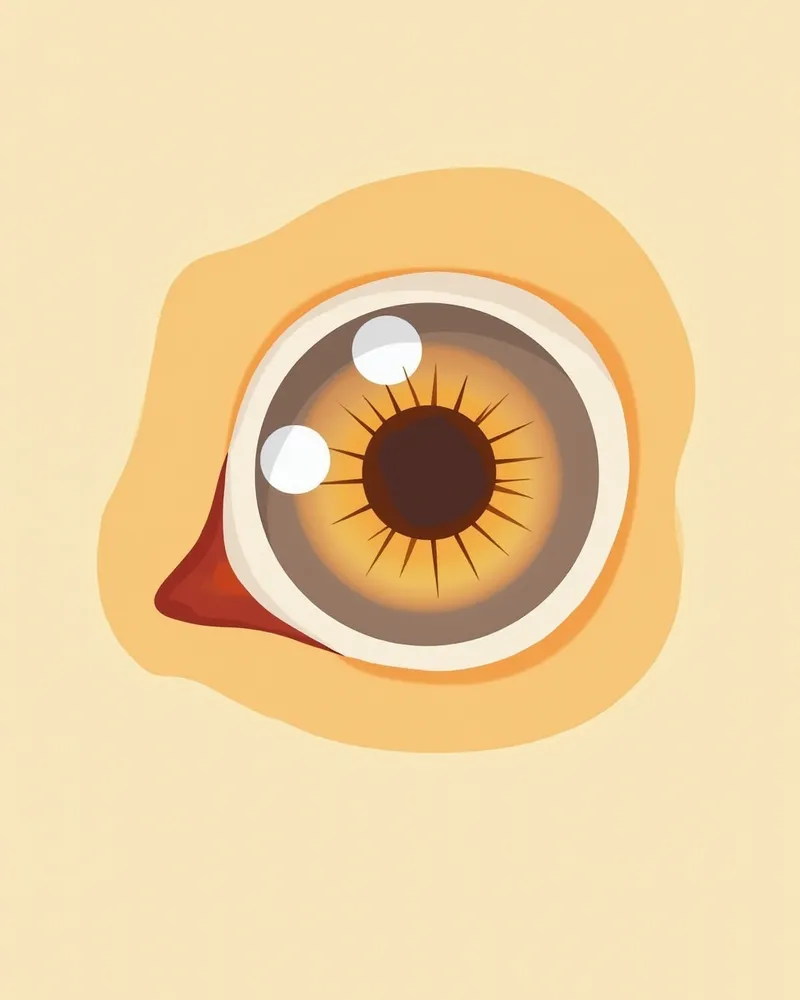
The primary cause of diabetic cataracts in dogs is the persistent high blood sugar associated with diabetes. - Hyperglycemia: Elevated blood sugar levels allow excessive glucose to enter the lens. - Sorbitol accumulation: Inside the lens, glucose converts to sorbitol and accumulates, increasing osmotic pressure and drawing fluid into the lens. - Lens opacity: As the lens absorbs fluid, its fibers swell and the balance between proteins and water is disrupted, causing cloudiness and leading to vision loss. - Onset timing: Dogs with diabetes are at high risk, with most developing cataracts within 12 to 16 months after diagnosis. - Rapid progression: Diabetic cataracts can progress rapidly, sometimes within just a few days to weeks.
An anatomical illustration explaining the process of lens clouding caused by high blood sugar.

What Are the Main Symptoms of Diabetic Cataracts?

Diabetic cataracts are often difficult for pet owners to detect in the early stages. However, there are gradual warning signs to watch for. It is important to carefully observe these behaviors.
Vision loss: Disorientation, bumping into objects or walls, unsteady gait on stairs
Cloudy eyes: The lens appears hazy, or a grayish-white cloudiness is visible
Difficulty locating items: Struggling to find dropped treats or toys
Discomfort in bright light: If there is central lens opacity, the dog may have even more trouble seeing in bright sunlight when the pupils constrict
Tear film abnormalities (Keratoconjunctivitis sicca): Dogs with diabetes often have an unstable tear film, making the eye surface prone to dryness and irritation
If you notice any of these symptoms, consult your veterinarian immediately.
A dog showing sensitivity to light

Symptoms Requiring Immediate Veterinary Visit

If your dog suddenly experiences vision loss, or if their eyes become red, swollen, and painful, the swollen lens may have triggered inflammation (uveitis) or glaucoma. As prolonged swelling increases the risk of lens rupture, prompt cataract surgery may be necessary. Therefore, immediate veterinary attention is essential.

Diagnostic Methods for Accurate Diagnosis
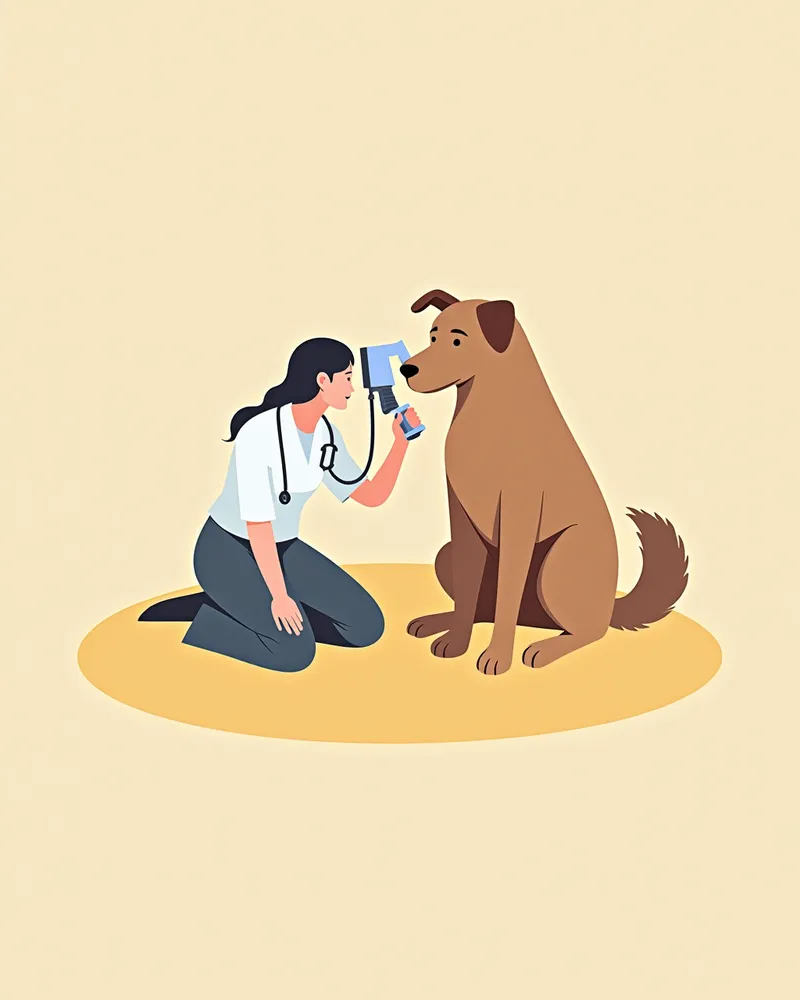
Diabetic cataracts can be directly diagnosed by observing lens opacity during an ophthalmic examination. - Ophthalmic examination: A slit lamp or similar instrument is used to precisely assess the degree of lens clouding and the stage of cataract progression. - Blood glucose test: Blood glucose levels are measured to determine whether diabetes is present and how well it is controlled. - Urinalysis: Urine is tested for glucose (glucosuria) and protein (proteinuria) to evaluate for diabetes and potential complications. - Fundus and retinal examination: The internal structures of the eye, including the retina, are examined before the cataract becomes too dense to allow visualization. - Regular check-ups recommended: For dogs with diabetes, any signs of cataracts should prompt an immediate referral to a veterinary ophthalmologist, and regular eye examinations are advised.
A veterinarian examining a dog's eyes with a slit lamp

Treatment Options: Surgery and Conservative Management

For diabetic cataracts, surgery is the most definitive treatment because medications and eye drops cannot clear a lens that has already become opaque. Phacoemulsification, an ultrasound-assisted cataract removal procedure, involves breaking up and removing the clouded lens and implanting an artificial one, effectively restoring vision in many dogs. Conservative management cannot eliminate the cataract or halt its progression; instead, it focuses on controlling inflammation with topical nonsteroidal anti-inflammatory drugs (NSAIDs) and stabilizing blood sugar levels until surgery can be performed.
A puppy recovering after cataract surgery

Home Care Points

Consistent care is essential even after surgery. Following these steps will help your pet recover more quickly.
Eye Medication: Administer post-operative antibiotics and anti-inflammatory medications exactly as prescribed.
Restricted Walks: Minimize physical activity for 1 to 2 weeks after surgery.
Prevent Foreign Objects: Take care to keep dust and other foreign particles out of the eyes.
Regular Check-ups: Visit the clinic at one week, one month, and three months post-surgery.
Blood Sugar Management: Proper diabetes management directly impacts surgical success rates.
All of these care measures are vital for restoring vision and preventing recurrence.
A dog wearing a collar after cataract surgery

Precautions for Dogs with Diabetes

Dogs with diabetes are at a very high risk of developing diabetic cataracts, with most cases appearing within 12 to 16 months after diagnosis. This risk applies to dogs of all breeds and coat colors, making strict blood sugar management and regular ophthalmic examinations essential. If cataracts are detected, it is best to seek a referral to a veterinary ophthalmologist as soon as possible.

Reviewed by a veterinarian

Dr. Tony — Punnawat Phongkittirak

Dr. Tony — Punnawat Phongkittirak

Veterinarian

A veterinarian who majored in veterinary medicine at Khon Kaen University, Thailand, and completed the IVSA program at North Carolina State University in the United States. Drawing on clinical experience at animal hospitals, he works in the pet healthcare field and is dedicated to building a digital care environment that connects pet parents with veterinarians.

Frequently Asked Questions

Can diabetic cataracts be cured?
Surgery can restore vision by removing the clouded lens and implanting an artificial one. Since medications alone cannot clear a clouded lens, surgery is the key to regaining sight.
Can my dog's vision deteriorate again after surgery?
Since the lens is removed, the same cataract won’t recur. However, if diabetes persists, other eye complications may develop, so consistent blood sugar management and regular check-ups are essential.
How much will the surgery cost?
Surgical costs vary depending on the clinic and location, typically ranging from $700 to $1,000. Please contact the clinic directly to confirm whether insurance coverage applies.
Is it necessary to control diabetes before surgery?
Yes, stabilizing blood sugar before surgery is essential to improve the chances of a successful outcome. Your veterinarian will work with you to create a blood sugar management plan.
What should I do if my pet’s eye becomes cloudy again after surgery?
Please visit the clinic right away to check for recurrence or infection, and receive additional treatment if needed.

Share

Related Guides

References

[1] Plumb's Veterinary Drug Handbook, 9th Edition, 2022

[2] Clinical Medicine of the Dog and Cat, 4th Edition, 2020

[3] Veterinary Ophthalmology, 5th Edition, 2021

This information is based on veterinary literature and does not replace diagnosis or treatment. Please consult a veterinarian for specific health concerns.

Metapet Co., Ltd. | CEO: Park Sung-yong | Business Reg. No. 417-88-02562 | Seoul, South Korea | Customer Center

Diabetic Cataracts in Dogs: Causes & Surgery Timing | Meongsiljang