Like
Share
멍실장
강아지 수면 중 호흡수(RR) 모니터링 심장 증상과 원인, 진단·치료와 관리 포인트 총정리

Monitoring a Dog’s Respiratory Rate (RR) During Sleep: Heart Symptoms, Causes, Diagnosis, Treatment, and Management Tips

RespiratoryDiseasesMeongsiljang Veterinary Advisory Board

A dog’s respiratory rate (RR) during sleep is an important indicator for assessing heart and lung function. Early detection of abnormalities is key to effective treatment.

Monitoring a Dog’s Respiratory Rate (RR) During Sleep and Heart Health

A monitor showing a sleeping puppy’s respiratory rate of 18 breaths per minute
A dog’s respiratory rate (RR) while sleeping is an important vital sign that can help assess heart and lung function. In healthy dogs, the respiratory rate remains relatively stable during comfortable sleep, but if it becomes noticeably faster than usual or shows a consistent upward trend, it warrants clinical attention. In particular, heart dysfunction or lung disease can cause both the respiratory rate and the effort of breathing to increase, which may not be a normal physiological response. In fact, dogs with heart failure may suddenly experience difficulty breathing in the middle of the night, so it’s important to consult a veterinarian if you notice any changes to determine the underlying cause. Developing the habit of regularly monitoring and recording your dog’s respiratory rate during sleep can be very helpful.

Main Causes

- Decreased cardiac function: When the heart weakens, blood circulation becomes inefficient, leading to inadequate oxygen supply and rapid breathing. - Pneumonia: Inflammation in the lungs reduces oxygen absorption capacity, causing an increased respiratory rate. - Airway obstruction: Narrowing or blockage of the airways makes breathing more laborious, increasing both the respiratory rate and the effort required to breathe. - Heart failure: When the heart fails to function properly, blood backs up into the pulmonary veins, and fluid leaks into the alveoli, resulting in pulmonary edema and difficulty breathing. - Bronchitis: Inflammation of the bronchi leads to labored breathing, chronic coughing, and potentially an elevated respiratory rate even during sleep. Since these causes can overlap, an accurate diagnosis is essential.
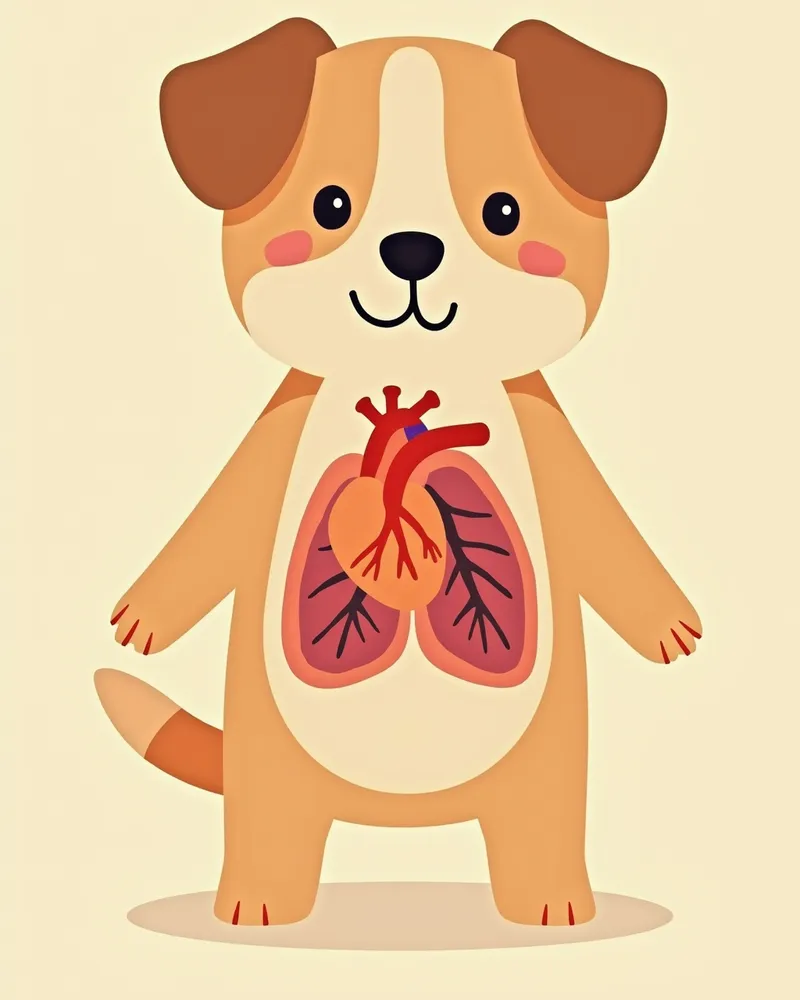
Anatomical diagram of a dog’s heart and lungs, with areas of reduced blood flow highlighted

Main Symptoms and Signs

If your dog’s breathing rate increases during sleep, you may notice the following symptoms. This behavior can be a sign of a serious condition, so please pay close attention.
Excessive breathing: Rapid, labored breathing even while asleep.
Pronounced chest movement: Noticeable, rapid rising and falling of the chest with each breath.
Mouth held open: The mouth may remain open as the dog tries to breathe more easily.
Fatigue and lethargy: Reduced activity and reluctance to move, even after waking up.
Coughing or nasal discharge: If there are lung issues, coughing or mucus from the nose may occur. These symptoms can have various causes, so consulting a veterinarian for an accurate diagnosis is essential.
A dog breathing rapidly during sleep, with noticeable chest movement

When to Seek Immediate Veterinary Care

If your dog’s breathing rate suddenly increases while sleeping, if their gums, tongue, or the area around their mouth turns blue (cyanosis), or if they appear about to collapse, seek veterinary care immediately. These symptoms may indicate serious cardiopulmonary dysfunction and could be early signs of severe oxygen deprivation or circulatory failure. Dogs experiencing respiratory distress can deteriorate rapidly, so prompt action without hesitation is crucial to saving their life.

Diagnostic Methods
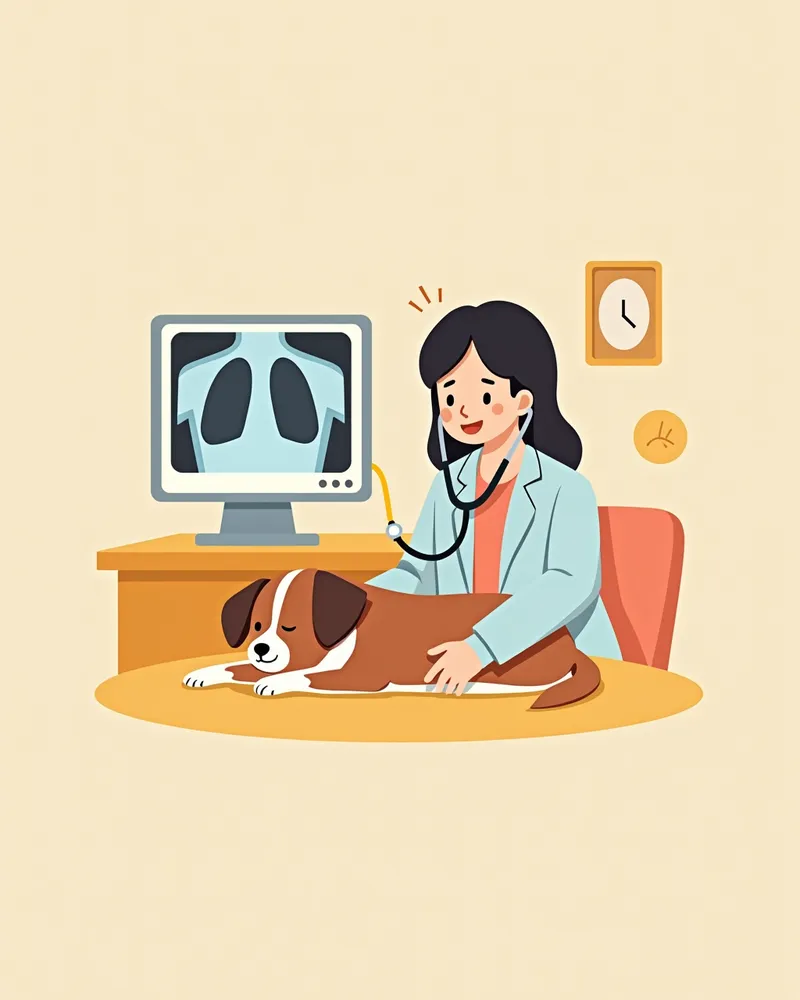
To accurately measure your dog’s respiratory rate during sleep, it’s important to observe them for one full minute in a quiet environment. Veterinarians use chest X-rays to assess the size and shape of the lungs and heart. An echocardiogram provides a detailed evaluation of the heart’s pumping strength and blood flow. Blood tests help check for signs of inflammation and indicators of cardiac function. If needed, an oxygen saturation monitor is also used to track oxygen levels during sleep. Together, these comprehensive tests help identify the underlying cause of the condition.
A veterinarian examining the heart of a sleeping puppy, with a chest X-ray image visible.

Treatment Methods

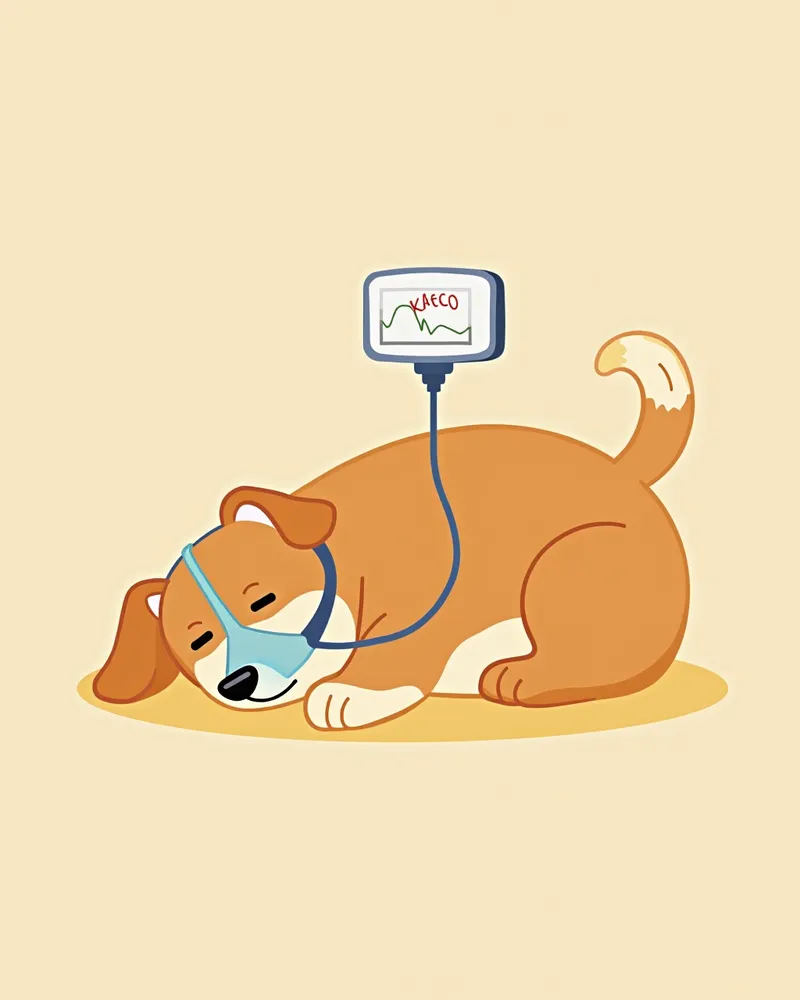
Treatment depends on the underlying cause. If the issue stems from impaired heart function, cardiac medications are prescribed to improve the heart's contractility and regulate blood flow. In cases of pneumonia, antibiotics are used to treat the infection while alleviating coughing and difficulty breathing. For congestive heart failure, fluid restriction is combined with diuretics to remove excess fluid from the body. Oxygen therapy helps when oxygen levels are low, and respiratory support devices may be used if necessary. Regular veterinary check-ups and strict adherence to medication schedules are also crucial throughout the treatment period.
A dog wearing an oxygen mask during sleep, with respiratory rate being monitored

Home Care and Management

Try recording your dog’s respiratory rate during sleep every day. Keeping a log can be very helpful in tracking changes in symptoms. Maintain a quiet and cool environment, and avoid excessive exercise. Weight management is important, as obesity can place added strain on the heart and lungs. Heart-healthy lifestyle habits aid in early prevention, and regular veterinary check-ups allow for ongoing monitoring of your pet’s health.
A dog bed in a quiet room, with a laptop and pen placed beside it.

Breed-Specific Precautions and Prevention of Recurrence

Certain breeds are at a higher risk for respiratory diseases. For example, brachycephalic breeds like Bulldogs have an increased risk of airway obstruction, so you should monitor for changes in their breathing rate during sleep. Additionally, weight control is important for maintaining heart and lung function, so proper weight management is essential.

Reviewed by a veterinarian

Dr. Tony — Punnawat Phongkittirak

Dr. Tony — Punnawat Phongkittirak

Veterinarian

A veterinarian who majored in veterinary medicine at Khon Kaen University, Thailand, and completed the IVSA program at North Carolina State University in the United States. Drawing on clinical experience at animal hospitals, he works in the pet healthcare field and is dedicated to building a digital care environment that connects pet parents with veterinarians.

Frequently Asked Questions

Is a respiratory rate of 35 breaths per minute during sleep dangerous for a puppy?
Respiratory rates during sleep vary from dog to dog, so it’s difficult to determine danger based on a single number alone. However, if your dog’s breathing consistently speeds up compared to their usual rate or if they appear to be working harder to breathe, it may indicate potential heart or lung issues. Rather than relying on a one-time measurement, it’s important to monitor for consistent changes over several days and consider your dog’s overall condition before consulting with your veterinarian.
What causes a faster breathing rate during sleep?
Decreased heart function, pneumonia, airway obstruction, bronchitis, and obesity can all be potential causes. However, since an increased respiratory rate during sleep can also be influenced by various physiological factors, a comprehensive veterinary diagnosis is necessary to determine the exact cause.
How can I measure my pet’s respiratory rate at home?
Simply count how many times your dog breathes in one minute while they are sleeping comfortably. Carefully observe the rise and fall of their chest, and repeat the measurement several times for greater accuracy.
When is oxygen therapy necessary?
If your pet’s breathing rate suddenly increases and their gums or the area around their mouth turn blue, or if they appear weak and about to collapse, oxygen therapy may be necessary. This could be a sign of severe oxygen deprivation, so immediate intervention is required.
Can obesity affect respiratory rate?
Obesity can increase the burden on breathing, leading to a faster respiratory rate. Weight control is crucial for maintaining heart and lung function, so consistent weight management is important.

Share

Related Guides

References

[1] Hahn, G. (1990). Resonant frequency of the chest-lung system by analysis of the respiratory flow curve. Am. J. Vet. Res. 50 (7): 1106–1109.

[2] Advanced Monitoring for Small Animal Emergency and Critical Care, 2nd Ed. (2007). Chapter 15: Central Venous Pressure Monitoring.

[3] Canine and Feline Respiratory Medicine, 3rd Edition. (2010). Section on respiratory compromise and cardiac involvement.

This information is based on veterinary literature and does not replace diagnosis or treatment. Please consult a veterinarian for specific health concerns.

Metapet Co., Ltd. | CEO: Park Sung-yong | Business Reg. No. 417-88-02562 | Seoul, South Korea | Customer Center

Dog Sleeping Respiratory Rate (RR): A Heart Health Guide | Meongsiljang