
Like
Share
멍실장
강아지 복강 내 종양 감별 증상과 원인, 진단·치료와 관리 포인트 총정리

Dog’s Abdominal Distension — Warning Signs of Intra-abdominal Tumors and Differential Diagnosis Points

Oncology/CancerDiseasesMeongsiljang Veterinary Advisory Board

Tumors in a dog’s abdominal cavity often present with subtle early symptoms, making them difficult to detect at an early stage. Accurate differential diagnosis and appropriate treatment are essential.

What Is Differential Diagnosis of Intra-abdominal Tumors in Dogs?
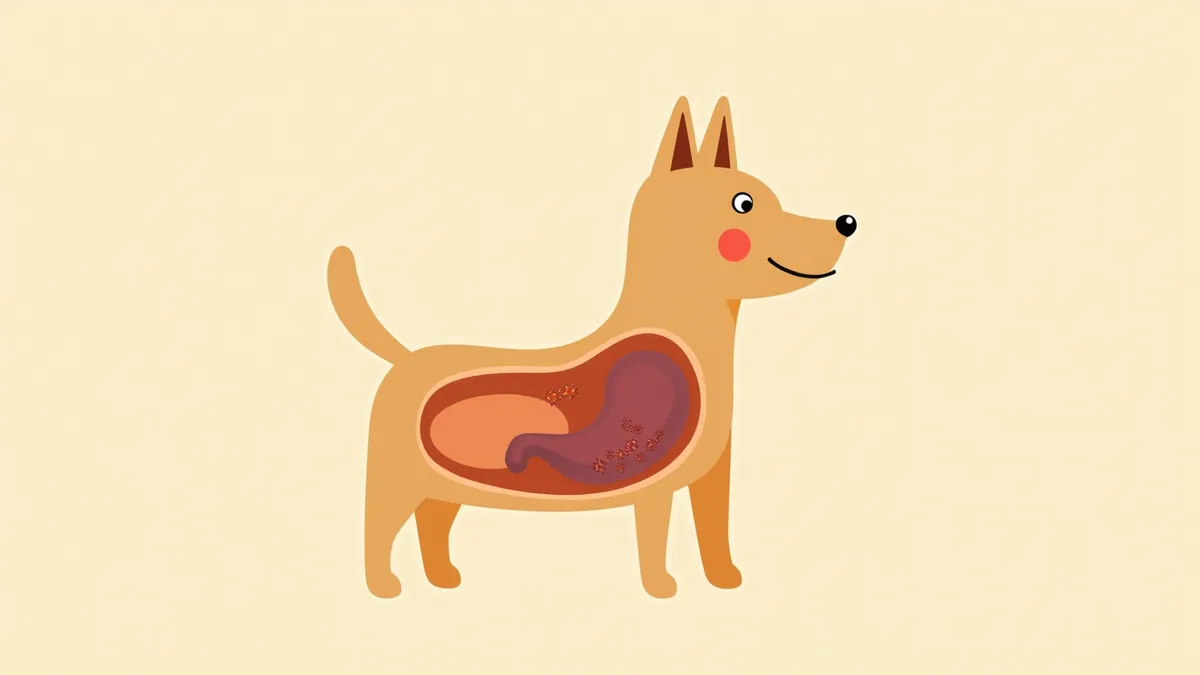
Anatomical diagram for differential diagnosis of abdominal tumors in dogs
Differentiating abdominal tumors in dogs is a crucial diagnostic step to accurately determine the nature of any mass found within the abdomen. - Benign vs. Malignant Status: We distinguish whether the tumor is benign or malignant based on biopsy results and imaging findings. - Identifying Underlying Causes: We analyze various potential causes, such as genetic predisposition, chronic inflammation, or hormonal imbalances. - Checking for Metastasis: We assess whether the tumor has spread to other organs. - Developing a Treatment Plan: Based on the differentiation results, we determine a tailored treatment approach, such as surgery or medication. Accurate differentiation is essential for early intervention and improving prognosis.

What Are the Main Causes of Intra-abdominal Tumors?

Tumors in a dog’s abdominal cavity can develop due to a combination of various factors. - Advanced age (age-related predisposition): Dogs in middle to old age are known to be more susceptible to tumor development. - Organ-specific prevalence: Certain digestive organs, such as the stomach and intestines, have been reported to develop tumors like adenocarcinoma. - Hormonal factors: Some tumors may overproduce hormones, so endocrine evaluations are often conducted during the diagnostic process. - Individual variation: Even in the same environment, whether a tumor develops can vary from dog to dog. - Limitations in identifying causes: It is often difficult to pinpoint a single cause for many abdominal tumors. Therefore, early detection through regular check-ups is more important than definitive prevention, and diagnosis and management should take all these factors into comprehensive consideration.
A veterinarian examining a puppy’s abdomen by gently palpating it.

Check for Key Symptoms and Signs

Tumors inside the abdominal cavity are difficult to detect in their early stages because they rarely show symptoms. However, as the condition progresses, the following signs may appear. To catch the problem early, it’s important for pet owners to observe their pets closely in daily life.
Abdominal distension: The abdomen gradually enlarges and becomes round and swollen.
Loss of appetite: The pet suddenly refuses food or eats only small amounts.
Weight loss: A rapid decrease in body weight due to reduced appetite.
Increased fatigue: The pet sleeps most of the day or shows decreased activity.
Repeated vomiting: Especially common after meals.
Constipation or diarrhea: Changes in bowel habits due to digestive system dysfunction.
Comparison images of suspected symptoms of abdominal tumors in dogs

Emergency Signs Requiring Immediate Veterinary Visit

If your pet experiences a sudden and severe worsening of abdominal distension, shows signs of intense pain, has repeated vomiting or diarrhea, or passes blood-stained stool, immediate veterinary care is necessary. This may indicate that a tumor has caused internal bleeding or intestinal obstruction.

Diagnostic Methods for Accurate Diagnosis

To accurately differentiate tumors within the abdominal cavity, a multi-step diagnostic process is necessary. - Ultrasound examination: This is the first step to non-invasively determine the location, size, and shape of the tumor within the abdominal cavity. - CT/MRI imaging: These scans provide detailed views of the tumor’s structure and assess whether it has invaded surrounding organs. - Blood tests: These evaluate the pet’s overall health status and inflammatory markers. - Tissue biopsy: Cells are directly sampled from the tumor to definitively determine whether it is benign or malignant. - Integrated analysis with clinical symptoms: Test results are combined with observed symptoms to comprehensively assess the nature of the tumor. An accurate diagnosis is key to improving treatment success rates.
An ultrasound examination scene for diagnosing intra-abdominal tumors in dogs

Treatment Methods and Step-by-Step Approach

Treatment for abdominal tumors depends on the tumor’s characteristics and the dog’s overall health. - Surgical treatment: If the tumor is localized and has not metastasized, surgical removal is the most effective approach. - Chemotherapy: For malignant tumors, chemotherapy is often administered alongside surgery to help prevent metastasis. - Radiation therapy: This is used for tumors in locations where surgery is difficult and can also help alleviate pain. - Pain management: If your dog is in pain, administer the prescribed medications exactly as directed by your veterinarian. - Nutritional support: If appetite is reduced, offer small, frequent meals of nutrient-dense food. The treatment plan should be flexibly adjusted to suit each individual case.
Preparing for surgery to remove a tumor in a dog's abdominal cavity

Home Care and Management Points

Proper home care after treatment is essential for supporting your pet’s recovery and improving their quality of life. - Diet management: Offer small, frequent meals of soft, easily digestible food. - Exercise management: Avoid strenuous activity, but maintain regular, gentle walks as tolerated. - Medication adherence: Administer pain relievers and other medications exactly as directed by your veterinarian. - Regular check-ups: Visit the clinic every 1–3 months after treatment to monitor your pet’s condition. - Stable environment: Provide a quiet, comfortable space to minimize stress. - Observation logs: Record daily changes in appetite, bowel movements, and activity levels, and share this information with your veterinarian.
Home care for a dog after abdominal tumor treatment

Preventing Recurrence and Breed-Specific Precautions

Intra-abdominal tumors are known to occur more frequently in middle-aged to senior dogs. Therefore, the older your dog, the more closely you should monitor their abdominal condition on a regular basis. Even after treatment, it is important to consistently check for recurrence or metastasis through routine veterinary examinations and imaging studies.

Reviewed by a veterinarian

Dr. Tony — Punnawat Phongkittirak

Dr. Tony — Punnawat Phongkittirak

Veterinarian

A veterinarian who majored in veterinary medicine at Khon Kaen University, Thailand, and completed the IVSA program at North Carolina State University in the United States. Drawing on clinical experience at animal hospitals, he works in the pet healthcare field and is dedicated to building a digital care environment that connects pet parents with veterinarians.

Frequently Asked Questions

Can tumors inside the abdominal cavity be cured?
It depends on the type of tumor and whether it was detected early. Some tumors can be cured with surgery, but if the cancer has spread, long-term management is necessary.
Can ultrasound alone definitively diagnose a tumor?
Ultrasound is useful for confirming the presence and location of a tumor, but a tissue biopsy is necessary to accurately determine the nature of the tumor.
Will my dog be able to return to normal daily activities after treatment?
The recovery outcome varies depending on each pet’s condition after treatment. In most cases, with proper care, they can maintain their normal daily life.
Is there a way to prevent it?
Regular health check-ups and early detection are the most effective preventive measures. In particular, senior dogs, especially those in middle age and older, are at a higher risk of developing tumors, so they require more attentive care.
If a tumor is found, does it need to be surgically removed right away?
The timing and necessity of surgery are determined after a comprehensive evaluation of the tumor's characteristics and your dog's overall health. Please consult with your veterinarian.

Comparison of Diagnostic Methods for Differential Diagnosis of Intra-abdominal Tumors

ItemAccuracyCostBurden
UltrasoundHighLowLow
CT scanVery highIntermediateIntermediate
MRIVery highHighHigh
Tissue biopsyHighestIntermediateIntermediate

Ultrasound is recommended as the first step, while CT and MRI are highly accurate examinations. Biopsy is essential for a definitive diagnosis.

Share

Related Guides

References

[1] Penninck, D.G. et al. (1998). Ultrasonography of canine gastric epithelial neoplasia. Veterinary Radiology & Ultrasound, 39(5), 342–348.

[2] Terragni, R. et al. (2012). Stomach wall evaluation using helical hydro-computed tomography. Veterinary Radiology & Ultrasound, 53(4), 402–405.

[3] Withrow, S.J. & MacEwen, E.G. (2013). Perianal tumors. In Small Animal Oncology, 5th ed., pp. 423–431. Saunders.

This information is based on veterinary literature and does not replace diagnosis or treatment. Please consult a veterinarian for specific health concerns.

Metapet Co., Ltd. | CEO: Park Sung-yong | Business Reg. No. 417-88-02562 | Seoul, South Korea | Customer Center

Dog's Swollen Belly? Abdominal Tumor Signs & Diagnosis | Meongsiljang