
Like
Share
멍실장
강아지 간 초음파 검사 증상과 원인, 진단·치료와 관리 포인트 총정리

Complete Guide to Liver Ultrasound in Dogs: When It’s Needed and How to Interpret Results

Liver HealthDiseasesMeongsiljang Veterinary Advisory Board

Ultrasound examination of the liver is an important tool for the early detection and accurate diagnosis of liver disease in dogs. Recommended by veterinary clinics, this non-invasive test allows for the assessment of the liver's size, structure, and blood flow.

Liver Ultrasound in Dogs: A Key Diagnostic Tool for Liver Disease
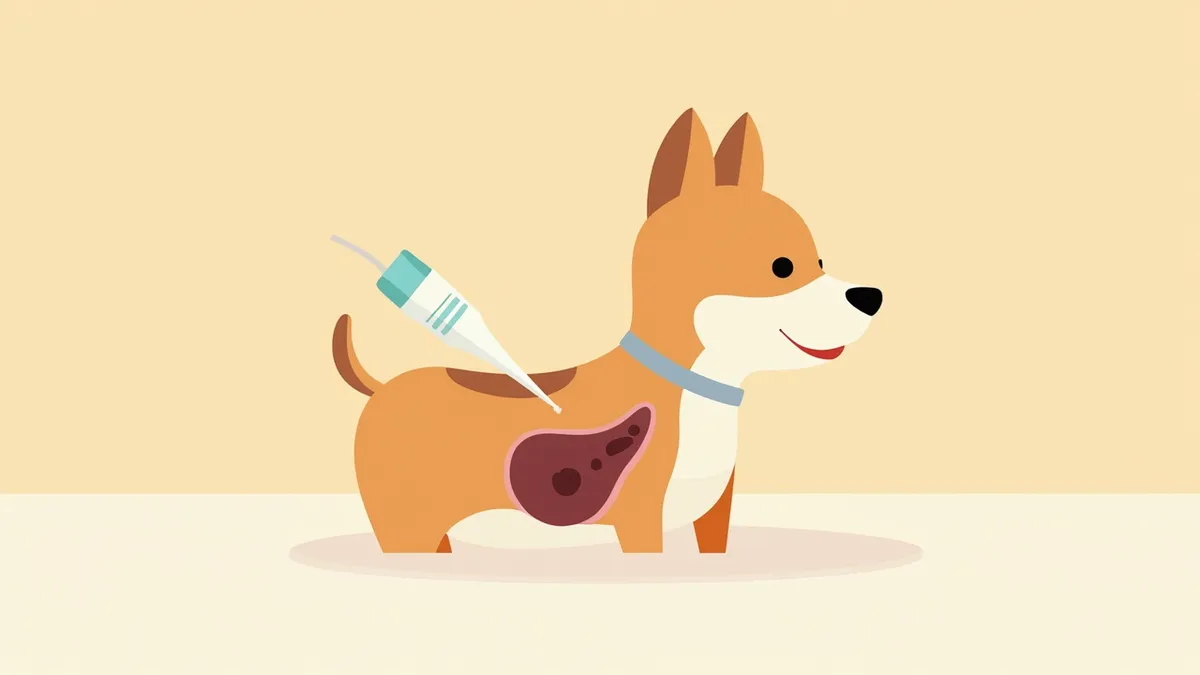
A puppy undergoing an abdominal ultrasound, with the veterinarian using a probe.
Ultrasound is a key diagnostic tool for non-invasively assessing your dog’s liver size, shape, texture, and blood flow. Veterinarians frequently recommend this test when liver dysfunction or lesions are suspected, as it is highly effective for the early detection of various conditions, including hepatitis, fatty liver disease, tumors, and vascular disorders. The procedure is quick and painless, helping to minimize stress for your dog. Regular screenings play a crucial role in preventing the progression of liver disease, and early detection significantly improves treatment outcomes. This is especially important for dogs with chronic conditions or those belonging to high-risk breeds. Since ultrasound results form the foundation of the treatment plan, consultation with your veterinarian is essential.

Main Reasons a Liver Ultrasound Is Recommended
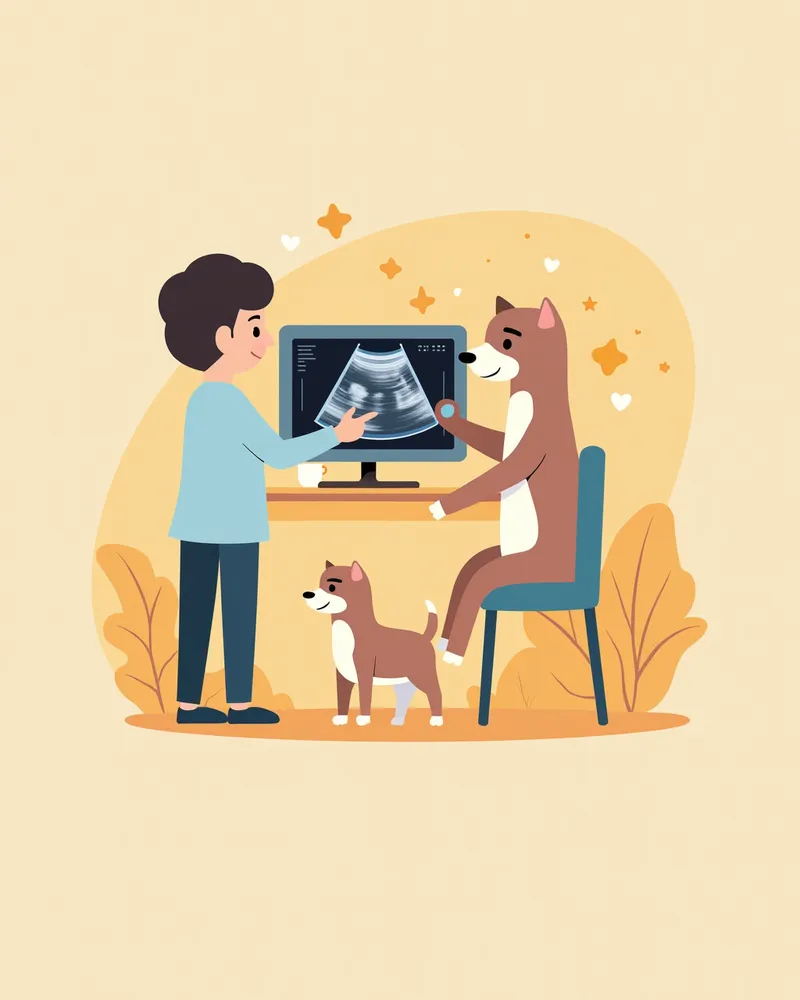
There are many situations in which an ultrasound of your dog’s liver is recommended. It may be advised if liver function tests show abnormal results, if abdominal pain or loss of appetite persists, if weight loss or jaundice develops, or if your dog has a chronic condition such as diabetes or heart disease. It is also useful for monitoring potential liver damage while your dog is taking medication. Early detection of structural abnormalities in the liver can improve both the timing and effectiveness of treatment.
A veterinarian reviewing an ultrasound image of a puppy’s liver on a monitor.

Key Abnormalities That May Appear on a Dog’s Liver Ultrasound
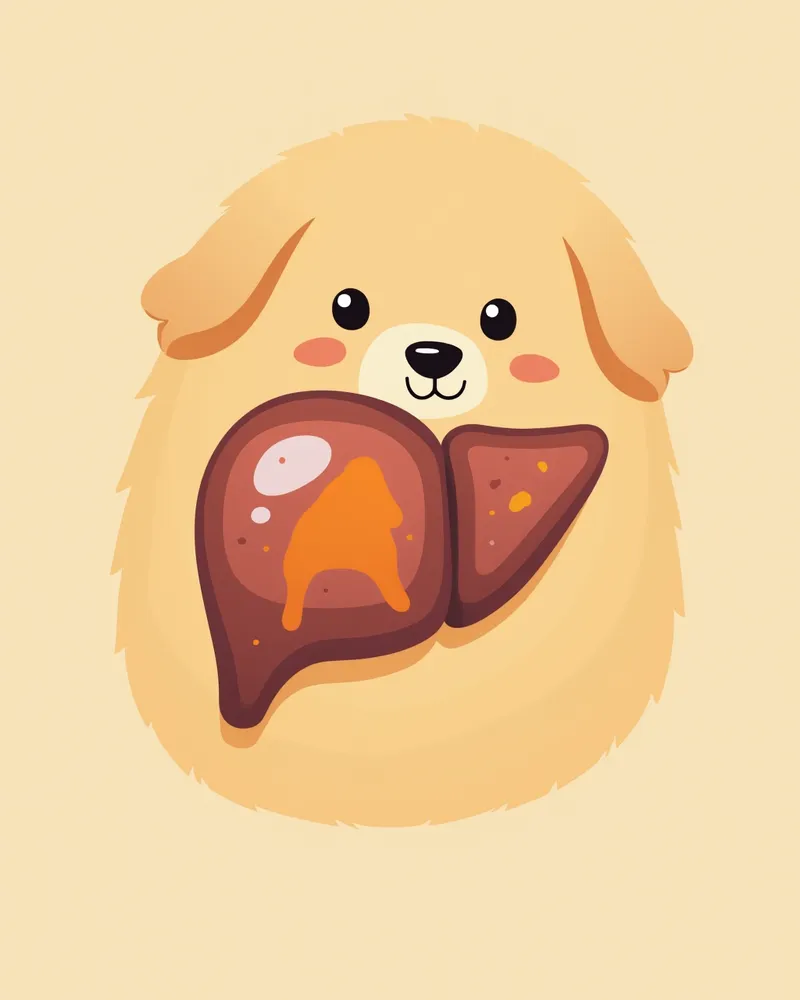
Ultrasound examinations of a dog’s liver can reveal various abnormalities. The liver may appear enlarged or shrunken, and its internal texture might be uneven or show hyperechoic (bright) areas. You may also observe dilated blood vessels or reduced blood flow. If lesions such as tumors or cysts are detected within the liver, further testing is necessary. Additionally, ultrasound can easily identify fluid accumulation (ascites) around the liver.
An ultrasound image of a dog’s liver showing heterogeneous liver texture and fluid accumulation around the liver.

Signs That Require Immediate Veterinary Care

If your dog suddenly loses its appetite, vomits repeatedly, or develops yellowing of the eyes and lips, seek veterinary care immediately, as these signs strongly suggest severe liver damage. Additionally, a distended abdomen, altered mental status, lethargy, or tremors constitute an emergency. These symptoms may indicate liver failure or a risk of bleeding, making prompt diagnosis and treatment essential.

Diagnostic Process and Examination Method

Ultrasound examinations of a dog’s liver are typically performed by cleaning the abdominal area, applying a coupling gel, and placing the transducer on the abdomen. The procedure usually takes about 10 to 20 minutes, and most dogs tolerate it well without confusion or distress. Following the ultrasound, additional tests such as blood work, a biopsy, or CT/MRI imaging may be conducted if needed. The veterinarian will analyze the ultrasound images to assess any structural abnormalities in the liver and develop a treatment plan as necessary.
A veterinarian applying ultrasound gel to a puppy's abdomen

Treatment Options and Step-by-Step Management Strategies

If abnormalities are detected on a puppy’s liver ultrasound, treatment depends on the underlying cause. For chronic hepatitis, steroid therapy with glucocorticoids such as prednisolone is the most commonly used approach in dogs, often combined with immunosuppressants like azathioprine or cyclosporine as needed. Antibiotics may be prescribed if a bacterial infection is present. If a tumor is suspected, a biopsy (fine-needle aspiration or histopathology) is performed to determine whether it is malignant, followed by consideration of surgery or additional treatment. When ascites (fluid accumulation) or poor nutritional status is present, supportive care such as dietary management is essential to improve nutrition. Drug therapy is administered alongside dietary interventions, and treatment efficacy is monitored through regular ultrasounds and blood tests throughout the course of treatment.
A veterinarian discusses a treatment plan with a dog owner while showing them an ultrasound image.

Home Care and Prevention Tips

To protect your dog’s liver health, regular meals and appropriate exercise are essential. Avoid high-fat and high-protein diets, as they can strain the liver. It is important to consistently monitor liver function through regular health check-ups and blood tests. Additionally, be careful to prevent exposure to liver-toxic substances such as chocolate, certain medications, and toxic foods. Dogs of at-risk breeds or those with a history of liver issues require more thorough management. Proper care and prevention at home significantly reduce the risk of disease. Early detection and ongoing management are key to maintaining liver health.
A puppy enjoying a healthy meal.

Certain Breeds Are at Higher Risk for Liver Disease

Some dogs are more susceptible to liver disease due to genetic and metabolic factors. For instance, the risk can vary depending on the individual dog or predisposing conditions, as seen in copper-associated hepatotoxicity, where copper accumulates in the liver. For dogs with recurrently elevated liver enzyme levels or suspected predisposition to liver disease, it is advisable to monitor their condition regularly through ultrasound and blood tests. Since early detection and management of liver disease lead to better outcomes, it is recommended to check breed characteristics and family history when adopting a dog and consult with a veterinarian.

Reviewed by a veterinarian

Dr. Tony — Punnawat Phongkittirak

Dr. Tony — Punnawat Phongkittirak

Veterinarian

A veterinarian who majored in veterinary medicine at Khon Kaen University, Thailand, and completed the IVSA program at North Carolina State University in the United States. Drawing on clinical experience at animal hospitals, he works in the pet healthcare field and is dedicated to building a digital care environment that connects pet parents with veterinarians.

Frequently Asked Questions

Does an ultrasound of a dog’s liver cause pain?
No, there’s very little discomfort. The probe is simply placed against the abdomen, and most dogs just feel a bit tense.
Is fasting required before the test?
While fasting isn't usually necessary, a full stomach can blur the images. It's best to follow your vet's advice and fast for 6-8 hours before the test.
Does a liver lesion always require surgery?
No, the treatment approach varies depending on the type, size, and whether the lesion is malignant. In some cases, medication or simply monitoring may be sufficient.
Can I go home right after the ultrasound?
Yes, your pet can go home right after the exam. The procedure itself is gentle and doesn’t require any special recovery time.
How often should regular liver ultrasounds be performed?
For healthy dogs, check-ups are recommended once every 1 to 2 years, while for dogs with chronic conditions, they are advised every 6 months. The frequency may be adjusted based on the veterinarian's assessment.

Share

Related Guides

References

[1] Textbook of Cardiovascular Medicine in Dogs and Cats, 2020, Chapter 11: Echocardiography and Abdominal Ultrasound

[2] Small Animal Critical Care Medicine, 3rd Ed, 2021, Section 43.1: Indications for Abdominal Ultrasound

[3] Clinical Medicine of the Dog and Cat, 4th Ed, 2022, Chapter 23: Diagnostic Imaging in Hepatic Disease

This information is based on veterinary literature and does not replace diagnosis or treatment. Please consult a veterinarian for specific health concerns.

Metapet Co., Ltd. | CEO: Park Sung-yong | Business Reg. No. 417-88-02562 | Seoul, South Korea | Customer Center

Dog Liver Ultrasound: When It's Needed & How to Read Results | Meongsiljang