Like
Share
멍실장
고양이 포도막염 증상과 원인, 진단·치료와 관리 포인트 총정리

If Your Cat’s Eyes Are Red — Causes of Uveitis and When to Seek Treatment

Eye HealthDiseasesMeongsiljang Veterinary Advisory Board

Feline uveitis is a condition in which the inner structures of the eye become inflamed, potentially causing pain and vision loss. Early detection and appropriate treatment are essential.

What Is Feline Uveitis?
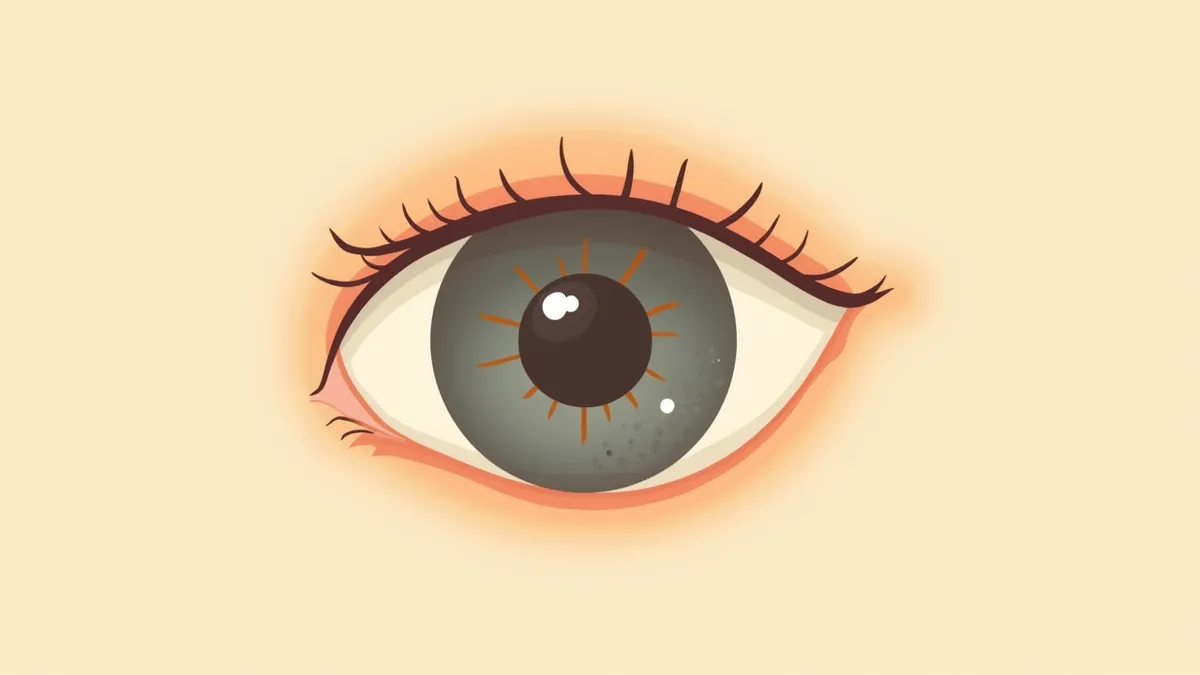
An anatomical diagram highlighting the uveal structures and inflamed areas of the cat's eye
Feline uveitis is an inflammatory condition affecting the uvea, the vascular layer of the eye composed of the iris and ciliary body (anterior uvea) and the choroid (posterior uvea). This tissue plays a crucial role in regulating protein movement into the eye via the blood-ocular barrier. Inflammation in this area can cause pain and, if left untreated, may lead to blindness. Causes are varied, including trauma, systemic diseases, infections, tumors, and genetic factors; in many cases, the exact cause remains elusive even after thorough examination. Uveitis also tends to become chronic or recur. Most importantly, underlying systemic conditions that can be life-threatening are often present, making early detection and comprehensive diagnosis vital for preserving vision and overall health. Close attention is required, as symptoms extending beyond simple tearing or redness can progress to serious complications.

What Are the Main Causes?

The causes of feline uveitis can be divided into infectious and non-infectious factors. - Infectious causes: Viruses (feline leukemia virus [FeLV], feline immunodeficiency virus [FIV], feline infectious peritonitis [FIP], feline herpesvirus [FHV]), protozoa (Toxoplasma gondii), bacteria (particularly Bartonella and Mycobacterium tuberculosis), and fungi (such as Cryptococcus) can invade ocular tissues and trigger inflammation. - Non-infectious causes: These include immune-mediated diseases, trauma, tumors, and metabolic or systemic disorders. However, even after thorough examination, approximately 40–70% of cases are classified as "idiopathic" (cause unknown), and treatment is then focused on managing symptoms. Because many underlying causes are treatable, accurately identifying the root cause is crucial.
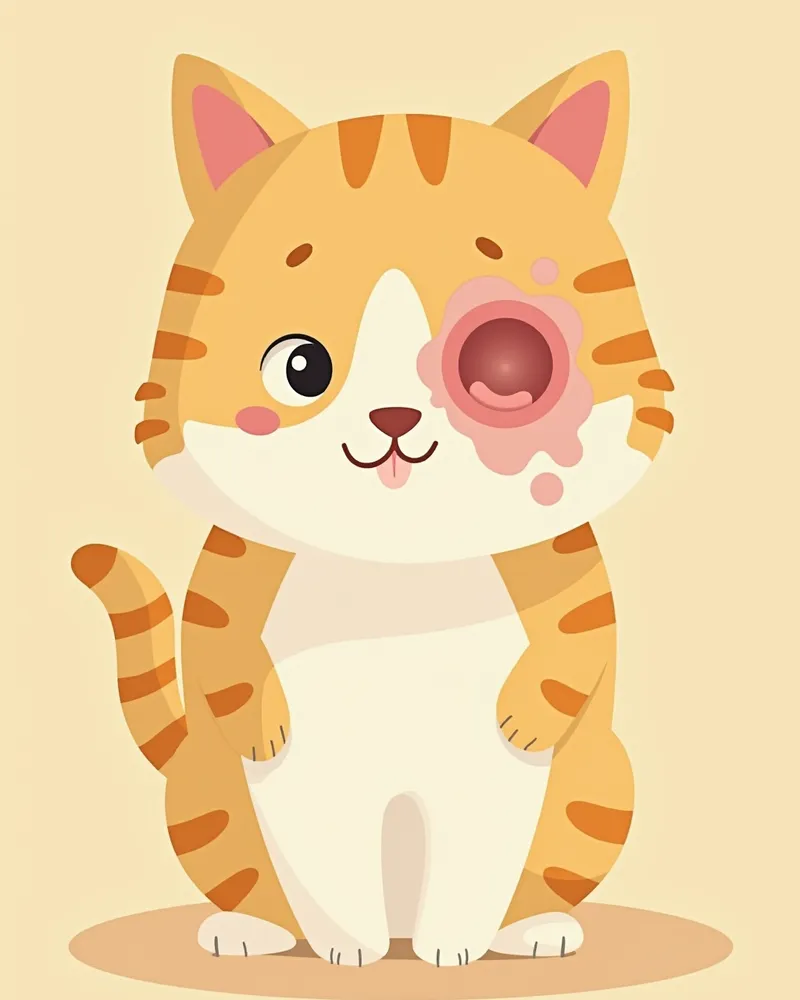
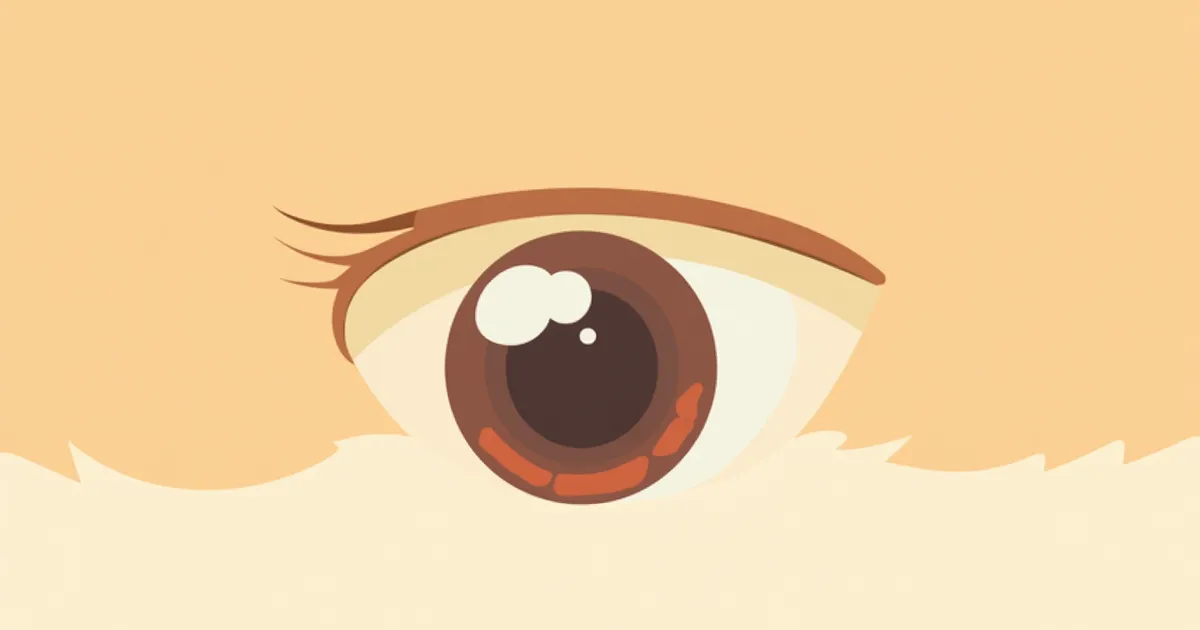
A cat's eye that is swollen and red due to inflammation

Main Symptoms and Signs

Feline uveitis presents with pain and changes in the eye’s appearance and function. However, a diagnosis cannot be made based on a single sign alone; it requires a comprehensive assessment of multiple symptoms. - Pain-related behaviors: The cat may frequently squint or blink, show photophobia (aversion to light), seek dark places, or exhibit protrusion of the third eyelid (nictitating membrane) due to pain. - Redness of the eye: The conjunctiva becomes congested, giving the eye a red appearance. - Internal ocular changes: Signs may include corneal edema (cloudy swelling of the cornea), aqueous flare (protein and inflammatory cells floating in the anterior chamber), hypopyon (accumulation of pus in the anterior chamber), hyphema (bleeding into the anterior chamber), fibrin deposition, and keratic precipitates (deposits on the back surface of the cornea). - Changes in vision: The eye may appear cloudy, or vision may decline, causing the cat to bump into obstacles. These signs serve as important warnings that early treatment is necessary.
A cat blinking its eyes in pain

Signs Requiring Immediate Veterinary Visit

If your cat is squinting in pain, or if its eyes become red, cloudy, and vision deteriorates rapidly, consult a veterinarian immediately. Untreated uveitis can lead to blindness, and it is often associated with underlying systemic diseases that can be life-threatening, making early diagnosis and treatment essential.

Diagnostic Tests for Accurate Diagnosis
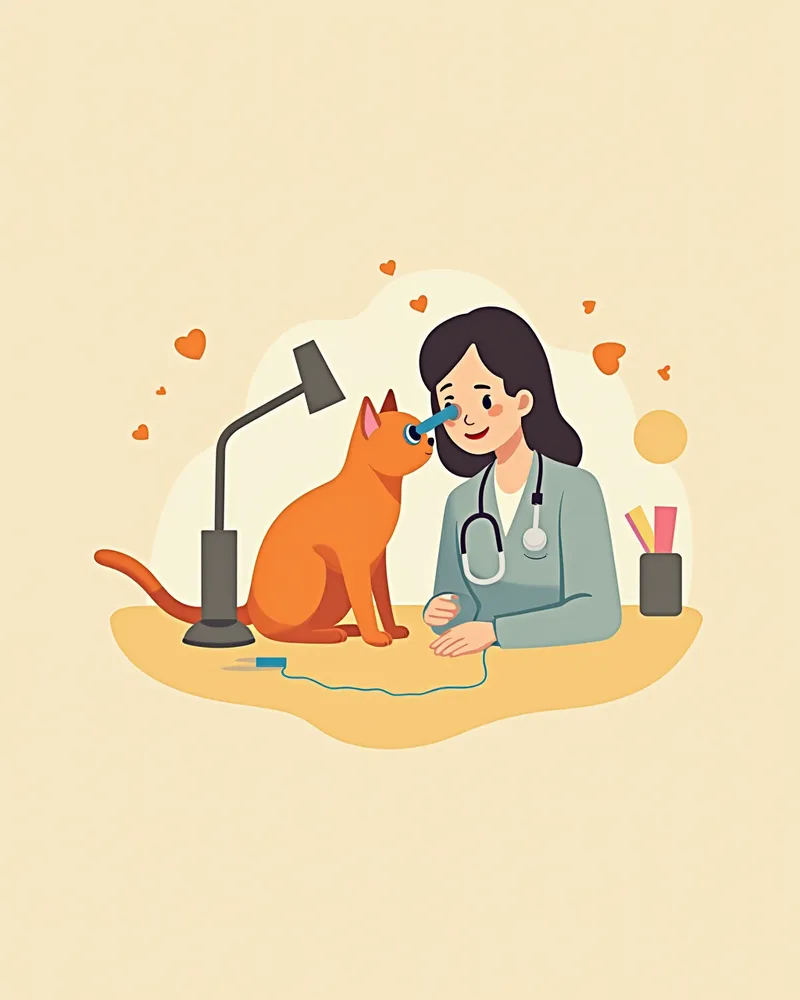
- Ophthalmic Examination: Direct visualization of the anterior and internal ocular structures using a slit lamp and ophthalmoscope to determine the location and severity of inflammation. - Tear Production Test (Schirmer Tear Test): Measures tear secretion volume. Note that normal cats may also exhibit low values, so results require careful interpretation. - Systemic and Blood Tests: Alongside a physical examination, complete blood count (CBC), serum biochemistry, and tests for infectious diseases (such as FeLV, FIV, and Toxoplasma) are performed to identify the underlying cause. - Ultrasound Examination: Evaluates structural changes within the globe, fluid accumulation, and the presence of tumors. - Intraocular Pressure Measurement: Assesses for complications such as secondary glaucoma, which can accompany uveitis. Since many causes are treatable, all test results are synthesized to reach an accurate diagnosis.
A veterinarian examining a cat's eyes with a slit lamp

Treatment Methods and Step-by-Step Approach
Treatment for feline uveitis focuses on suppressing inflammation and relieving pain. - Anti-inflammatory medications: Corticosteroids (e.g., prednisolone) are administered as eye drops or oral medications to reduce inflammation. Steroids are the cornerstone of uveitis treatment. - Antibiotics or antivirals: If an infection is suspected as the cause, appropriate medications are used alongside steroids to target the specific pathogen (e.g., antivirals for herpesvirus). - Immunomodulators: For chronic, severe, or recurrent uveitis, or when an immune-mediated cause is suspected, additional immunomodulatory drugs may be considered alongside steroids. - Mydriatics (pupil dilators): Medications such as atropine help reduce pain and prevent iris adhesions, provided there is no secondary glaucoma. - Treatment duration: Therapy typically lasts from several weeks to several months. Regular follow-up examinations are necessary to adjust medication as needed. It is crucial not to discontinue medications without veterinary guidance.
A veterinarian administering eye drops to a cat.

Home Care Points

Managing feline uveitis at home is just as important as the treatment provided at the clinic. - Medication Management: Administer medication at the correct dosage and on schedule, ensuring consistent use without missing doses. - Eye Protection: Use an Elizabethan collar or protective eyewear to prevent your cat from scratching or rubbing their eyes. - Environmental Adjustments: Provide a quiet, dimly lit space to minimize stress and reduce strain on the eyes. - Regular Follow-ups: Continue to attend regular check-ups as directed by your veterinarian throughout the treatment process. - Dietary Management: Maintain a nutritionally balanced diet to boost immunity and help prevent chronic conditions. - Observation Logs: Record daily changes in symptoms and share them with your veterinarian to help adjust the treatment plan as needed.
A cat resting in a calm and secure environment

Preventing Recurrence and Breed Considerations

Feline uveitis can progress to a chronic state or recur. In addition to trauma, systemic diseases, and infections, genetic factors are also known to contribute to its development. Because recurrence and complications are possible once it occurs, ongoing management and regular veterinary check-ups are essential.

Reviewed by a veterinarian

Dr. Tony — Punnawat Phongkittirak

Dr. Tony — Punnawat Phongkittirak

Veterinarian

A veterinarian who majored in veterinary medicine at Khon Kaen University, Thailand, and completed the IVSA program at North Carolina State University in the United States. Drawing on clinical experience at animal hospitals, he works in the pet healthcare field and is dedicated to building a digital care environment that connects pet parents with veterinarians.

Frequently Asked Questions

Can feline uveitis be treated?
Yes, with early diagnosis and appropriate treatment, symptoms improve in most cases. However, because the treatment course can be lengthy and there’s a risk of recurrence, consistent ongoing care is essential.
Does uveitis cause permanent vision loss?
Early treatment can prevent vision loss. However, delaying care may lead to complications such as cataracts, glaucoma, or retinal detachment, so prompt action is essential.
Is it okay to clean my cat’s eyes at home?
Avoid wiping the eyes with anything other than prescribed eye drops. Touching the eyes can worsen inflammation or increase the risk of infection. Use only eye drops as directed by your veterinarian.
Is uveitis only seen in cats?
No, uveitis can affect dogs as well as cats. However, in cats, some of the causes are often viral infections, so extra caution is needed.
Can I give my pet other medications while they are taking this one?
Absolutely not. Steroids or immunosuppressants can interact with other medications, potentially causing side effects. Always consult your veterinarian before administering any medication.

Share

Related Guides

References

[1] Hoskins, J.D. et al. (2021) Small Animal Ophthalmology, 3rd Edition. Elsevier.

[2] Kirk, C.A. et al. (2020) Veterinary Ophthalmology, 6th Edition. Wiley-Blackwell.

[3] American College of Veterinary Ophthalmologists (ACVO). (2022) Uveitis in Cats: Clinical Guidelines. ACVO Official Guidelines.

This information is based on veterinary literature and does not replace diagnosis or treatment. Please consult a veterinarian for specific health concerns.

Metapet Co., Ltd. | CEO: Park Sung-yong | Business Reg. No. 417-88-02562 | Seoul, South Korea | Customer Center

Cat Eye Redness: Causes of Uveitis and When to Seek Treatment | Meongsiljang