Like
Share
멍실장
강아지 아이 출생 후 반려동물 행동 변화 증상과 원인, 진단·치료와 관리 포인트 총정리

Changes in Your Dog After the Baby Arrives — Causes of Behavioral Changes and Safe Adaptation Management

Brain & CognitionDiseasesMeongsiljang Veterinary Advisory Board

We’ve compiled a guide explaining why a mother dog may bark more or become lethargic after giving birth, along with a symptom checklist and veterinarian-recommended care tips you can implement at home.

Has Your Dog’s Behavior Changed Since the Baby Was Born?
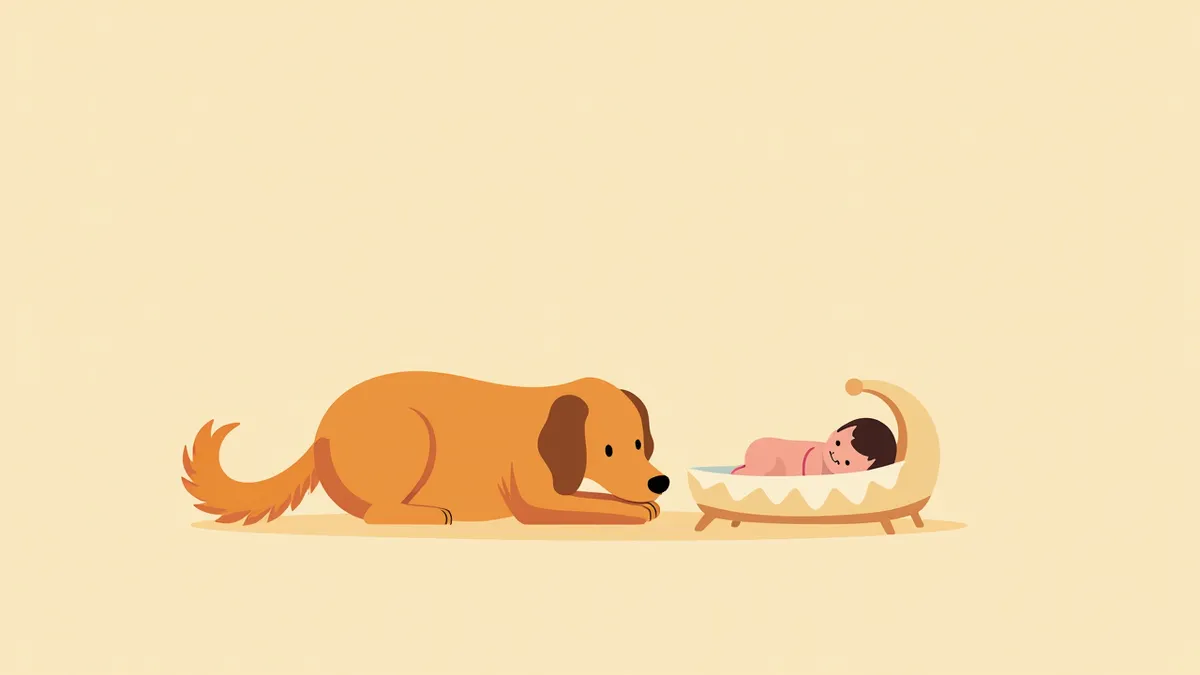
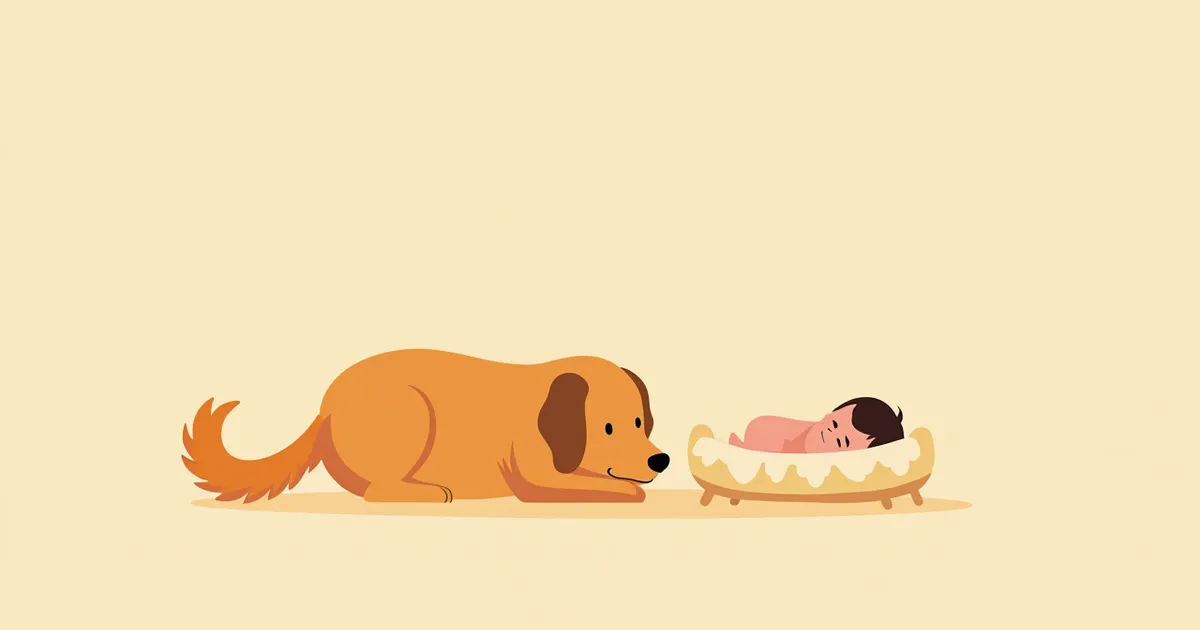
A golden retriever sitting quietly beside a newborn’s crib
Behavioral changes in dogs after the birth of a baby are stress responses that can occur due to sudden shifts in routine, territory, and attention distribution as the newborn joins the household. However, behavioral changes do not always indicate mere environmental adjustment. From a veterinary perspective, behavioral changes can signal physical issues such as pain or illness, so it is essential to rule out medical causes before attributing the behavior solely to environmental adaptation. If the changes are due to environmental adjustment, delaying intervention can worsen the situation, making correction more difficult and potentially leading to chronic anxiety or increased reactivity. Therefore, early intervention is crucial. If symptoms such as increased barking, lethargy, or clinginess persist noticeably, it is advisable to consult a veterinarian specializing in animal behavior to first check for any underlying medical conditions.

Main Causes of Behavioral Changes in Dogs

Disrupted routine: When walks, meals, and playtime become irregular, dogs experience chronic stress in an unpredictable environment.
Unfamiliar stimuli: A newborn’s cries, distinct scent, and small, quick movements can trigger strong alert responses in dogs.
Reduced attention: As owners focus more on the baby, the dog’s need for affection and sense of territory may go unmet.
Changes in space: If the dog’s usual areas are rearranged or access is restricted due to preparing a nursery, it can cause confusion.

Key Symptom Checklist

Excessive barking: Your pet may bark in response to a baby’s cries or follow you around, barking persistently.
Lethargy and depression: They may lose interest in favorite activities and spend more time curled up. However, lethargy is a common sign of many medical conditions, so if it persists, a veterinary visit is necessary.
Decreased appetite: You may notice them leaving food uneaten or refusing treats. Loss of appetite and weight loss are also common in internal medical issues, so it’s best not to assume it’s just stress.
Attachment behaviors: They may constantly follow your heels or refuse to leave your side.
Indoor marking: Your pet may urinate in unusual places inside the home or engage in territory marking. Inappropriate urination can overlap with symptoms of urinary tract diseases, so it’s important to check for both behavioral and medical causes.
Digestive issues: Occasional vomiting or diarrhea may occur. These symptoms can indicate underlying gastrointestinal or other physical problems, so don’t dismiss them as purely stress-related. Have a veterinarian rule out medical causes first.
A puppy hiding in the corner with an anxious expression

Warning Signs Requiring Immediate Professional Consultation

If your child ever encounters even a single instance of warning behavior from the dog, such as growling or baring teeth, or any attempt to bite or scratch, you should immediately consult a veterinary behavior specialist. Until you receive professional advice, it is essential to keep your child and the dog physically separated.

Veterinary Behavioral Assessment and Diagnostic Process

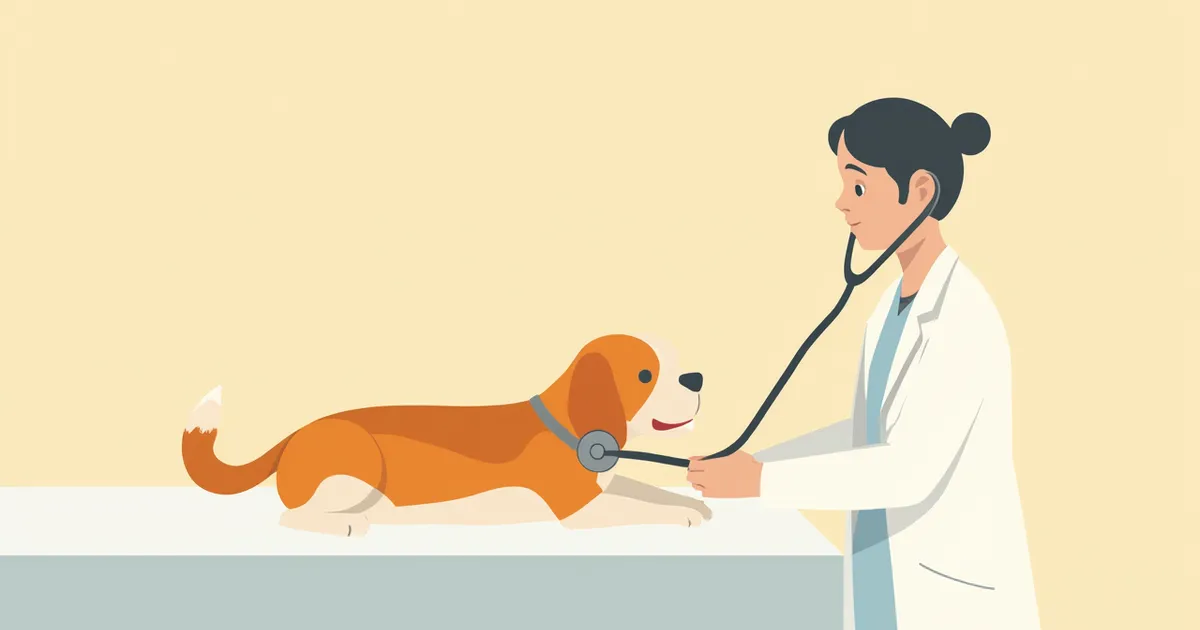
When evaluating behavioral changes, the most important first step is a thorough physical examination. This is because physical issues such as pain, sensory deficits, or disorders of the metabolic, digestive, or nervous systems often cause behavioral changes, so medical causes must be ruled out before making a behavioral diagnosis. Alongside this, we determine the onset and progression of the behavior through owner interviews (covering when it started, the specific contexts, frequency, and intensity), direct observation of the dog, and review of videos recorded by the owner. If necessary, we also perform basic tests such as a complete blood count (CBC), serum biochemistry, and urinalysis to check for hormonal imbalances or underlying diseases.

Step-by-Step Behavioral Modification and Treatment Methods
Step 1 — Desensitization: Gradually introduce your pet to the scent of baby clothes and diapers, and play recordings of a baby’s cry at a low volume to help them become accustomed to these stimuli.
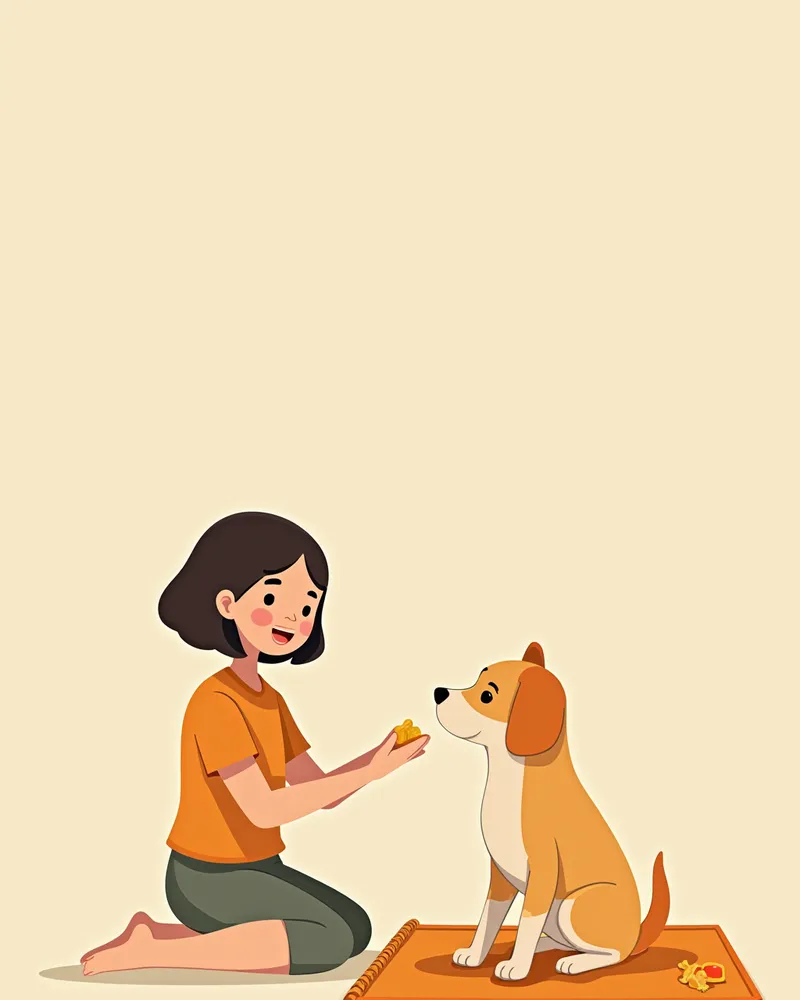
Step 2 — Positive Reinforcement: Reward your pet with treats and praise whenever they calmly stay near the baby, creating a positive association between the baby and good experiences.
Step 3 — Professional Training: If symptoms are severe, work with an animal behavior specialist to implement a structured desensitization program.
A puppy sitting calmly next to a baby play mat while receiving a treat

Management Points You Can Practice at Home
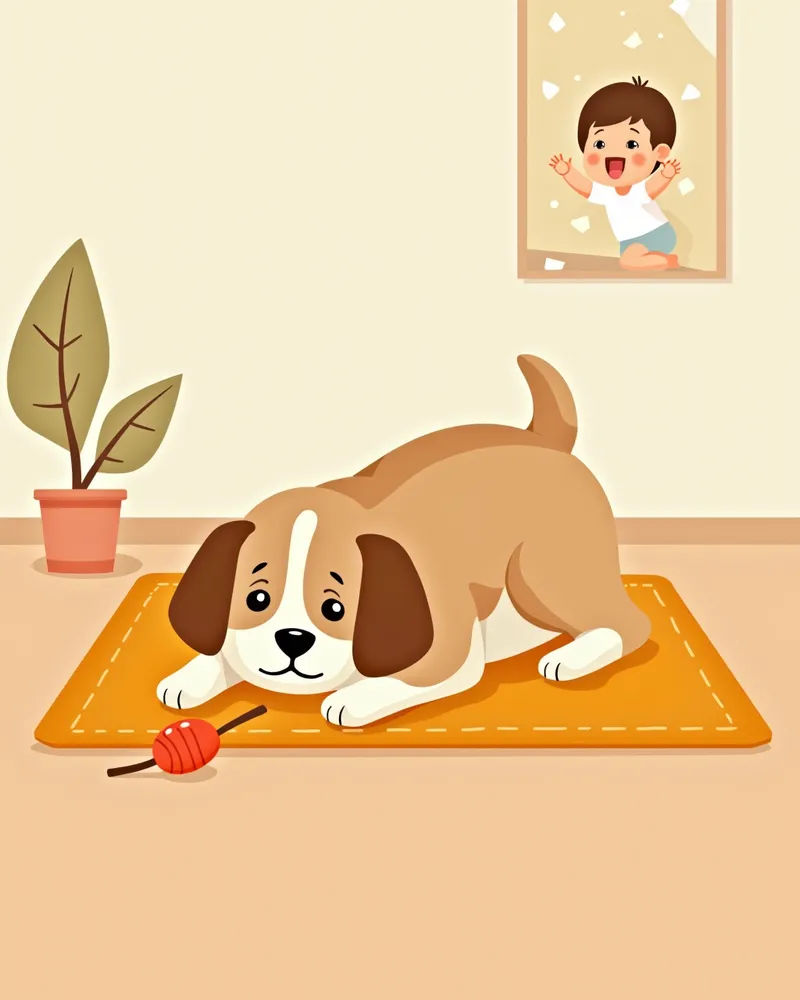
Maintain a routine: Keep your dog’s walk and meal times as close to their usual schedule as possible.
Dedicate one-on-one time: Spend at least 10–15 minutes a day playing with your dog alone in a space where children aren’t present.
Provide a safe space: Set up a retreat area just for your dog, such as a crate or a dedicated mat, where they can go whenever they need some peace.
Always supervise interactions: Make sure an adult is always present when your dog and child are in the same room.
A dog resting comfortably in its own spot on one side of the family living room.

Additional Precautions by Breed and Age

Dogs that lacked adequate socialization during puppyhood may react more sensitively to new stimuli, as early socialization and environmental factors shape later behavioral development. Behavioral changes such as increased reactivity and wariness are also more commonly seen in younger dogs. In contrast, senior dogs may take longer to adjust to environmental changes and can experience age-related cognitive decline, so they often require a longer adjustment period, careful monitoring, and, when necessary, a veterinary evaluation.

Reviewed by a veterinarian

Dr. Tony — Punnawat Phongkittirak

Dr. Tony — Punnawat Phongkittirak

Veterinarian

A veterinarian who majored in veterinary medicine at Khon Kaen University, Thailand, and completed the IVSA program at North Carolina State University in the United States. Drawing on clinical experience at animal hospitals, he works in the pet healthcare field and is dedicated to building a digital care environment that connects pet parents with veterinarians.

Frequently Asked Questions

My dog keeps barking at the sound of a baby crying. Why is that?
A baby’s cry is an unfamiliar high-pitched sound for dogs, often triggering barking due to an alarm response or protective instinct. Gradual desensitization—playing recordings of the cry at a low volume and rewarding calm behavior with treats—can help reduce this reaction over time. However, if the behavior persists or worsens, consult a veterinarian to rule out underlying medical issues.
Should I keep the puppy out of the nursery?
During the initial adjustment period, it's best to limit access and let your puppy first get used to the smells and sounds of the child's room. Once your puppy is comfortable, allow short visits with you present, gradually increasing exposure.
How long do the behavioral changes last?
The time it takes for a puppy to adjust varies from dog to dog, so it’s hard to give a one-size-fits-all answer. With proper care and early intervention, behavioral changes tend to stabilize more quickly; if left unaddressed, they can worsen and become harder to correct. If changes like excessive barking or lethargy persist, please consult your veterinarian to rule out any underlying medical conditions.
Can medications or supplements that reduce anxiety be helpful?
For severe anxiety, behavior-modifying medications prescribed by a veterinarian can be helpful. However, it is essential to first rule out any underlying physical causes through a complete blood work evaluation and medical history review before starting any behavioral medication. Human medications can be extremely dangerous for dogs, so never use them without veterinary guidance; always follow the prescription and instructions provided by your veterinarian after a thorough consultation.
Is it safe to raise a child and a dog together?
With proper management, they can live together harmoniously. However, even after your dog has fully adjusted, never leave your child and dog alone together. The most important safety rule is for a guardian to always supervise them in the same space.

Share

Related Guides

References

[1] Howell, T.J. et al., Introduction to Animal Behavior and Veterinary Behavioral Medicine, Ch.3 & Ch.5, Wiley-Blackwell, 2022

[2] Nagasawa, M., Shibata, Y., Yonezawa, A. et al. (2014). The behavioral and endocrinological development of stress response in dogs. Dev. Psychobiol. 56: 726–733.

[3] Lord, M.S., Casey, R.A., Kinsman, R.H. et al. (2020). Owner perception of problem behaviours in dogs aged 6 and 9-months. Appl. Anim. Behav. Sci. 232: 105147.

This information is based on veterinary literature and does not replace diagnosis or treatment. Please consult a veterinarian for specific health concerns.

Metapet Co., Ltd. | CEO: Park Sung-yong | Business Reg. No. 417-88-02562 | Seoul, South Korea | Customer Center

Your Dog After the Baby Arrives — Behavior Changes & Care | Meongsiljang