Like
Share
멍실장
강아지 원발성 부갑상선기능항진증 증상과 원인, 진단·치료와 관리 포인트 총정리

If Your Dog Is Drinking Excessive Water and Showing Lethargy — Causes and Treatment of Parathyroid Hypercalcemia

EndocrineDiseasesMeongsiljang Veterinary Advisory Board

Primary hyperparathyroidism in dogs is an endocrine disorder in which the parathyroid glands secrete excessive parathyroid hormone, leading to elevated calcium levels. Early detection and proper management are essential.

What Is Primary Hyperparathyroidism in Dogs?

An anatomical diagram showing the location of the parathyroid glands in dogs
Primary hyperparathyroidism in dogs is a condition in which the parathyroid glands autonomously secrete excessive amounts of parathyroid hormone (PTH), leading to elevated blood calcium levels. Persistent hypercalcemia can cause calcium deposits in the kidneys, resulting in kidney damage such as nephrocalcinosis or chronic kidney disease, and may also lead to muscle weakness or, rarely, cardiac arrhythmias. Early symptoms are often subtle, so the condition is frequently discovered incidentally during routine health screenings when high calcium levels are detected. Although not common, it primarily affects older dogs, with the average age at diagnosis being around 11 years. Early detection and appropriate management are key to reducing complications, making regular health check-ups essential. The goal of treatment is to return elevated calcium levels to normal.

What Are the Main Causes?

The primary cause of primary hyperparathyroidism in dogs is a benign parathyroid tumor, known as an adenoma. The most common form is a single adenoma affecting one parathyroid gland, while hyperplasia or malignant tumors (carcinomas) are rare causes. These tumors autonomously secrete parathyroid hormone, elevating blood calcium levels regardless of existing calcium concentrations. The condition typically occurs in older dogs, and a genetic or familial predisposition is well-documented in Keeshonds. Although malignant cases are rare, they present with similar patterns of elevated calcium levels. Since this disease results from autonomous overproduction of hormones within the endocrine system, regular check-ups are essential for early diagnosis.
Histological images of canine parathyroid adenoma

Main Symptoms and Signs

The symptoms of primary hyperparathyroidism in dogs can vary and may be mild in the early stages, so it’s important for pet owners to stay vigilant.
Decreased appetite: A sudden drop in food intake.
Frequent urination and increased thirst: Drinking more water and urinating more often.
Lethargy: Appearing sluggish and sleepy throughout the day.
Recurring vomiting: Frequent vomiting after meals.
Muscle weakness: Difficulty walking or frequent stumbling.
If these symptoms persist, consult your veterinarian immediately.
An image showing the main symptoms of primary hyperparathyroidism in dogs

Signs Requiring Immediate Veterinary Visit

If your dog suddenly shows severe lethargy, repeated vomiting, excessive urination, or decreased consciousness, you should take them to the vet immediately. Very high calcium levels can lead to abnormal heart rhythms or impaired kidney function. This can be life-threatening, so prompt diagnosis and treatment are essential.

Accurate Diagnostic Methods
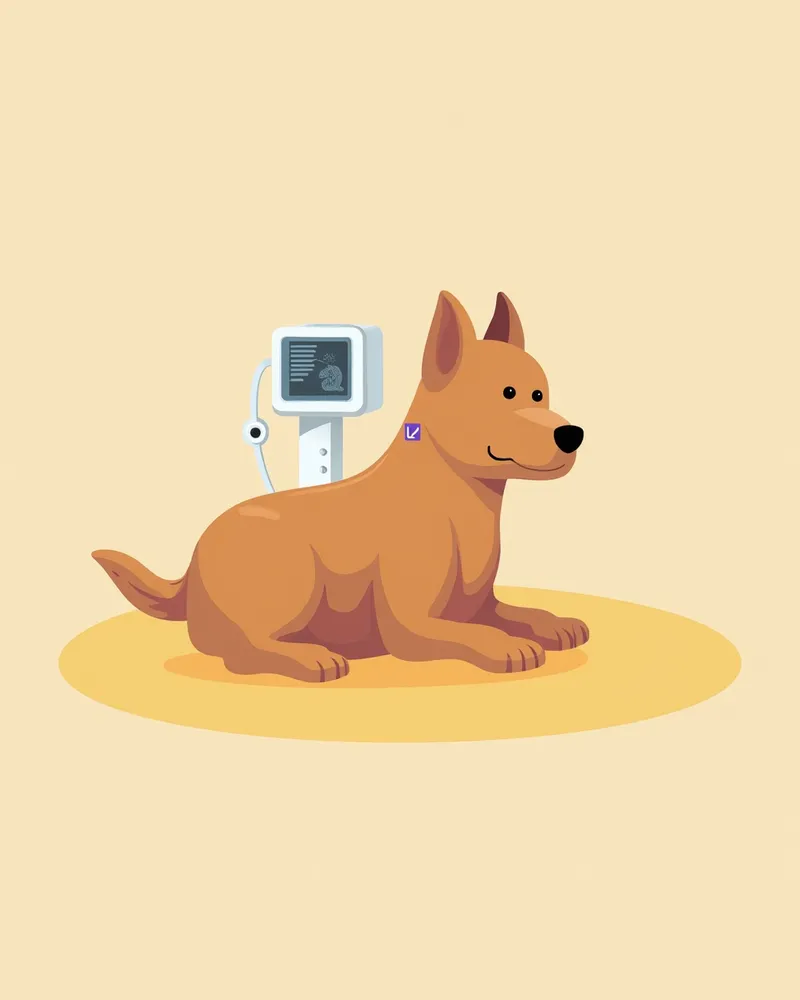
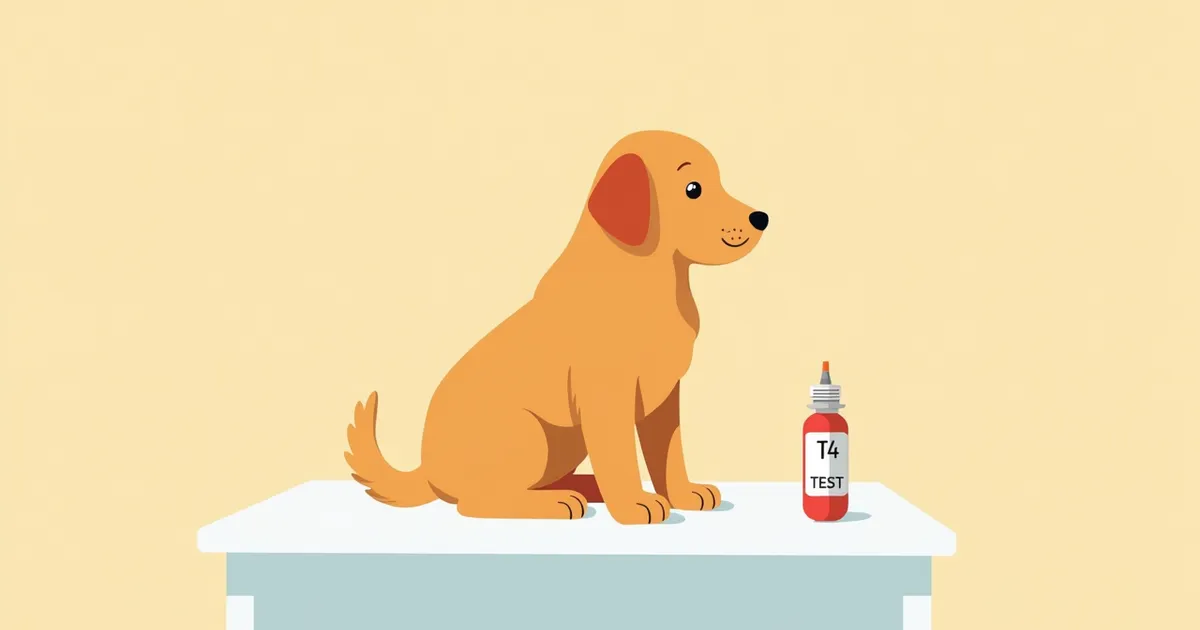
Primary hyperparathyroidism in dogs is primarily diagnosed through blood tests. Characteristic findings include elevated total calcium (or ionized calcium) and low phosphorus levels. Parathyroid hormone (PTH) is often not markedly elevated but rather remains in an “inappropriately normal to high” range relative to the high calcium levels, so it is measured and evaluated alongside calcium. Renal function tests are performed to check for kidney damage, and neck ultrasound is used to assess the location and size of parathyroid tumors. X-rays or ultrasounds can also help evaluate calcium deposition (calcification) in the kidneys, gastrointestinal tract, and other tissues. To accurately diagnose the condition, it is important to conduct multiple tests together to rule out other causes of hypercalcemia.
Ultrasound images of a dog's parathyroid gland

Treatment Methods and Step-by-Step Approach
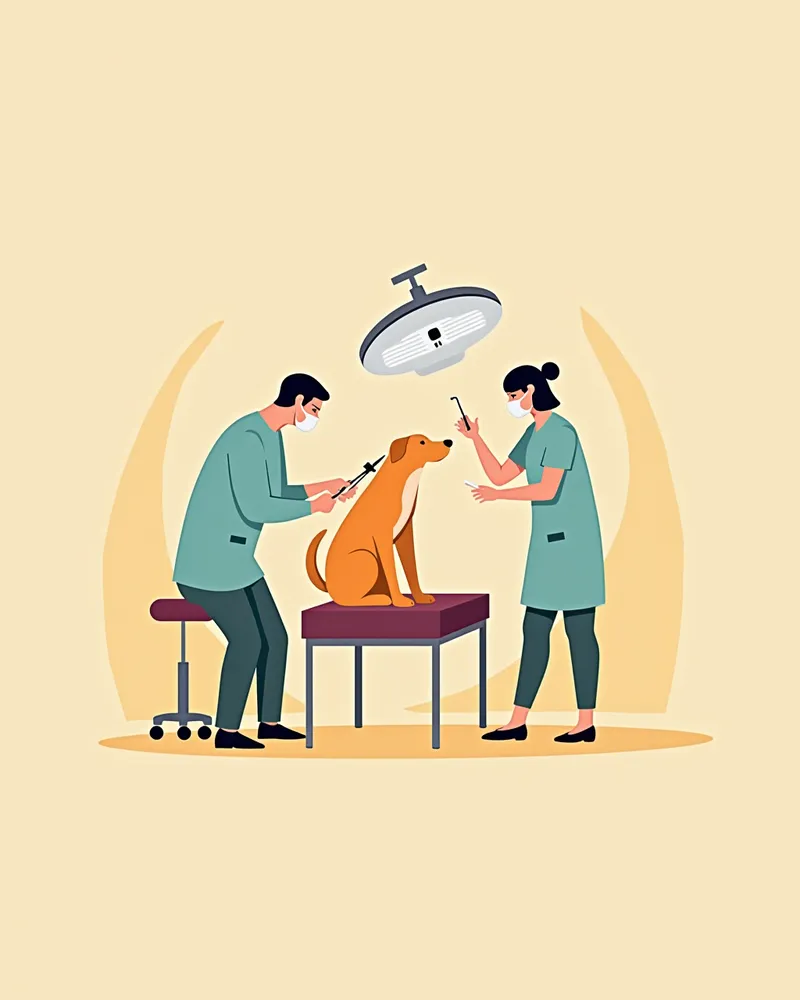
Treatment is determined by the size and location of the tumor, as well as the dog’s overall health. Parathyroidectomy, which surgically removes the tumor, is the primary and most effective treatment. In about 90% of cases, only one parathyroid gland is affected, and complete removal of that gland usually restores calcium levels to normal. For elderly or high-risk patients in whom surgery is difficult, veterinarians may opt for non-surgical management to regulate calcium levels. After surgery, hypocalcemia is common because the remaining normal parathyroid glands may be atrophied; therefore, vitamin D and calcium supplementation may be initiated if preoperative calcium levels were very high (>15 mg/dL). Regular blood tests are necessary to monitor calcium levels after treatment, and the treatment plan should be developed in consultation with your veterinarian.
Image of a dog undergoing parathyroid tumor removal surgery

Home Care Points

After surgery or during medication, it’s important to carefully monitor calcium levels through regular blood tests. In particular, hypocalcemia (low blood calcium) can occur immediately after surgery, so be sure to follow your veterinarian’s instructions for vitamin D or calcium supplements, and watch for warning signs such as tremors or muscle spasms. Ensure your pet has access to plenty of water to prevent dehydration, and strictly adhere to the prescribed dosage and administration schedule for any medications. Avoid strenuous exercise and minimize stress to support recovery. Regular check-ups are essential to monitor for recurrence, and if any abnormal symptoms appear, seek veterinary care promptly to ensure ongoing health monitoring.
Home care tips for managing your dog’s calcium levels

Preventing Recurrence and Breed Precautions

Parathyroid tumors can recur, so it’s a good idea to have regular blood tests after surgery to monitor calcium levels. Among breeds, the Keeshond is well-known for a genetic and familial predisposition. These tumors primarily occur in older dogs, with an average diagnostic age of about 11 years, so be sure to check calcium levels during regular health screenings for dogs aged 8 and older.

Reviewed by a veterinarian

Dr. Tony — Punnawat Phongkittirak

Dr. Tony — Punnawat Phongkittirak

Veterinarian

A veterinarian who majored in veterinary medicine at Khon Kaen University, Thailand, and completed the IVSA program at North Carolina State University in the United States. Drawing on clinical experience at animal hospitals, he works in the pet healthcare field and is dedicated to building a digital care environment that connects pet parents with veterinarians.

Frequently Asked Questions

Is primary hyperparathyroidism in dogs treatable?
Yes, surgical removal of the tumor often leads to a complete cure. About 90% of cases involve a single nodule, and calcium levels typically return to normal after resection. If surgery is not feasible, other methods may be used to regulate calcium levels.
Is this condition influenced by genetic factors?
Keeshonds are known to have a genetic and familial predisposition, with the condition primarily affecting older dogs. If your dog is of the same breed or has a family history, it’s a good idea to regularly check calcium levels through routine veterinary exams.
How long does the recovery period after surgery take?
Calcium levels typically stabilize within 48 hours to a few days after surgery. However, hypocalcemia (low blood calcium) can occur immediately post-surgery, so please manage your pet’s recovery by following your veterinarian’s instructions for calcium and vitamin D supplementation and monitoring.
Is medication alone sufficient?
In cases where surgery is not feasible or the risk is high due to advanced age, we may manage calcium levels with non-surgical methods. However, surgery remains the primary and most effective treatment.
Can dietary management help?
Primary hyperparathyroidism is a condition in which a tumor autonomously secretes hormones, so dietary management alone is not sufficient for treatment. The definitive treatment is surgery, and because there is a risk of hypocalcemia after the procedure, it is best to determine the appropriate diet in consultation with your veterinarian.

Share

Related Guides

References

[1] Hillier, A. et al. (2020) Canine Primary Hyperparathyroidism: A Retrospective Study of 45 Cases. Journal of Veterinary Internal Medicine, 34(3), 1122–1130.

[2] Plumb's Veterinary Drug Handbook, 9th Edition. (2022). Wiley-Blackwell.

[3] American College of Veterinary Internal Medicine (ACVIM). (2021) Consensus Guidelines for the Diagnosis and Management of Canine Hyperparathyroidism.

This information is based on veterinary literature and does not replace diagnosis or treatment. Please consult a veterinarian for specific health concerns.

Metapet Co., Ltd. | CEO: Park Sung-yong | Business Reg. No. 417-88-02562 | Seoul, South Korea | Customer Center

Dog Drinking a Lot and Lethargic? Parathyroid Hypercalcemia | Meongsiljang