Like
Share
멍실장
고양이 폐흡충 증상과 원인, 진단·치료와 관리 포인트 총정리

Feline Lung Flukes: Symptoms, Causes, Diagnosis, Treatment, and Management Essentials

Infection/ParasitesDiseasesMeongsiljang Veterinary Advisory Board

Feline lung flukes are parasites that live in the lungs, causing symptoms such as coughing, difficulty breathing, and weight loss. Early diagnosis and appropriate treatment are essential.

Feline lung flukes are parasites that live in the lungs
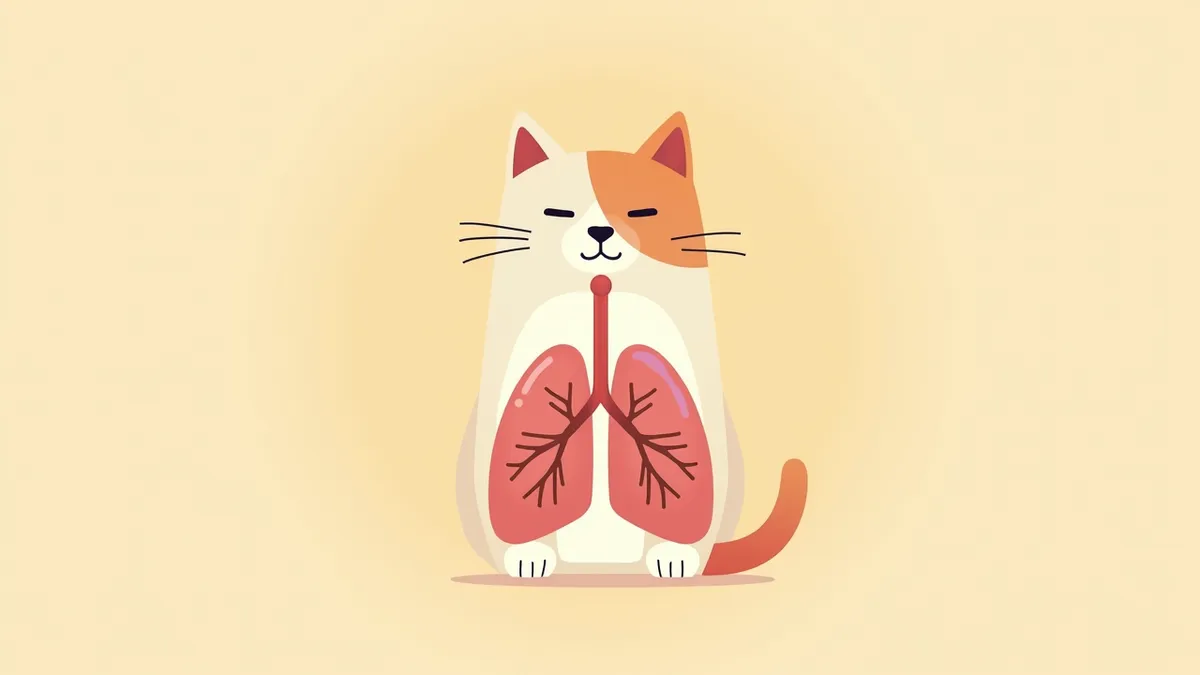
An anatomical illustration showing lung flukes parasitizing a cat's lungs
Feline paragonimiasis is a parasitic disease caused by lung flukes that inhabit lung tissue, leading to inflammation and damage. Cats become infected by consuming intermediate or paratenic hosts (such as snails, birds, or mice) harboring the larvae. Once ingested, the larvae emerge from the intestines, migrate to the lungs, and mature into adult flukes. This process irritates the airways and alveoli, potentially causing respiratory symptoms such as nasal discharge, sneezing, coughing, rapid breathing, and difficulty breathing. Symptoms may range from absent or mild to severe, particularly in kittens or cats with concurrent parasitic infections. Therefore, early diagnosis and appropriate treatment are crucial, and understanding the parasite’s life cycle is key to prevention. It is especially important to avoid feeding cats wild-caught animals.

How do the parasites reach the lungs?
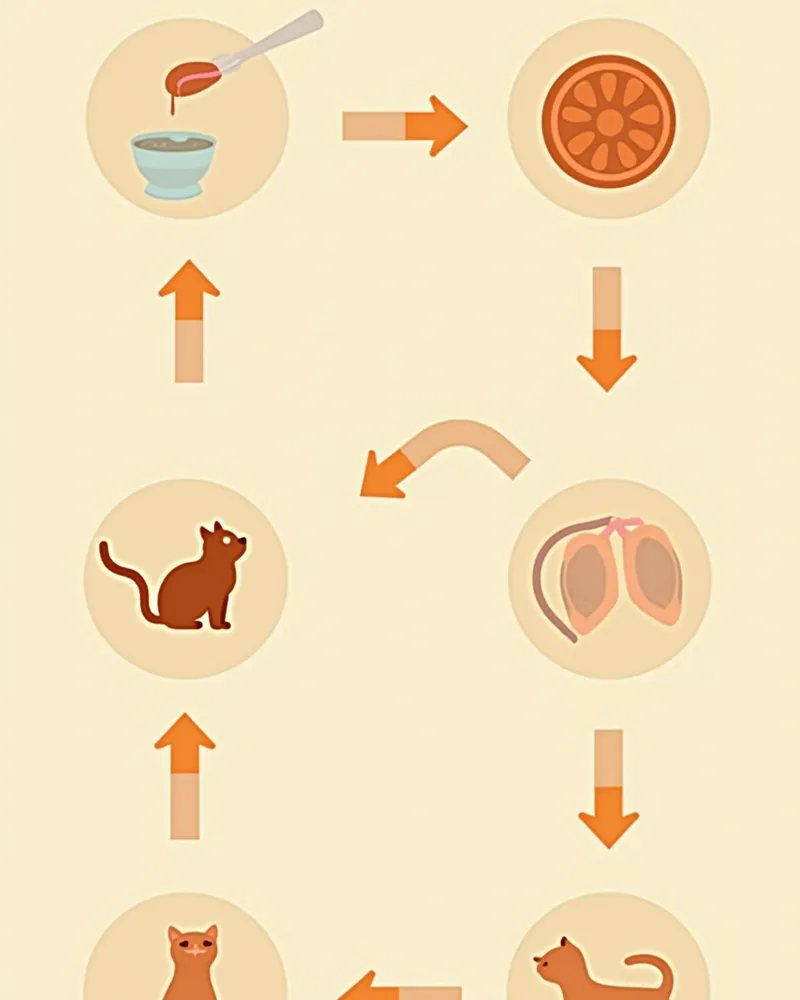
The larvae of feline lung flukes enter the digestive tract when cats consume intermediate hosts such as snails or transport hosts like birds and rodents. The larvae then migrate from the intestines to the lungs, where they mature into adults in the airways and alveoli. This process irritates lung tissue, triggering an inflammatory response that can cause respiratory symptoms such as coughing, rapid breathing, and difficulty breathing. Depending on the severity of the infection and the cat's immune response, symptoms may range from none at all to mild or severe. Therefore, it is important to prevent cats from hunting and eating wild animals or intermediate hosts, and to avoid exposure to contaminated environments when outdoors.
Illustration of the life cycle of feline lungworm

Check for key symptoms and signs

If your cat is infected with lungworms, you may notice the following symptoms:
Persistent coughing: The cough tends to worsen at night or after physical activity.
Difficulty breathing: Your cat may breathe with difficulty, showing signs like panting or flaring nostrils.
Weight loss: A decrease in appetite can lead to noticeable weight loss.
Blood-tinged mucus: In some cases, your cat may cough up mucus that appears reddish.
Lethargy: Your cat may show prolonged periods of inactivity, lying down and not moving much throughout the day.
If these symptoms persist, please consult your veterinarian immediately.

Symptoms requiring immediate veterinary care

If your pet’s cough lasts for more than a day or their breathing becomes significantly labored, seek veterinary care immediately. It’s especially urgent if you notice blood in their mucus or if they’re struggling to breathe.

What are the diagnostic tests?

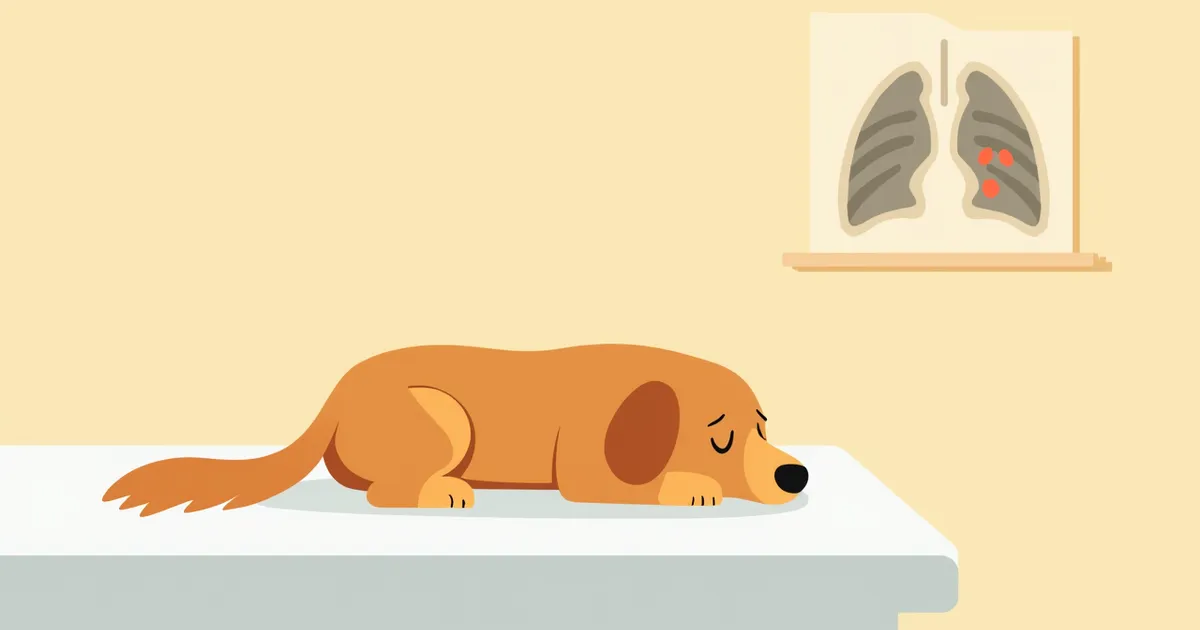
Diagnosing feline lung fluke infection requires a combination of tests. Fecal examination is the cornerstone: the Baermann technique is the most reliable method for detecting first-stage larvae of Aelurostrongylus abstrusus, while fecal flotation is used to identify eggs of parasites such as Capillaria and Paragonimus. However, because these fecal tests have low sensitivity, a negative result does not completely rule out infection. Thoracic radiographs are useful for identifying abnormal opacities in the bronchi and alveoli, particularly when coughing persists. In cases of strong suspicion, cytology of bronchoalveolar lavage fluid may be performed to directly visualize larvae. An accurate diagnosis requires a veterinarian to comprehensively evaluate the results of multiple tests.
Illustration of a veterinary clinic scene for diagnosing feline lungworm infection

Treatment is carried out in stages

Treatment begins with a veterinarian-prescribed dewormer (antiparasitic). Commonly, fenbendazole is administered orally at a dose of 50 mg per kilogram of body weight for 3 to 14 days, or spot-on formulations containing moxidectin, selamectin, or emodepside are used. Selamectin is typically given twice at one-month intervals, while milbemycin is administered every two weeks for six weeks; the schedule varies depending on the active ingredient. In severe cases, respiratory or anti-inflammatory treatments may be added to alleviate symptoms. During treatment, monitor your cat’s condition closely and administer the prescribed medication consistently without missing any doses. After treatment, follow-up testing confirms whether the parasites have been eliminated, and additional treatment is provided if necessary. Early treatment aids recovery.
Illustration of administering anthelmintic medication for the treatment of feline lungworm infection

Home care and precautions

During treatment, keep your cat indoors and provide a clean, calm environment. Use an air purifier to improve air quality, and maintain appropriate indoor humidity on days when coughing is severe. Monitor food intake to prevent weight loss and ensure a balanced diet. Administer medications regularly at the same time each day to avoid missed doses. Never feed fish or shellfish, and keep the surroundings clean to prevent reinfection.

Key points for preventing recurrence

If your cat has a habit of eating fish or shellfish, you must strictly prevent this behavior. When going outside, make sure your cat avoids other cats' feces and contaminated water, and it is important to keep the surrounding environment clean. Prevention is far more effective than treatment.

Reviewed by a veterinarian

Dr. Tony — Punnawat Phongkittirak

Dr. Tony — Punnawat Phongkittirak

Veterinarian

A veterinarian who majored in veterinary medicine at Khon Kaen University, Thailand, and completed the IVSA program at North Carolina State University in the United States. Drawing on clinical experience at animal hospitals, he works in the pet healthcare field and is dedicated to building a digital care environment that connects pet parents with veterinarians.

Frequently Asked Questions

Can feline lungworms be transmitted to humans?
There is no confirmed evidence that feline lungworms (particularly Aelurostrongylus abstrusus) can be transmitted to humans. However, since the environment can become contaminated with expelled parasites, it is important to keep the surrounding area clean.
What should I do if the coughing continues after treatment?
If your pet continues to cough even after the treatment period has ended, it could be due to lingering inflammation or residual effects in the lungs. Please consult with your veterinarian for further examination or treatment.
What should you pay attention to for prevention?
Avoid feeding your cat raw meat from wild animals, birds, or rodents, and make it a habit to wipe their paws after they come indoors. It’s also important to promptly clean up your cat’s waste.
What should I do if I see parasite eggs in my pet’s stool?
Because the first-stage larvae of Aelurostrongylus abstrusus are shed in the feces, fecal examinations such as the Baermann technique are the most reliable diagnostic methods. However, since fecal tests have low sensitivity, a negative result does not completely rule out infection. Therefore, if symptoms persist, it is advisable to consult your veterinarian about repeating the test or pursuing additional diagnostic evaluations.
What should I do if I miss a dose during treatment?
If you miss a dose, give it as soon as you remember. However, if you miss two or more doses in a row, please consult your veterinarian, as the treatment may become less effective.

Share

Related Guides

References

[1] Sakai, T., et al. (2019). Paragonimus westermani infection in cats: Clinical features and diagnosis. Journal of Feline Medicine and Surgery, 21(8), 721–728.

[2] Kim, J.H., et al. (2021). Epidemiological survey of Paragonimus spp. in domestic cats in South Korea. Veterinary Parasitology: Regional Studies and Reports, 26, 100615.

[3] Plumb's Veterinary Drug Handbook, 9th Edition. (2022). Wiley-Blackwell. Chapter on anthelmintics for lung flukes.

This information is based on veterinary literature and does not replace diagnosis or treatment. Please consult a veterinarian for specific health concerns.

Metapet Co., Ltd. | CEO: Park Sung-yong | Business Reg. No. 417-88-02562 | Seoul, South Korea | Customer Center

Feline Lung Fluke: Symptoms, Causes, and Treatment Explained | Meongsiljang