Like
Share
멍실장
강아지 산소 요법 증상과 원인, 진단·치료와 관리 포인트 총정리

Dog Oxygen Therapy: Symptoms, Causes, Diagnosis, Treatment, and Management Essentials

RespiratoryDiseasesMeongsiljang Veterinary Advisory Board

Oxygen therapy is a life-saving treatment for dogs experiencing respiratory distress. You can easily find comprehensive information on causes, symptoms, diagnosis, and management all in one place.

What is canine oxygen therapy?

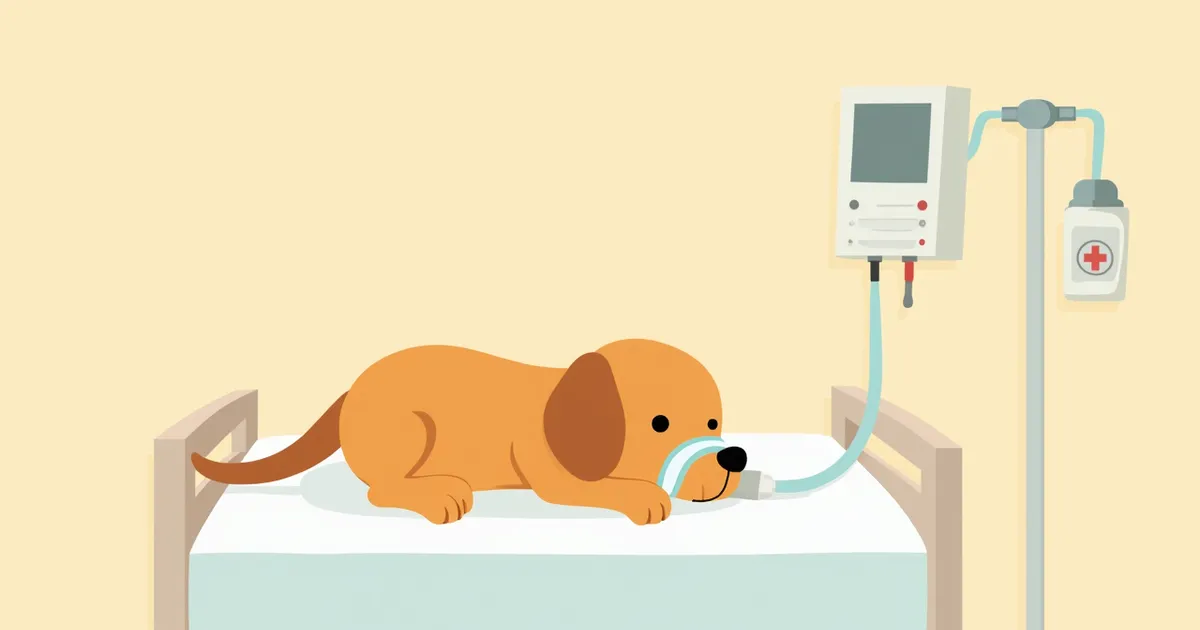
Image of a veterinarian administering oxygen therapy to a puppy
Canine oxygen therapy is a treatment that provides supplemental oxygen to relieve breathing difficulties and sustain life when blood oxygen levels drop. It is primarily used when oxygen supply is insufficient due to respiratory diseases, heart conditions, trauma, pneumonia, or similar issues. This therapy plays a critical role in saving lives by quickly restoring oxygen levels, and it must be administered under the careful judgment and monitoring of a veterinarian. Oxygen therapy serves not only as an immediate emergency intervention but also as a supportive measure while treating the underlying condition. Proper oxygen delivery helps protect brain and organ function and can accelerate recovery.

What are the main causes of oxygen therapy?
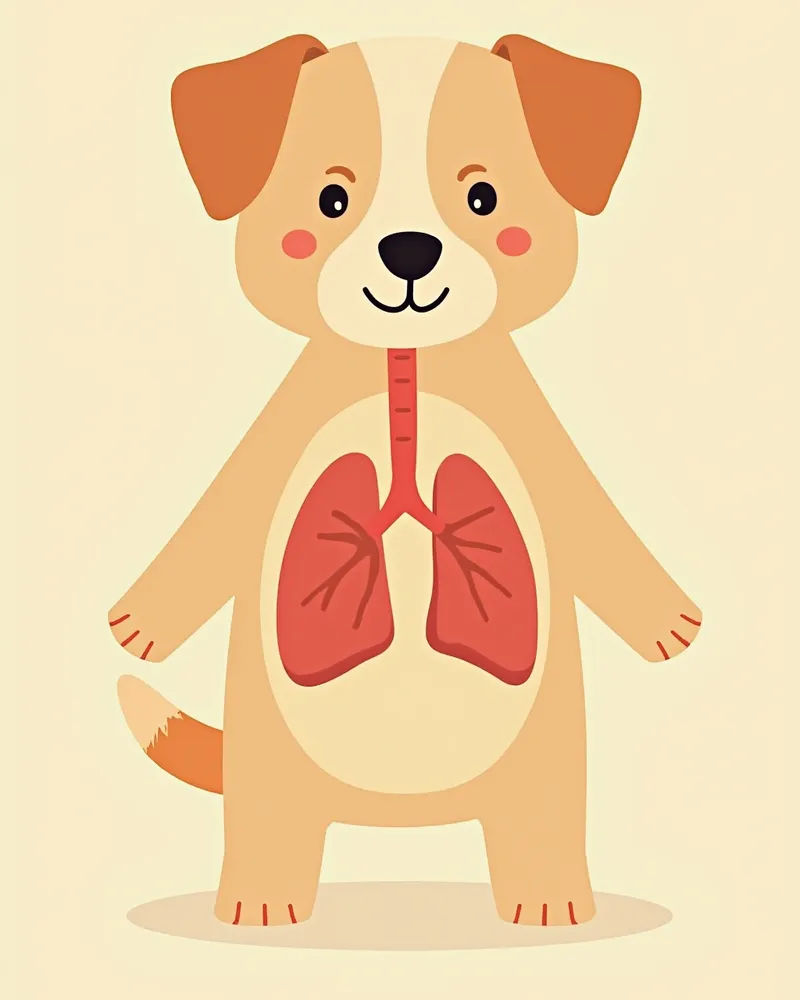
The main reasons a dog may need oxygen therapy include respiratory diseases, heart conditions, trauma, pneumonia, pulmonary emphysema, airway obstruction, and hypotension. Brachycephalic breeds with short muzzles, such as Bulldogs and Pekingese, are particularly at risk because their airway anatomy makes breathing more difficult, leaving them more vulnerable to inadequate oxygen supply. Hot, humid environments or stress can further strain the respiratory system, potentially necessitating oxygen therapy. Senior dogs and those with chronic conditions often have increased oxygen requirements, so they require close monitoring. These factors can lower blood oxygen saturation levels, which, in severe cases, can be life-threatening.
Dog Respiratory System Diagram

Main symptoms indicating the need for oxygen therapy

The main signs that a dog may need oxygen therapy include difficulty breathing, cyanosis (a bluish tint to the lips or mouth), persistent coughing, shortness of breath, noisy breathing from the airways, lethargy, and drowsiness. In particular, if a dog’s oxygen saturation (SpO2) drops below 93% while breathing indoor air, supplemental oxygen is recommended, as this indicates severe oxygen deprivation. If left untreated, these symptoms can lead to brain damage or even death. Early detection and prompt intervention are key to improving treatment outcomes. Oxygen therapy not only alleviates symptoms but also serves as a foundation for treating underlying conditions.
Images of symptoms of cyanosis in puppies

Emergency signs requiring immediate veterinary care

If your dog is panting with its mouth open, has bluish lips or mouth, or appears lethargic and on the verge of collapsing, seek veterinary care immediately. These signs indicate severe oxygen deprivation, which can be fatal if not treated promptly.

Diagnostic methods for oxygen therapy
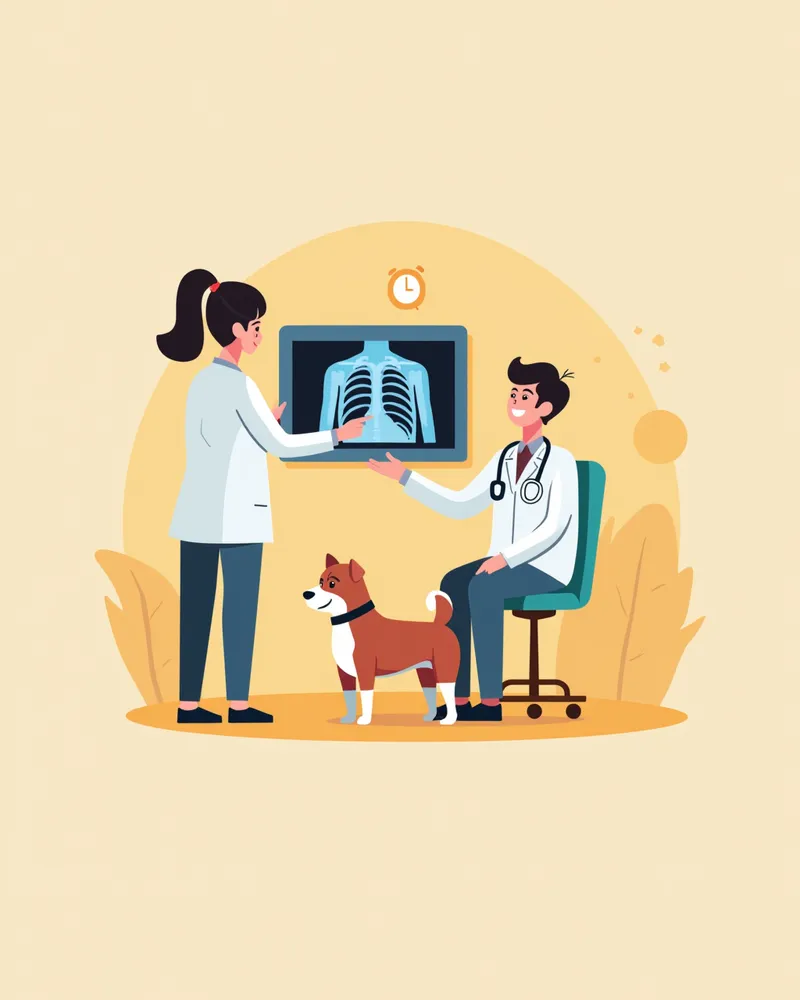
To determine whether oxygen therapy is necessary, veterinarians may perform blood gas analysis, measure oxygen saturation, take chest X-rays, and conduct echocardiograms. In particular, oxygen therapy is recommended when oxygen saturation (SpO2) falls below 93%. Blood gas analysis precisely measures oxygen and carbon dioxide levels, helping to assess respiratory function. Chest X-rays are useful for evaluating lung condition and detecting airway abnormalities, while echocardiography is important for identifying cardiac dysfunction. The veterinarian will determine the treatment plan by considering both the clinical signs and the test results.
Chest X-ray image of a dog

Treatment methods and stages of oxygen therapy
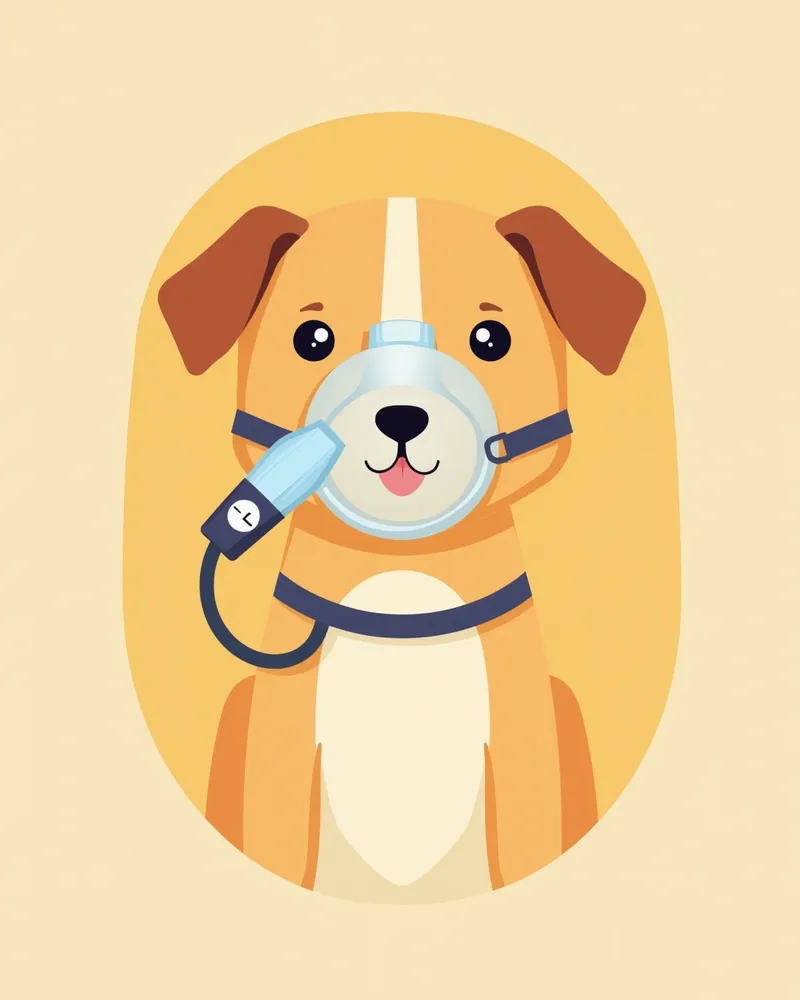
Oxygen therapy can be administered through various methods, such as oxygen masks, oxygen tents, or oxygen chambers. Initially, high-concentration oxygen is delivered rapidly to correct hypoxia, and once the patient stabilizes, the concentration is gradually reduced. The veterinarian continuously monitors the patient’s respiratory status and oxygen saturation levels, adjusting the delivery method and oxygen concentration accordingly. Concurrent treatment for underlying conditions is also provided, which may include pain management and antibiotic administration. Oxygen therapy is not merely a supportive measure but a strategic approach essential for sustaining life and promoting recovery. The treatment plan is flexibly adjusted based on changes in the patient’s condition.
Image of a puppy wearing an oxygen mask

Management points for oxygen therapy at home

Dogs receiving oxygen therapy should rest in a quiet, calm environment. Sudden movements or stress can increase the respiratory burden and worsen their condition. Regularly check the oxygen equipment and keep masks or tents clean to reduce the risk of infection. Adjust the oxygen concentration as directed by your veterinarian and carefully monitor any changes in your dog’s condition. It is especially important to closely observe changes in eating habits, sleep patterns, and breathing. Since oxygen therapy often requires long-term management, consistent care at home is essential.
Image of a puppy resting during oxygen therapy

Breed-specific precautions and prevention of recurrence

Brachycephalic breeds with short muzzles, such as Bulldogs and Pekingese, have narrower airway structures, making them more susceptible to respiratory issues and inadequate oxygen supply. Hot, humid conditions or stress can exacerbate respiratory strain, potentially necessitating oxygen therapy. Senior dogs and those with chronic diseases often have increased oxygen demands, requiring close monitoring. These factors can lower oxygen saturation levels and, in severe cases, become life-threatening.

Reviewed by a veterinarian

Dr. Tony — Punnawat Phongkittirak

Dr. Tony — Punnawat Phongkittirak

Veterinarian

A veterinarian who majored in veterinary medicine at Khon Kaen University, Thailand, and completed the IVSA program at North Carolina State University in the United States. Drawing on clinical experience at animal hospitals, he works in the pet healthcare field and is dedicated to building a digital care environment that connects pet parents with veterinarians.

Frequently Asked Questions

Is oxygen therapy dangerous for dogs?
Oxygen therapy is safe when administered under proper guidance. However, excessive oxygen supply can actually cause lung damage, so veterinary supervision is essential. In particular, maintaining an FiO2 level above 60% for more than 12 hours is not recommended due to the risk of oxygen toxicity.
What should I do if my dog becomes anxious during oxygen therapy?
Oxygen masks or tents can cause anxiety in pets. It’s a good idea to consult with your veterinarian about incorporating training or switching to more comfortable equipment. Maintaining a calm and stable environment during oxygen therapy is especially important.
Can oxygen therapy be administered at home?
You can administer oxygen at home if you purchase the equipment under a veterinarian’s guidance and become thoroughly familiar with the correct usage. However, initial observation at the clinic is necessary, and continuous monitoring is essential.
What should I do if my pet’s recovery is slow after oxygen therapy?
The recovery rate varies depending on the cause and condition. Regular consultations with a veterinarian are necessary, and additional tests or treatments should be considered. Proper nutrition and rest are important, and appropriate management of oxygen therapy is required.
Where can I get oxygen therapy equipment?
You can rent or purchase oxygen equipment at veterinary clinics or specialized animal hospitals. It is important to use products recommended by your veterinarian and to perform regular maintenance and hygiene checks.

Share

Related Guides

References

[1] Plumb's Veterinary Drug Handbook, 9th Edition. 2022. Wiley-Blackwell.

[2] Feline and Canine Emergency and Critical Care Medicine, 2nd Edition. 2021. Elsevier.

[3] Clinical Medicine of the Dog and Cat, 4th Edition. 2020. Elsevier.

This information is based on veterinary literature and does not replace diagnosis or treatment. Please consult a veterinarian for specific health concerns.

Metapet Co., Ltd. | CEO: Park Sung-yong | Business Reg. No. 417-88-02562 | Seoul, South Korea | Customer Center

Dog Oxygen Therapy: Symptoms, Causes, Treatment, and Care | Meongsiljang