Like
Share
멍실장
강아지 동물병원 공포 증상과 원인, 진단·치료와 관리 포인트 총정리

If Your Dog Trembles at the Sight of the Vet — Causes of Fear and Desensitization Training Tips

Brain & CognitionDiseasesMeongsiljang Veterinary Advisory Board

Kennel cough is a highly contagious respiratory infection in dogs, characterized by a harsh, hacking cough. Early veterinary care and proper treatment are essential for a quick recovery.

Canine Veterinary Hospital Phobia Is a Behavioral Issue That Varies by Owner and Environment
A puppy trembling and curling up in the examination room of a veterinary clinic
Canine veterinary hospital phobia is an excessive anxiety response to the clinic environment, manifesting as barking, attempts to flee, or struggling. This fear may originate from a dog’s first visit or worsen due to past negative experiences. Early intervention and systematic training are essential.
Triggers of hospital phobia: The clinic’s distinctive smells, noises, and the presence of other animals can induce stress.
Signs of excessive reaction: Cowering, struggling, and piloerection (raised hackles).
Learned avoidance behaviors: Dogs may become tense or attempt to escape as soon as they realize they are going to the clinic.
Repetitive anxiety patterns: Tension begins before the visit and persists afterward.
This issue does not resolve on its own over time, so early intervention is crucial.

The Main Causes of Canine Veterinary Hospital Phobia Are Environmental Stress and Past Experiences
The most common cause of veterinary fear in dogs is overstimulation from the clinic environment. Unfamiliar smells, loud noises, and the presence of other animals can trigger anxiety. This fear and defensive behavior can be even more pronounced if your dog has experienced pain in the past or is currently unwell, making it crucial to first rule out any underlying medical conditions or pain. Environmental Stimuli: Smells, noise, lighting, and the presence of other animals can induce stress. Past Negative Experiences or Pain: If a dog has endured pain or is feeling unwell, anxiety and defensive reactions toward the clinic can intensify. Pre-Arrival Anxiety: Stress accumulated before reaching the clinic, such as during car travel, can exacerbate fear. Risk of Worsening Anxiety: Missing early warning signs can allow anxiety to escalate, making early recognition essential. These factors often interact in complex ways, with significant variation depending on each dog’s personality and history. Early recognition and intervention are key.
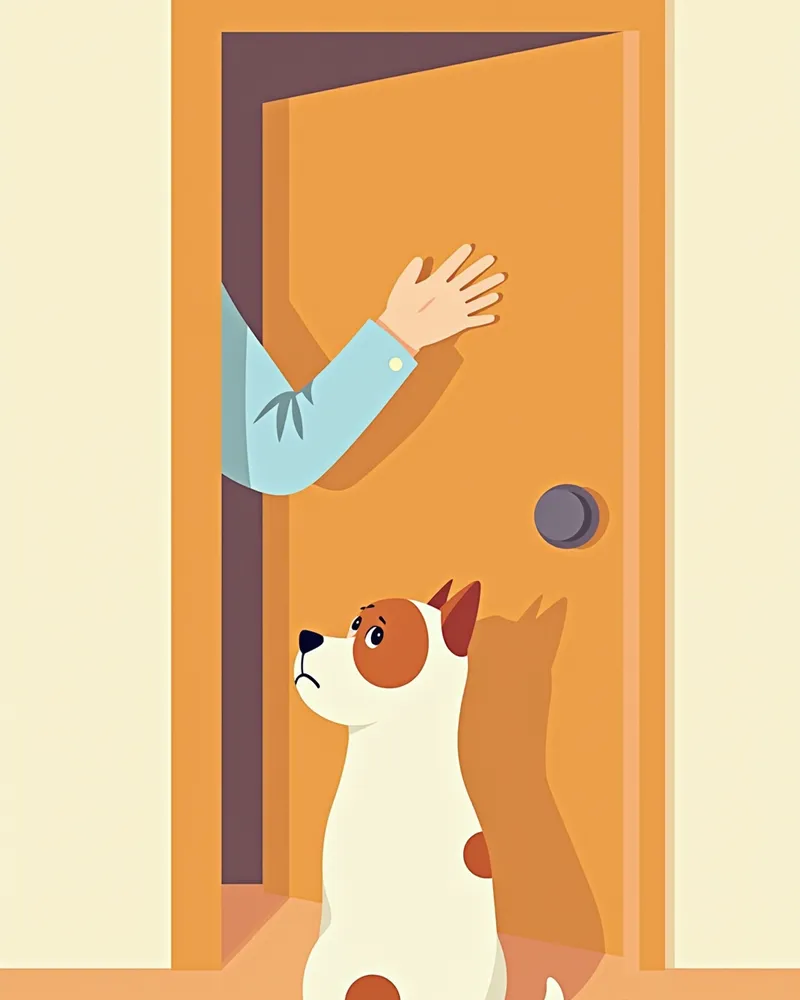
A puppy looking at the door of the veterinary clinic with a tense expression.

The Main Signs of Canine Veterinary Hospital Phobia Are Physical and Behavioral Responses

The main signs of veterinary fear in dogs manifest as physical and behavioral responses. These often begin as soon as the dog arrives at the clinic and, if severe, can make the examination impossible to perform.
Struggling: The dog shakes its body and attempts to escape as soon as it is placed on the examination table.
Attempting to escape: Repeated efforts to flee through the clinic door or out of the examination room.
Piloerection: The dog’s fur stands on end due to stress.
Silence and stillness: The dog remains quiet and barely moves due to extreme tension.
Inappropriate elimination: The dog may urinate or defecate inside the clinic.
These symptoms reflect the dog’s level of anxiety and can begin even before arriving at the clinic. Early recognition and appropriate intervention are essential.
A puppy in the waiting room of an animal hospital, with its fur standing on end and eyes wide open.

When Immediate Veterinary Visit Is Necessary

If your dog is struggling at the clinic, experiencing severe difficulty breathing, vomiting, or appearing lethargic, contact the clinic immediately. These could be signs of a serious stress response or worsening underlying condition.

Canine Veterinary Hospital Phobia Is Diagnosed to Identify the Underlying Cause
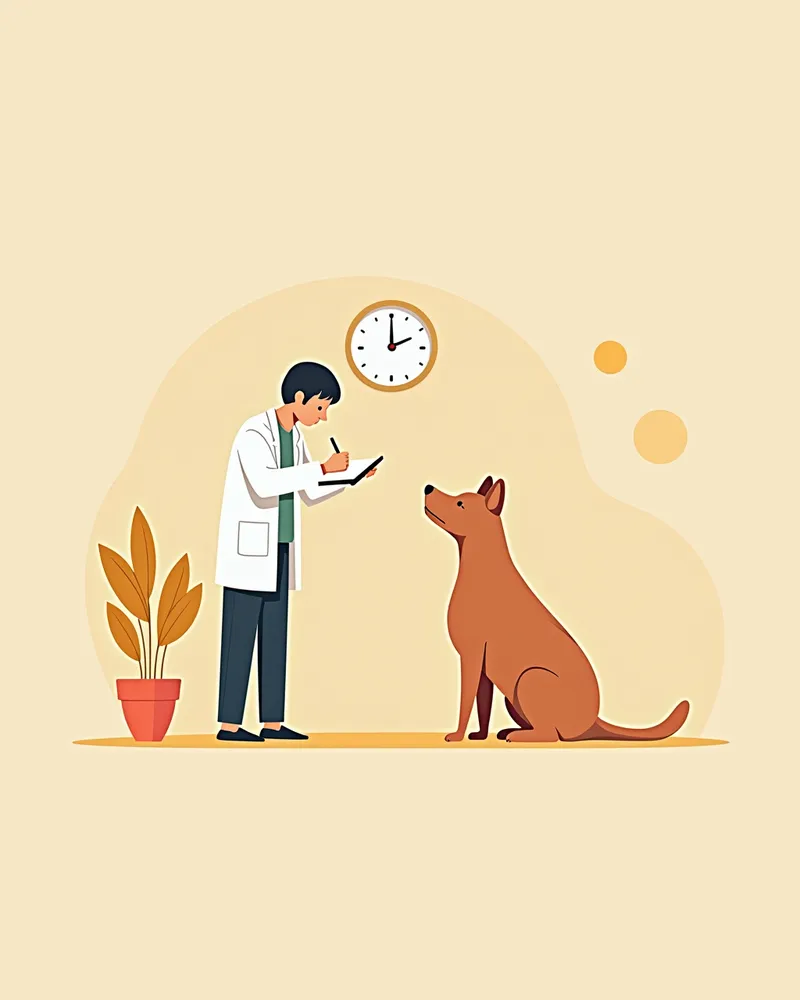
Veterinarians diagnose canine veterinary hospital phobia by observing behavior and documenting reactions before and after clinic visits. They assess past hospital experiences, check for pain, and rule out underlying medical conditions, while also evaluating the severity of stress responses.
Behavioral Observation: Changes in behavior before and after arriving at the clinic are carefully recorded.
Underlying Health Assessment: Since pain can increase fear and defensiveness, veterinarians first rule out discomfort or illness.
History Evaluation: Through owner interviews or questionnaires, signs of anxiety exhibited at home and at the clinic are identified.
Environmental Factor Analysis: Potential stressors such as clinic odors, noise levels, and the presence of other animals are assessed.
This process helps pinpoint the exact cause of the fear, allowing for a tailored management plan. Early diagnosis and intervention are key to achieving stable, long-term care.
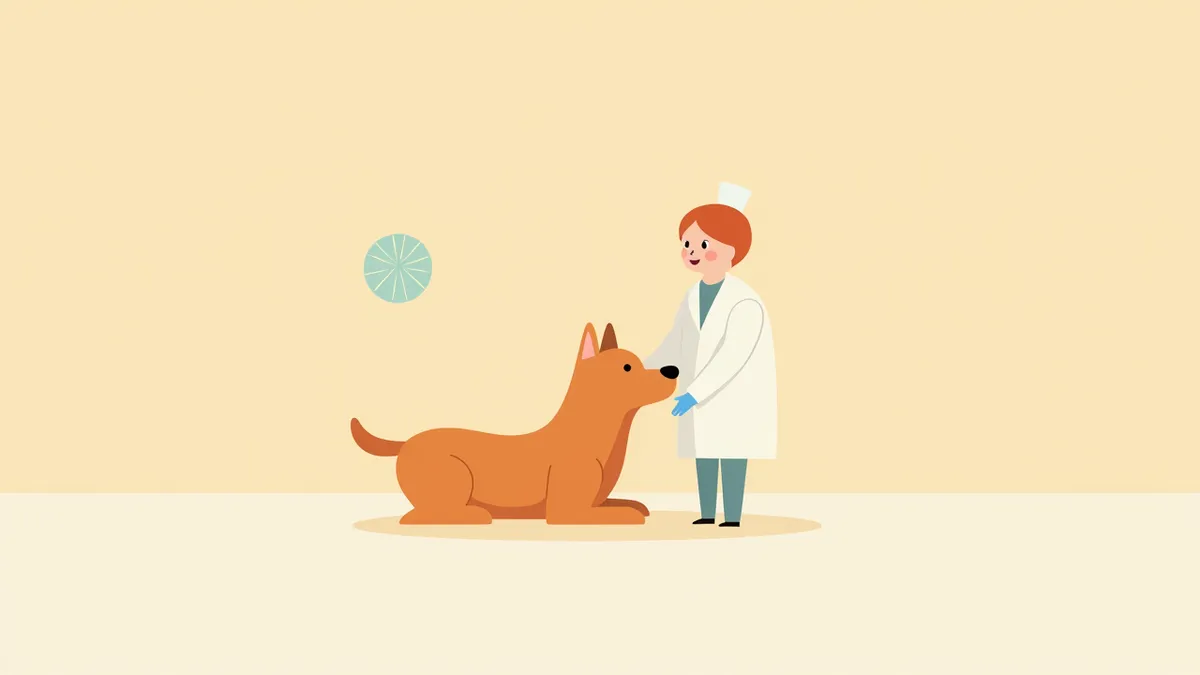
A veterinarian observing and recording a puppy's behavior.

Treating Canine Veterinary Hospital Phobia Centers on Gradual Training and Environmental Management

Treating veterinary anxiety in dogs involves gradual desensitization and environmental management. The first step is to create positive experiences outside the clinic. Then, gradually expose your dog to the examination room and the exam table, pairing each step with positive reinforcement.
Training outside the clinic: Offer treats in front of the clinic to build positive associations.
Approaching the examination room: Give treats at the entrance of the exam room and encourage calm behavior.
Exam table training: Reward your dog for stepping onto the exam table and staying relaxed.
Simulating the examination: Provide treats when the veterinarian approaches to encourage a positive response.
This process should be guided by a veterinarian and a behavior specialist. Consistency and repetition are key to success.
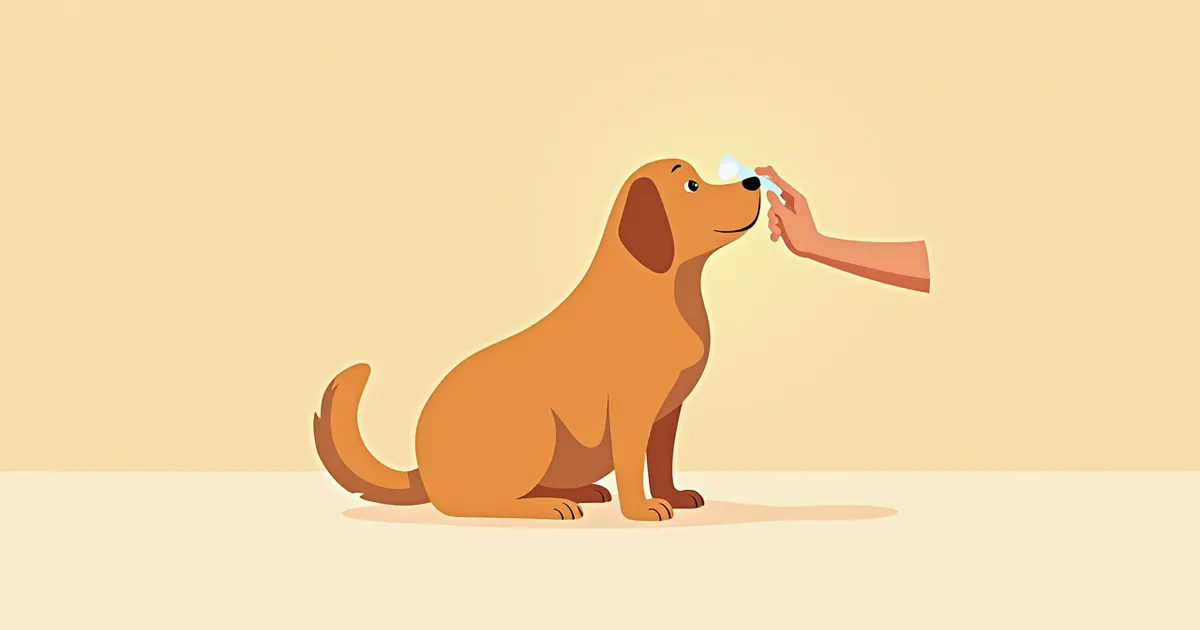
A puppy sitting quietly on the examination table, receiving a treat with the help of a veterinarian.

Home Management of Canine Veterinary Hospital Phobia Involves Regular Exposure and Positive Experiences
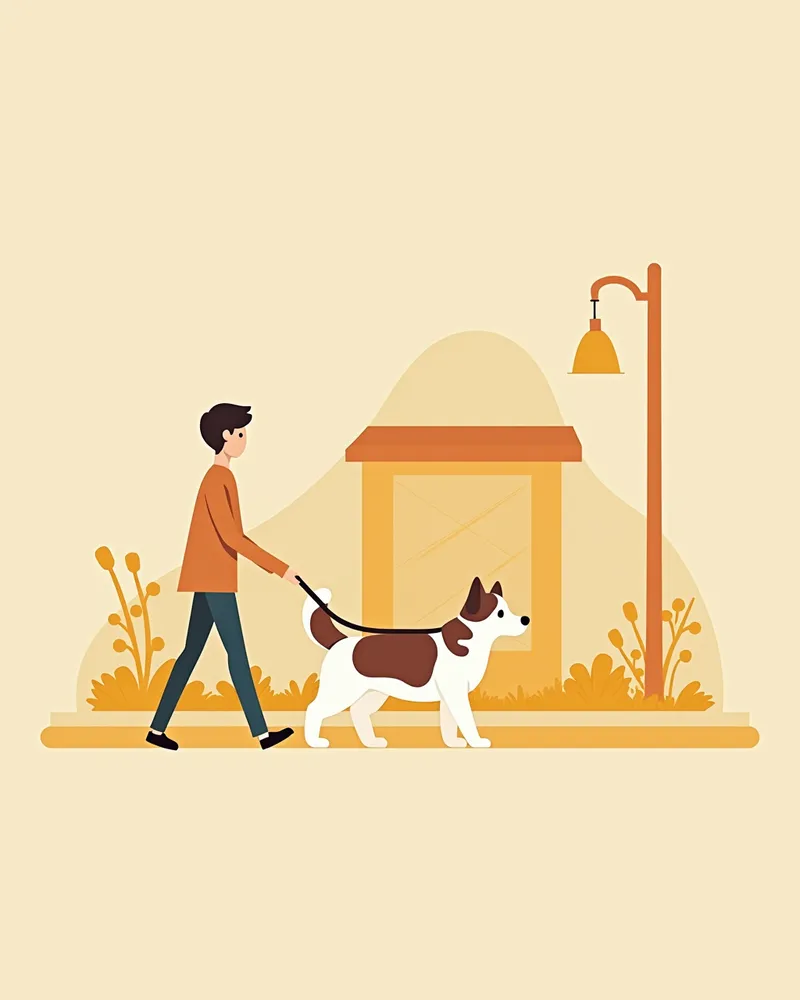
Managing your dog’s fear of the vet at home is all about regular exposure and positive experiences. Before visiting the clinic, take walks around the area or play lightly in the parking lot to create a positive impression of the surroundings, which helps reduce anxiety.
Walks around the clinic: Create positive experiences by offering treats and playing in front of the clinic or in the parking lot.
Adapting to car rides: Practice car trips to the clinic in advance so your dog gets used to traveling there.
Building positive associations: Create good memories by offering treats and playtime in a calm, relaxed setting.
Treat reward system: Give treats before and after clinic visits to reinforce positive associations.
These practices should be consistently repeated before and after clinic visits. Your patience and consistency are key. Gradual, step-by-step exposure is the secret to success.
A puppy quietly strolling near the animal hospital.

Breed-Specific Precautions and Tips for Preventing Relapse

Every dog has a unique personality and background, which can make some more prone to anxiety. For sensitive dogs, it’s especially important to provide consistent early training and positive experiences. To help prevent relapses, regular preventive vet visits can help your dog become familiar with the clinic as a positive and reassuring place.

Reviewed by a veterinarian

Dr. Tony — Punnawat Phongkittirak

Dr. Tony — Punnawat Phongkittirak

Veterinarian

A veterinarian who majored in veterinary medicine at Khon Kaen University, Thailand, and completed the IVSA program at North Carolina State University in the United States. Drawing on clinical experience at animal hospitals, he works in the pet healthcare field and is dedicated to building a digital care environment that connects pet parents with veterinarians.

Frequently Asked Questions

My dog doesn’t want to go to the vet. What should I do?
Give your pet treats in front of the clinic to create a positive experience, then gradually begin training them to enter the clinic.
Can veterinary fear be completely cured?
Yes, with early intervention and consistent training, most dogs can reduce their anxiety about visiting the vet. You may need the help of a professional.
What should I prepare before visiting the clinic?
Prepare a comfortable collar and carrier for your dog, and help them get used to the area around the clinic by taking short walks nearby. Be sure to bring some treats as well.
What should I do if my dog starts struggling at the vet clinic?
Avoid restraining your pet too forcefully; instead, speak to them calmly to help them relax. Work with your veterinarian to find a safe approach.
Why are preventive visits important?
Preventive visits help your puppy see the clinic as a positive place, reducing negative experiences and lowering stress during medical appointments.

Share

Related Guides

References

[1] Herron, M.E. et al. (2016). Better Living Through Chemistry: Utilizing Chemical Restraint to Aid in Low Stress Handling in Small Animal Practice. American Veterinary Medical Association Convention.

[2] Stellato, A. et al. (2019). Effect of a standardized four-week desensitization and counter-conditioning training program on pre-existing veterinary fear in companion dogs. Animals 9(10): 767.

[3] Mariti, C. et al. (2017). Caregiver sensitivity to pet distress during veterinary visits: Implications for animal welfare. Frontiers in Veterinary Science.

This information is based on veterinary literature and does not replace diagnosis or treatment. Please consult a veterinarian for specific health concerns.

Metapet Co., Ltd. | CEO: Park Sung-yong | Business Reg. No. 417-88-02562 | Seoul, South Korea | Customer Center

When Your Dog Fears the Vet: Causes & Desensitization Tips | Meongsiljang