
If Your Cat Is Constantly Seeking Water — Signs of Salt Toxicity and Emergency Response
We’ve compiled a comprehensive veterinary guide covering the signs of salt toxicity in cats after consuming salty foods, immediate first aid steps, and the hospital treatment process.
What Is Feline Salt Poisoning? Understanding the Risks
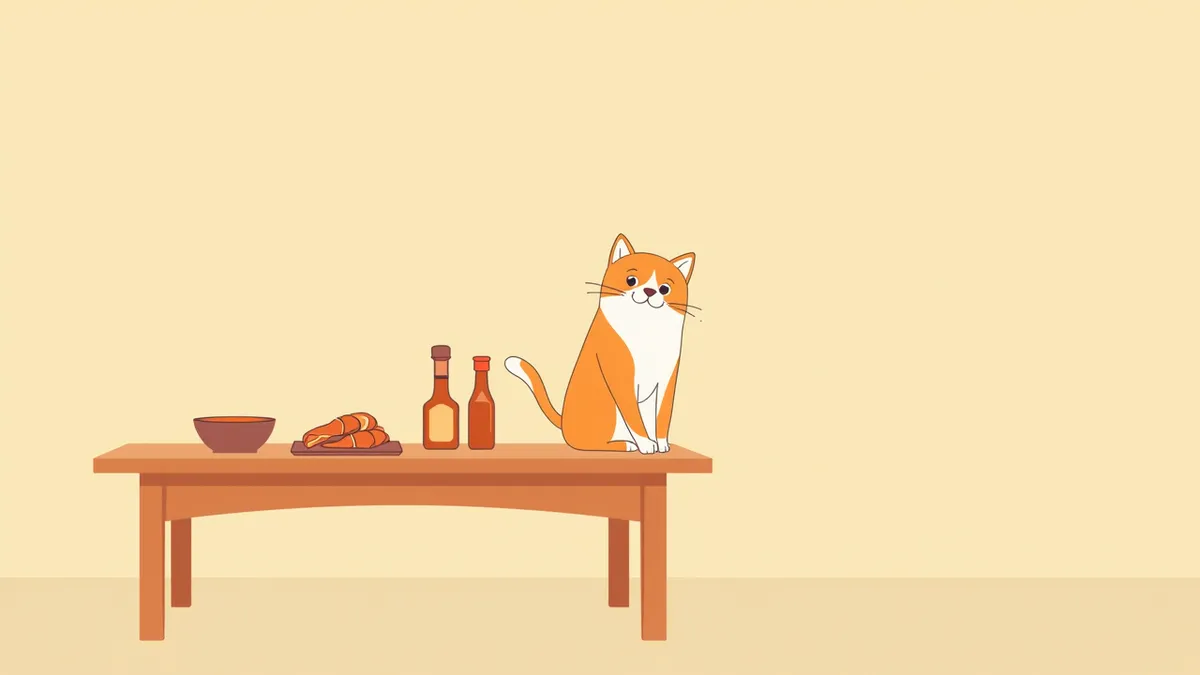
Foods That Cause Salt Poisoning and Dangerous Ingestion Levels
Checklist for Signs of Salt Poisoning in Cats
Go to an Emergency Animal Hospital Immediately If These Symptoms Appear
If your pet is having a seizure, appears disoriented, is unresponsive to stimuli, or is experiencing continuous muscle spasms, you should take them to a 24-hour emergency animal hospital immediately. These are serious neurological symptoms that may indicate dangerously high blood sodium levels affecting the brain, and prompt treatment significantly improves the prognosis. Do not force your pet to drink water or induce vomiting before transport. Rapidly lowering sodium levels can cause fluid to shift into the brain, leading to cerebral edema; therefore, correction must be managed at a hospital where intravenous fluid rates can be carefully controlled.
What to Do and What Never to Do Right After Ingestion
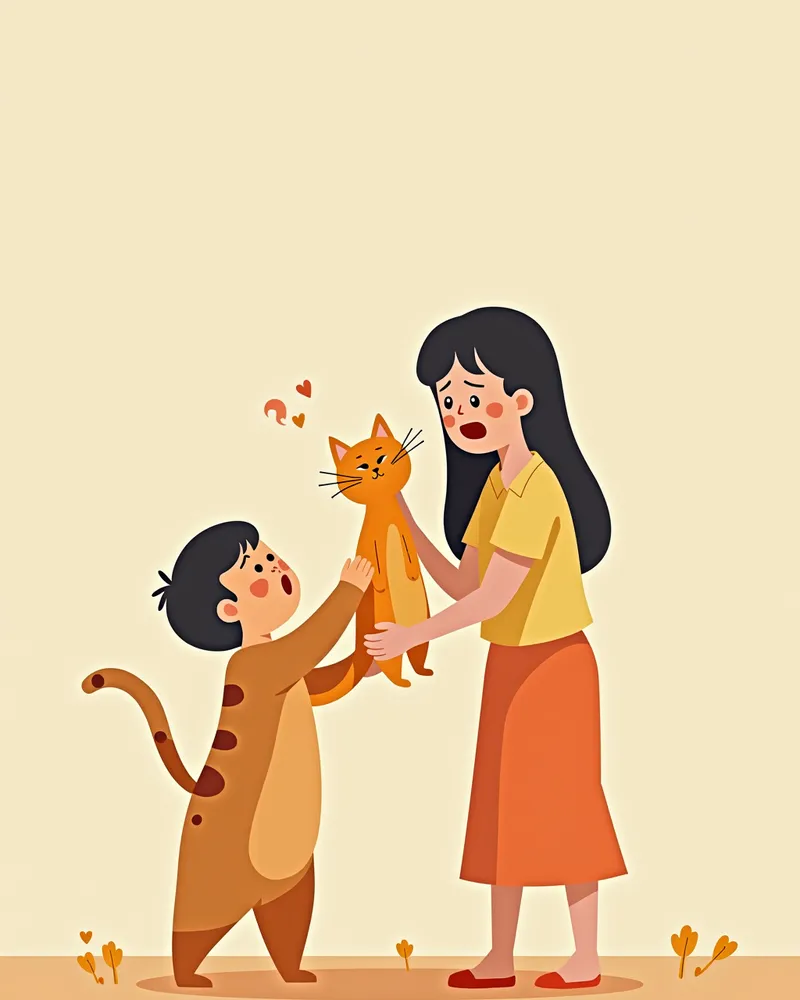
Diagnosis and Treatment Process at the Veterinary Clinic
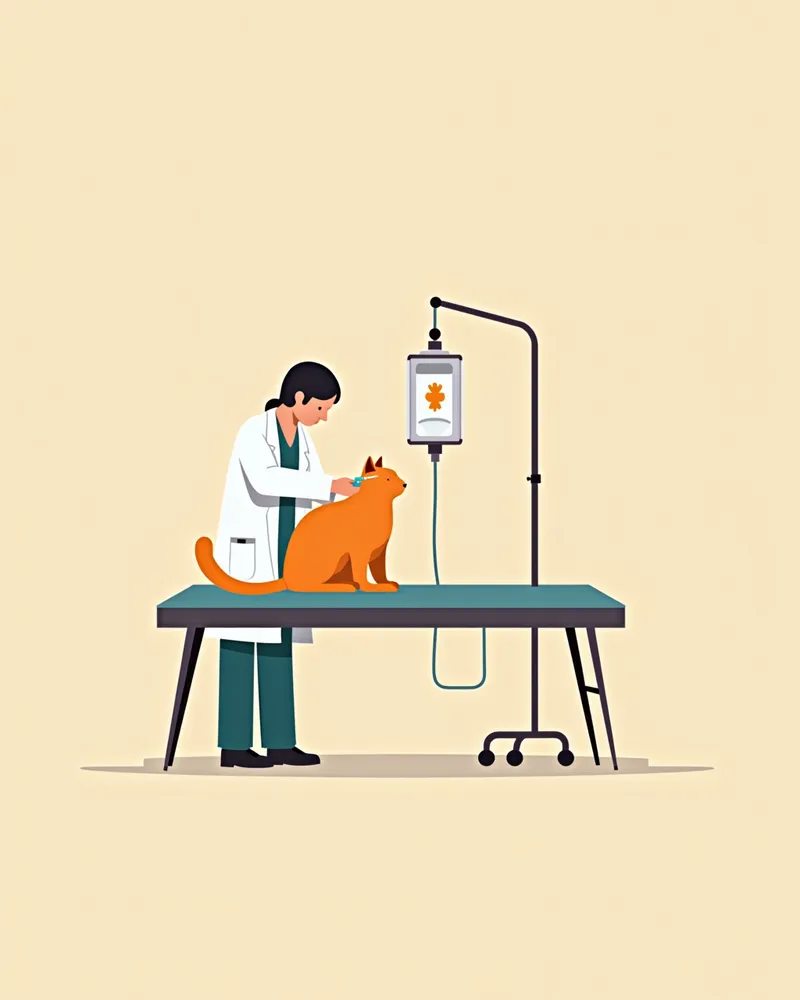
Key Points for Home Recovery Care After Treatment
Four Daily Habits to Prevent Salt Poisoning
1. Never share human food with your cat—dried seafood, soy sauce, fermented seafood, and ramen broth are all off-limits. 2. Don’t leave food unattended on the table or countertops. 3. Feed only cat-specific food and treats approved by your veterinarian. 4. When making homemade treats, always confirm that no salt has been added.
Reviewed by a veterinarian

Dr. Tony — Punnawat Phongkittirak
VeterinarianA veterinarian who majored in veterinary medicine at Khon Kaen University, Thailand, and completed the IVSA program at North Carolina State University in the United States. Drawing on clinical experience at animal hospitals, he works in the pet healthcare field and is dedicated to building a digital care environment that connects pet parents with veterinarians.
Reviewed 2026-06-01
Frequently Asked Questions
Is it okay if my cat ate a small amount of anchovies?
Shouldn’t I give my pet plenty of water at home after symptoms appear?
Can salt poisoning be completely cured with treatment?
Is it dangerous if my pet licks soy sauce or doenjang (Korean fermented soybean paste) soup broth?
How dangerous is it if a cat licks salt itself?
Share
Related Guides
Top 5 Emergency Poisoning Kits for Dogs Recommended by Veterinarians
7 Emergency Checklist Items for Cat Poisoning — Signs to Check Immediately After Exposure
Spot-on Flea and Tick Preventatives for Dogs: Symptoms, Causes, Diagnosis, Treatment, and Management Essentials
A Complete Guide to Seasonal Parasite Prevention Strategies for Dogs: Symptoms, Causes, Diagnosis, Treatment, and Management
Complete Guide to Parasite Management in Pregnant and Nursing Puppies: Symptoms, Causes, Diagnosis, Treatment, and Care Points

Canine Neosporosis: Symptoms, Causes, Diagnosis, Treatment, and Management Essentials
Dog Heartworm Antigen Test: Symptoms, Causes, Diagnosis, Treatment, and Management Essentials
Complete Guide to Canine Echinococcus: Symptoms, Causes, Diagnosis, Treatment, and Management

Canine Dermatophytosis (Ringworm): A Comprehensive Guide to Differential Symptoms, Causes, Diagnosis, Treatment, and Management
Canine Cryptosporidiosis: Symptoms, Causes, Diagnosis, Treatment, and Management Essentials
References
[1] Hovda LR, Brutlag AG, Poppenga RH, Peterson KL. Blackwell's Five-Minute Veterinary Consult Clinical Companion: Small Animal Toxicology, 3rd Ed. Wiley-Blackwell, 2016.
[2] Schaer M, Gaschen FP. Clinical Medicine of the Dog and Cat, 4th Ed. CRC Press, 2022.
[3] Plumb DC. Plumb's Veterinary Drug Handbook, 10th Ed. Wiley-Blackwell, 2023.
[4] Drobatz KJ, Costello MF. Feline Emergency and Critical Care Medicine, 2nd Ed. Wiley-Blackwell, 2010.