Like
Share
멍실장
고양이 제초제중독 증상과 응급 대처법, 위험 섭취량과 예방까지 총정리

If Your Cat Licked Herbicide — From Poisoning Symptoms to First Aid and Dangerous Ingestion Levels

Emergency/ToxicityDiseasesMeongsiljang Veterinary Advisory Board

Cat herbicide poisoning is a toxic condition caused by ingredients like paraquat and glyphosate, which can damage the lungs, kidneys, and liver. We’ve compiled a comprehensive guide based on veterinary resources, covering symptoms, emergency response steps, dangerous ingestion levels, and prevention methods.

What Is Herbicide Poisoning in Cats?

A cat sitting near herbicide in the garden
Herbicide poisoning in cats occurs when ingredients such as glyphosate, 2,4-D, or dicamba enter the body, irritating the gastrointestinal and nervous systems; high-level exposure can also place a burden on the liver and kidneys. However, according to veterinary toxicology textbooks, simple exposure to herbicides applied to lawns or around the home rarely causes poisoning, and symptoms are usually mild and self-resolving. The real danger lies in undiluted concentrated formulations or products mixed with pesticides or surfactants. Because cats frequently groom themselves, they can ingest residues on their paws or fur. If you suspect exposure to a concentrated product, contacting your veterinarian for advice is the safest course of action.

Which Herbicides Are Dangerous to Cats?

The danger of herbicides varies depending on their type and concentration. - Concentrates and mixed products: Undiluted concentrates or products mixed with insecticides or surfactants are the most dangerous. They are far more toxic than herbicides that have been sprayed on grass and dried. - Glyphosate: As the main ingredient in Roundup, glyphosate has relatively low toxicity. However, exposure to large amounts can cause gastrointestinal and neurological symptoms such as vomiting, lethargy, and ataxia. In cats, red blood cell damage (Heinz bodies) has also been reported. - Phenoxy herbicides like 2,4-D: Common symptoms include vomiting, drooling, lethargy, ataxia, and hypersensitivity, with tremors occurring rarely. Strong agricultural herbicides like paraquat require specific emergency responses, so always check the product information.
A caregiver gently washing a cat’s paws

Cat Herbicide Poisoning Symptom Checklist

Vomiting and drooling: These are common early signs as the gastrointestinal tract reacts first, typically appearing within a few hours of exposure.
Lethargy, loss of appetite, and unsteady movement: As the substance is absorbed, your pet may become weak, wobbly, or show signs of incoordination.
Eye and mucous membrane irritation: Symptoms such as tearing, conjunctivitis, or redness in the eyes may occur.
Muscle tremors and hypersensitivity: These can occur with exposure to phenoxy herbicides (such as 2,4-D), though seizures are relatively rare.
Changes in urine output and liver/kidney stress: High-level exposure may lead to later-stage changes such as elevated kidney values (azotemia) or impaired liver function.
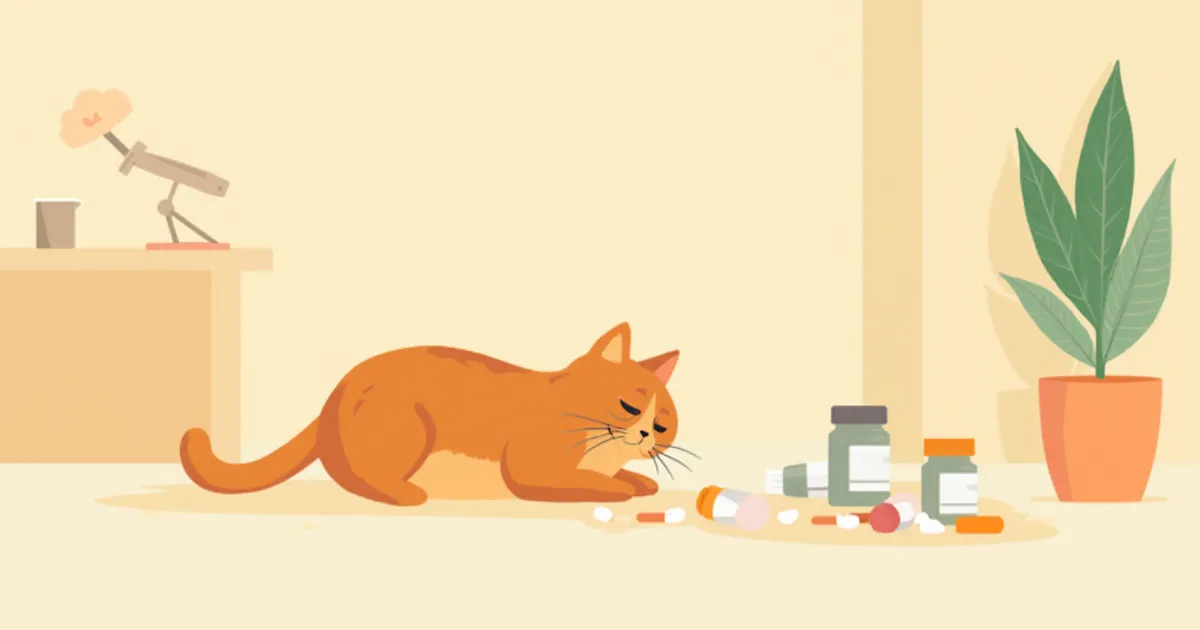
A lethargic cat lying down and a worried pet owner

Go to an Emergency Veterinary Clinic Immediately — Do Not Wait If You See These Symptoms

If you notice any of the following symptoms—seizures, difficulty breathing, decreased consciousness, or cyanosis (bluish discoloration of the mucous membranes)—seek emergency veterinary care immediately. Symptoms of herbicide poisoning typically begin within a few hours of exposure, but even if they initially appear mild, they can worsen over time, especially with concentrated products or high-level exposure. When the amount ingested is unknown, diagnosis based on symptoms alone can be difficult, so be sure to bring the herbicide product name or packaging with you to the clinic.

First Aid Measures You Can Take at Home

If you suspect herbicide poisoning, do not induce vomiting at home. Forcing vomiting can be dangerous for animals already showing symptoms, and some ingredients may further irritate the esophagus and airways during regurgitation, so this should only be attempted under a veterinarian’s guidance. Follow these emergency steps: 1) If herbicide has contacted the skin or paws, wash the area immediately with lukewarm water and mild soap. 2) Note down the product name, approximate amount ingested, and duration of exposure. 3) Keep your cat calm and warm, then transport them to a veterinary clinic immediately, bringing the product packaging if possible. Even if no symptoms are present, it is safest to consult a veterinarian if exposure to a concentrated product is confirmed.

Dangerous Ingestion Levels and Major Exposure Routes

The risk of herbicides varies significantly depending on their active ingredients and concentration. According to veterinary textbooks, brief contact with dried herbicide residue on grass rarely causes poisoning. However, undiluted concentrated formulations or products mixed with insecticides can be dangerous even in small amounts. Although glyphosate has relatively low toxicity, prolonged skin contact with the concentrate or repeated licking can increase the risk of irritation and poisoning. The three most common exposure routes are: 1) licking herbicide residue from paws or fur, 2) drinking from puddles contaminated with herbicide, and 3) inhalation during application. Outdoor cats are especially concerning because their exposure levels are difficult to assess, making prompt intervention essential.

Diagnosis and Treatment at the Veterinary Clinic
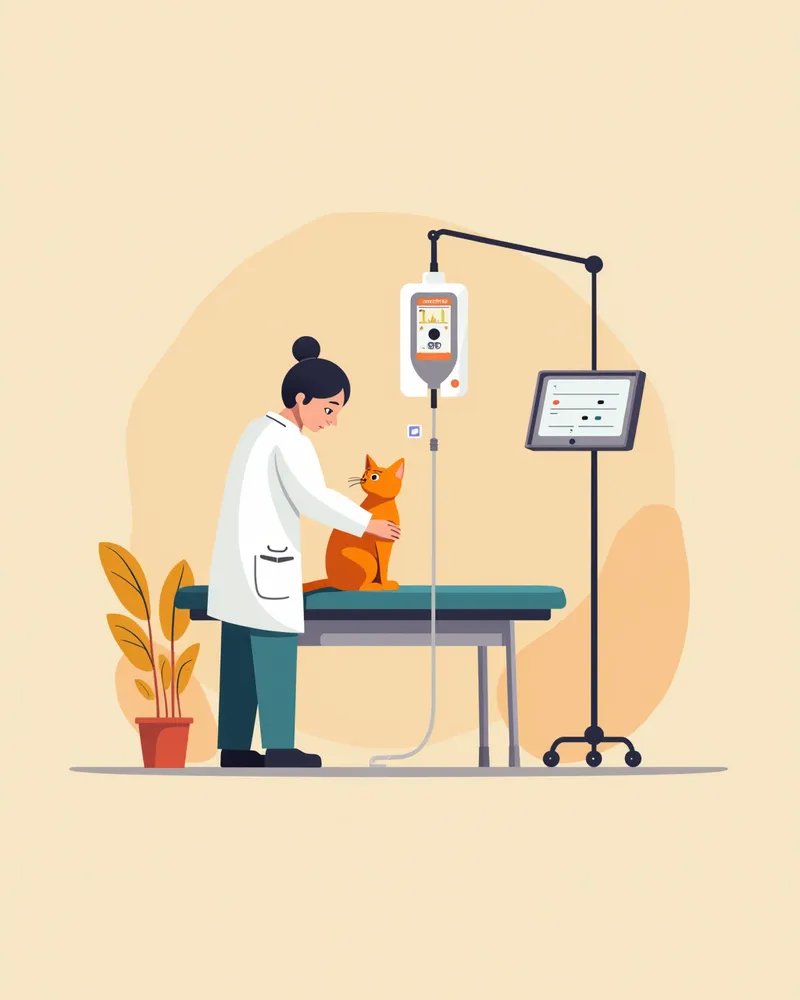
At the veterinary clinic, treatment is tailored based on the extent of exposure and the specific symptoms. If necessary, blood tests are performed to check liver and kidney function, and imaging studies may be used to assess lung health if respiratory symptoms are present. Most cases of household herbicide poisoning are managed with supportive care—such as intravenous fluids, gastrointestinal protection, and oxygen therapy—since there is no specific antidote. When symptoms are mild, pets typically improve within 24 to 48 hours, and the prognosis is generally favorable. If ingestion occurred very recently, a veterinarian may consider gastric lavage or activated charcoal administration, but inducing vomiting at home when symptoms are already present can be dangerous. In cases of significant exposure to concentrated products leading to progressive liver or kidney damage, hospitalization for intensive care may be required.
A cat being examined by a veterinarian at an animal hospital

Herbicide Poisoning Prevention and Home Management

The most important preventive measure is to keep your cat away from treated areas for at least 24 to 48 hours, or until the product has completely dried. Also, ensure your cat cannot access areas where concentrated herbicide solutions are stored or mixed. It’s also helpful to wipe your cat’s paws with lukewarm water after they come indoors. For garden beds, opt for cat-safe methods like hand-weeding or pouring boiling water. If you must use chemical herbicides, apply them when your cat cannot access the area, and continue the paw-washing routine even after the product has dried.

Outdoor Cat and Outdoor-Access Cat Owners: Pay Special Attention in Spring and Fall

Cats that go outdoors or use balconies without cat-proof windows are at higher risk of herbicide exposure. Veterinary toxicology reports show that herbicide exposures are most commonly reported in spring and fall, when usage peaks, and are rarely reported in winter. Since herbicides are frequently applied to parks and apartment flower beds during peak weed-control seasons—spring (April–May) and fall (September–October)—it’s wise to limit outdoor time during these periods and establish a routine of thoroughly cleaning your cat’s paws and fur after every outing.

Reviewed by a veterinarian

Dr. Tony — Punnawat Phongkittirak

Dr. Tony — Punnawat Phongkittirak

Veterinarian

A veterinarian who majored in veterinary medicine at Khon Kaen University, Thailand, and completed the IVSA program at North Carolina State University in the United States. Drawing on clinical experience at animal hospitals, he works in the pet healthcare field and is dedicated to building a digital care environment that connects pet parents with veterinarians.

Frequently Asked Questions

My cat stepped on herbicide and then licked its paws, but there are no symptoms. Is it okay?
Even if your pet isn’t showing symptoms right now, it’s too early to relax. While herbicide poisoning symptoms typically appear within a few hours of exposure, they can worsen over time if the pet was exposed to a concentrated product or if the amount ingested is unknown. If you suspect exposure, the safest course of action is to call your veterinarian for advice, regardless of whether symptoms are present.
Is Roundup (glyphosate) safe for cats?
Glyphosate, the main ingredient in Roundup, has low toxicity but is not entirely safe for cats. If the concentrated solution comes into contact with their skin or if they are exposed to large amounts, it can cause gastrointestinal irritation symptoms such as vomiting, and there have been reports of red blood cell damage in cats. It's best to avoid using it around cats as much as possible.
Is it safe to induce vomiting at home?
In cases of herbicide poisoning, do not attempt to induce vomiting at home. For animals already showing symptoms, inducing vomiting can be dangerous, and some ingredients may cause further severe irritation to the esophagus and airways if they reflux. Vomiting should only be induced under the direct guidance of a veterinarian.
How long should I wait before it’s safe for my pet to play on park grass that has been treated with herbicide?
While this can vary by product, it’s generally recommended to keep your cat away from the treated area for 24 to 48 hours after it has completely dried. The risk may last longer if it rains or if residue remains in the soil. If you’re unsure where the product was applied, the safest approach is to avoid letting your cat access that area altogether.
Are there any cat-safe weed control methods I can use in my garden?
The safest approach is to pull weeds by hand or pour boiling water on them. You can also spray a diluted vinegar solution. If you must use a chemical herbicide, apply it only when your cat cannot access the area, and be sure to wash your cat’s paws thoroughly even after the treated area has completely dried.

Share

Related Guides

References

[1] Hovda LR, Brutlag AG, Poppenga RH, Peterson KL. Blackwell's Five-Minute Veterinary Consult Clinical Companion: Small Animal Toxicology, 3rd Edition. Wiley-Blackwell, 2016.

[2] Schaer M, Gaschen FP (eds). Clinical Medicine of the Dog and Cat, 4th Ed. CRC Press, 2022.

[3] Plumb DC. Plumb's Veterinary Drug Handbook, 10th Ed. Wiley-Blackwell, 2023.

[4] Drobatz KJ, Hopper K, Rozanski E, Silverstein DC (eds). Feline Emergency and Critical Care Medicine, 2nd Ed. Wiley-Blackwell, 2024.

This information is based on veterinary literature and does not replace diagnosis or treatment. Please consult a veterinarian for specific health concerns.

Metapet Co., Ltd. | CEO: Park Sung-yong | Business Reg. No. 417-88-02562 | Seoul, South Korea | Customer Center

Cat Ate Herbicide: Poisoning Symptoms, First Aid, and Dangerous Dosage | Meongsiljang