Like
Share
멍실장
강아지 노령견 인지기능 장애 증상과 원인, 진단·치료와 관리 포인트 총정리

If Your Senior Dog Wanders at Night and Gets Disoriented — Causes and Management of Cognitive Dysfunction

Brain & CognitionDiseasesMeongsiljang Veterinary Advisory Board

Canine cognitive dysfunction (CCD) in senior dogs is a condition caused by brain aging, leading to declines in memory and spatial awareness. We’ve compiled essential information for pet owners, including a symptom checklist, diagnostic methods, medication treatments, and home care tips.

What Is Canine Cognitive Dysfunction?
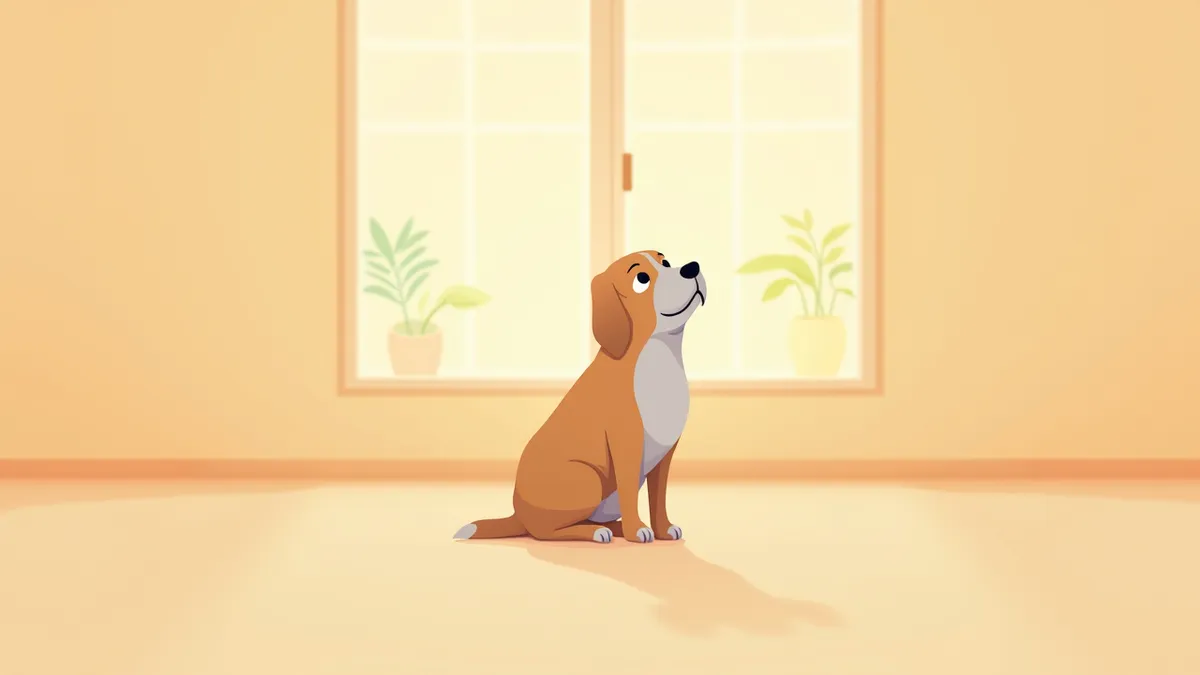
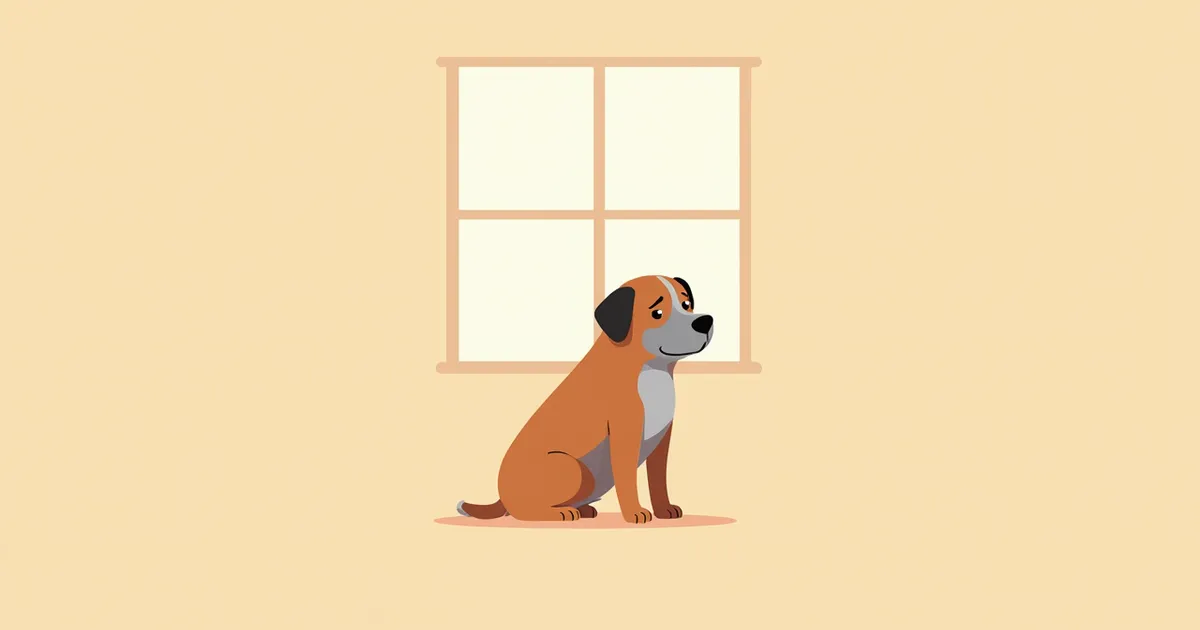
An elderly dog sitting by the window, lost in thought
Canine Cognitive Dysfunction (CCD) is a degenerative neurological condition in senior dogs characterized by a gradual decline in cognitive functions such as memory, learning ability, and spatial awareness due to brain aging. It is crucial to understand that this is not merely a natural consequence of getting older, but a medical condition requiring proper diagnosis and management. CCD is relatively common in older dogs, with the likelihood of occurrence increasing with age, and it can significantly diminish their quality of life. If you notice your dog barking at night for no apparent reason, appearing disoriented within the home, or failing to recognize familiar family members, these could be signs of CCD.

Why Does It Occur? — Causes and Pathogenesis

Cognitive dysfunction in senior dogs arises from a combination of changes that occur as the brain ages. With advancing age, the brain gradually atrophies, leading to a reduction in the number of nerve cells, enlargement of the ventricles, myelin damage, accumulation of lipofuscin and apoptotic substances, and degeneration of nerve fibers. These structural changes are compounded by oxidative stress (damage caused by reactive oxygen species), chronic inflammatory responses, and excitotoxic damage induced by glutamate, which collectively cause gradual deterioration of nerve cells and a decline in cognitive function. Additionally, alterations in the function of neurotransmitters such as dopamine in the brain are known to contribute to these symptoms.

Check for These Behaviors — DISHA Symptoms
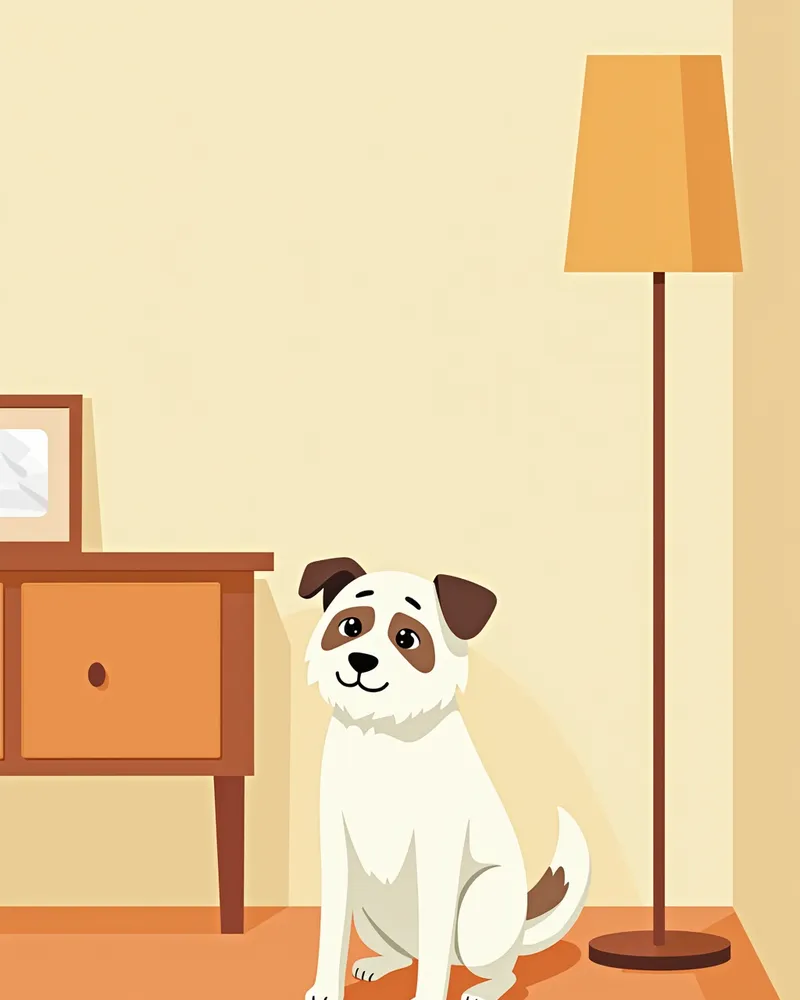
Loss of spatial awareness: Your pet may become disoriented in familiar surroundings, getting lost at home or standing blankly in a corner, staring at the wall.
Changes in interaction: They may fail to recognize family members, show a sudden decrease in affection, or respond more slowly than usual.
Reversed sleep cycle: Your pet may sleep during the day and wander or bark for no apparent reason at night.
Regression in house training: A pet that was previously reliable may suddenly have accidents indoors.
Changes in activity level: Interest in walks and play may decrease, and they may spend more time sitting dazed.
If two or more of these five symptoms persist for more than two weeks, please consult your veterinarian.
An elderly dog standing dazed in a corner of the house, as if lost and disoriented.

Go to the Vet Immediately If These Symptoms Appear Suddenly

Seizures or convulsions, sudden loss of vision or hearing, refusal to eat or drink for more than 24 hours, and extreme confusion leading to self-harm are not signs of simple cognitive dysfunction. They may indicate a brain tumor, encephalitis, or a severe metabolic disorder. Immediate veterinary care is essential.

How Is It Diagnosed?

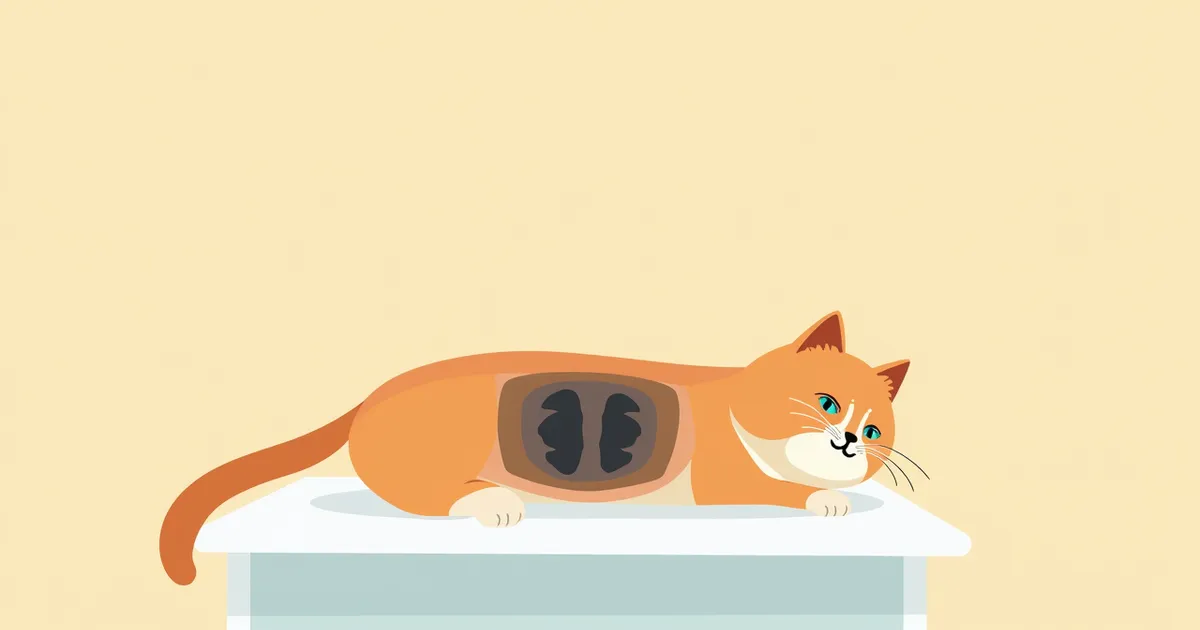
Cognitive dysfunction is diagnosed through a process of exclusion. This means we first rule out other conditions that can cause similar symptoms, such as hypothyroidism, Cushing’s disease, hepatic encephalopathy, brain tumors, and joint pain. The diagnostic process proceeds as follows: - Blood and urine tests: To check for organ abnormalities and metabolic disorders - Neurological examination: To assess reaction time, balance, and gait abnormalities - Imaging studies (CT or MRI): To identify structural brain abnormalities or tumors - Owner behavior questionnaire: A standardized assessment where owners score observed behavioral changes across the DISHA domains

Treatment Methods — Medication, Nutrition, and Behavior
The goal is not necessarily a complete cure, but rather slowing the progression of the disease and improving quality of life.
Medication: Drugs in the selegiline class can help alleviate symptoms by regulating dopamine levels in the brain. Your veterinarian will determine the appropriate prescription and dosage based on your pet’s weight and condition.
Nutritional Support: Research has shown that omega-3 fatty acids (DHA), antioxidants (vitamins E and C), and S-adenosylmethionine (SAMe) may have neuroprotective effects. You might also consider introducing a senior cognitive care diet enriched with DHA, after consulting with your veterinarian.
Behavioral Therapy: Daily, consistent cognitive stimulation activities can help maintain brain function.
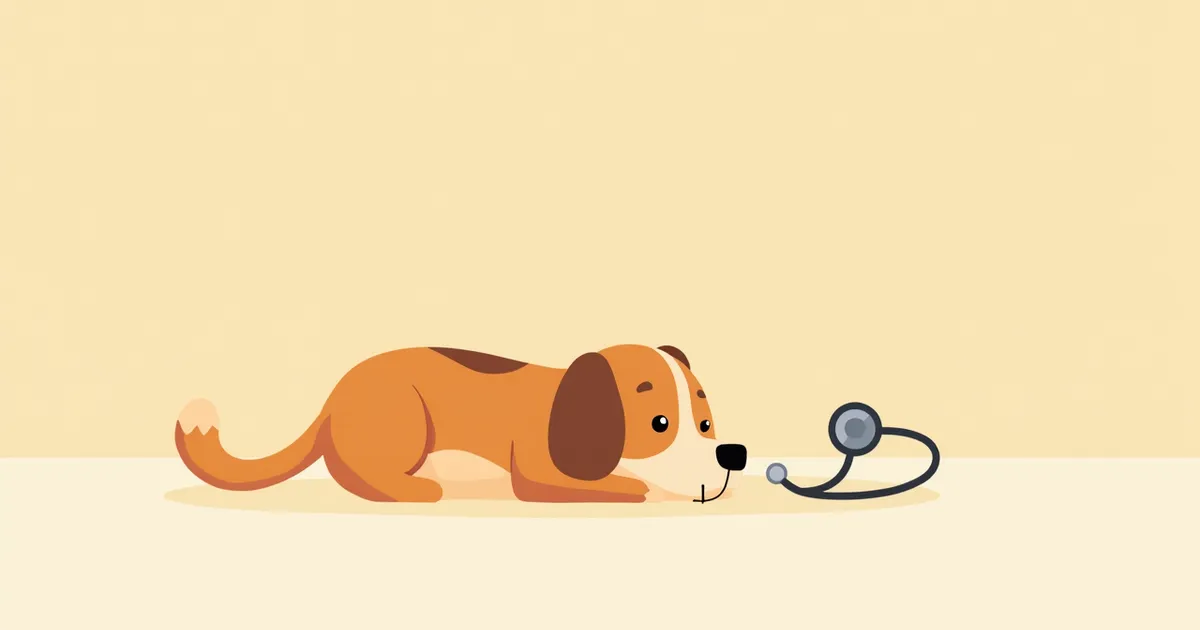
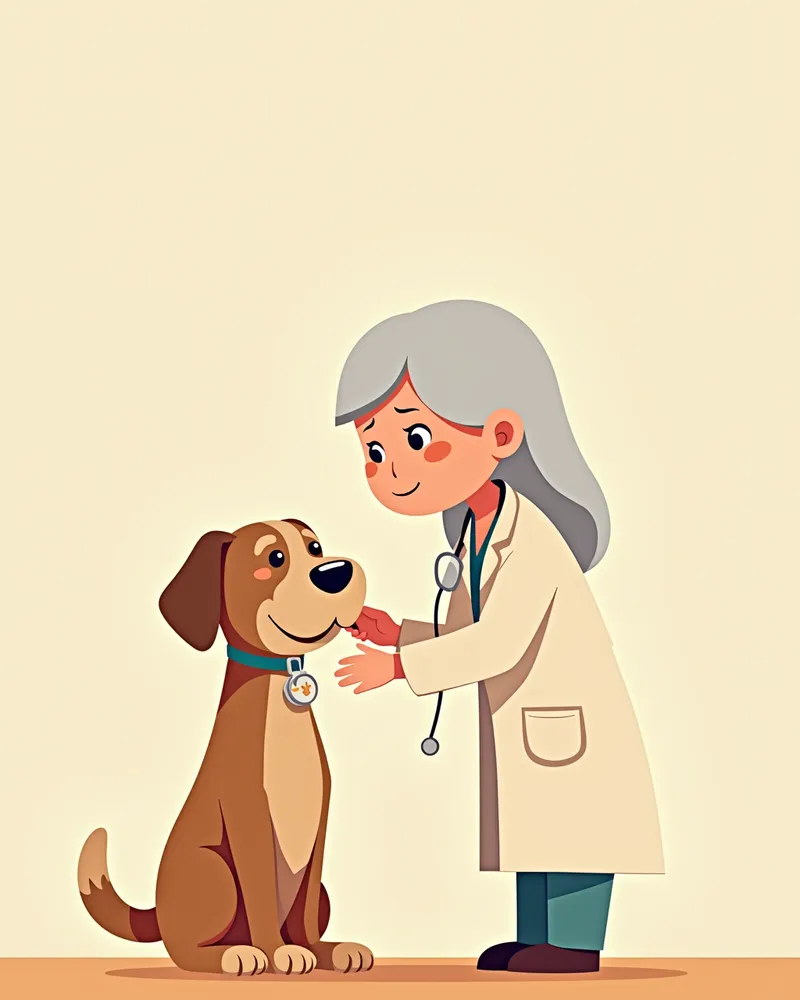
A veterinarian examining a senior dog at an animal hospital

Cognitive Care Tips You Can Do at Home
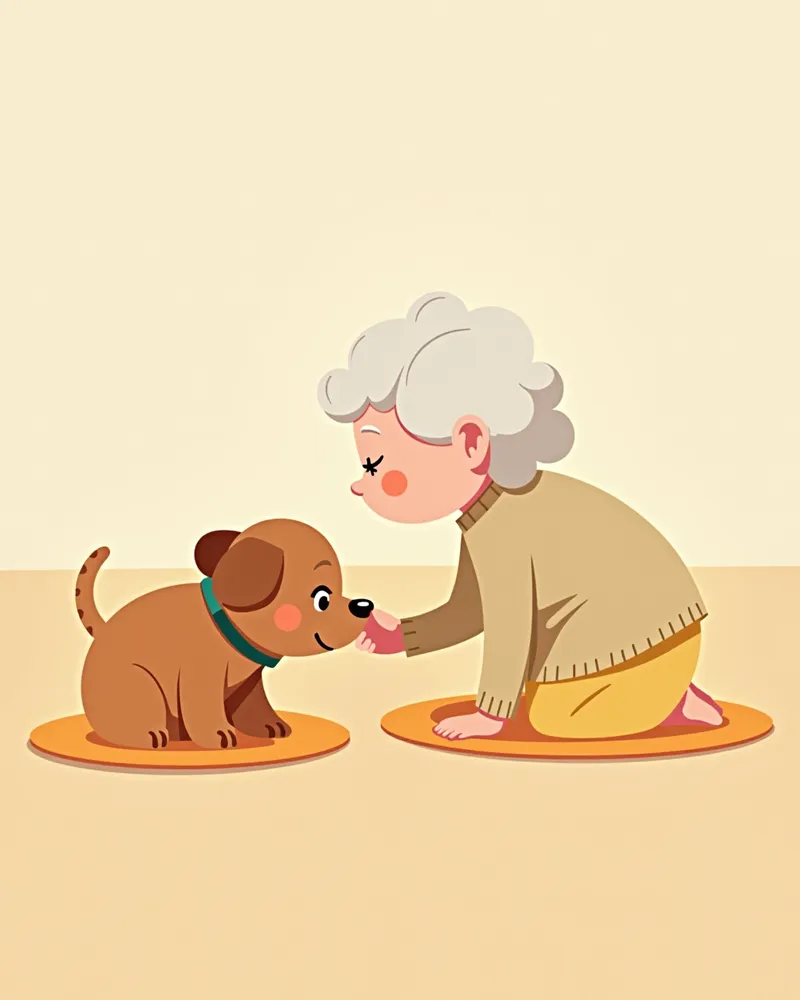
Maintain a routine: Keeping meal, walk, and bedtime consistent each day helps reduce confusion.
Ensure a safe environment: Install corner guards on furniture, use stair gates, and place non-slip mats to prevent falls.
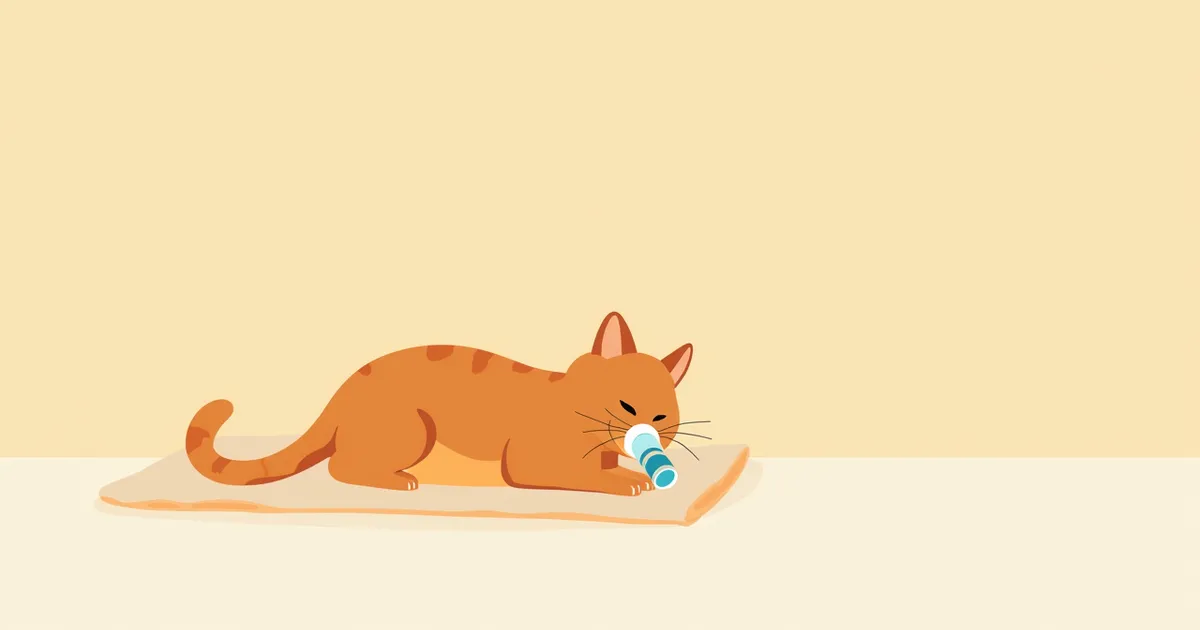
Provide cognitive stimulation: Snuffle mats, nosework toys, and simple training exercises help keep the brain active. Just 10–15 minutes a day is enough.
Manage nighttime behavior: If your pet wanders or barks at night, leave a nightlight on and secure the area around their bed with a safety barrier.
Regular check-ups: Visit your veterinarian every six months to monitor the progression of the condition.
An elderly dog and its owner engaging in nosework with a Sniffle mat

Reference for Onset by Breed and Size

Cognitive dysfunction is common in senior and geriatric dogs, with the risk increasing as they age. The exact onset varies from dog to dog and may differ by breed. Additionally, certain breeds may respond differently to medications due to genetic factors, so it’s important to inform your veterinarian about your dog’s breed characteristics and medical history to develop a tailored treatment plan.

Reviewed by a veterinarian

Dr. Tony — Punnawat Phongkittirak

Dr. Tony — Punnawat Phongkittirak

Veterinarian

A veterinarian who majored in veterinary medicine at Khon Kaen University, Thailand, and completed the IVSA program at North Carolina State University in the United States. Drawing on clinical experience at animal hospitals, he works in the pet healthcare field and is dedicated to building a digital care environment that connects pet parents with veterinarians.

Frequently Asked Questions

How can you tell the difference between normal aging and cognitive dysfunction?
Simple aging may cause slightly slower responses, but cognitive dysfunction involves more significant changes, such as failing to recognize familiar people or places, suddenly forgetting where to go to the bathroom, or experiencing reversed day-night cycles. If two or more DISHA symptoms persist for over two weeks, we recommend consulting a veterinarian.
Can it get better with treatment?
Rather than aiming for a complete cure, the realistic goal is to slow the progression of symptoms and maintain quality of life. When medication, nutritional supplementation, and environmental management are used together, many pets can remain stable for months to years. The earlier the condition is detected, the better the outcome.
Are there ways to provide cognitive stimulation at home?
Snuffle mats, nose-work games that engage your dog’s sense of smell, and simple, repeated training exercises like “sit” and “stay” are highly effective. Short, consistent sessions of 10 to 15 minutes a day are manageable for your pet and help maintain steady progress without causing stress.
Could my dog’s nighttime barking without an apparent cause be due to cognitive dysfunction?
Nighttime wandering and vocalizing are hallmark signs of cognitive dysfunction. However, similar symptoms can also be caused by pain, hearing or vision loss, or thyroid issues. It’s important to have your veterinarian rule out other potential causes before making a diagnosis.
Would switching to a senior dog food help?
Studies show that senior dog cognitive care diets fortified with DHA, antioxidants, and SAMe can help slow the progression of symptoms. However, avoid making sudden changes to your dog’s diet; instead, consult your veterinarian and gradually transition over one to two weeks.

Share

Related Guides

References

[1] Osella MC, Re G, Odore R, et al. Canine cognitive dysfunction syndrome: prevalence, clinical signs and treatment with a neuroprotective nutraceutical. Applied Animal Behaviour Science. 2007;105(4):274–283.

[2] Salvin HE, McGreevy PD, Sachdev PS, Valenzuela MJ. Under diagnosis of canine cognitive dysfunction: a cross-sectional survey of older companion dogs. Veterinary Journal. 2010;184(3):277–281.

[3] Landsberg GM, Hunthausen W, Ackerman L. Behavior Problems of the Dog and Cat, 3rd Ed. Saunders Elsevier. 2013.

[4] Fascetti AJ, Delaney SJ. Applied Veterinary Clinical Nutrition, 2nd Ed. Wiley-Blackwell. 2021.

[5] Horwitz D, Mills D. BSAVA Manual of Canine and Feline Behavioural Medicine, 2nd Ed. BSAVA. 2009.

This information is based on veterinary literature and does not replace diagnosis or treatment. Please consult a veterinarian for specific health concerns.

Metapet Co., Ltd. | CEO: Park Sung-yong | Business Reg. No. 417-88-02562 | Seoul, South Korea | Customer Center

Senior Dog Night Wandering: Cognitive Dysfunction Care | Meongsiljang