Like
Share
멍실장
강아지 건성 각결막염(KCS) 증상과 원인, 진단·치료와 관리 포인트 총정리

My Dog’s Eye Discharge Is Sticky — Symptoms and Treatment Points for Keratoconjunctivitis Sicca (KCS)

Eye HealthDiseasesMeongsiljang Veterinary Advisory Board

Canine keratoconjunctivitis sicca (KCS), commonly known as dry eye, is a condition in which insufficient tear production leads to dryness and inflammation of the eyes. Early detection and proper management are essential.

What Is Keratoconjunctivitis Sicca (KCS) in Dogs?
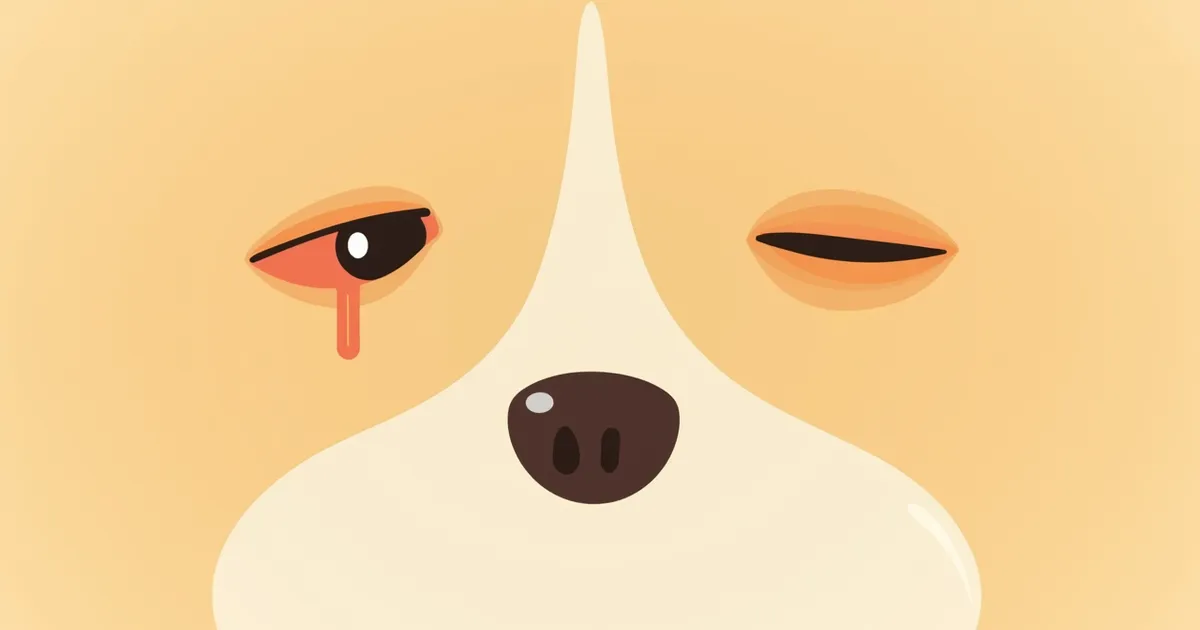
A puppy with dry, red eyes
Keratoconjunctivitis sicca (KCS), commonly known as dry eye in dogs, is a condition in which insufficient tear production leads to ocular dryness and inflammation of the cornea. This state weakens the eye’s natural protective mechanisms, increasing the risk of infection and injury. - Tear deficiency: Severely reduced tear volume leaves the eye constantly dry and prevents maintenance of a stable tear film. - Risk of corneal damage: Prolonged dryness can cause corneal abrasions and scarring. - Recurrent inflammation: The eyes may become red and painful, with frequent flare-ups. - Potential vision loss: In severe cases, vision may deteriorate or even result in blindness. Early detection and consistent management are key to successful treatment.

What Are the Main Causes of Keratoconjunctivitis Sicca?
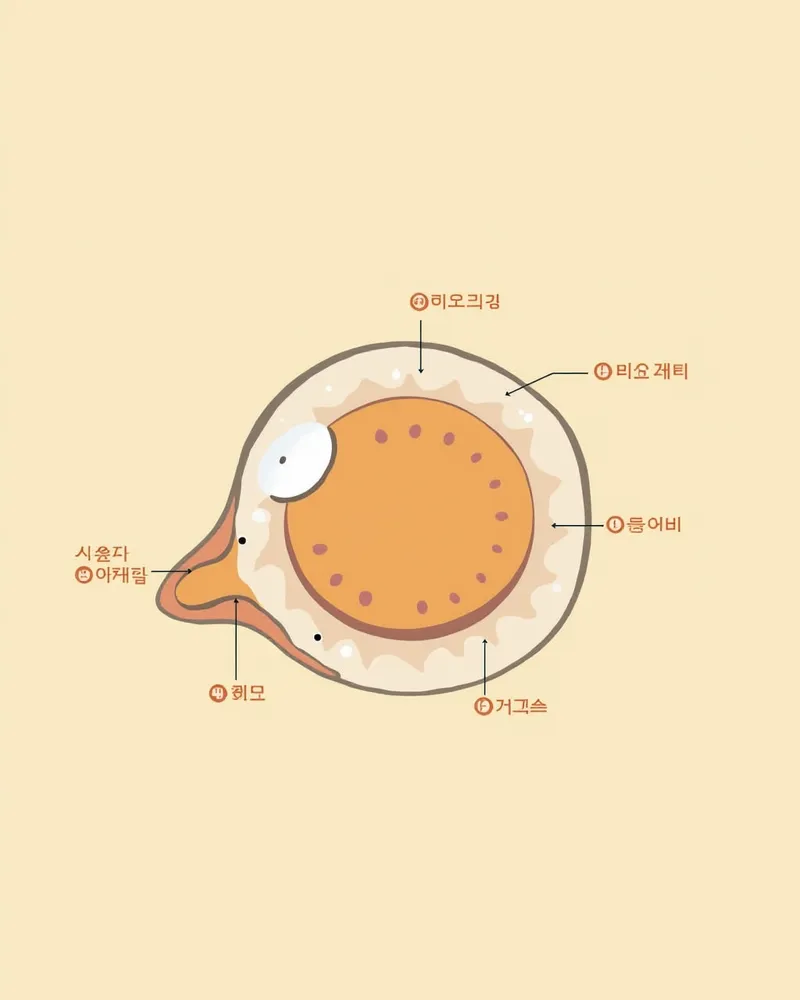
The causes of dry eye (keratoconjunctivitis sicca) in dogs are varied. - Immune system disorders: This is the most common cause, where immune cells attack the lacrimal gland tissue, inhibiting tear production. - Genetic and breed predisposition: The condition is particularly prevalent in certain breeds, such as West Highland White Terriers, Cocker and Springer Spaniels, Bulldogs, Toy Poodles, and Lhasa Apsos. - Drug side effects: Medications such as sulfonamide antibiotics, etodolac (an NSAID), and atropine can inhibit tear production. - Infection, trauma, and inflammation: Inflammation of the lacrimal glands or trauma around the eyes can damage lacrimal gland function. - Neurogenic factors: Damage to the nerves supplying the lacrimal glands can significantly reduce or halt tear secretion, sometimes causing dryness in the nostril on the same side. Identifying the underlying cause allows for a more precise treatment plan.
A diagram showing the tear production pathway and the sites of obstruction in dogs.

6 Main Symptoms of Keratoconjunctivitis Sicca

Canine dry keratoconjunctivitis presents with a variety of symptoms. Don’t overlook these warning signs.
Insufficient tear production: The eyes remain constantly dry due to a severe lack of tears.
Red eyes: The conjunctiva becomes red and swollen, often accompanied by pain.
Mucous discharge: White or yellowish mucous discharge may appear.
Rubbing or scratching the eyes: The dog repeatedly touches or rubs its eyes due to pain or discomfort.
Squinting: Sensitivity to light causes frequent squinting or avoidance of bright environments.
Corneal clouding: If left untreated for an extended period, the cornea may become cloudy and develop scars.
A dog with red eyes and discharge due to dry keratoconjunctivitis

Signs That Require Immediate Veterinary Visit

If your pet’s eyes are severely red, very painful, or held almost shut, seek veterinary care immediately. This could indicate corneal damage or a spreading infection.

Diagnostic Methods for Keratoconjunctivitis Sicca
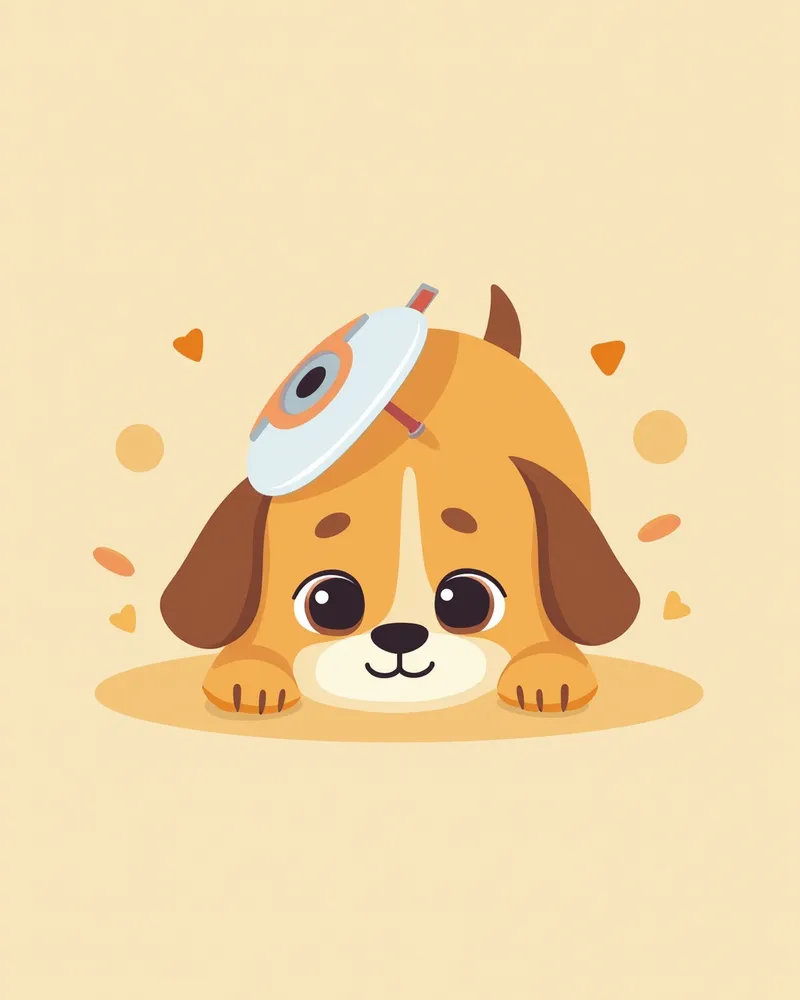
Accurate diagnosis is the first step in treating dry keratoconjunctivitis. - Schirmer Tear Test: This key test measures tear production. A filter paper strip is placed under the lower eyelid, and the length of wetting after 60 seconds is recorded. - Corneal Fluorescein Staining: Fluorescein dye is applied to detect corneal abrasions or ulcers. - Comprehensive Ophthalmic Examination: The entire eye is examined for conjunctivitis, pigmentary or vascular keratitis, and discharge characteristics, while assessing scarring and inflammation. - Secondary Infection Assessment: If discharge appears cloudy or changes in color, we check for secondary bacterial infections. - Differentiation of Neurogenic KCS: If one nostril is dry or tear production is near zero, we rule out neurogenic causes. Treatment without an accurate diagnosis is often ineffective, so thorough testing is essential.
A veterinarian performing a Schirmer tear test on a puppy's eye

Step-by-Step Treatment for Keratoconjunctivitis Sicca
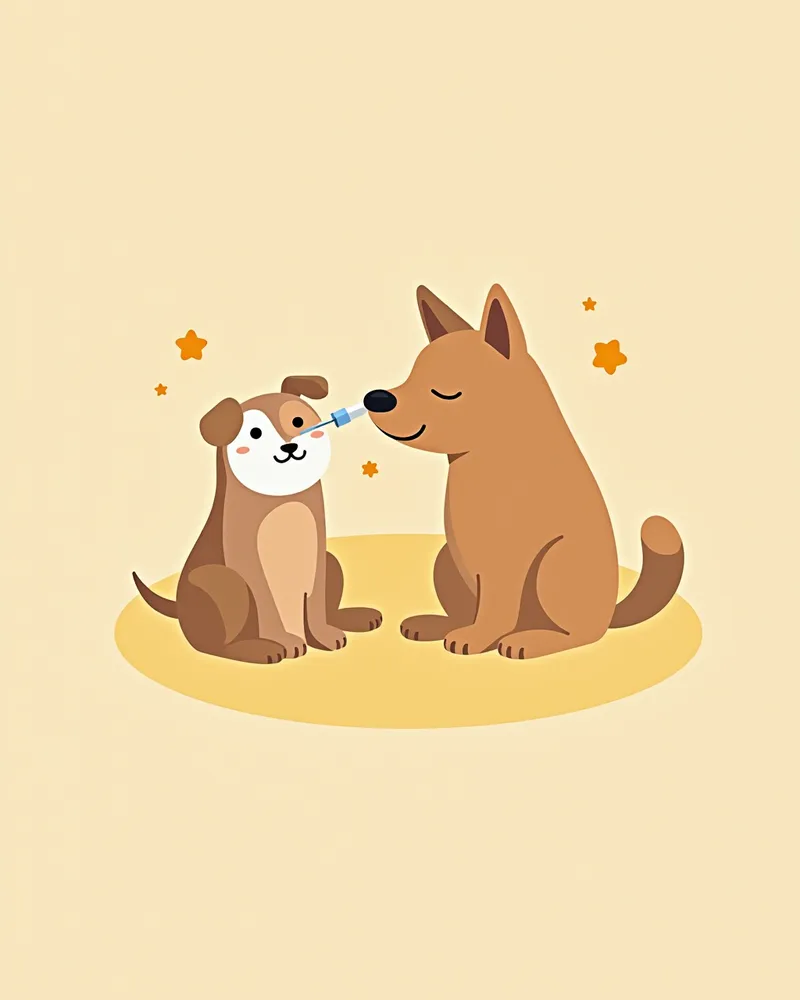
Treatment for dry keratoconjunctivitis is carried out in stages. - Initial management: Artificial tears and protective ophthalmic gels (such as BiscoGel) are used to protect the cornea and alleviate dryness. Antibiotic eye drops may also be prescribed initially. - Immunomodulatory therapy: Cyclosporine or tacrolimus eye drops are used to suppress the immune response attacking the lacrimal glands and to stimulate tear production. - Anti-inflammatory therapy: Topical steroids are prescribed to reduce ocular swelling and pain, but care must be taken to monitor for side effects such as delayed wound healing and corneal degeneration. - Surgical options: If medication is ineffective, procedures such as salivary gland duct transposition (parotid duct transposition) or canthoplasty (to narrow the palpebral fissure) may be considered. - Ongoing management: Regular check-ups and continued medication may be required for life even after treatment begins. This condition requires long-term management rather than short-term intervention.
A veterinarian administering eye drops to a puppy

Home Care and Management Points

Proper care at home is key to successful treatment. - Regular use of artificial tears: Apply tear substitutes several times a day to protect the eyes. - Keep the area around the eyes clean: Reduced tear production can lead to thick, sticky discharge, so gently wipe it away with a soft cloth. - Adhere to medication instructions: Consistent use of prescribed eye drops is essential for effectiveness; do not stop using them without consulting your veterinarian. - Maintain a calm environment: Provide a comfortable and stable setting to prevent eye rubbing or irritation. - Prevent eye touching: Use an Elizabethan collar or similar device to stop your dog from scratching or rubbing its eyes. - Regular check-ups: Continue to monitor your pet’s eye health with regular veterinary examinations even after treatment.
A dog with artificial tears lying comfortably.

Preventing Recurrence and Breed-Specific Precautions

Certain breeds, such as Poodles, Schnauzers, and Beagles, are more susceptible to KCS. Even after treatment, regular ophthalmic examinations are essential, and you should carefully monitor any changes in your pet’s eye condition.

Reviewed by a veterinarian

Dr. Tony — Punnawat Phongkittirak

Dr. Tony — Punnawat Phongkittirak

Veterinarian

A veterinarian who majored in veterinary medicine at Khon Kaen University, Thailand, and completed the IVSA program at North Carolina State University in the United States. Drawing on clinical experience at animal hospitals, he works in the pet healthcare field and is dedicated to building a digital care environment that connects pet parents with veterinarians.

Frequently Asked Questions

Can dry keratoconjunctivitis in dogs be cured?
With proper treatment and care, symptoms can be alleviated or stabilized. In some cases, lifelong management is necessary.
Is it safe to use artificial tears every day?
It is safe to use regularly as directed by your veterinarian. However, be cautious not to overuse it, as excessive application can irritate the eyes.
Can KCS be transmitted to other dogs?
No. KCS is not a contagious disease. It is caused by an abnormal immune response, so it cannot be transmitted to other dogs.
Are there any natural remedies besides medication?
Natural remedies can be helpful as a supplement, but the primary treatment should be medications prescribed by a veterinarian. Self-diagnosis can be dangerous.
Does KCS cause vision loss?
If left untreated for a long time, corneal damage or scarring can lead to vision loss. Early treatment is essential.

Comparison Table of KCS Treatment Methods

ItemEfficacyPrecautions for UseCost Level
Artificial TearsImmediate moisturizing effectRequires daily useLow cost
Anti-inflammatory Agents (Eye Drops)Reduces inflammationLong-term use may delay wound healing and cause corneal degenerationModerate cost
Immunosuppressants (Cyclosporine/Tacrolimus Eye Drops)Stimulates tear production and modulates immune responseRequires regular check-upsHigh cost
Surgery (Parotid Duct Transposition/Blepharoplasty)Long-term therapeutic effectLong recovery period and carries riskVery high cost

The treatment method is determined by the veterinarian according to the individual situation. Costs may vary by region and clinic.

Share

Related Guides
References

[1] Esson, D. W., & Calvarese, S. (2022). Clinical Atlas of Canine and Feline Ophthalmic Disease, 2nd Ed. John Wiley & Sons, Inc.

[2] Plumb's Veterinary Drug Handbook, 9th Ed. (2022). Wiley-Blackwell.

[3] Veterinary Ophthalmology, 5th Ed. (2021). Wiley-Blackwell.

This information is based on veterinary literature and does not replace diagnosis or treatment. Please consult a veterinarian for specific health concerns.

Metapet Co., Ltd. | CEO: Park Sung-yong | Business Reg. No. 417-88-02562 | Seoul, South Korea | Customer Center

Sticky Eye Discharge in Dogs: KCS Symptoms and Treatment | Meongsiljang