Like
Share
멍실장
고양이 행동 풍부화 전략 — 행동 문제 원인·증상·관리 포인트 총정리

If Your Cat Keeps Causing Trouble — Identifying the Causes and Solutions for Problem Behaviors Through Enrichment

Brain & CognitionDiseasesMeongsiljang Veterinary Advisory Board

Cat enrichment is a strategy that satisfies instinctual needs in an indoor environment, helping to prevent and improve behavioral issues. We’ve outlined the main symptoms—such as excessive grooming, aggression, and lethargy—along with five practical enrichment methods you can implement at home.

What Is Cat Behavioral Enrichment?
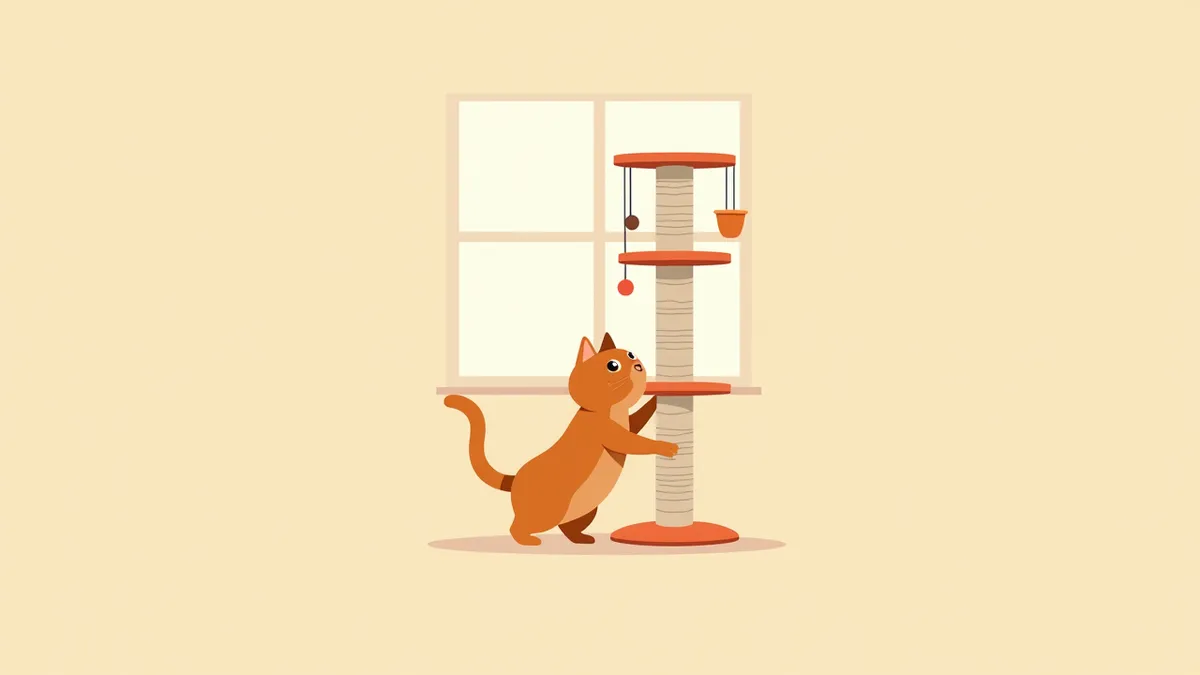
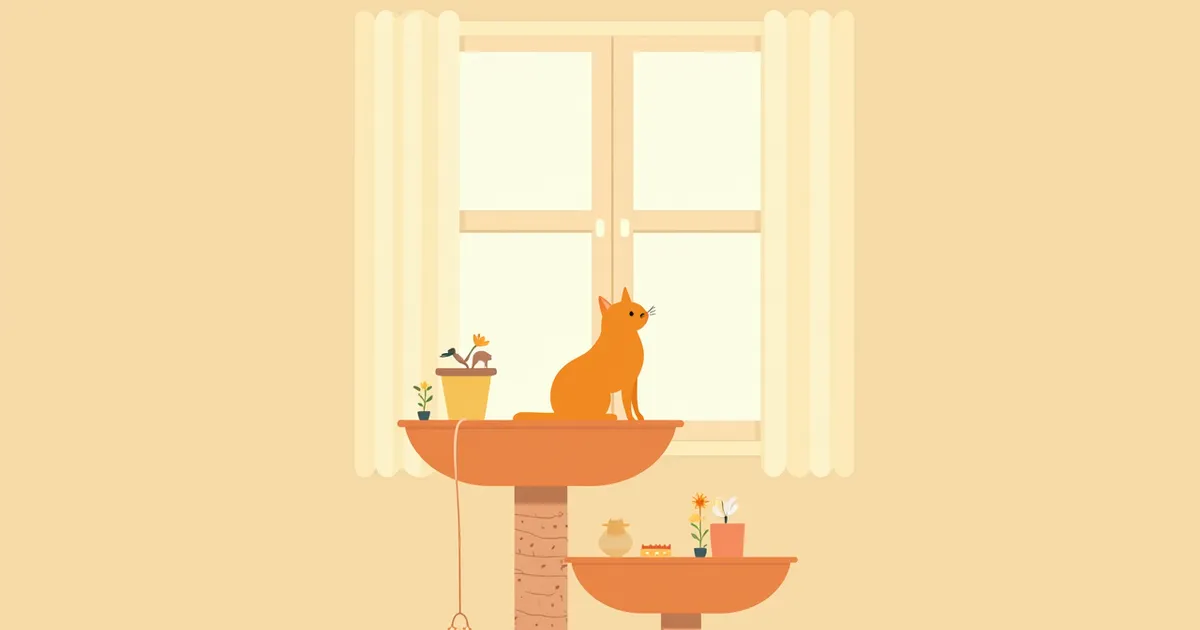
A cat exploring a cat tower
Cat environmental enrichment is a management strategy that systematically designs stimuli and surroundings to satisfy instinctual drives—such as hunting, exploring, and socializing—even in an indoor setting. Without sufficient enrichment, behavioral issues like excessive grooming, aggression, or lethargy can develop. The key is to recognize early warning signs and adjust the environment before these problems become entrenched.

Why Does a Lack of Enrichment Occur?

Indoor cats often live without fully expressing their natural hunting and exploring behaviors. A monotonous environment lacking stimulation, prolonged periods of solitude, and confined, unchanging spaces are the primary causes. In multi-cat households, insufficient resources—such as food bowls, litter boxes, and resting areas—can heighten competition-related stress and exacerbate behavioral issues. According to veterinary behavior textbooks, cats experience chronic stress when they lose a sense of control over their environment.

Checklist of Main Symptoms of Behavioral Issues
Excessive grooming: Repeatedly licking to the point of hair loss.
Increased aggression: Biting or scratching you or other cats for no apparent reason.
Litter box issues: Sudden elimination outside the litter box.
Changes in appetite: Refusing food entirely or overeating.
Hiding and lethargy: Withdrawing from favorite spots and showing no interest in play.
Repetitive behaviors: Pacing the same route continuously or being unable to stop certain actions.
Cats showing signs of stress

See a Veterinarian First If You Notice These Symptoms

Excessive grooming that causes skin injuries, a noticeable loss of appetite lasting more than a day, or sudden aggression severe enough to injure a person may indicate underlying medical issues such as pain, hyperthyroidism, or neurological or metabolic disorders. Cats often signal pain or illness through changes in grooming habits, appetite, or personality, such as becoming irritable or withdrawn. Therefore, before starting any behavioral modification, it is most important to have a veterinarian perform a physical examination to rule out any underlying medical causes.

How Is a Behavioral Problem Diagnosed?

Behavioral assessments begin with a thorough history (noting when the behavior started and any recent environmental changes) and a physical exam, along with blood and urine tests if needed, to rule out medical causes. Next, environmental factors such as space layout, resource placement, and daily routines are analyzed from a behavioral perspective. Consulting with a behavior specialist at a cat-friendly veterinary clinic using an environmental resource assessment tool can be very helpful.

Five Core Strategies for Behavioral Enrichment
Environmental enrichment: Create a safe, three-dimensional space with varying heights using cat trees, window perches, and tunnels, giving your cat places to hide and observe from above.
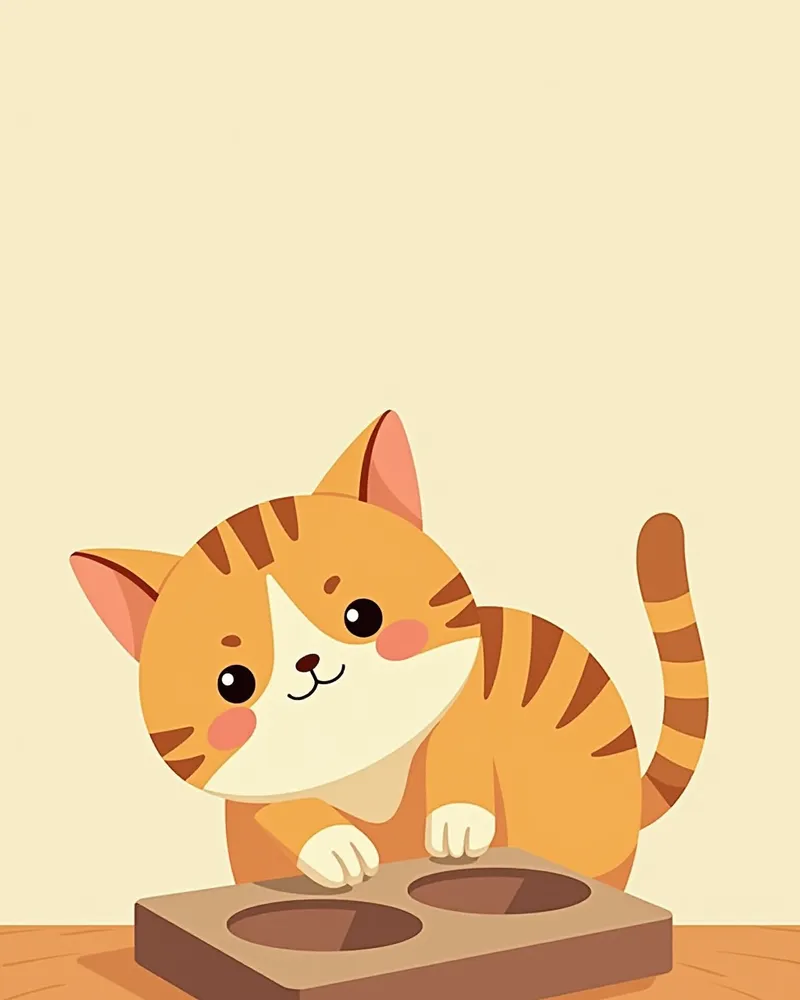
Feeding enrichment: Use puzzle feeders or nose work mats to stimulate your cat’s natural hunting instincts and reduce boredom.
Olfactory enrichment: Provide catnip or create hidden exploration areas to satisfy your cat’s scent-seeking desires.
Social enrichment: Set aside dedicated time each day for interactive play with your cat to strengthen your bond.
Sensory enrichment: Enrich the environment with visual and auditory stimuli, such as bird videos or nature sounds in the background.
Cats satisfy their hunting instincts with puzzle feeders.

Daily Management Tips to Practice at Home
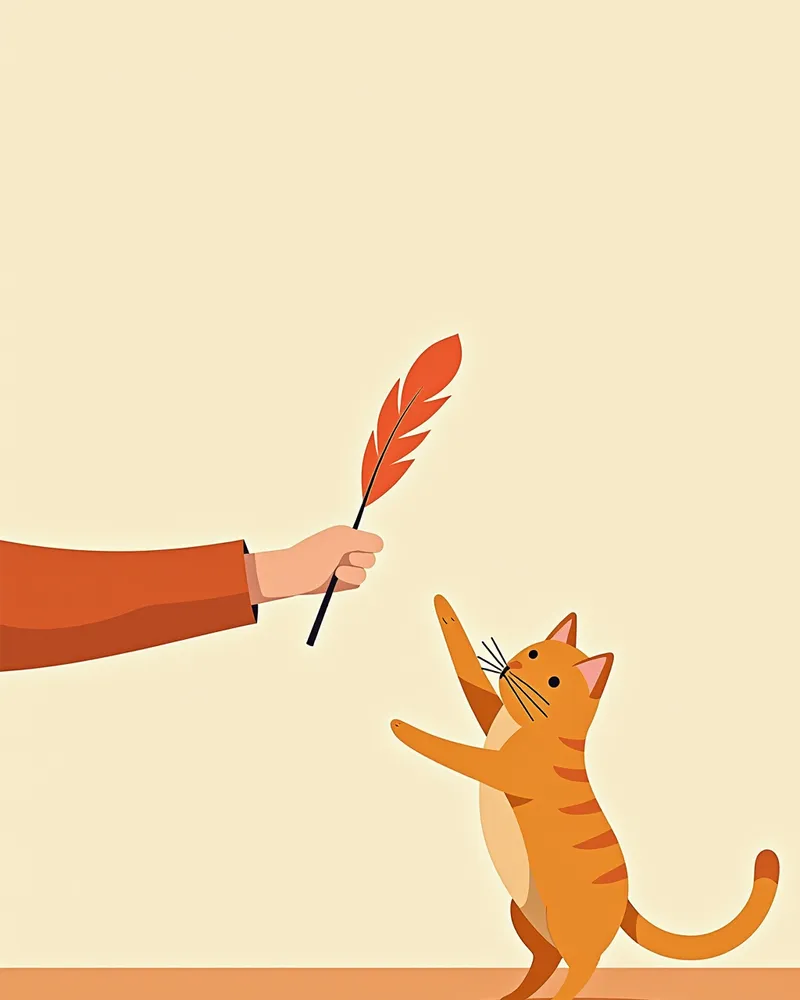
Provide one more litter box than the number of cats in your household, and place them in separate, distinct areas. Keep food and water bowls separate, and in multi-cat homes, give each cat its own dedicated feeding station to minimize resource competition and resulting conflicts. Daily interactive play sessions with wand toys at consistent times are effective for both energy release and strengthening the bond between you and your cat. Introduce new stimuli, such as new toys or scents, gradually rather than all at once to sustain your cat’s curiosity and exploration drive.
A cat playing with its owner using a fishing rod toy

Extra Care for Senior Cats and Multi-Cat Households

Senior cats can become confused when their familiar routines are disrupted, which may lead to behavioral changes or signs of cognitive decline, such as feline dementia. If you notice disorientation, changes in sleep-wake cycles, or inappropriate elimination, closer observation and a veterinary assessment are recommended. In multi-cat households, it is important to provide separate resources for each cat and ensure that every cat has at least one private hiding spot. When introducing a new cat, keep them isolated for an adequate period before gradually introducing them to minimize stress for the resident cat.

Reviewed by a veterinarian

Dr. Tony — Punnawat Phongkittirak

Dr. Tony — Punnawat Phongkittirak

Veterinarian

A veterinarian who majored in veterinary medicine at Khon Kaen University, Thailand, and completed the IVSA program at North Carolina State University in the United States. Drawing on clinical experience at animal hospitals, he works in the pet healthcare field and is dedicated to building a digital care environment that connects pet parents with veterinarians.

Frequently Asked Questions

What enrichment toys should I get first?
We recommend starting with one fishing-rod toy and one puzzle feeder. An interactive fishing-rod toy is the most effective for engaging play, while a puzzle feeder satisfies your cat's hunting instincts when they're alone.
Even with environmental enrichment, the excessive grooming doesn’t stop. What should I do?
If excessive grooming persists for several days or more, it’s important to first have a veterinary clinic check for underlying medical causes such as skin conditions, allergies, or pain. Excessive grooming is often linked to pain or stress, so environmental enrichment alone may not resolve the issue.
My cat spends a lot of time alone. Are there ways to provide stimulation?
Puzzle feeders, window perches for birdwatching, and playing nature sounds in the background can be helpful. Automatic toys are only a supplement and cannot fully replace interactive play with their owners.
My cats are fighting in my multi-cat household. Can environmental enrichment help resolve the issue?
If resource scarcity is the cause, significantly improve the situation by providing more litter boxes, food bowls, and hiding spots than the number of cats. However, if severe antagonistic relationships have developed between the cats, consultation with a veterinary behaviorist is necessary.
Does environmental enrichment work better if started when the pet is young?
Introducing a variety of safe stimuli from an early age can be very beneficial. However, environmental enrichment is effective at any age because it gives pets the opportunity to explore and make choices in their surroundings. It’s never too late for adult cats, so why not start now?

Share

Related Guides

References

[1] Ellis, S.L. (2009). Environmental enrichment: Practical strategies for improving feline welfare. Journal of Feline Medicine and Surgery, 11(11), pp. 901–912.

[2] Hampton, A. et al. (2019). Effects of music on behavior and physiological stress response of domestic cats in a veterinary clinic. Journal of Feline Medicine and Surgery, 22(2), pp. 122–128.

[3] Horwitz, D.F., Neilson, J.C. (eds.). BSAVA Manual of Canine and Feline Behavioural Medicine. 2nd ed. British Small Animal Veterinary Association, 2007.

This information is based on veterinary literature and does not replace diagnosis or treatment. Please consult a veterinarian for specific health concerns.

Metapet Co., Ltd. | CEO: Park Sung-yong | Business Reg. No. 417-88-02562 | Seoul, South Korea | Customer Center

Cat Always Acting Up? Fix Problem Behavior with Enrichment | Meongsiljang