
Why Is My Cat Spraying Urine Everywhere? — Causes of Spray Marking and Key Points for Distinguishing Medical Conditions
Cat spraying is a form of communication driven by territorial marking, stress, or conflict. In most cases, it can be effectively managed through a combination of neutering, environmental management, and pheromone therapy.
What Is Cat Spray Marking?
Reasons for Spray Marking
Spray Marking Symptom Checklist

When to Seek Immediate Veterinary Care
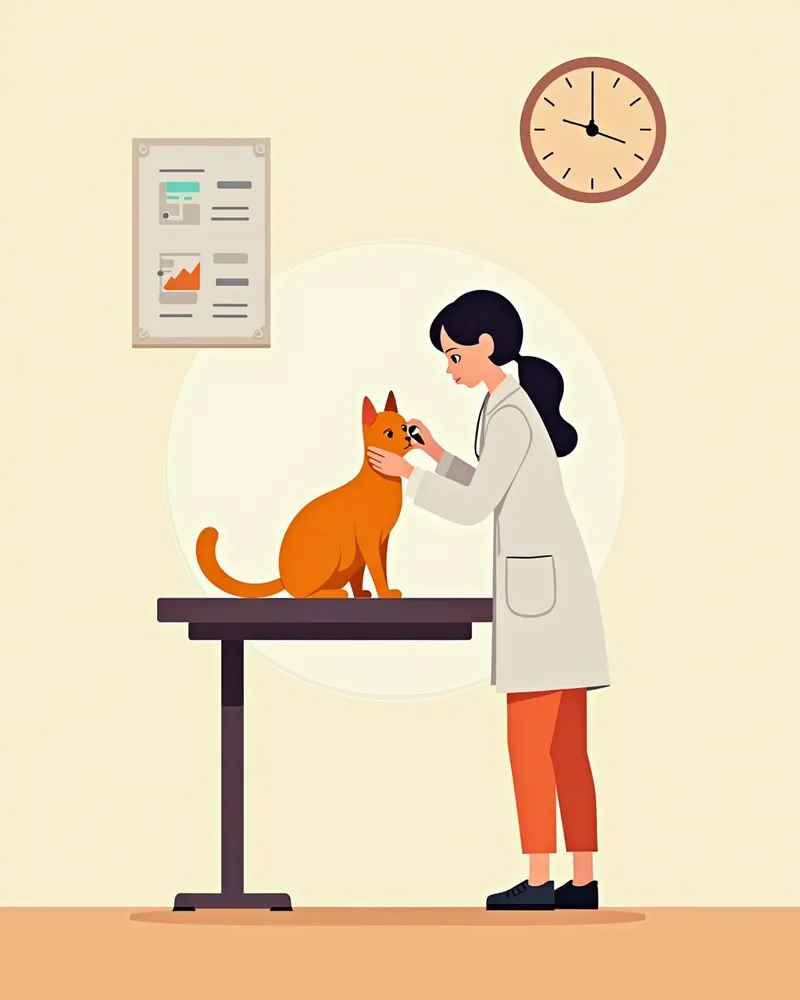
If your cat repeatedly assumes a spraying posture but no urine comes out, it could be a medical emergency such as a urinary tract obstruction. This is especially critical in male cats: if they strain to urinate without producing any urine, or if they show signs of pain or blood in the urine during attempts to urinate, seek immediate veterinary care. Urinary tract obstruction is a life-threatening emergency that requires prompt treatment, so do not delay. Additionally, if your cat suddenly starts urinating in multiple places around the house, have them evaluated for potential medical causes such as cystitis (including feline idiopathic cystitis, FIC), urinary stones, or kidney issues.
Veterinary Diagnostic Process
Treatment Methods
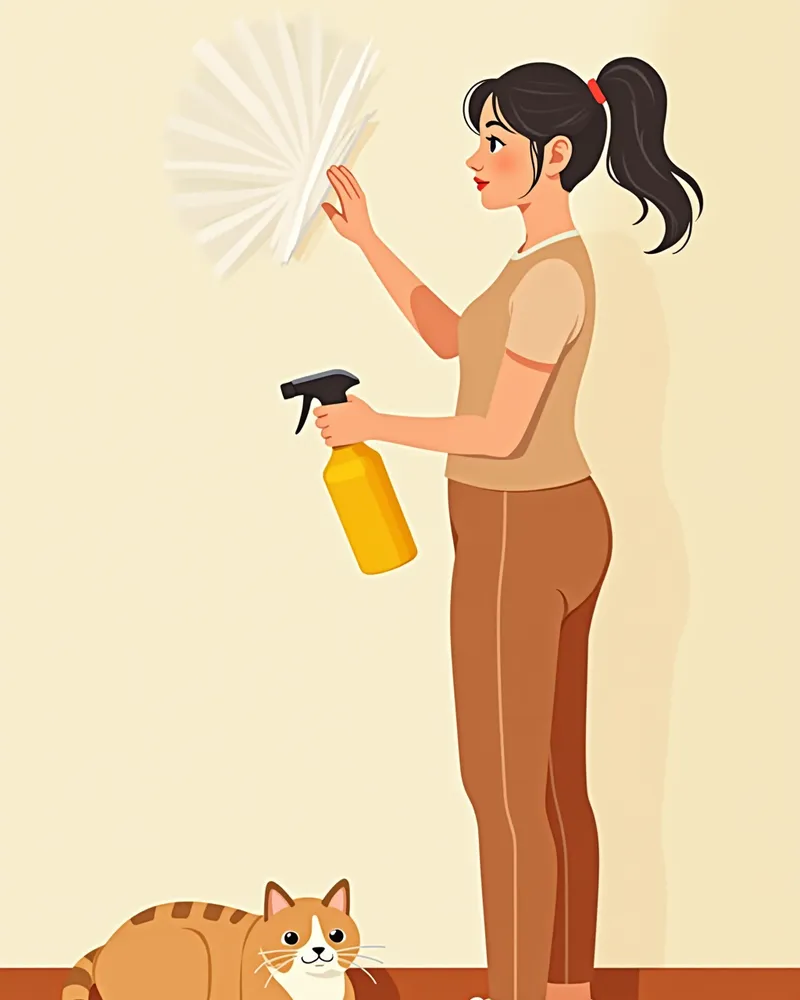
Environmental Management You Can Do at Home
Important Considerations for Multi-Cat Households
In multi-cat households, subtle tensions can trigger spray marking even when no overt fighting is visible. Providing separate food bowls, litter boxes, and elevated resting spots for each cat, and dividing the home into distinct zones by floor or room to establish individual territories, can help ease these conflicts.
Reviewed by a veterinarian

Dr. Tony — Punnawat Phongkittirak
VeterinarianA veterinarian who majored in veterinary medicine at Khon Kaen University, Thailand, and completed the IVSA program at North Carolina State University in the United States. Drawing on clinical experience at animal hospitals, he works in the pet healthcare field and is dedicated to building a digital care environment that connects pet parents with veterinarians.
Reviewed 2026-06-01
Frequently Asked Questions
Do neutered cats also spray-mark?
How can you tell the difference between spray marking and an accident in the litter box?
Is an enzyme-based cleaner really necessary?
Will a pheromone diffuser alone stop marking behavior?
How long after treatment does marking behavior decrease?
Share
Related Guides

7 Behavioral Enrichment Strategies for Mental Stimulation Recommended by Veterinarians

Top 5 Calming Supplements for Dogs and Cats in 2026

L-Theanine Effects and Calming Support

If Your Cat’s Tears Won’t Stop — Causes of Nasolacrimal Duct Obstruction and When to Seek Treatment
If Your Cat’s Eyes Are Constantly Dry and Sticky — Key Points on Keratoconjunctivitis Sicca and Cyclosporine Treatment

If Your Cat’s Eye Color Changes or Pupils Are Abnormal — Warning Signs of Intraocular Tumors and Treatment Timing

Cat tearing and corneal clouding: Could it be herpes keratitis? — Causes and recurrence management points

Complete Guide to Feline Fluorescein Corneal Staining — From Procedure to Result Interpretation

Feline Eyelid Tumors: Symptoms, Causes, Diagnosis, Treatment, and Care Essentials

If Your Cat’s Eyes Are Always Wet — Causes of Excessive Tearing and Tear Staining, and When to Visit the Vet
References
[1] Borchelt PL. Cat elimination behavior problems. Vet Clin North Am Small Anim Pract. 1991
[2] Bradshaw JWS, Cameron-Beaumont C. The signalling repertoire of the domestic cat and its undomesticated relatives. In: Turner DC, Bateson P (eds). The Domestic Cat: The Biology of its Behaviour. 2nd ed. Cambridge University Press; 2000
[3] Ramos D et al. A closer look at the relationship between life events and feline idiopathic cystitis. J Feline Med Surg. 2020
[4] Little SE (ed.). The Cat: Clinical Medicine and Management. 2nd ed. Elsevier Saunders; 2012
[5] Heath S, Rodan I (eds.). A Professional's Guide to Feline Behaviour: Understanding, Improving and Resolving Problems. CABI; 2022
[6] Horwitz DF, Mills DS (eds.). Veterinary Guide to Preventing Behavior Problems in Dogs and Cats. BSAVA; 2009