
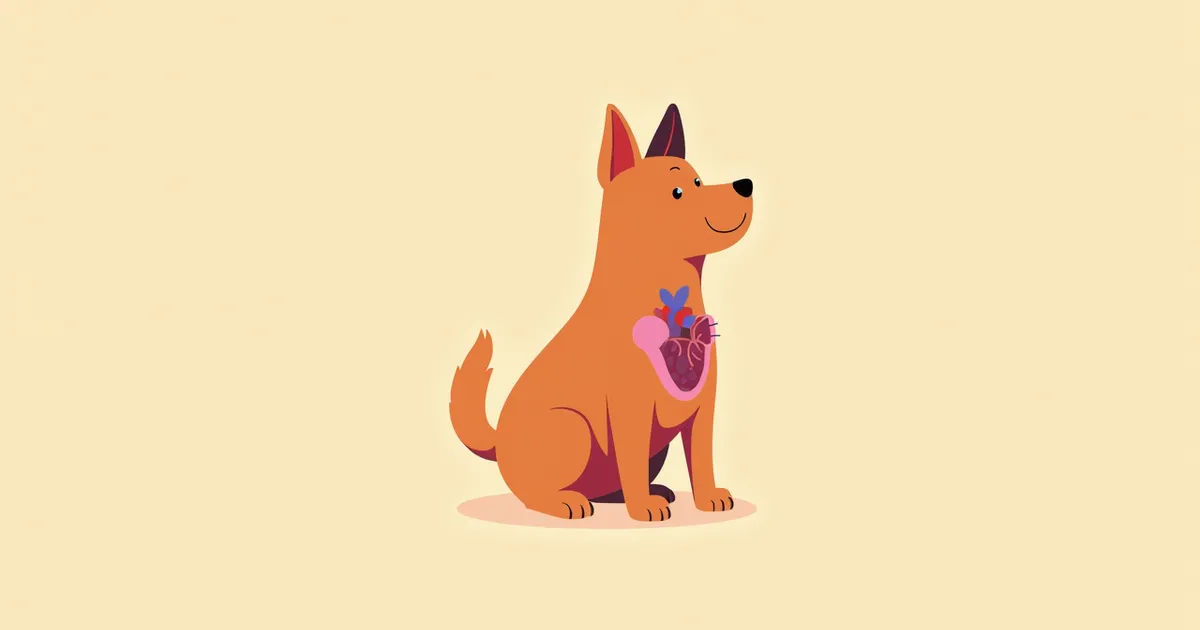
If Your Dog Is Panting Frequently and Appears Tired — Causes and Treatment of Tricuspid Valve Dysplasia
Tricuspid valve dysplasia in dogs is a congenital heart condition in which the tricuspid valve on the right side of the heart fails to close properly, causing blood to flow backward. Early detection and management are essential.
What Is Tricuspid Valve Dysplasia in Dogs?
What Are the Main Causes of Tricuspid Valve Dysplasia?
What Are the Main Symptoms of Tricuspid Valve Dysplasia?
Signs That Require an Immediate Hospital Visit
If your pet is experiencing severe difficulty breathing, a bluish or dark discoloration of the mouth, or sudden collapse, you should go to the hospital immediately. This may indicate a rapid deterioration in heart function. In emergency situations, this can be life-threatening, so prompt action is essential.
How Is Tricuspid Valve Dysplasia Diagnosed?
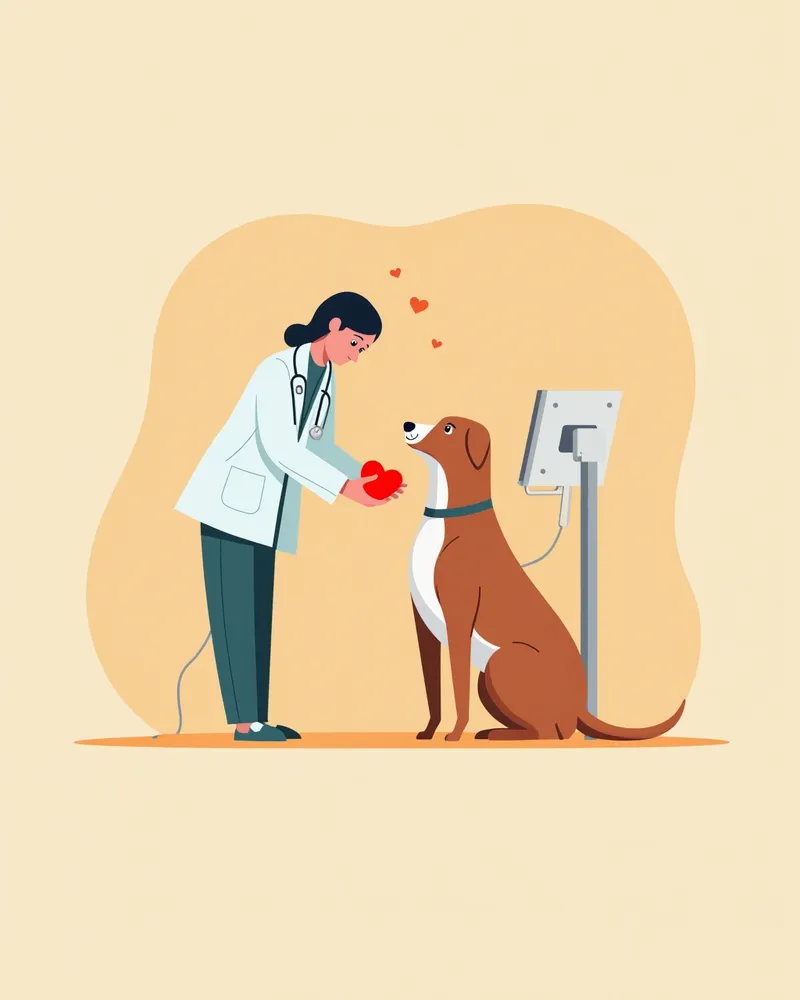
What Are the Treatment Options for Tricuspid Valve Dysplasia?

Home Care Points

Breed-Specific Precautions and Prevention of Recurrence
This condition is most commonly seen in Labrador Retrievers, with a higher incidence in other large breeds such as Boxers, German Shepherds, and Border Collies. Because genetic factors play a significant role, it is important to check the health status of the parents when adopting a puppy. As a congenital disease, the focus is on maintaining the condition through ongoing veterinary care and regular check-ups rather than aiming for a complete cure.
Reviewed by a veterinarian

Dr. Tony — Punnawat Phongkittirak
VeterinarianA veterinarian who majored in veterinary medicine at Khon Kaen University, Thailand, and completed the IVSA program at North Carolina State University in the United States. Drawing on clinical experience at animal hospitals, he works in the pet healthcare field and is dedicated to building a digital care environment that connects pet parents with veterinarians.
Reviewed 2026-06-05
Frequently Asked Questions
Can tricuspid valve dysplasia be treated?
Is tricuspid valve dysplasia hereditary?
My dog has tricuspid valve dysplasia. Is it safe for him to go for walks?
Do dogs with tricuspid valve dysplasia have a shorter lifespan?
Which breeds are most commonly affected by tricuspid valve dysplasia?
Share
Related Guides

Coenzyme Q10 Benefits and Administration Guide
Dog Pulmonary Edema Warning — 7 Best Diuretics (Furosemide) for Heart Management

7 Best Prescription Diets for Feline Heart Disease Recommended by Veterinarians — Criteria for Choosing Low-Sodium Food

If You Feel a Lump on Your Cat’s Neck — Thyroid Cancer Signs and Timing for Diagnosis and Treatment

When Your Cat Is Lethargic and Stumbling — Hypoglycemia Warning Signs and Emergency Response
When Your Cat Is Constantly Lethargic and Weak in the Legs — Causes of Hyperaldosteronism and Timing for Treatment
If Your Puppy Is Afraid of People or Dogs — Causes and Correction for Lack of Socialization
If Your Dog Keeps Biting Your Hand — Causes of Biting Behavior and Step-by-Step Bite Inhibition Training
Why Is My Dog So Excited? — Causes of Impulse Control Issues and When to Seek Treatment

If Your Dog Suddenly Has an Accident at Home — How to Distinguish Causes of Elimination Accidents and Disease Signals
References
[1] Meurs KM, et al. (2010). Genetics of Cardiac Disease in the Small Animal Patient. Veterinary Clinics of North America: Small Animal Practice, 40(4), 701–715.
[2] Liu Y, et al. (2018). Congenital heart disease in dogs: A review of epidemiology, genetics, and clinical management. Journal of Veterinary Internal Medicine, 32(3), 885–896.
[3] Fleischman D, et al. (2021). Tricuspid valve dysplasia in dogs: Clinical features, prognosis, and management. Veterinary Medicine and Science, 7(3), 1234–1245.