
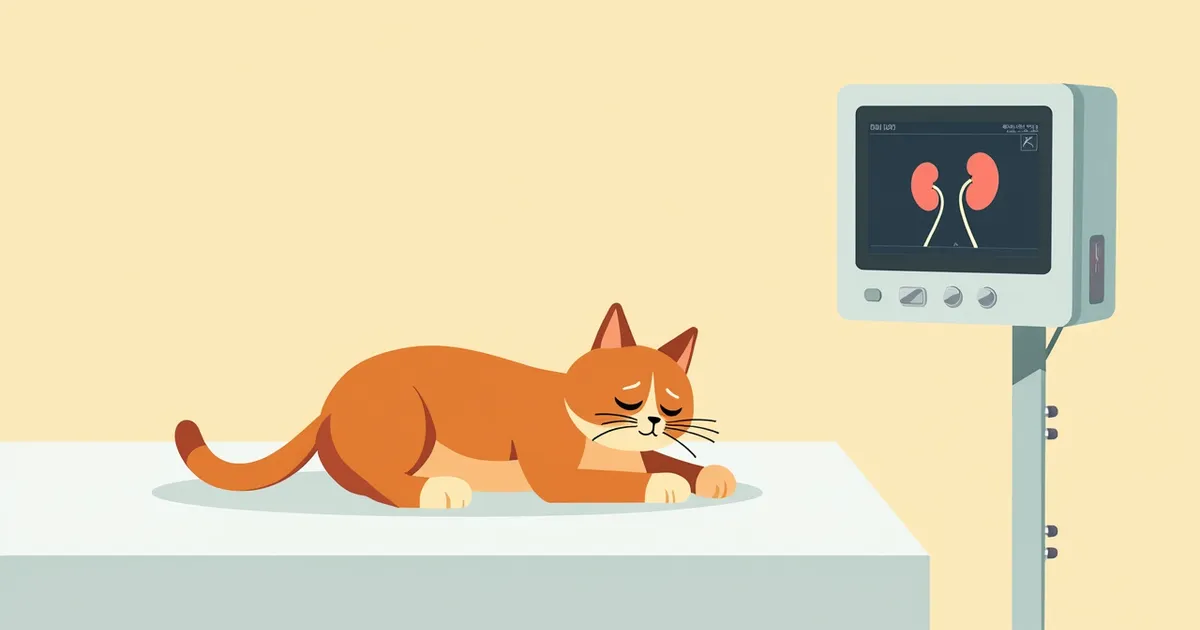
Cat Suddenly Unable to Urinate — Emergency Signs of Ureteral Obstruction and How to Respond
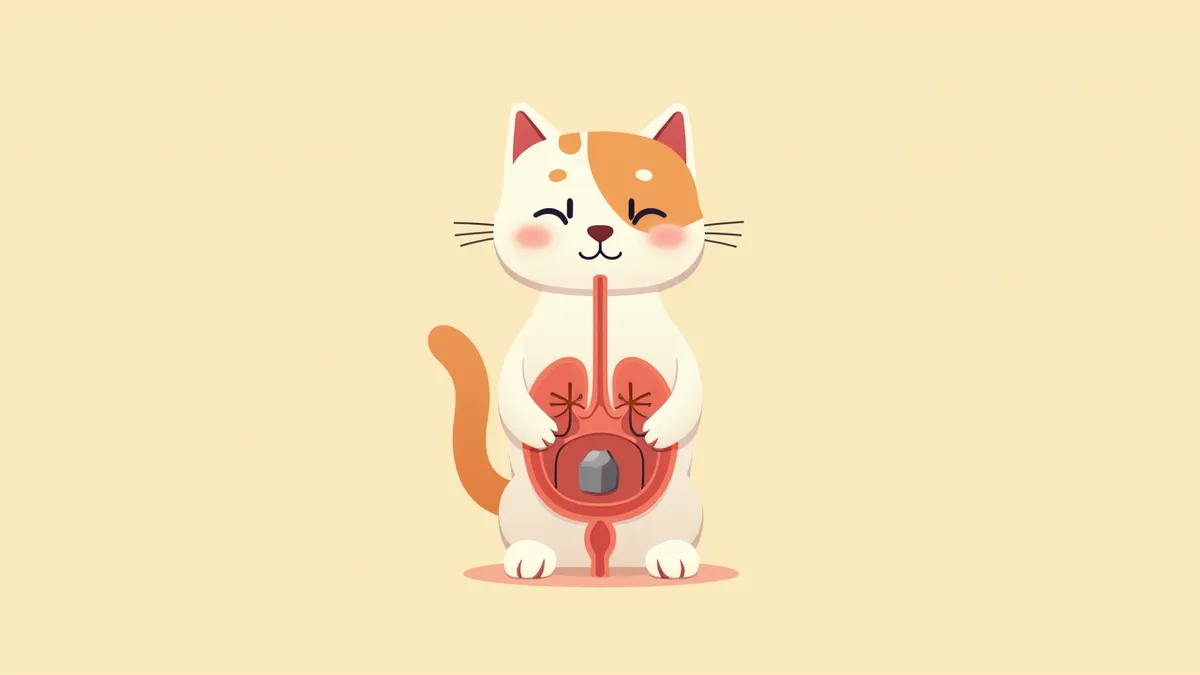
Feline ureteral calculi and ureteral obstruction are serious conditions that can severely impair kidney function due to blockage of the urinary tract. Early detection and appropriate treatment are key to improving survival rates.
What Are Feline Ureteral Stones and Ureteral Obstruction?
Main Causes and Pathogenesis

Main Symptoms and Signs
Emergency Situations Requiring Immediate Veterinary Visit
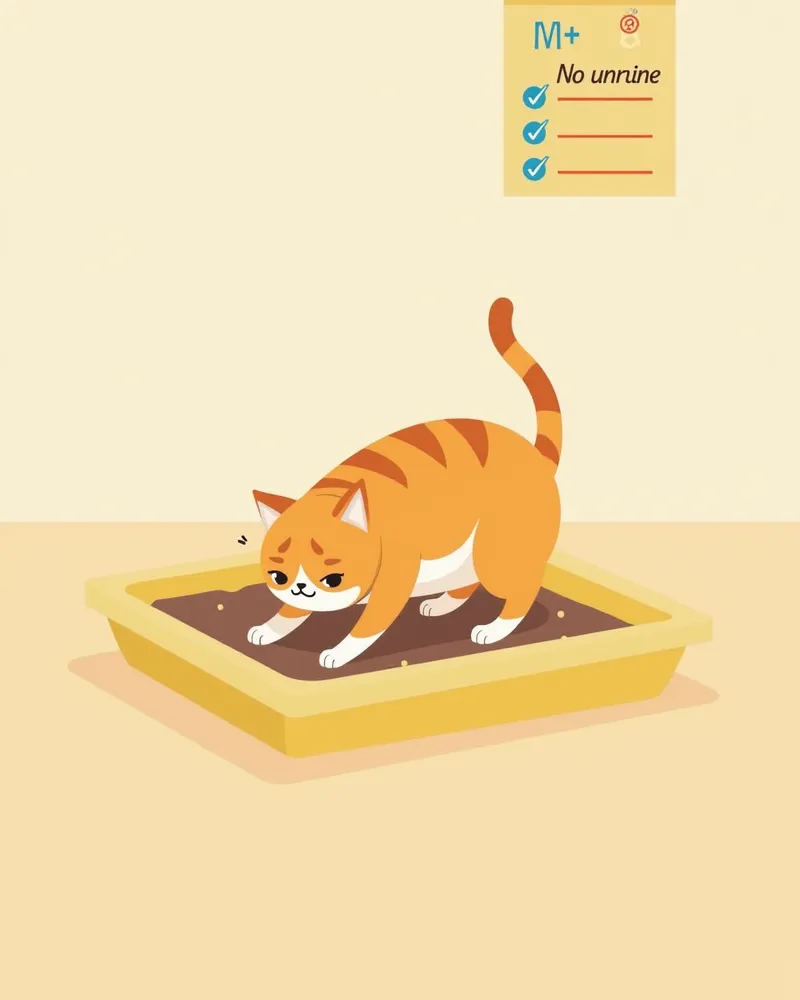
If both ureters are blocked or the urethra is obstructed, resulting in little to no urine output, and your pet shows signs of severe pain or shock—such as lethargy, weakness, or abnormal breathing and heart rate—seek veterinary care immediately. The extent of kidney damage caused by obstruction depends on the scope of the blockage (unilateral or bilateral, partial or complete), its duration, and whether there is pre-existing kidney disease, so prompt treatment is crucial.
Accurate Diagnostic Methods

Treatment Methods and Step-by-Step Management
Home Care and Recovery Points
Preventing Recurrence and Breed-Specific Precautions
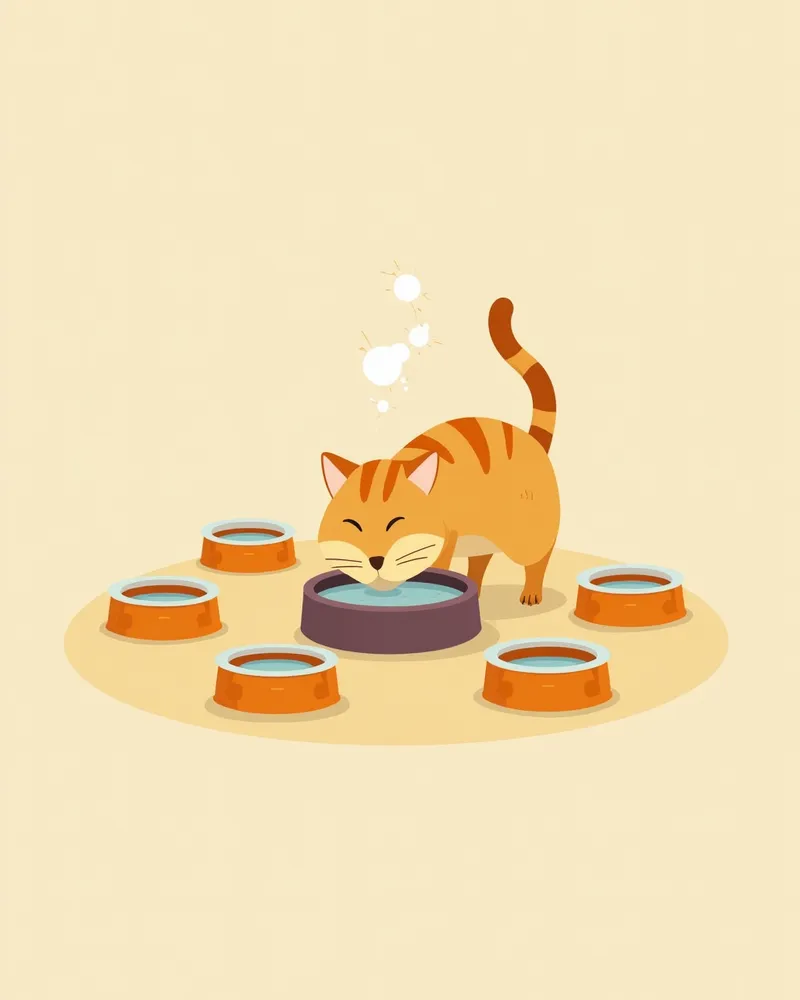
Urinary tract stones and urethral obstructions are conditions that tend to recur. If your cat has experienced these issues before, it’s a good idea to work with your veterinarian to develop a long-term plan that includes increasing water intake and dietary management. Stones are also not uncommon in senior cats, so we recommend regular urine tests and ultrasound exams at intervals recommended by your vet.
Reviewed by a veterinarian

Dr. Tony — Punnawat Phongkittirak
VeterinarianA veterinarian who majored in veterinary medicine at Khon Kaen University, Thailand, and completed the IVSA program at North Carolina State University in the United States. Drawing on clinical experience at animal hospitals, he works in the pet healthcare field and is dedicated to building a digital care environment that connects pet parents with veterinarians.
Reviewed 2026-06-05
Frequently Asked Questions
What causes urinary tract stones in cats?
How long can a pet survive with a ureteral obstruction?
If a stone forms, can it be treated without surgery?
What kind of diet should I feed to prevent recurrence?
Can a cat experience a recurrence of urethral obstruction after having had one?
Share
Related Guides

Top 5 Prescription Diets for Cats with Chronic Kidney Disease — Stage-Specific Protein Adjustment

7 Emergency Signs and Causes of Acute Kidney Failure in Dogs You Must Not Miss
Top 5 Cat Kidney Supplements Recommended for 2026

My Dog Ate Grapes — Signs of Nephrotoxicity Leading to Kidney Failure Requiring Immediate Veterinary Care
My Dog Won’t Drink Water — Dehydration and Acute Kidney Injury, When to Go to the Vet
How Fast Is My Dog’s Kidney Disease Progressing? — Monitoring CKD Progression and Management Points

My Puppy Has a Fever and Back Pain — From Pyelonephritis Symptoms to Treatment

Sudden Urine and Appetite Changes in Your Dog — Causes of Acute Kidney Injury and When to Seek Emergency Care
Complete Guide to Feline Renal Ultrasound — From Timing to Result Interpretation

When to Use Feline Kidney Supplements — Omega-3 Effects and Feeding Tips
References
[1] Boyd LM, Langston C, Thompson K, et al. Survival in cats with naturally occurring chronic kidney disease (2000-2002). J Vet Intern Med. 2008;22:1111–1117.
[2] Specht AJ, Kruger JM, Fitzgerlad SD, et al. Light microscopic features of chronic feline idiopathic cystitis (abstract). J Vet Intern Med. 2003;17(3):436.
[3] Adams LG, Williams Jr. JC, McAteer JA, et al. In vitro evaluation of canine and feline calcium oxalate urolith fragility via shock wave lithotripsy. Am J Vet Res. 2005;66(9):1651–1654.