

Dog Tick Prevention and Removal: Symptoms, Causes, Diagnosis, Treatment, and Management Essentials
Dog ticks are serious parasites that can cause skin inflammation, fever, and infectious diseases. Prevention and early intervention are essential.
What Are Dog Ticks?

Main Causes of Tick Infection

Main Symptoms and Signs

When to Seek Immediate Veterinary Care
If your dog develops severe fever, anemia, or blood loss due to a tick infestation, or if symptoms worsen even after the tick has been removed, seek veterinary care immediately. Ticks can transmit serious infectious diseases such as Lyme disease and ehrlichiosis.
Accurate Diagnostic Methods
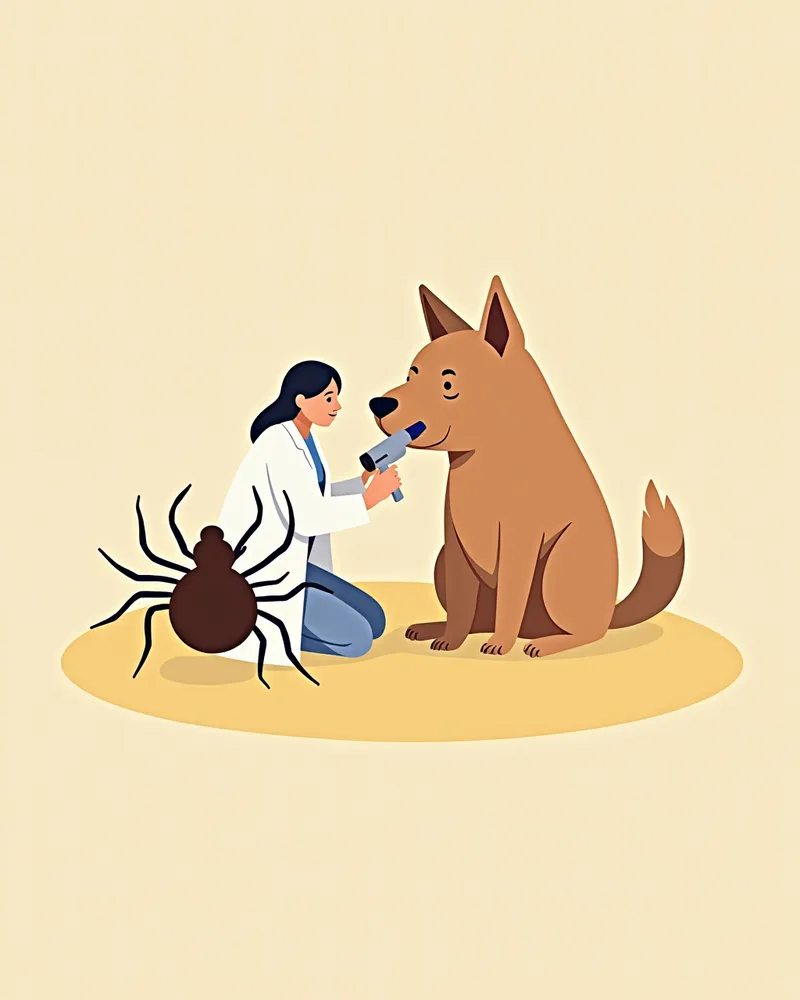
Treatment Methods and Step-by-Step Response

Home Management and Prevention Tips

Breed-Specific Precautions and Recurrence Prevention
Certain environmental factors can increase the risk of tick-borne infections. The risk is particularly high when walking in grassy areas or near forests. The risk may also increase if your pet has frequent contact with wild animals. Additionally, not using preventive measures can lead to a high risk of reinfection. Consistent care and regular check-ups are essential.
Reviewed by a veterinarian

Dr. Tony — Punnawat Phongkittirak
VeterinarianA veterinarian who majored in veterinary medicine at Khon Kaen University, Thailand, and completed the IVSA program at North Carolina State University in the United States. Drawing on clinical experience at animal hospitals, he works in the pet healthcare field and is dedicated to building a digital care environment that connects pet parents with veterinarians.
Reviewed 2026-06-29
Frequently Asked Questions
Is it safe to remove a tick at home?
Do I need to use tick preventatives every month?
What should I do if red spots remain on my pet’s skin after removing a tick?
Do tick bites cause Lyme disease?
Are cats also at risk of tick-borne infections?
Comparison of Major Tick Preventives
| Item | Duration of Effect | How to Use | Precautions |
|---|---|---|---|
| Spot-on (fipronil-based) | 1 month | Apply directly onto the skin | Do not bathe within 2 hours after application |
| Collar (fluralaner-based) | 3 months | Worn around the neck | Effect persists even when exposed to water |
| Oral (afoxolaner-based) | 1 month | Taken like a treat | Suitable for dogs that like to eat |
Consult a veterinarian before use, and choose a product suited to your dog's weight and health condition.
Share
Related Guides

5 Flea and Tick Preventives for Cats Recommended by Veterinarians — Ingredient Safety Comparison

The Ultimate Guide to Differentiating Symptoms, Managing Internal Parasites in Dogs, and Choosing the Best Products

Best Practices and Selection Criteria for Dog Heartworm Antigen Testing

My Cat Ingested an Antidepressant — Poisoning Symptoms, Dangerous Ingestion Amounts, and the Emergency Response Golden Window

If Your Cat Is Staggering — Cannabis Intoxication Symptoms and Emergency Response Timing

Did My Dog Ingest Cannabis? — From Poisoning Warning Signs to Emergency Treatment and Prevention

Cat Nicotine Poisoning: Symptoms, Emergency Response, Dangerous Dosage, and Prevention

The Danger of a Single Supplement — Cat Vitamin D Toxicity Symptoms and Emergency Response

Vitamin D Overdose in Dogs — From Kidney Toxicity Warning Signs to Emergency Response and Prevention

If Your Cat Is Exposed to Organophosphates — From Poisoning Symptoms to Emergency Treatment and Detoxification
References
[1] BSAVA Manual of Canine and Feline Dermatology, 4th Ed. (2023). BSAVA Publications.
[2] Shoorijeh, S.J. et al. (2008). Seasonal frequency of ectoparasite infestation in dogs from Shiraz, Southern Iran. Turkish Journal of Veterinary and Animal Sciences, 32(4), 309–313.
[3] Principles and Practices of Canine and Feline Clinical Parasitic Diseases. (2020). Wiley-Blackwell.