Like
Share
멍실장
강아지 보르데텔라 호흡기감염 증상과 원인, 진단·치료와 관리 포인트 총정리

Comprehensive Guide to Symptoms, Causes, Diagnosis, Treatment, and Management of Bordetella Respiratory Infection in Dogs

RespiratoryDiseasesMeongsiljang Veterinary Advisory Board

Kennel cough in dogs is a contagious respiratory disease caused by the bacterium Bordetella bronchiseptica, with coughing, sneezing, and nasal discharge as the main symptoms. Early diagnosis and proper management are essential.

What is Bordetella Respiratory Infection in Dogs?

A close-up shot of a coughing dog's face
Bordetella respiratory infection in dogs is a contagious respiratory disease primarily caused by the bacterium Bordetella bronchiseptica. It is commonly known as kennel cough (infectious tracheobronchitis) and often presents as a mixed infection involving both bacteria and viruses. This condition spreads easily in crowded environments such as dog parks, pet hotels, and shelters. - Bordetella bronchiseptica: The bacteria spread through respiratory droplets or contact with contaminated bowls or human hands, posing a particular risk to young puppies exposed to crowded settings. - Coughing, sneezing, and nasal discharge: Paroxysmal coughing is the primary symptom. While the condition typically resolves without progressing to pneumonia, it can worsen if multiple bacteria are involved. - Multimicrobial infections: Rather than occurring alone, Bordetella often appears alongside other pathogens such as canine parainfluenza virus, adenovirus (CAV-2), and distemper. Early diagnosis and appropriate management are key to recovery.

Primary Causes and Pathogenesis

The primary bacterial cause of Bordetella respiratory infection in dogs is Bordetella bronchiseptica. However, kennel cough typically presents as a complex infection involving both bacteria and viruses. This bacterium spreads through respiratory droplets or contact with contaminated food and water bowls, human hands, or equipment, and it spreads rapidly in crowded environments such as dog parks, pet hotels, and shelters. Additionally, this bacterium possesses several mechanisms to evade the host’s immune defenses, which can exacerbate symptoms when present alongside other pathogens. It causes inflammation of the respiratory mucosa, leading to increased coughing and mucus production. Puppies and dogs exposed to crowded environments are at higher risk of infection.
A dog park where many dogs are playing together.

Main Symptoms and Signs

The main symptoms of Bordetella respiratory infection in dogs include a characteristic paroxysmal cough that worsens with excitement or activity, often ending in a retching sound and sometimes producing small amounts of frothy mucus. Sneezing, nasal discharge, watery eyes, and decreased appetite are common, and fever or lethargy may also occur. However, many dogs do not have a fever at the time of the veterinary visit. While most cases resolve without pneumonia, some dogs may experience coughing that lasts for several weeks or progress to pneumonia. If the condition worsens, signs of respiratory distress such as labored breathing or bluish lips may appear.
Repetitive Coughing: Sudden, frequent, paroxysmal coughing occurs.
Nasal Discharge and Sneezing: Mucous discharge is present, accompanied by sneezing.
Decreased Appetite: Your dog may show little interest in treats or regular food.
Fever: If body temperature rises above normal, it requires attention, especially when accompanied by lethargy.
Respiratory Distress: Signs include rapid breathing or breathing with an open mouth.
A close-up shot of a puppy's face with a runny nose

Symptoms Requiring Immediate Veterinary Visit

If your dog is experiencing shortness of breath, bluish lips, a cough lasting more than a week, or a complete loss of appetite in addition to coughing, please visit the vet immediately. These could be signs of pneumonia or serious respiratory complications. In particular, for puppies or dogs with weakened immune systems, prompt treatment can be life-saving.

Accurate Diagnostic Methods

Bordetella respiratory infections in dogs are typically diagnosed based on medical history and physical examination alone. A recent history of contact with other dogs, paroxysmal coughing, and coughing triggered by gentle pressure on the trachea, indicating tracheal sensitivity, all aid in diagnosis. If a definitive diagnosis is needed or in cases of outbreaks or prolonged symptoms, PCR respiratory panel testing is performed on samples collected via nasal or oropharyngeal swabs or tracheal washes. This test can detect Bordetella bronchiseptica DNA, but it may yield false-positive results if a live vaccine was recently administered. Additionally, chest X-rays are used to check for lesions such as pneumonia. Preparing a record of symptoms before visiting the clinic can help ensure a more accurate diagnosis.
A veterinarian collecting a sample from a puppy's nose.

Treatment Methods and Step-by-Step Management

Kennel cough, caused by Bordetella, is typically a self-limiting condition that resolves on its own. However, antibiotics are prescribed if your dog shows systemic illness, if pneumonia is suspected, or if there’s a risk of secondary bacterial infection. It’s crucial to complete the full course of antibiotics as directed by your veterinarian to prevent relapse and secondary infections. If coughing persists, a cough suppressant may be used alongside treatment, but since it can lead to mucus buildup in the lungs, it should only be administered under veterinary guidance. Encourage your dog to stay well-hydrated, and reduce exercise and walks to ease the burden on their lungs. Additionally, minimize contact with other dogs during treatment to prevent the spread of infection.
A dog being cared for with moist air

Home Care Points

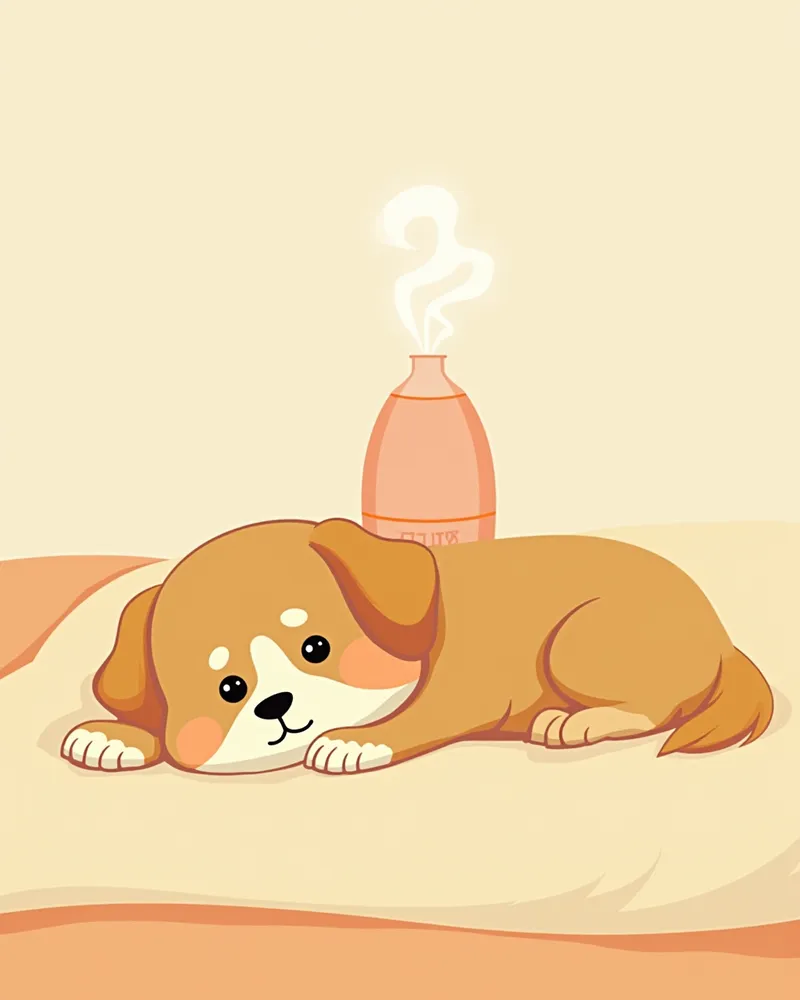
Home care is key to your dog's recovery. First, keep your dog in a warm, humid environment. You can use a humidifier or place your dog over a bathtub filled with hot water. Feed small, frequent meals, avoid treats, and always provide fresh, clean water. If your dog is coughing heavily, use a short leash to minimize irritation. Strictly limit contact with other dogs to prevent the spread of infection. It's best to avoid going outside during the treatment period.
Near your dog’s bed, where a humidifier is in use

Breed-Specific Precautions and Prevention of Recurrence

Bordetella respiratory infections can affect dogs of all breeds, but the severity of symptoms varies depending on immune status and environmental factors. Puppies and dogs recently exposed to crowded environments are especially prone to showing more pronounced symptoms. Repeated infections can cause airway inflammation, and in some cases, coughing may persist for several weeks, so it’s best to minimize outings in high-risk environments. While preventive vaccines reduce the risk of infection and symptom severity, they don’t provide complete protection, making regular vaccinations and careful management of exposure in crowded settings essential.

Reviewed by a veterinarian

Dr. Tony — Punnawat Phongkittirak

Dr. Tony — Punnawat Phongkittirak

Veterinarian

A veterinarian who majored in veterinary medicine at Khon Kaen University, Thailand, and completed the IVSA program at North Carolina State University in the United States. Drawing on clinical experience at animal hospitals, he works in the pet healthcare field and is dedicated to building a digital care environment that connects pet parents with veterinarians.

Frequently Asked Questions

Can Bordetella infection be transmitted to humans?
Bordetella bronchiseptica is primarily transmitted among dogs. While this source doesn't provide enough evidence to definitively say whether it can spread to healthy humans, people with severely weakened immune systems should take precautions. It's a good idea to wash your hands thoroughly after caring for a sick puppy.
Does getting vaccinated provide complete protection?
Vaccines significantly reduce the risk of infection, but they don’t provide complete protection. They are effective in reducing the severity of symptoms and helping to control the spread of the disease.
Can bacteria remain in the body even after the coughing has stopped?
Even after treatment, some dogs may temporarily shed bacteria. Because this poses a risk of transmission, it’s safest to keep your dog away from other dogs and thoroughly disinfect their bowls and accessories for one to two weeks following the onset of symptoms.
What should I do if the cough doesn’t improve after a week?
If your pet's cough lasts for more than 7 to 10 days, it could indicate pneumonia or other complications. Please visit the vet immediately for a chest X-ray or additional tests.
Can I give my pet a cough suppressant at home?
Cough suppressants should never be administered without a veterinarian’s prescription. Improper use can suppress the cough reflex while allowing mucus to accumulate in the lungs. Always use these medications strictly under veterinary guidance.

Share

Related Guides

References

[1] Reagan KL, Sykes JE. Canine infectious respiratory disease. Vet Clin North Am Small Anim Pract 2020;50(2):405-18.

[2] Hurley K. Canine infectious respiratory disease complex: Management and prevention in canine populations. DVM 2010;360.

[3] Joffe DJ, Lelewski R, Weese JS, et al. Factors associated with development of Canine Infectious Respiratory Disease Complex (CIRDC) in dogs in 5 Canadian small animal clinics. Can Vet J 2016;57(1):46–51.

This information is based on veterinary literature and does not replace diagnosis or treatment. Please consult a veterinarian for specific health concerns.

Metapet Co., Ltd. | CEO: Park Sung-yong | Business Reg. No. 417-88-02562 | Seoul, South Korea | Customer Center

Bordetella Respiratory Infection in Dogs: Full Guide | Meongsiljang