Like
Share
멍실장
강아지 구강 종양(전반) 증상과 원인, 진단·치료와 관리 포인트 총정리

Canine Oral Tumors: Comprehensive Guide to Symptoms, Causes, Diagnosis, Treatment, and Care

Oral HealthDiseasesMeongsiljang Veterinary Advisory Board

Canine oral tumors are malignant growths that develop in the mouth, and early detection significantly improves treatment success rates. This guide provides a comprehensive overview of key symptoms, causes, diagnostic methods, treatment options, and care tips.

Canine oral tumors are malignant growths that develop in the mucous membranes, gums, tongue, and jawbone

A puppy with its mouth open, showing healthy gums and teeth.
Canine oral tumors can develop in the mucous membranes, gums, tongue, and jawbone, with some being malignant and others benign. These tumors are relatively common in dogs, typically appearing around 7 to 10 years of age, so older dogs require particular attention. - Age: The average age of onset is around 7 to 10 years, making senior dogs especially prone to these tumors. - Breed: Certain breeds, such as Golden Retrievers and Old English Sheepdogs, have been reported to have a predisposition to specific oral tumors (e.g., acanthomatous ameloblastoma). However, there is no evidence supporting an increased risk for Labrador Retrievers, Poodles, or Shiba Inus. - Genetic Predisposition: It has been reported that oral eosinophilic granulomas may be heritable in Siberian Huskies and Cavalier King Charles Spaniels. - Environmental Factors: There is no evidence that environmental factors affecting humans, such as smoking, influence the development of these tumors in dogs. Early detection and management are key to determining treatment outcomes.

The main causes of canine oral tumors are related to age, breed, and genetic predisposition

Oral tumors in dogs become more common with age, with the highest incidence typically reported around 7 to 10 years of age. - Age: The risk of developing oral tumors increases in senior dogs, making regular veterinary check-ups essential. - Breed: Certain breeds, such as Golden Retrievers and Old English Sheepdogs, have been reported to have a predisposition to specific types of oral tumors. However, there is no confirmed evidence establishing a definitive risk for other breeds, including Labrador Retrievers. - Genetic Predisposition: It is known that oral eosinophilic granulomas can have a hereditary component in Siberian Huskies and Cavalier King Charles Spaniels. No genetic link has been confirmed for short-haired breeds or brachycephalic (flat-faced) breeds. - Environmental Factors: There is no confirmed evidence linking environmental exposures, such as secondhand smoke, to the development of oral tumors. Regular oral examinations by a veterinarian are crucial for early detection.
A puppy’s face showcasing the traits of breeds at higher risk for oral tumors

Check the main symptoms and signs of canine oral tumors

The main symptoms of oral tumors in dogs include bad breath, difficulty eating or swallowing, red spots or tumors on the gums or tongue, bleeding inside the mouth, facial swelling, and an inability to open the mouth or frequent head shaking. - Bad breath: Persistent foul odor can be an early sign of a tumor. - Difficulty eating: If your dog has trouble swallowing food, there is a high possibility of an oral lesion. - Bleeding and swelling: Immediate veterinary examination is necessary if you notice bleeding inside the mouth or facial swelling. - Behavioral changes: Actions such as whining or head shaking due to pain are warning signs. Early detection is key to improving treatment success rates.
The appearance around the mouth of a dog experiencing pain while eating

Emergency signs requiring immediate veterinary visit

If your dog is bleeding from the mouth, has severe facial swelling, is unable to eat, or is in significant pain, you should seek veterinary care immediately. These signs may indicate that the disease has progressed considerably, so a thorough examination, including an assessment for metastasis, is necessary. Early diagnosis and treatment are critical factors in determining the prognosis.

Diagnosis of canine oral tumors is performed through endoscopy, biopsy, and imaging

Diagnosing oral tumors in dogs begins with a direct visual examination of the mouth to assess the tumor’s location and size, followed by fine-needle aspiration (FNA) or biopsy to collect tissue samples for determining the tumor’s nature and whether it is malignant. - Oral examination: A thorough visual inspection of the mouth to identify lesions such as masses, ulcers, or bleeding. - Cellular and histological analysis: FNA and biopsy are used to clearly determine the tumor’s characteristics, while regional lymph nodes (e.g., submandibular and pharyngeal) are also evaluated. - Imaging studies: Skull radiographs or CT scans assess the extent of bone involvement, and three-view thoracic radiographs evaluate for pulmonary metastasis. - Accurate assessment: A veterinarian’s expert evaluation enhances diagnostic accuracy. - Treatment planning: An accurate diagnosis is essential for determining the appropriate course of treatment.
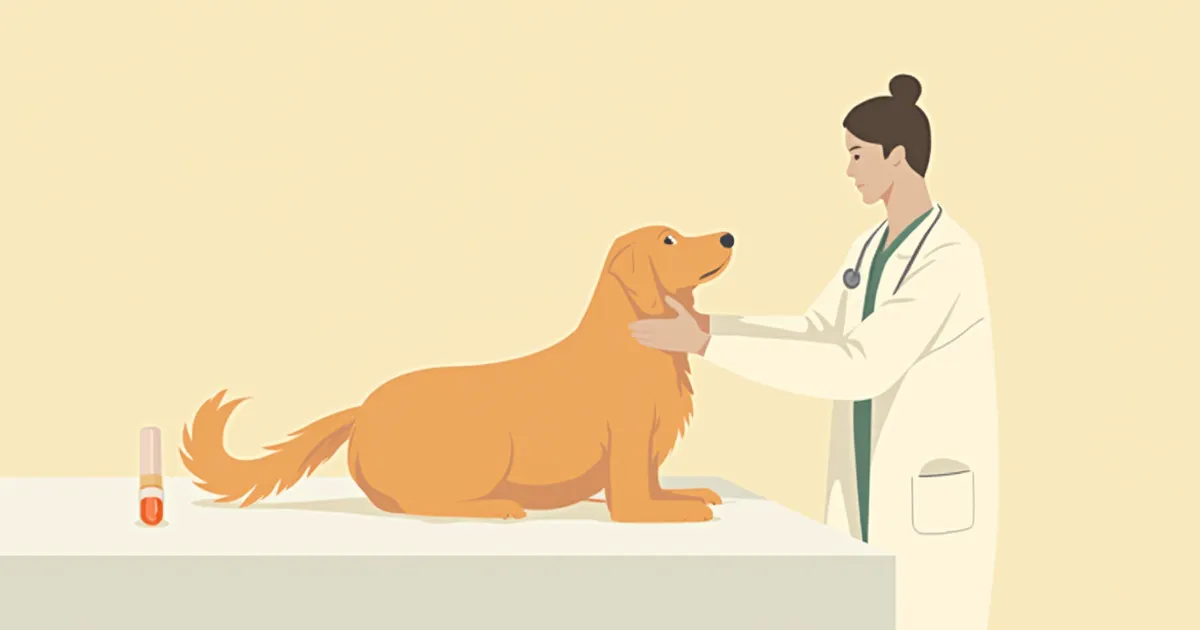
A veterinarian examining a puppy's mouth.

Treatment of canine oral tumors requires a comprehensive approach including surgery, radiation, and chemotherapy

Treatment for oral tumors in dogs varies depending on the tumor’s size, location, and whether it has metastasized. - Surgical treatment: The goal is complete removal of the tumor, which may require partial resection of the jawbone when necessary. - Radiation therapy: Used to prevent recurrence after surgery or when surgery is not feasible. - Chemotherapy: Administered as systemic treatment alongside other therapies when there is a high risk of metastasis. - Individualized treatment: A treatment plan is developed individually in consultation with your veterinarian. - Treatment goals: It is essential to control the tumor while maintaining your dog’s quality of life.
A puppy recovering after oral surgery

Home care for canine oral tumors focuses on pain management and nutritional support

Home care for dogs with oral tumors focuses primarily on pain management and nutritional support. - Pain Management: Use veterinarian-prescribed medications to alleviate pain. - Nutritional Support: Offer soft, easily digestible liquid or semi-solid foods. - Oral Hygiene: Remove food debris and keep the mouth clean. - Regular Check-ups: Maintain consistent veterinary visits and oral examinations. - Behavioral Monitoring: Closely observe for signs of pain or changes in eating habits. - Quality of Life: Create an environment where your dog can eat without pain and rest comfortably.
Soft food and water for managing oral tumors in dogs

Certain breeds have a higher risk of oral tumors, so caution is required

Certain breeds, such as Golden Retrievers and Old English Sheepdogs, have a reported genetic predisposition to specific oral tumors, while oral eosinophilic granulomas can be hereditary in Siberian Huskies and Cavalier King Charles Spaniels. However, no evidence has been found linking Labrador Retrievers or short-haired, flat-faced breeds to these conditions. Regular oral examinations and care are essential.

Reviewed by a veterinarian

Dr. Tony — Punnawat Phongkittirak

Dr. Tony — Punnawat Phongkittirak

Veterinarian

A veterinarian who majored in veterinary medicine at Khon Kaen University, Thailand, and completed the IVSA program at North Carolina State University in the United States. Drawing on clinical experience at animal hospitals, he works in the pet healthcare field and is dedicated to building a digital care environment that connects pet parents with veterinarians.

Frequently Asked Questions

Can oral tumors in dogs be treated?
Yes, if detected early, the tumor can be surgically removed. Depending on the type and stage of the tumor, a combination of treatments such as surgery, radiation therapy, and chemotherapy may be used. The prognosis can vary significantly based on how early treatment begins and whether the tumor can be completely removed. It’s important to work with your veterinarian to develop a personalized treatment plan.
How is pain from oral tumors managed?
We use pain-relieving medications prescribed by a veterinarian. Regular administration and close monitoring are necessary, and if pain symptoms worsen, contact the clinic immediately.
What kind of food should I give my pet if it has an oral tumor?
Offer soft, easily digestible liquid or semi-solid foods, such as brothy soups, meat broth, or jelly-style pet food. Keep the mouth clean.
Can oral tumors recur?
Yes, there is a possibility of recurrence. Even after surgery, regular check-ups and ongoing care are necessary, and we need to periodically monitor for any signs of metastasis.
Can oral tumors be transmitted to other dogs?
No, oral tumors are not contagious to other dogs. These tumors, which may involve genetic predispositions reported in certain breeds, can be either benign or malignant.

Share

Related Guides

References

[1] Clinical Medicine of the Dog and Cat, 4th Ed. 2023. BSAVA Publications.

[2] The Cat, Clinical Medicine and Management, 2nd Edition. 1987. Blackwell Science.

[3] BSAVA Manual of Canine and Feline Dermatology, 4th Ed. 2021. BSAVA Publications.

This information is based on veterinary literature and does not replace diagnosis or treatment. Please consult a veterinarian for specific health concerns.

Metapet Co., Ltd. | CEO: Park Sung-yong | Business Reg. No. 417-88-02562 | Seoul, South Korea | Customer Center

Canine Oral Tumors: Symptoms, Causes, Diagnosis & Care | Meongsiljang