Like
Share
멍실장
강아지 피모벤단 치료 증상과 원인, 진단·치료와 관리 포인트 총정리

Complete Guide to Pimobendan for Dogs: Efficacy, Administration, Side Effects, and Warning Signs

HeartDiseasesMeongsiljang Veterinary Advisory Board

Pimobendan is a key medication for treating heart valve disease and heart failure in dogs. Accurate diagnosis and proper management are essential.

Pimobendan Therapy Is a Key Approach to Managing Heart Disease in Dogs
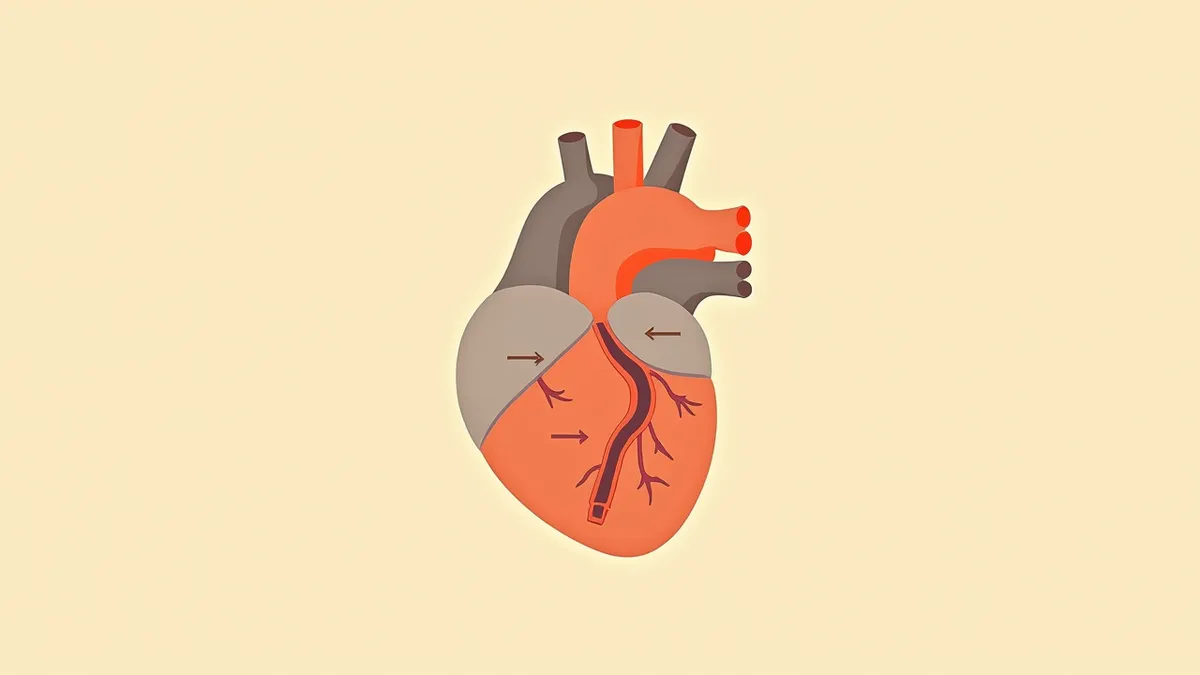
A medical illustration showing the structure of a dog's heart and the flow of blood through it.
Pimobendan therapy is a medication primarily used for dogs with heart valve dysfunction and heart failure. - Heart valve dysfunction: This condition occurs when the valves do not close properly, causing blood to flow backward and reducing the amount of blood the heart pumps forward (forward stroke volume). - Reduced cardiac workload: Pimobendan relaxes both arteries and veins, making it easier for the heart to pump blood. - Enhanced cardiac contractility: As an inodilator, pimobendan increases calcium sensitivity in the heart muscle, strengthening contractions and improving blood circulation. - Management of chronic heart disease: Its effectiveness in delaying the onset of heart failure has been proven, particularly in dogs with myxomatous mitral valve disease (MMVD) who have progressed to the asymptomatic stage with cardiac enlargement (Stage B2). Your veterinarian will prescribe the exact dosage based on your dog’s weight and condition.

The Primary Indication for Pimobendan Therapy Is Heart Valve Dysfunction

Pimobendan treatment for dogs is used for heart diseases caused by structural abnormalities or functional decline of the heart valves. - Mitral Valve Disease (MMVD): This is the most common cause of heart failure in dogs. As dogs age, the valve tissue weakens and becomes soft and myxomatous. - Risk in Small Breeds: It occurs more frequently in small breeds such as Cavalier King Charles Spaniels, Chihuahuas, Dachshunds, Miniature Poodles, and Yorkshire Terriers. - Induction of Cardiac Arrhythmias: When valve dysfunction raises left atrial pressure, it can lead to arrhythmias and impaired blood circulation. - Signs of Declining Cardiac Function: Symptoms include coughing, difficulty breathing, and exercise intolerance (fatigue). Pimobendan becomes necessary at this stage. Accurate diagnosis by a veterinarian is the first step toward treatment.
An image from a dog’s echocardiogram showing mitral valve regurgitation.

Checklist of Key Symptoms That May Occur During Pimobendan Therapy

During pimobendan treatment, your dog may exhibit a variety of symptoms. While some of these may indicate the medication is working, others could be side effects, so close monitoring by the owner is essential.
Coughing: Increased cardiac burden can put pressure on the airways, leading to coughing.
Decreased activity: Shortness of breath or fatigue may cause your dog to refuse even routine walks.
Difficulty breathing: Rapid breathing or panting may occur.
Abdominal distension: Reduced heart function can impair fluid drainage, causing the abdomen to swell.
Loss of appetite: A decline in overall health may lead to reduced food intake.
A tired dog lying on the bed, with its abdomen slightly swollen.

Immediate Veterinary Care Is Required for Severe Difficulty Breathing or Persistent Coughing

If your dog experiences severe difficulty breathing, persistent coughing, or a bluish discoloration of the mouth or tongue, seek veterinary care immediately. These symptoms may indicate a rapid deterioration in heart function. This is an emergency, so consult your veterinarian without delay.

Diagnosis for Pimobendan Therapy Centers on Echocardiography and Electrocardiogram

An accurate diagnosis is essential before starting pimobendan treatment. - Echocardiography (cardiac ultrasound): Precisely evaluates valve condition, heart size, and blood flow direction and velocity. - Electrocardiogram (ECG): Checks for abnormalities in heart rhythm and detects arrhythmias. - Thoracic radiographs (chest X-rays): Assesses heart size and lung condition to determine the presence of heart failure. - Comprehensive analysis of test results: Determines the necessity and direction of treatment based on multiple diagnostic findings. - Regular follow-up examinations: Periodically monitors drug efficacy through ongoing testing during treatment.
A veterinarian performing an echocardiogram on a puppy

Step-by-Step Treatment Protocol for Pimobendan Therapy

Pimobendan treatment is administered in stages, tailored to the patient’s cardiac condition. We begin with pimobendan monotherapy, and if symptoms worsen, we combine it with other medications. Treatment is ongoing, with regular check-ups to monitor efficacy. Your veterinarian will adjust the dosage based on your pet’s weight and clinical status.
Stage 1: Pimobendan monotherapy to improve cardiac function
Stage 2: Pimobendan combined with a diuretic to reduce edema
Stage 3: Addition of a cardiac rhythm control agent to manage irregular heartbeats
Stage 4: Referral to a cardiac specialist and consideration of advanced therapies
A visual timeline showing the four stages of Pimobendan treatment

Key Points for Managing Pimobendan Therapy at Home

Home care during Pimobendan treatment is very important. Start by giving the medication at the exact prescribed time. Follow your veterinarian’s instructions and the product label for dosing, and do not stop the medication on your own. Keep walks moderate and provide a low-stress environment. Regularly record your pet’s weight and any changes in symptoms to share with your veterinarian.
Set a fixed medication time: Give the medication at the same time every day.
Follow your veterinarian’s instructions for timing: Since the effect of food on the absorption of chewable tablets has not yet been clearly established, follow your veterinarian’s guidance regarding timing relative to meals.
Minimize stress: Maintain a quiet environment and avoid sudden loud noises.
Record weight: Weigh your pet weekly and track any changes.
Keep a symptom checklist: Briefly record symptoms each day.
A laptop displaying a checklist for managing PyobenDan rests on a wooden table.

Caution Is Needed as Certain Breeds May Be More Sensitive to Pimobendan

Small-breed dogs such as Cavalier King Charles Spaniels, Chihuahuas, Dachshunds, Miniature Poodles, and Yorkshire Terriers are predisposed to myxomatous mitral valve disease (MMVD). While pimobendan is generally well tolerated, adverse effects such as decreased appetite, vomiting, and, rarely, hypotension or changes in heart rate may occur. A veterinarian should prescribe this medication based on the dog’s breed and health status, and you should contact your clinic immediately if any abnormal symptoms arise during treatment.

Reviewed by a veterinarian

Dr. Tony — Punnawat Phongkittirak

Dr. Tony — Punnawat Phongkittirak

Veterinarian

A veterinarian who majored in veterinary medicine at Khon Kaen University, Thailand, and completed the IVSA program at North Carolina State University in the United States. Drawing on clinical experience at animal hospitals, he works in the pet healthcare field and is dedicated to building a digital care environment that connects pet parents with veterinarians.

Frequently Asked Questions

What kind of medication is Pimobendan?
Pimobendan is an inodilator that strengthens heart contractions and dilates arteries and veins, reducing the heart’s workload. It is used to treat mitral valve disease (MMVD) and heart failure.
What should I do if my pet starts coughing after taking Pimobendan?
If the cough persists, please inform your veterinarian right away. It could be a sign of airway compression due to heart enlargement or a worsening of the heart condition.
Does Pimobendan need to be taken for life?
In most cases, heart disease requires long-term medication, often for the pet's entire life. Regular monitoring and dosage adjustments by your veterinarian are essential.
What are the potential side effects of Pimobendan?
The most common side effects are decreased appetite and vomiting. Rarely, low blood pressure, reflex tachycardia, or changes in heart rhythm may occur, but overall, it is a well-tolerated medication.
Can I stop giving my pet Pimobendan suddenly?
Do not stop the medication on your own. Abruptly discontinuing it can worsen heart function, so it’s essential to adjust the dosage only under your veterinarian’s guidance.

Share

Related Guides

References

[1] Plumb, D.C. (2023). Plumb's Veterinary Drug Handbook, 10th Edition. Wiley-Blackwell.

[2] Stern, J.A., & Walker, A.L. (2022). Small Animal Critical Care Medicine, 3rd Edition. Elsevier.

[3] Blackwell's Five-Minute Veterinary Consult Clinical Companion, Small Animal Toxicology, 3rd Edition. Wiley-Blackwell, 2021.

This information is based on veterinary literature and does not replace diagnosis or treatment. Please consult a veterinarian for specific health concerns.

Metapet Co., Ltd. | CEO: Park Sung-yong | Business Reg. No. 417-88-02562 | Seoul, South Korea | Customer Center

Pimobendan for Dogs: Effects, Dosing, Side Effects & Signs | Meongsiljang