

Feline Coccidiosis: Symptoms, Transmission, Treatment, and Prevention
Feline coccidiosis is a parasitic disease caused by protozoa that infect the cells of the small intestine, leading to diarrhea and dehydration. It is especially dangerous in kittens and immunocompromised cats. Here’s a comprehensive overview of transmission, symptoms, treatment, and prevention of recurrence.
What is Feline Coccidiosis?

Transmission Routes — How Do Cats Get Infected?
Key Symptoms Checklist

Signs Requiring Immediate Veterinary Care
If any of the following apply, do not monitor at home—seek veterinary care immediately. Kittens can deteriorate rapidly within hours. • Blood in the stool persists for more than 24 hours • The kitten is lethargic, unable to stand, or collapses • Complete refusal of food and water for more than 6 hours • Yellowing of the skin or eyes (possible jaundice) • Any episode of diarrhea in kittens under 8 weeks of age
Diagnosis — How Is It Confirmed?
Treatment — What Medications Are Used?
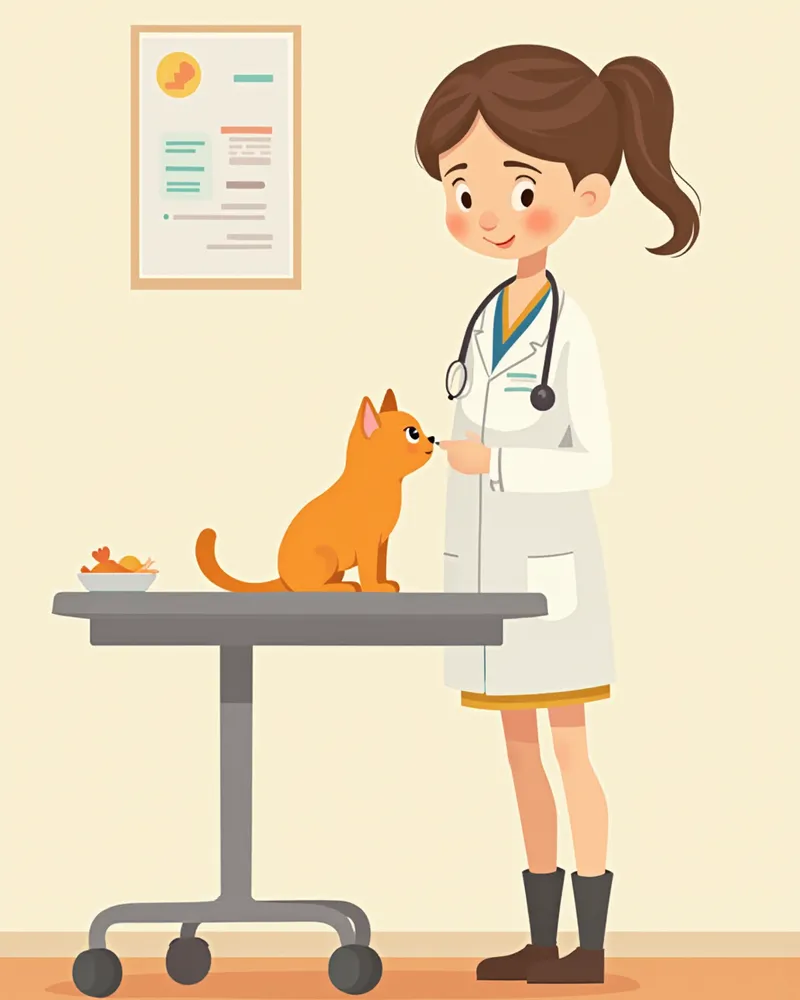
Home Care Points

Preventing Recurrence — Key Reminders
Even if symptoms disappear, oocyst shedding may continue. Do not stop medication on your own until your veterinarian confirms complete recovery. We recommend retesting in 2–4 weeks for multi-cat households or if the mother cat has a history of infection. If you adopted from a shelter or breeder, it’s a good idea to have a fecal exam done right after adoption.
Reviewed by a veterinarian

Dr. Tony — Punnawat Phongkittirak
VeterinarianA veterinarian who majored in veterinary medicine at Khon Kaen University, Thailand, and completed the IVSA program at North Carolina State University in the United States. Drawing on clinical experience at animal hospitals, he works in the pet healthcare field and is dedicated to building a digital care environment that connects pet parents with veterinarians.
Reviewed 2026-05-29
Frequently Asked Questions
Can coccidia be transmitted to humans?
Should adult cats be treated even if they show no symptoms?
How long does the treatment take?
Can it be prevented through vaccination?
Can it recur after a complete recovery?
Share
Related Guides

5 Flea and Tick Preventives for Cats Recommended by Veterinarians — Ingredient Safety Comparison

The Ultimate Guide to Differentiating Symptoms, Managing Internal Parasites in Dogs, and Choosing the Best Products

Best Practices and Selection Criteria for Dog Heartworm Antigen Testing

When to Feed Prescription Renal Diets for Dogs — Protein and Phosphorus Restriction and Feeding Timing

My Dog Ate Grapes — Signs of Nephrotoxicity Leading to Kidney Failure Requiring Immediate Veterinary Care

My Dog Won’t Drink Water — Dehydration and Acute Kidney Injury, When to Go to the Vet
How Fast Is My Dog’s Kidney Disease Progressing? — Monitoring CKD Progression and Management Points

My Puppy Has a Fever and Back Pain — From Pyelonephritis Symptoms to Treatment

Sudden Urine and Appetite Changes in Your Dog — Causes of Acute Kidney Injury and When to Seek Emergency Care
Complete Guide to Feline Renal Ultrasound — From Timing to Result Interpretation
References
[1] Little SE (Ed.), The Cat: Clinical Medicine and Management, 2nd Edition, Chapter on Protozoal Diseases, Elsevier, 2022
[2] Greene CE et al., Infectious Diseases of the Dog and Cat, 4th Edition, Saunders Elsevier, 2012
[3] Lappin MR. Enteric protozoal diseases. Vet Clin North Am Small Anim Pract. 2005;35(1):81–88
[4] Marks SL, Rankin SC, Byrne BA, Weese JS. Enteropathogenic bacteria in dogs and cats. J Vet Intern Med. 2011;25(6):1195–1208